New to Shopify? Free trial, then $1/month for your first 3 months. Start free trial →
 Where is your store?
Ryviu works with both – pick yours to continue.








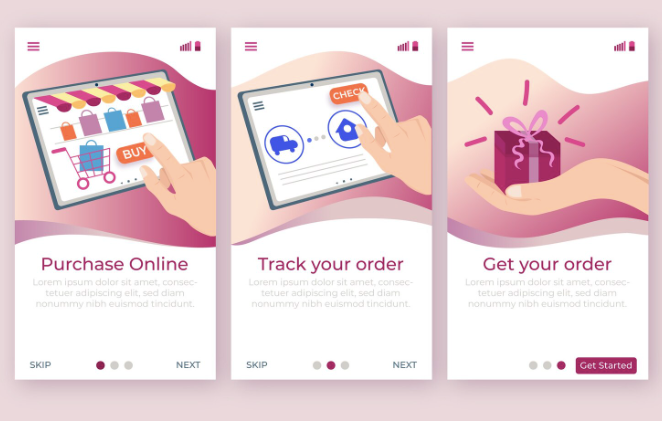
The moment after a customer clicks “Place Order” is more important than it appears. While many businesses treat the order confirmation page as a simple receipt, customers experience it as a moment of reflection. They are asking themselves whether they made the right choice, whether the transaction was successful, and what happens next. A well-designed order confirmation page answers these questions clearly and calmly, reinforcing trust and reducing post-purchase anxiety.
In this article, we’ll explore how to design order confirmation pages that strengthen buying confidence, improve customer satisfaction, and lay the foundation for long-term loyalty rather than buyer’s remorse.
Order confirmation pages appear at a highly emotional point in the customer journey. Even satisfied buyers can feel a brief sense of uncertainty after completing a purchase. This reaction is natural and rooted in decision-making psychology.
Customers want reassurance that their money was spent wisely and that the business is reliable. The confirmation page plays a crucial role in shaping this perception.
After a purchase, customers often worry about details they didn’t fully consider before checkout. They may question delivery timelines, payment security, or whether they selected the right product. If these concerns are not addressed immediately, doubt can grow.
An effective confirmation page proactively reassures customers by clearly confirming that the order was successful and that everything is under control.
This page also marks a shift in the relationship. The customer is no longer evaluating whether to buy; they are now waiting for fulfillment. The tone should reflect this change, focusing on clarity, support, and reliability rather than persuasion.
When done well, the confirmation page strengthens trust at the exact moment it matters most.
Every effective order confirmation page shares a few essential components. These elements work together to remove uncertainty and create a sense of completion.
Rather than overwhelming customers, the goal is to present information in a calm, structured way.
The first and most important message should be unmistakable: the order was placed successfully. This confirmation should be visually prominent and written in plain language.
Customers should not have to scan the page to confirm whether the transaction worked. Immediate clarity reduces stress and sets a positive tone.
Providing a clear summary of the order reinforces trust. Customers want to see exactly what they purchased, how much they paid, and where it will be delivered.
This transparency reassures customers that the business is organized and reliable, reducing the urge to double-check emails or contact support.
Information hierarchy plays a major role in how confident customers feel after a purchase. Even accurate information can cause confusion if it is poorly organized.
A well-structured confirmation page guides the eye naturally from reassurance to details to next steps.
Not all information is equally important at this moment. Customers primarily care about confirmation, order summary, and what happens next. Less critical details can be visually de-emphasized.
This prioritization helps customers quickly find reassurance without feeling overwhelmed.
Whitespace, grouping, and clear section breaks make the page easier to process. Visual separation helps customers mentally organize information, which reduces cognitive load.
A calm layout communicates professionalism and control, both of which reinforce confidence.
The language used on a confirmation page has a significant emotional impact. Copy should feel reassuring, clear, and human, not transactional or robotic.
Well-written copy turns a simple receipt into a moment of positive reinforcement.
The tone should acknowledge the customer’s action without sounding overly promotional. Simple phrases that confirm success and express appreciation go a long way.
Avoid vague or technical wording. Clear, conversational language feels more trustworthy and approachable.
Copy should answer unspoken questions. When will the order ship? How will the customer receive updates? Who should they contact if something goes wrong?
Addressing these questions directly reduces uncertainty and strengthens confidence in the brand.
One of the biggest sources of post-purchase anxiety is uncertainty about next steps. Customers want to know what to expect and when.
A strong confirmation page clearly outlines what happens after the order is placed.
Providing a brief timeline or explanation of the fulfillment process helps customers feel informed. This might include order processing, shipping, or access to digital content.
Clear expectations reduce impatience and prevent unnecessary support inquiries.
Letting customers know they will receive a confirmation email or shipping updates reinforces the sense that the business is proactive and organized.
This assurance helps customers relax and trust that their order is being handled properly.
Trust is closely tied to perceived security. Even after payment is complete, customers want reassurance that their information is safe.
Subtle security cues can strengthen confidence without distracting from the main message.
A simple confirmation that payment was processed securely reassures customers that the transaction is complete and protected.
This is especially important for first-time buyers who are still forming trust in the brand.
Visual consistency between checkout and confirmation pages reinforces professionalism. When branding feels cohesive, customers are less likely to question legitimacy.
Consistency signals that the business is established and dependable.
While the primary purpose of a confirmation page is reassurance, subtle social proof and support cues can further reinforce confidence.
These elements should be used sparingly and thoughtfully.
Small reminders that others have made similar purchases or that the product is well-regarded can reduce buyer’s remorse.
These signals work best when they feel natural rather than promotional.
Customers feel more confident when they know support is accessible. A visible but unobtrusive link to help resources or contact information can provide peace of mind.
The goal is not to encourage support requests, but to reassure customers that help is available if needed.
Many confirmation pages unintentionally undermine confidence by introducing confusion or pressure at the wrong time.
Avoiding these mistakes is just as important as including the right elements.
Aggressive upsells or unrelated offers can distract customers and make the experience feel transactional rather than supportive.
At this stage, customers need reassurance, not persuasion.
Missing information about delivery, access, or next steps can quickly lead to doubt. If customers have to search for answers, confidence drops.
Completeness and clarity should always take priority over clever design.
While reassurance is the primary goal, confirmation pages also present an opportunity to strengthen long-term relationships.
When handled thoughtfully, this moment can set the tone for future interactions.
Subtle suggestions, such as tracking an order or creating an account, can be helpful if they align with the customer’s current needs.
These actions should feel optional and supportive rather than mandatory.
A brief message that reflects the brand’s values or customer commitment can leave a lasting impression.
This human touch helps customers feel connected to the brand beyond the transaction.
Order confirmation pages are more than administrative checkpoints; they are emotional reassurance moments that shape how customers feel about their purchase. By addressing post-purchase anxiety, clearly confirming success, and guiding customers through what comes next, these pages reinforce trust and confidence. Thoughtful structure, supportive language, and transparent information turn uncertainty into satisfaction.
When businesses treat confirmation pages as a vital part of the customer journey rather than an afterthought, they create experiences that feel professional, reliable, and genuinely customer-centered—long after the “Place Order” button is clicked.