New to Shopify? Free trial, then $1/month for your first 3 months. Start free trial →
 Where is your store?
Ryviu works with both – pick yours to continue.








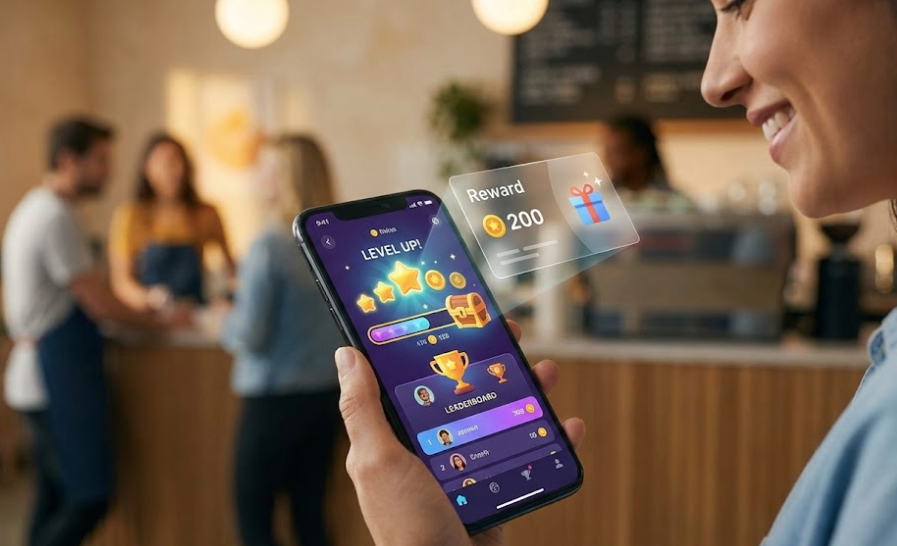
Today’s most effective loyalty systems borrow heavily from game design, using points, progress, and micro-rewards to influence customer behavior in subtle but powerful ways.
Gamified loyalty points are not about giving away value randomly; they are about shaping habits, increasing engagement, and motivating repeat actions that benefit both the customer and the brand.
This guide explores how gamified loyalty points work, why small rewards can drive outsized results, and how businesses can design loyalty systems that feel fun, meaningful, and conversion-focused rather than transactional.
Gamification applies game-like mechanics to non-game environments. In loyalty programs, this often includes points, levels, challenges, and progress indicators.
The goal is not to turn shopping into a game, but to tap into natural human motivations such as achievement, curiosity, and reward anticipation.
Points act as a universal currency that customers instantly understand. They provide measurable progress and create a sense of accumulation.
When designed correctly, points become emotionally meaningful, not just numerically valuable.
Human brains respond strongly to frequent, predictable rewards. Small wins release dopamine, reinforcing the behavior that triggered the reward.
This is why modest point incentives can motivate actions that far exceed their monetary value.
Progress, even toward a small goal, feels satisfying. Visual indicators showing how close a customer is to the next reward increase engagement.
Customers are more likely to complete actions when they feel progress rather than distance.
Modern loyalty programs reward more than just spending. They encourage behaviors that support long-term growth.
These behaviors can include:
Each action strengthens the customer relationship.
Every rewarded action should align with a business goal. Random rewards dilute impact.
Intentional design ensures that points drive meaningful outcomes.
Customers should instantly understand how to earn points. Complexity creates friction and reduces participation.
Clarity builds trust and confidence in the system.
Rewards should feel achievable without being trivial. If points are too easy to earn, they lose meaning.
If they are too hard, motivation drops.
Tiered systems introduce status and progression. Customers feel recognized as they move up.
Status motivates behavior beyond discounts.
Effective tiers require consistent engagement rather than one-time spending.
This encourages habits instead of spikes.
Progress bars, badges, and countdowns make points tangible.
Visual cues turn abstract numbers into motivating signals.
Overly complex dashboards overwhelm users. Gamification works best when it feels intuitive.
Simplicity keeps focus on action, not explanation.
The timing of rewards matters as much as their value. Immediate feedback reinforces behavior.
Delayed or unclear rewards weaken impact.
Points can nudge customers back sooner by:
These techniques encourage timely action without pressure.
Gamified points can turn passive customers into active contributors.
Rewarding reviews and referrals builds trust and organic growth.
When engagement feels like participation rather than obligation, customers respond positively.
Gamification reframes effort as play.
Transactional loyalty relies on discounts. Emotional loyalty relies on connection and enjoyment.
Gamified systems strengthen emotional loyalty by creating positive experiences.
Accumulated points feel like something owned. Customers hesitate to abandon brands where they have “progress.”
This emotional investment increases retention.
Too many notifications, challenges, or gimmicks can feel manipulative.
Fatigue leads to disengagement.
Effective programs focus on:
Restraint preserves trust.
In 2026, loyalty systems can adapt rewards based on customer history.
Personalized challenges feel relevant and motivating.
Different customers value different incentives. Flexibility increases effectiveness.
Personalization strengthens perceived fairness.
Success is not just about redeemed points. It’s about behavior change.
Key metrics include:
These reveal real impact.
Small adjustments in point values, timing, or messaging can significantly change outcomes.
Continuous testing keeps programs effective.
Excessive discounting erodes margins and trains customers to wait.
Points should enhance value, not replace pricing strategy.
A powerful system fails if it is confusing or hidden.
Visibility and usability are essential.
Points should appear throughout the experience, from browsing to post-purchase.
Consistency reinforces awareness.
Gamified loyalty works best when aligned with brand personality.
The tone of rewards should match brand voice.
The future favors small, frequent rewards that reinforce habits.
Habit loops create long-term engagement.
Loyalty programs are becoming integrated experience layers, not standalone features.
This integration increases relevance and impact.
Gamified loyalty points succeed because they tap into fundamental human motivations: progress, recognition, and reward. In 2026, the most effective programs use small, well-timed incentives to trigger meaningful customer actions that go far beyond immediate purchases.
When designed with intention, clarity, and restraint, gamified loyalty transforms routine interactions into engaging experiences that build emotional loyalty and long-term value. The real power of loyalty points lies not in their monetary worth, but in how they shape behavior, deepen relationships, and turn everyday customers into active, invested brand advocates.