New to Shopify? Free trial, then $1/month for your first 3 months. Start free trial →
 Where is your store?
Ryviu works with both – pick yours to continue.








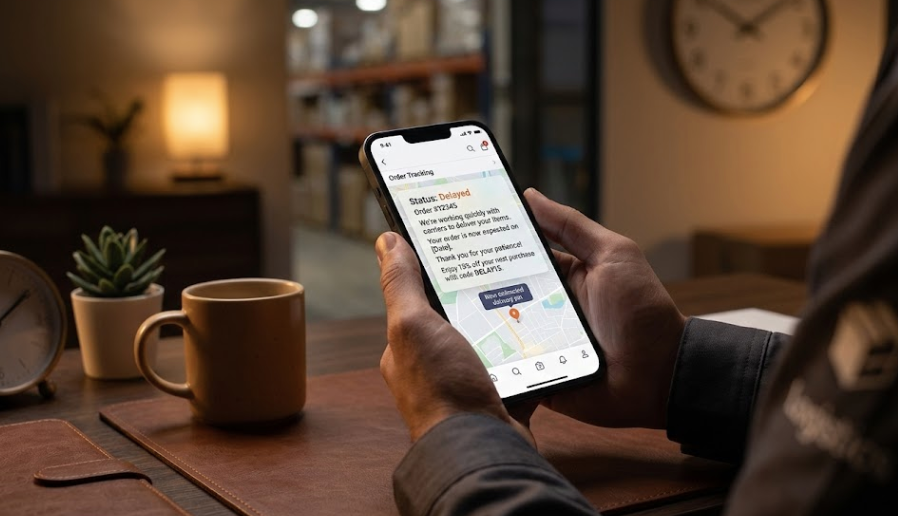
In eCommerce, things don’t always go according to plan. Even the most efficient businesses sometimes face unavoidable delays — from supply chain disruptions and shipping backlogs to product shortages or technical hiccups. But here’s the truth: customers are often forgiving when things go wrong. What they don’t forgive is silence.
The way you handle order delays can make or break your relationship with a customer. Communicating clearly, empathetically, and proactively transforms a potential disappointment into an opportunity to strengthen trust. Done right, a well-handled delay can actually increase customer loyalty instead of damaging it.
In this guide, we’ll explore how to communicate order delays effectively — the psychology behind customer reactions, the timing and tone that matter, and proven strategies to keep satisfaction high, even when fulfillment slows down.
Before diving into tactics, it’s important to understand what truly frustrates customers during a delay. Contrary to popular belief, it’s not just the waiting — it’s the uncertainty.
When a buyer places an order, they enter an emotional contract with your brand. They trust that what they paid for will arrive as promised. If that promise is broken without explanation, the trust collapses. Silence or vague updates send a signal that the business doesn’t care, and customers start to feel anxious, powerless, or even betrayed.
On the other hand, transparency and proactive communication demonstrate professionalism. Even when the delay isn’t your fault — say, a logistics issue or supply chain bottleneck — owning the problem and guiding customers through it reassures them that their satisfaction still matters.
In short, communication is the bridge between disappointment and understanding. And building that bridge requires honesty, empathy, and consistency.
You can’t communicate what you don’t know. That’s why the first step is internal awareness. As soon as your system detects an issue — like a shipment delay, inventory shortage, or production backlog — flag it.
Automated systems help, but human oversight matters too. Encourage your support or operations team to:
The faster your internal response, the more time you have to communicate effectively and prevent surprise or confusion for customers later.
Timing is everything. The earlier customers hear from you about a delay, the more forgiving they’ll be. Silence gives frustration time to grow, while early communication gives you control of the narrative.
When you reach out first, it shows accountability and care. Instead of forcing customers to hunt for answers, you deliver clarity — and that builds trust.
A proactive message should include:
For example:
“Hi [Customer Name], we wanted to let you know that your order is taking a bit longer than expected due to [reason]. We’re working closely with our partners to get it shipped as soon as possible. Your updated delivery date is [new date]. Thank you for your patience — we truly appreciate it.”
This kind of message takes seconds to send but can save a customer relationship.
Customers can tell when you’re sugarcoating. Trying to minimize the situation or shift blame often backfires. It’s better to be direct and factual — but still tactful.
If the delay is due to supplier issues, shipping strikes, or unexpected demand, say so. Avoid jargon or vague phrases like “unforeseen circumstances.” Clarity breeds confidence.
For instance, compare these two messages:
❌ “Your order is delayed due to unforeseen issues. We’ll ship it soon.”
✅ “Your order was delayed because our supplier experienced a temporary shortage. We expect to receive your item by Thursday and will ship it immediately after.”
The difference? The second one replaces ambiguity with accountability. It tells the customer exactly what’s happening and what to expect — no false hope, no empty apologies.
When you communicate honestly, you not only inform your customers but also invite empathy. People tend to forgive what they understand.
Beyond facts, emotions matter. A well-crafted apology rooted in empathy goes a long way toward keeping customers calm and connected. You’re not just acknowledging a delay; you’re acknowledging the inconvenience it causes.
Use human language instead of stiff corporate phrases. For example:
“We know how frustrating it is to wait longer than expected — especially when you’re excited about your purchase. We’re truly sorry for the delay and are doing everything we can to get your order to you as quickly as possible.”
This approach turns a transactional update into a personal connection. Customers remember empathy — not excuses.
Here are key ways to express empathy effectively:
Empathy softens disappointment, transforming it into appreciation.
Words matter — but actions reinforce them. When delays significantly inconvenience customers, pairing your apology with a tangible gesture builds goodwill and preserves loyalty.
Possible gestures include:
Even a small gesture communicates that you value the customer’s time. In fact, research shows that a modest compensation combined with sincere communication can restore satisfaction almost completely.
Remember — compensation should match the level of inconvenience. Overcompensating can feel insincere, while under-compensating can seem dismissive. The key is balance and authenticity.
Communicating once isn’t enough. Continuous updates reassure customers that their order hasn’t been forgotten. A simple follow-up message every few days (or based on key milestones) can make all the difference.
Set up an automated but personalized update sequence, such as:
Automation tools like Klaviyo, Omnisend, or Shopify Flow can handle this seamlessly, ensuring consistent and timely communication.
When you’re transparent throughout the process, customers stay informed — and far less anxious.
Your customer service team is the frontline of communication during order delays. Equipping them with the right information, tone, and authority ensures they can manage situations confidently and empathetically.
Support agents should:
Empower them to make quick decisions (like issuing a partial refund or credit) without lengthy approvals. Fast, human responses are worth far more than corporate scripts.
Training and trust within your team directly translate into customer satisfaction.
Handled correctly, an order delay can actually strengthen a customer relationship. Why? Because adversity reveals a brand’s character. Customers remember the brands that stood by them — not just the ones that shipped fast.
After resolving a delay, follow up with a thank-you message. You might say:
“We’re so grateful for your patience during the recent delay. Your order should now be with you, and we hope you love it. As a small thank-you for sticking with us, here’s 15% off your next order.”
Follow-ups like this serve two purposes: they close the communication loop and reestablish goodwill. It also subtly encourages repeat purchases, turning a potential loss into retention.
The most loyal customers often come from well-managed moments of inconvenience.
Once the immediate issue is resolved, analyze what caused the delay and how to avoid it in the future. Continuous improvement is the final — but most crucial — step in maintaining customer trust.
Review questions like:
Use data from your CRM or email platform to identify patterns. If many customers abandoned future orders due to slow shipping, consider improving logistics or offering faster delivery options.
A transparent feedback loop between fulfillment, support, and marketing ensures your brand grows stronger with every challenge.
To summarize the core approach to communicating order delays effectively:
When you combine these principles consistently, your brand becomes known not for mistakes, but for how gracefully you handle them.
Order delays are inevitable — but customer dissatisfaction doesn’t have to be. The difference lies in how you communicate. By being proactive, transparent, and empathetic, you transform a potential setback into an opportunity to prove your brand’s reliability.
Customers don’t expect perfection; they expect care. When you reach out early, speak honestly, and follow through with real action, you earn more than forgiveness — you earn trust.
In a world where every transaction counts, how you handle challenges defines your reputation. Communicating order delays the right way doesn’t just preserve satisfaction — it strengthens loyalty that lasts long after the package finally arrives.