New to Shopify? Free trial, then $1/month for your first 3 months. Start free trial →
 Where is your store?
Ryviu works with both – pick yours to continue.









In today’s crowded and fast-moving market, products and prices are no longer enough to stand out. Competitors can copy features, undercut pricing, or replicate marketing strategies almost overnight. What cannot be easily copied, however, is a deep and consistent understanding of customers. Brands that actively listen to their customers gain insights that shape better products, stronger relationships, and more sustainable growth. Listening to customers is no longer optional, it is a powerful competitive advantage.
Listening to customers goes beyond reading the occasional review or responding to support tickets. It means intentionally collecting, analyzing, and acting on customer feedback across every touchpoint. This includes product reviews, surveys, social media comments, customer support conversations, return reasons, and even silent behavioral signals such as browsing patterns or abandoned carts.
True customer listening is proactive, not reactive. Instead of waiting for problems to escalate, businesses seek feedback early, identify patterns, and use those insights to guide decisions. When done correctly, listening becomes an ongoing dialogue rather than a one-time data collection exercise.
Customers are the most reliable source of product improvement ideas. They experience real-world use cases, pain points, and expectations that internal teams may overlook. By listening closely, companies can prioritize features that matter most, eliminate friction, and avoid building unnecessary solutions.
Businesses that consistently integrate customer feedback into product development tend to release more relevant updates, reduce churn, and achieve higher satisfaction rates. Over time, this creates products that feel “built for the customer,” not just for the market.
When customers feel heard, they feel valued. A brand that responds to feedback, especially negative feedback, with empathy and action builds trust. Customers are far more likely to remain loyal to a company that acknowledges their concerns and shows visible improvement based on their input.
This trust translates into repeat purchases, positive word-of-mouth, and long-term relationships. In competitive industries, loyalty driven by emotional connection can be more powerful than discounts or promotions.
Customer insights reduce guesswork. Instead of relying solely on assumptions or internal opinions, businesses can use real feedback to validate decisions. This leads to smarter marketing messages, clearer positioning, and more effective pricing strategies.
For example, understanding why customers hesitate before purchasing can help refine product descriptions, improve UX, or adjust messaging at key decision points. Listening helps teams move faster with confidence.
Customer feedback often reveals problems before they become major issues. A sudden increase in similar complaints may signal a product defect, UX issue, or unmet expectation. Addressing these early can prevent reputational damage and revenue loss.
At the same time, recurring requests or praise around specific features often highlight opportunities for expansion, bundling, or new product lines.
Product reviews are one of the most honest and scalable forms of customer feedback. Unlike surveys, reviews are usually written voluntarily and reflect real post-purchase experiences. When collected and displayed effectively, they become a continuous listening channel rather than static social proof.
This is where review platforms like Ryviu play an important role. Ryviu helps businesses automatically collect customer reviews after purchase and supports photo and video feedback, which often reveal insights that text alone cannot capture. Seeing how customers actually use a product, style it, or interact with it provides deeper context behind their opinions.
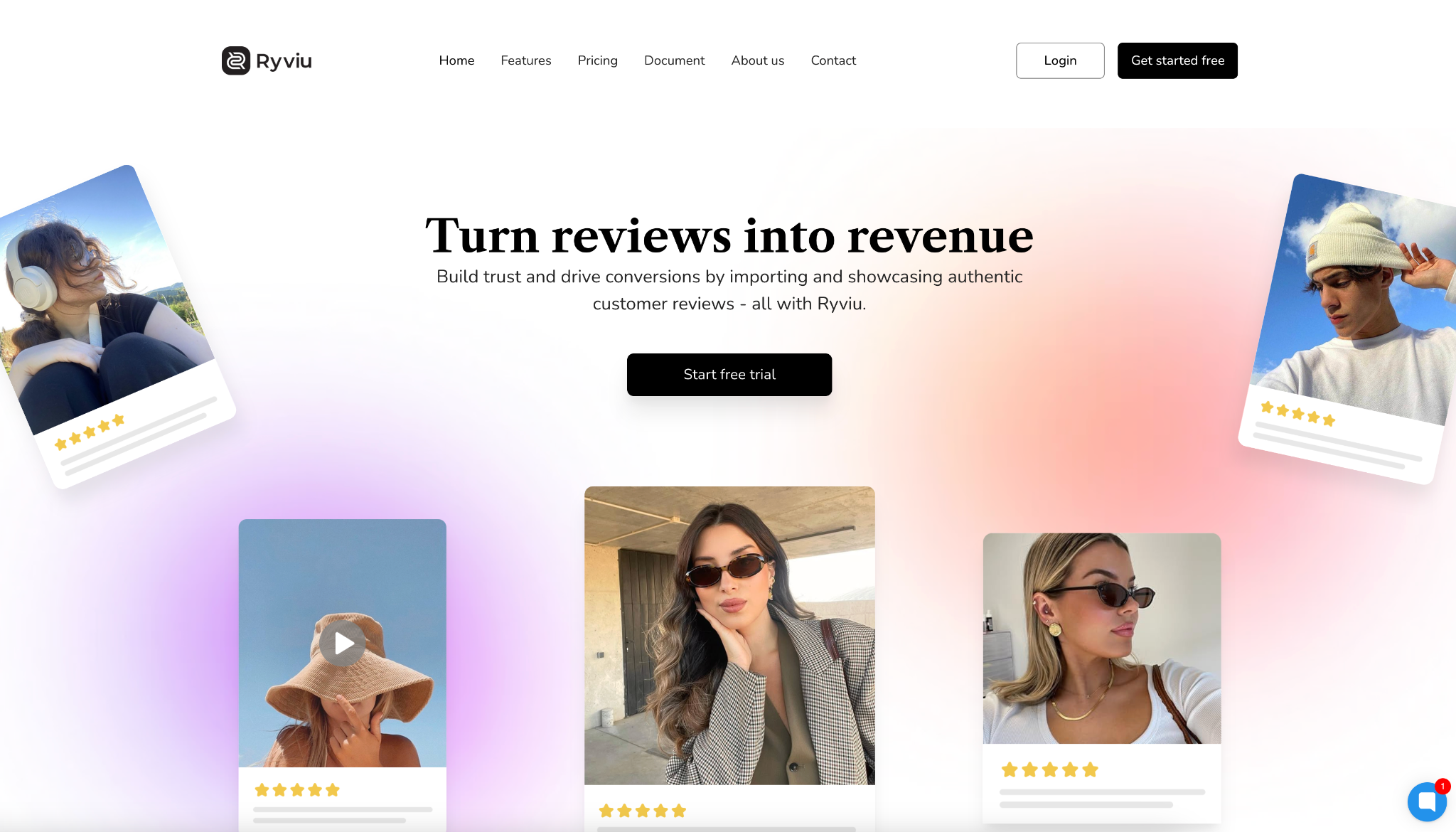
More importantly, having reviews centralized in one system makes it easier to identify patterns, such as repeated complaints, frequently mentioned benefits, or common questions. Instead of treating reviews as marketing assets only, businesses can use tools like Ryviu to turn review data into actionable customer insights.
Listening alone is not enough. The real advantage comes from what businesses do with the insights they collect.
Customer-focused companies:
Closing the feedback loop is critical. When customers see that their opinions lead to real changes, they become more engaged and more willing to share feedback in the future, creating a virtuous cycle of insight and improvement.
Over time, consistent customer listening shapes company culture. Teams become more customer-centric, decisions become more grounded, and innovation becomes more aligned with real needs. Brands that listen well adapt faster, build stronger reputations, and maintain relevance even as markets evolve.
In contrast, companies that ignore customer voices often rely on assumptions, leading to misaligned products and declining trust. In a world where customers have endless choices, not listening is a risk businesses can no longer afford.
Listening to customers is not just a support function or a marketing tactic, it is a strategic advantage. By actively gathering feedback, understanding customer needs, and turning insights into action, businesses can build better products, stronger relationships, and long-term differentiation.
In competitive markets, the brands that win are not always the loudest or the cheapest. They are the ones that listen most closely, and respond most thoughtfully, to the people they serve.