New to Shopify? Free trial, then $1/month for your first 3 months. Start free trial →
 Where is your store?
Ryviu works with both – pick yours to continue.








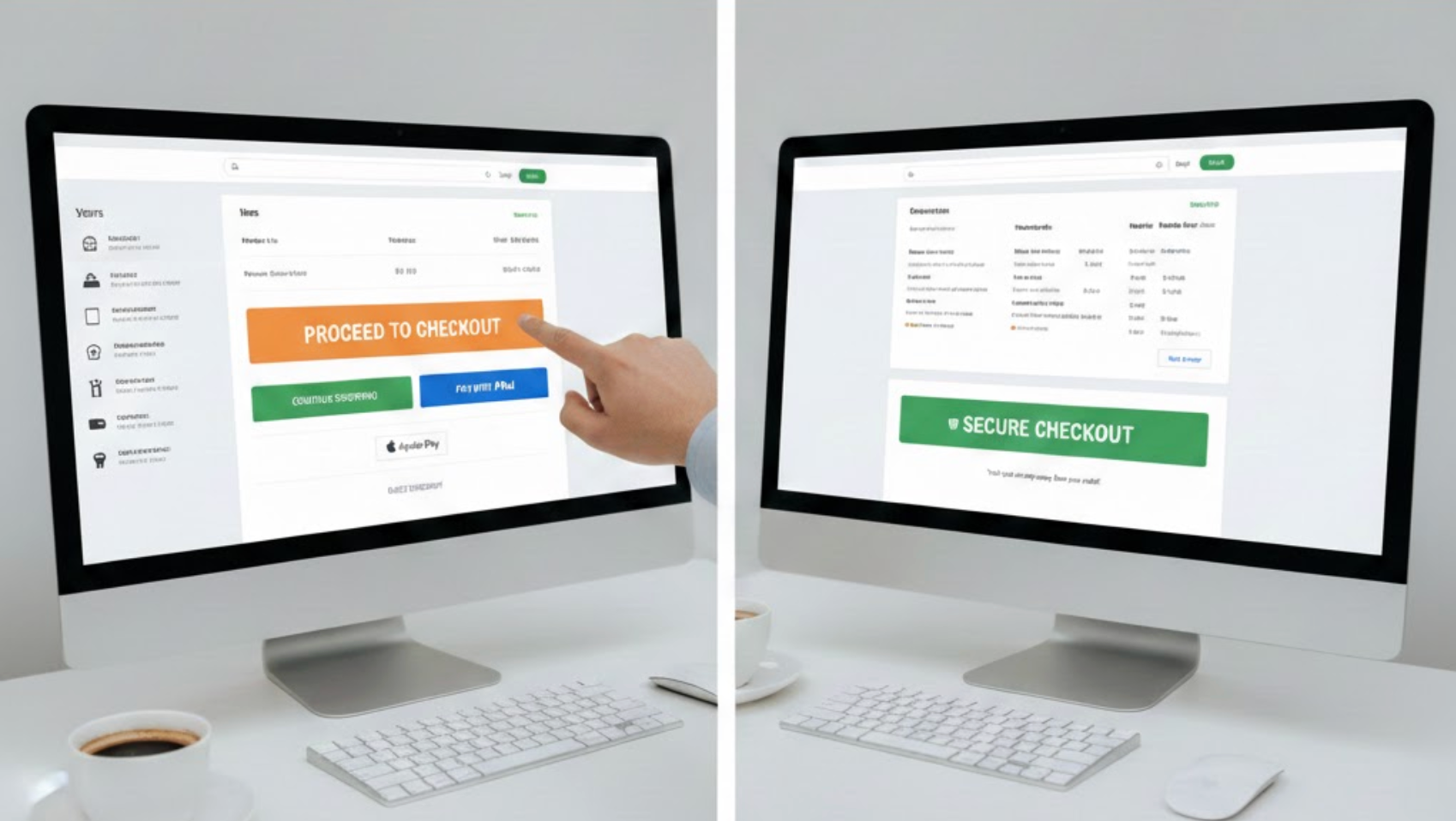
The cart page is one of the most decisive stages in the eCommerce funnel. By the time shoppers arrive here, they have already shown clear buying intent by selecting products and reviewing their choices. However, hesitation often peaks at this moment due to concerns about price, shipping costs, security, or uncertainty about the final commitment. This makes cart page Calls-to-Action (CTAs) a critical factor in determining whether a shopper completes the purchase or abandons the cart.
Well-optimized cart page CTAs do more than encourage checkout. They reassure customers, remove friction, and provide subtle guidance that helps shoppers feel confident about moving forward. When crafted strategically, these CTAs can significantly reduce abandonment rates, increase average order value, and create a smoother buying experience. This article explores the most effective cart page CTAs for eCommerce stores and explains how each one contributes to higher conversions.
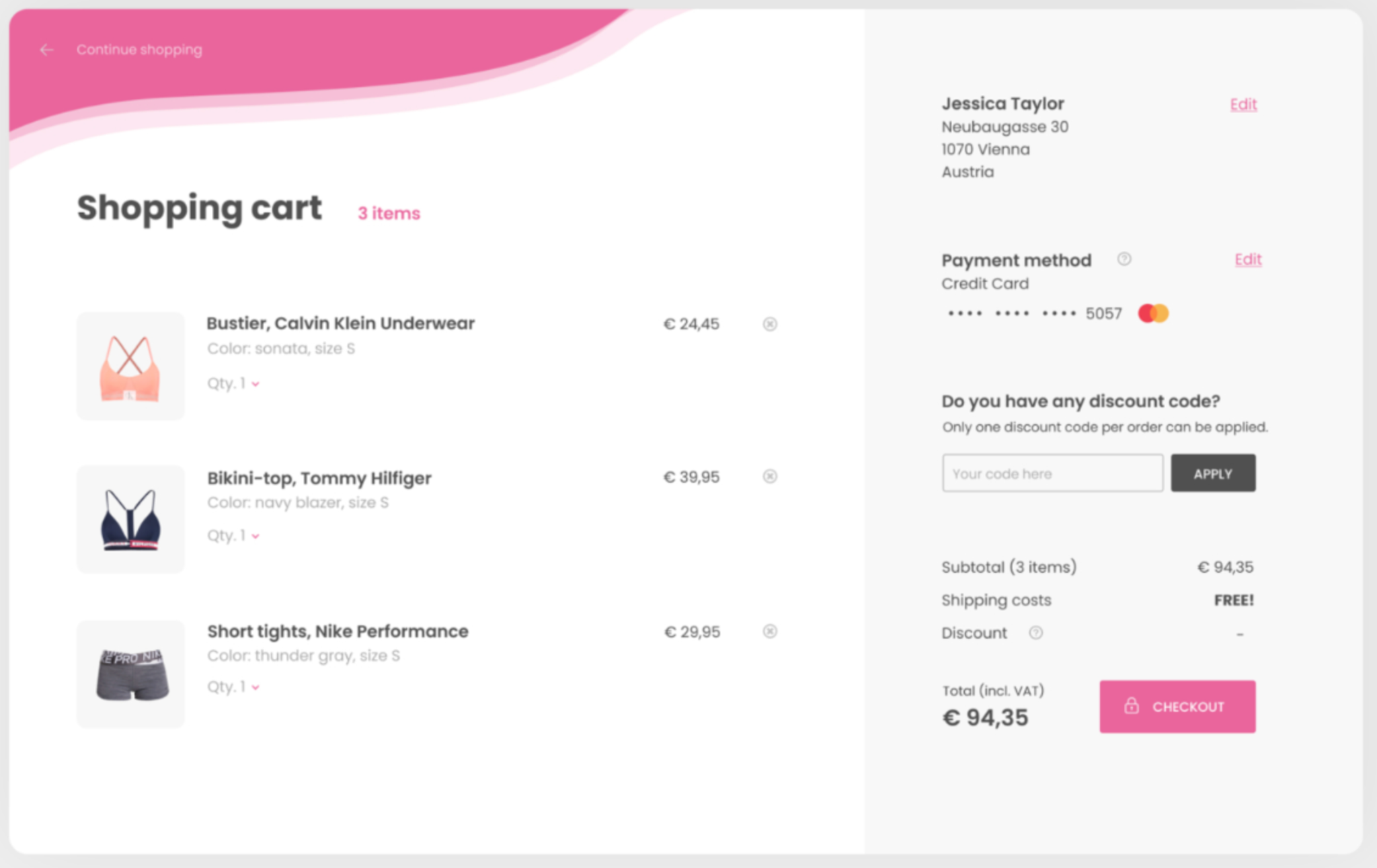
A cart page CTA is a prompt that encourages shoppers to take a specific action after reviewing the items in their cart. These actions can range from proceeding to checkout to continuing shopping, applying a discount, or saving items for later. Because the cart page sits directly between product selection and payment, CTAs at this stage must strike a careful balance between persuasion and reassurance.
Unlike CTAs on product or collection pages, cart page CTAs must address both emotional hesitation and practical concerns. Shoppers often pause here to evaluate shipping fees, return policies, and overall trustworthiness. Strong cart page CTAs subtly answer these concerns by emphasizing clarity, safety, and value, helping customers progress without feeling pressured.
“Proceed to Checkout” is the most fundamental and widely recognized cart page CTA. Its strength lies in its clarity, as shoppers immediately understand what will happen after clicking. This CTA performs best when it is visually dominant, placed near the order summary, and easy to access without excessive scrolling.
To increase its effectiveness, many eCommerce stores reinforce this CTA with reassuring microcopy that reduces perceived risk. Phrases such as “No payment required yet,” “Fast checkout,” or “Secure checkout ahead” help customers feel safe taking the next step. These small additions can significantly lower hesitation and make clicking feel like a low-risk decision.
Security-related concerns are a major cause of cart abandonment, especially for first-time buyers. The CTA “Checkout Securely” directly addresses this anxiety by emphasizing protection and trust. It signals to shoppers that their personal and payment information will be handled safely throughout the checkout process.
This CTA is most effective when supported by visible trust signals, such as SSL indicators, payment provider logos, or short privacy assurances. Together, these elements shift the shopper’s focus away from fear and toward confidence, making them more comfortable continuing with the purchase.
Urgency-based CTAs like “Buy Now” or “Complete Your Order” are designed to encourage immediate action. These CTAs are particularly effective for shoppers who are already close to making a decision but may be overthinking or delaying checkout. By creating momentum, they reduce friction caused by hesitation.
To avoid sounding too aggressive, these CTAs should be paired with gentle reassurance. Messaging that reminds shoppers they can still review their order or make changes before payment helps maintain trust while preserving the sense of urgency. When balanced correctly, these CTAs can significantly boost conversion rates.
Not every shopper is ready to check out right away, and “Continue Shopping” acknowledges this reality. This CTA allows customers to explore additional products without feeling forced into a decision, which can actually increase long-term conversions. Giving shoppers flexibility often builds trust and encourages them to return to the cart when they feel ready.
To maintain focus on conversion, this CTA should be visually secondary to the main checkout button. Its role is supportive rather than dominant, ensuring it doesn’t distract users who are already prepared to complete their purchase.
“Save for Later” appeals to shoppers who prefer time to think before committing. Instead of abandoning the cart entirely, customers can move items out of the active cart while keeping them accessible for future consideration. This reduces lost sales by offering an alternative to leaving the site.
When combined with features such as persistent carts or follow-up emails, this CTA becomes a powerful retention tool. It respects the customer’s decision-making process while keeping your products and brand within easy reach.
Many shoppers hesitate at the cart stage because they want reassurance that they are getting the best deal. CTAs like “Apply Discount” or “Have a Promo Code?” address this mindset directly by making promotions visible and easy to use. This transparency reduces frustration and prevents customers from leaving the site to search for coupons elsewhere.
Some stores enhance this CTA by automatically applying the best available offer or clearly stating when discounts are already included. This builds trust and reassures shoppers that they are not missing out on savings.
Unexpected shipping costs are one of the top reasons for cart abandonment. A CTA that highlights free shipping thresholds helps counter this issue by setting clear expectations and motivating action. Shoppers are more likely to proceed, or add an extra item, when they know exactly what is required to unlock free shipping.
When displayed near the checkout CTA and updated dynamically based on cart value, this message feels helpful rather than promotional. It turns shipping from a potential barrier into an incentive.
Risk-reversal CTAs reduce fear by reassuring shoppers that they won’t be stuck with a poor decision. Messages such as “Easy Returns” or “30-Day Money-Back Guarantee” communicate confidence in your products while removing a major psychological barrier to purchase.
These CTAs are particularly effective for industries where fit, quality, or personal preference play a large role. By addressing post-purchase concerns upfront, they help customers feel safe completing the transaction.
Social proof becomes especially powerful at the cart stage, when shoppers are seeking validation before committing. CTAs like “See Reviews” or “Trusted by Thousands of Customers” allow users to confirm their decision without disrupting the checkout flow.
When paired with visible star ratings or short review snippets, these CTAs reinforce credibility and reduce uncertainty. They remind shoppers that others have already purchased and been satisfied, which can be the final push toward checkout.
Scarcity-based CTAs create urgency by highlighting limited availability. Messages that indicate low stock levels encourage shoppers to act quickly rather than postpone their decision. This approach works best when the scarcity is real and clearly communicated.
Authentic inventory-based messaging builds trust while motivating faster action. When used responsibly, it adds urgency without relying on discounts or pressure tactics.
This personalized CTA turns hesitation into a clear goal by showing customers exactly how close they are to earning a benefit. By quantifying the remaining amount, it encourages shoppers to either proceed with checkout or add one more item to their cart.
Because this CTA feels informative and helpful, it often leads to higher average order values while maintaining a positive shopping experience.
Optimizing cart page CTAs requires a balance between persuasive messaging and user-friendly design. At this stage of the journey, shoppers are highly sensitive to clarity, trust, and visual cues that guide their next action. Even small inconsistencies or distractions can create hesitation and lead to cart abandonment.
To ensure cart page CTAs perform at their best, eCommerce stores should focus on the following best practices:
The cart page is where intent meets hesitation, making CTAs especially influential. The best cart page CTAs guide shoppers forward with clarity, reassurance, and value-driven messaging rather than pressure. By combining strong checkout prompts with friction-reducing and trust-building CTAs, eCommerce stores can dramatically improve checkout completion rates.
Ultimately, effective cart page CTAs are about understanding customer psychology. When CTAs feel helpful, transparent, and well-timed, completing a purchase becomes the most natural and confident next step for the shopper.