New to Shopify? Free trial, then $1/month for your first 3 months. Start free trial →
 Where is your store?
Ryviu works with both – pick yours to continue.








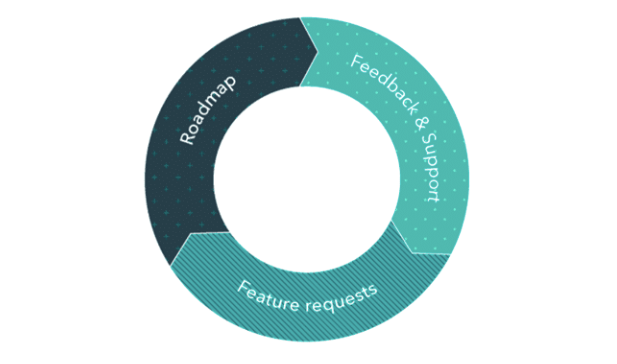
Behind every successful product is a roadmap that evolves over time. While internal vision, market research, and competitive analysis all influence this roadmap, one of the most powerful drivers of product direction is customer feedback. Every comment, complaint, suggestion, and review contains signals about what users truly need. When companies listen carefully, feedback becomes more than just a support tool—it becomes a guide for future innovation.
Product teams that integrate feedback into their planning processes often build features that resonate more strongly with users. Understanding how feedback shapes product roadmaps helps businesses transform real customer experiences into meaningful improvements and long-term growth.
Product teams often begin with assumptions about what users want. These assumptions may be based on research, trends, or internal expertise. However, once a product enters the market, real-world usage quickly reveals gaps between expectations and reality.
Customer feedback fills these gaps by offering direct insight into how people interact with a product. Users highlight what works well, what feels confusing, and what could be improved. This information provides a level of clarity that internal brainstorming alone cannot achieve.
Feedback plays an important role because it reflects authentic experiences. Customers are not thinking about product strategy when they leave comments—they are simply describing what helped or frustrated them. These honest observations allow product teams to identify patterns that might otherwise remain invisible.
When analyzed carefully, feedback can reveal:
Instead of guessing what users want next, product teams can use these insights to guide their roadmap decisions with greater confidence.
Not all feedback is immediately useful for product planning. Customers often express concerns in different ways, and individual opinions may not represent broader trends. The challenge for product teams is transforming large volumes of feedback into actionable insights.
This process usually begins with categorization. Comments and suggestions are grouped based on recurring themes. For example, feedback may relate to usability, performance, integrations, or pricing.
Once themes emerge, teams can analyze the frequency and impact of each issue. A single complaint may represent a unique situation, but repeated feedback from many users often signals a systemic problem.
Several key steps help convert feedback into roadmap insights:
This structured approach ensures that product decisions are based on meaningful patterns rather than isolated comments.
Customer reviews are often associated with marketing and social proof, but they also contain valuable information for product teams. Reviews capture immediate reactions from users who have already experienced the product in real-life situations.
Unlike structured surveys, reviews tend to be spontaneous and emotionally honest. Customers describe their experiences without prompts, which can reveal unexpected insights.
For example, reviews may highlight details that internal teams overlooked during development. A feature that seemed intuitive during testing might feel confusing to first-time users. Similarly, customers may discover creative ways to use a product that developers never anticipated.
Product teams can learn a great deal from review analysis, including:
When reviews are treated as a source of product intelligence rather than just marketing content, they become a powerful input for future development.
While feedback is valuable, not every suggestion should automatically become part of the roadmap. Product teams must balance customer requests with the broader vision of the product.
Customers often ask for features that solve their immediate needs, but these requests may not always align with long-term strategy. If every suggestion were implemented, products could become overly complex and difficult to maintain.
Successful teams evaluate feedback carefully by considering both user demand and strategic direction. A request may be popular, but if it conflicts with the product’s core purpose, it may not be the right investment.
Product leaders typically ask several questions when evaluating feedback-driven ideas:
Balancing these factors ensures that feedback informs decisions without completely controlling them.
Feedback is not only useful for fixing problems—it can also reveal opportunities for innovation. When product teams analyze patterns across many comments, they may discover unmet needs that competitors have not addressed.
Sometimes customers describe challenges that extend beyond the product itself. These comments can point toward new features, integrations, or entirely new product directions.
For example, repeated requests for better workflow management might inspire a new dashboard feature. Frequent questions about compatibility with other tools could lead to new integrations.
These insights often emerge when teams look beyond individual feedback and focus on broader trends. Patterns reveal where the product ecosystem might expand.
Product innovation often begins with questions like:
Answering these questions helps product teams design features that solve deeper problems rather than surface-level complaints.
Once insights are gathered, product teams must decide which improvements deserve priority. Roadmaps cannot include everything at once, so prioritization becomes essential.
Effective prioritization considers both customer value and development effort. Some improvements may deliver major benefits with minimal resources, while others require complex engineering work.
Teams often evaluate feedback-based initiatives using several criteria:
Balancing these factors helps ensure that roadmap decisions maximize value while maintaining realistic development timelines.
Prioritization also helps maintain transparency within organizations. When teams clearly explain why certain features are prioritized over others, stakeholders and customers gain a better understanding of the decision-making process.
The relationship between feedback and product development should not be one-directional. Strong companies create feedback loops that keep communication flowing between users and product teams.
When customers see their suggestions reflected in product updates, they feel heard and valued. This strengthens trust and encourages continued engagement.
Feedback loops often include:
These interactions turn customers into collaborators rather than passive users. Over time, this collaboration builds stronger communities around products.
Products that evolve with their users tend to remain relevant for longer periods. Customer needs change as technology, markets, and expectations evolve. Feedback ensures that product development stays aligned with these changes.
Ignoring feedback can lead to stagnation. When products fail to adapt, customers may seek alternatives that better meet their needs.
On the other hand, products shaped by consistent feedback often demonstrate:
Feedback-driven development creates a sense of partnership between companies and their users. Customers feel that their voices matter, while companies gain continuous guidance for improvement.
For feedback to truly shape product roadmaps, organizations must build a culture that values customer insight. This means treating feedback as a strategic asset rather than simply a support responsibility.
Product managers, designers, engineers, and marketers all benefit from understanding customer experiences. When teams regularly review feedback together, they gain a shared perspective on user needs.
A strong feedback culture often includes practices such as:
When feedback becomes part of everyday decision-making, product roadmaps naturally reflect real user priorities.
Customer feedback is far more than a collection of opinions—it is a powerful compass that guides product evolution. By carefully collecting, analyzing, and prioritizing feedback, product teams gain insights that shape smarter and more user-focused roadmaps. While feedback must be balanced with long-term vision, it remains one of the most reliable indicators of what truly matters to users.
Companies that listen closely and respond thoughtfully often create products that grow stronger with each iteration. In a rapidly changing digital landscape, feedback-driven development helps ensure that products continue to meet real needs while building lasting relationships with the customers they serve.