New to Shopify? Free trial, then $1/month for your first 3 months. Start free trial →
 Where is your store?
Ryviu works with both – pick yours to continue.









In today’s crowded eCommerce landscape, products alone are no longer enough to win customer trust. Shoppers increasingly rely on reviews as their primary decision-making tool, often valuing real customer experiences more than brand messaging. A review-first eCommerce strategy puts authentic feedback at the center of your store experience, turning reviews into a growth engine rather than an afterthought. When implemented correctly, this approach builds trust, improves conversion rates, and strengthens long-term customer relationships.
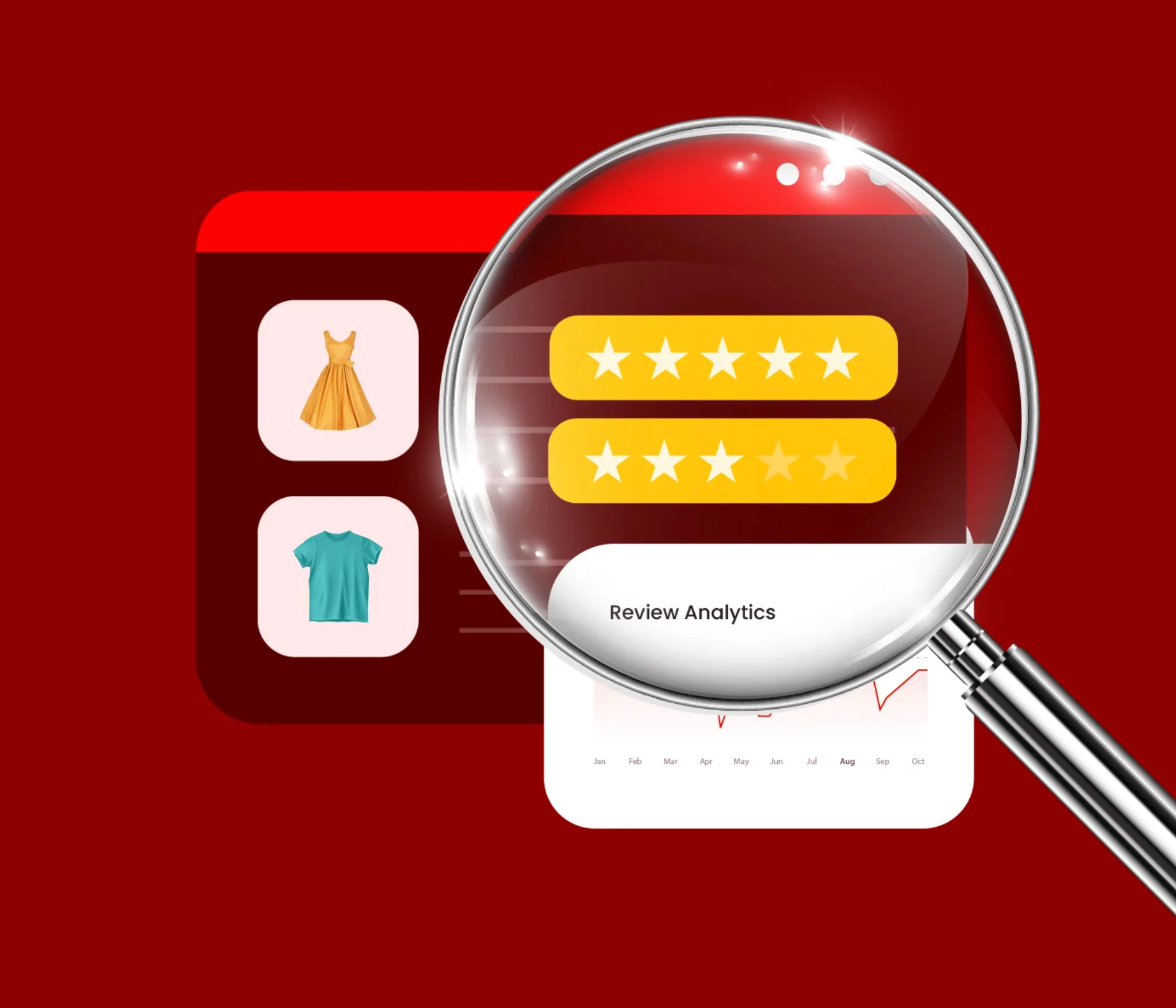
A review-first eCommerce strategy means designing your store, marketing, and customer journey around customer feedback from the very beginning. Instead of collecting reviews passively, you actively encourage, showcase, and optimize them across all touchpoints. Reviews are treated as core content, not just social proof hidden at the bottom of product pages.
This strategy aligns perfectly with modern shopping behavior, especially on platforms like Shopify, where customers compare multiple brands within minutes. By prioritizing reviews, you reduce hesitation, shorten the buying cycle, and increase confidence at critical decision points.
Reviews influence far more than just purchase decisions. They impact search visibility, brand perception, and customer lifetime value. A store that consistently highlights honest feedback signals transparency and credibility, two factors that shoppers value deeply.
More importantly, reviews provide ongoing insights into customer needs, objections, and expectations. When reviews lead your strategy, you’re not guessing what customers want, you’re listening directly to them and adapting in real time.
A review-first strategy begins with visibility and placement. Customers should see reviews immediately when they land on your store or product pages, not after scrolling endlessly. Early exposure to social proof reduces doubt and builds confidence before shoppers compare alternatives.
To make this effective, your store design must treat reviews as core content rather than decorative elements. This means reviews should naturally guide attention as shoppers explore your products.
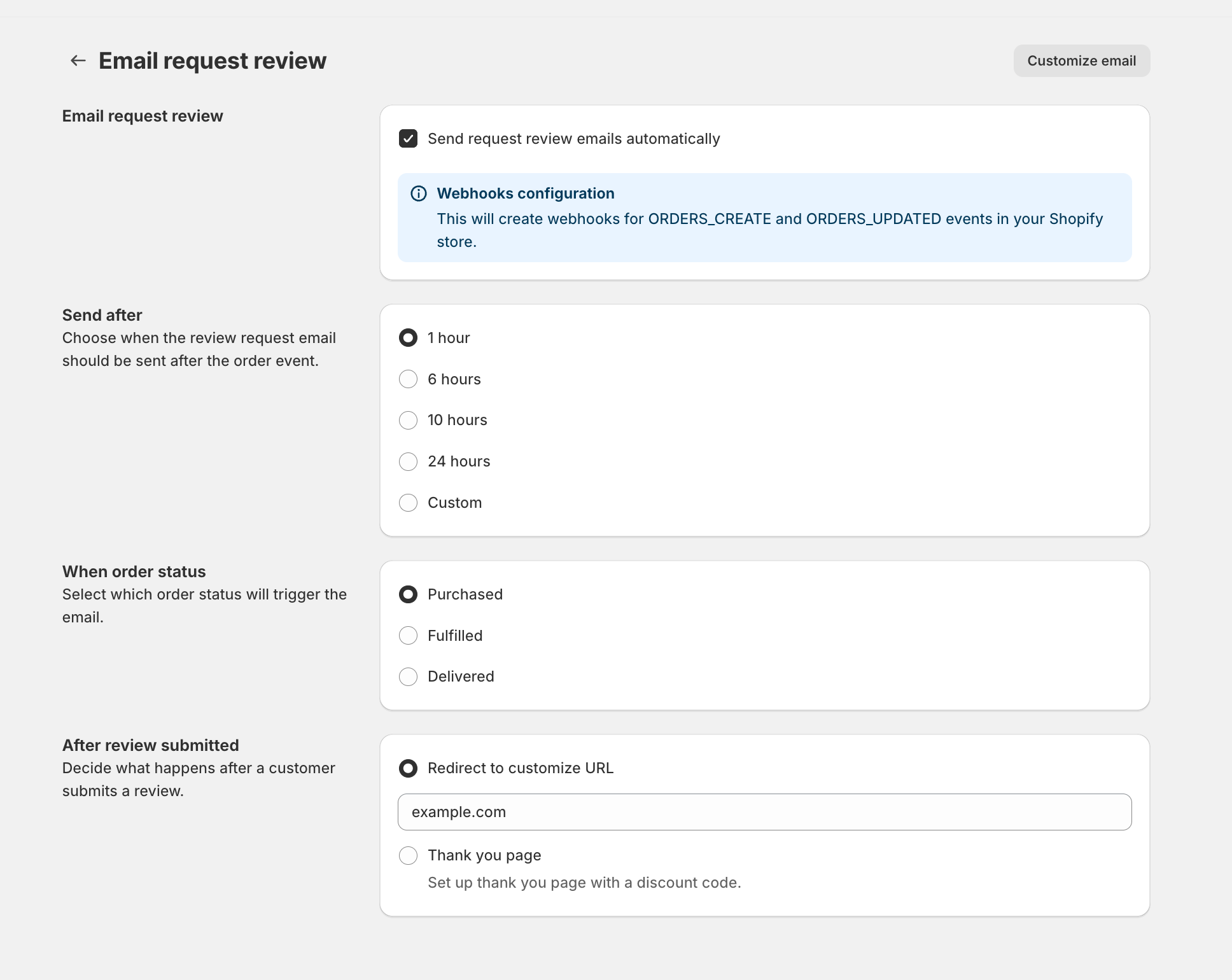
A strong review-first approach depends on consistent and intentional review collection. Waiting for customers to leave reviews on their own often leads to low volume and biased feedback. Proactive collection ensures a steady flow of diverse and authentic customer voices.
The goal is not just more reviews, but better reviews that help future shoppers make informed decisions.
By improving how and when you ask, you improve both quantity and quality.
Reviews should work as persuasive content throughout your store, not sit quietly at the bottom of pages. Real customer stories often answer questions that product descriptions cannot. When shoppers see others explain benefits in their own words, hesitation drops significantly.
Treating reviews as content allows them to actively influence buying decisions across multiple touchpoints.
This turns customer feedback into a continuous conversion tool.
A review-first strategy listens as much as it displays. Reviews reveal recurring objections, feature requests, and expectations that may not appear in analytics alone. Ignoring these insights means missing valuable opportunities to improve.
When review data informs decisions, your store becomes more customer-driven and adaptive.
This feedback loop strengthens both products and messaging over time.
As your store grows, managing reviews manually becomes inefficient and risky. Scaling requires automation without sacrificing authenticity or transparency. The right tools help maintain trust while increasing reach and impact.
Platforms like Shopify stores benefit greatly from dedicated review solutions.
Using tools such as Ryviu allows merchants to build and manage review-first strategies at scale.
A review-first eCommerce strategy transforms customer voices into your most powerful sales asset. By designing around reviews, collecting them intentionally, and using them strategically, you build trust at every stage of the journey. In competitive eCommerce markets, letting customers speak first is often what sets winning brands apart.