 New to Shopify? Free trial, then $1/month for your first 3 months. Start free trial →
 Where is your store?
Ryviu works with both – pick yours to continue.








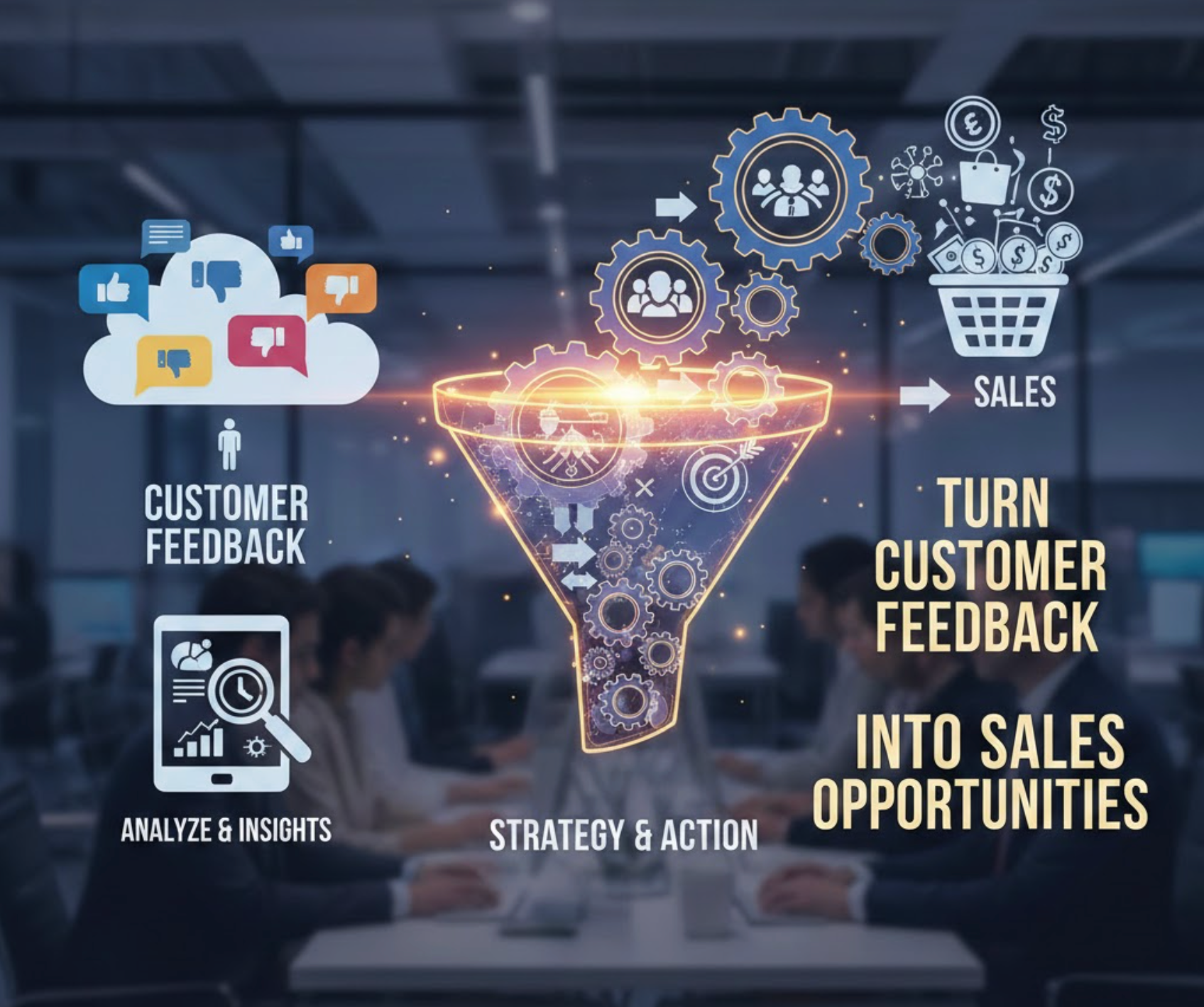
Customer feedback is one of the most powerful yet underleveraged assets in eCommerce. While many online stores collect reviews, ratings, and comments, only a small percentage actively use that feedback to influence buying decisions or generate more revenue. In reality, customer feedback reveals motivations, objections, expectations, and unmet needs, everything a business needs to sell more effectively.
When analyzed and applied correctly, feedback doesn’t just improve products, it directly impacts conversions, average order value, retention, and brand trust. This article explores how to strategically turn customer feedback into real sales opportunities at every stage of the customer journey.
Customer feedback comes in many forms, and each type serves a different strategic purpose. Understanding these differences helps you extract actionable insights instead of treating all feedback the same.
Common feedback sources include:
Product reviews often highlight specific benefits or deal-breakers, while support conversations expose friction points that block purchases. Social feedback, on the other hand, reveals emotional reactions and brand perception. By grouping feedback into categories such as pricing, quality, delivery, usability, or customer service, you can clearly identify patterns that influence sales behavior.
The more structured your feedback analysis is, the easier it becomes to turn insights into revenue-driving actions.
Customer reviews frequently explain why someone decided to buy, and what almost stopped them from doing so. These moments of hesitation and reassurance are pure sales gold.
Look closely for recurring phrases such as:
These statements reveal buying triggers like trust, problem-solving, social proof, or perceived value. Once identified, these insights can be reused in product descriptions, landing pages, ads, and email campaigns.
When future shoppers see real customers expressing the same doubts they have, and explaining how those doubts were resolved, it dramatically reduces friction and speeds up purchase decisions.
Negative feedback is often seen as something to hide, but in reality, it can be one of the strongest conversion tools when handled correctly.
Critical reviews help you:
When customers see a mix of positive and negative reviews, with thoughtful responses from the brand, they trust the store more. Publicly addressing issues, offering solutions, or explaining improvements shows accountability and builds confidence.
You can even turn negative feedback into proactive sales content by addressing common complaints directly on product pages or FAQs. This reassures hesitant buyers before they abandon the purchase.
Your product pages should reflect what customers care about, not just what the brand wants to say. Customer feedback is the fastest way to discover what truly resonates.
High-converting product pages often include:
Feedback-driven content reduces uncertainty and answers questions shoppers may not even realize they have yet. It also shortens the decision-making process by replacing marketing claims with real-world experiences.
When customers see proof instead of promises, confidence rises, and conversions follow.
Customer feedback is an excellent foundation for more personalized and relevant marketing campaigns. Instead of guessing what matters, you can speak directly to real customer needs.
Feedback can be used to:
Using the same language customers use in reviews makes marketing messages feel more authentic and relatable. This increases open rates, click-through rates, and overall campaign performance.
The closer your messaging aligns with customer reality, the more effective it becomes.
One of the most overlooked opportunities in customer feedback is closing the loop, letting customers know their voices actually influenced change.
You can do this by:
This approach strengthens emotional loyalty and makes customers feel invested in your brand. When people see that their opinions matter, they are more likely to return, recommend your store, and leave future feedback.
Repeat customers don’t just buy more, they also help generate new sales through trust and advocacy.
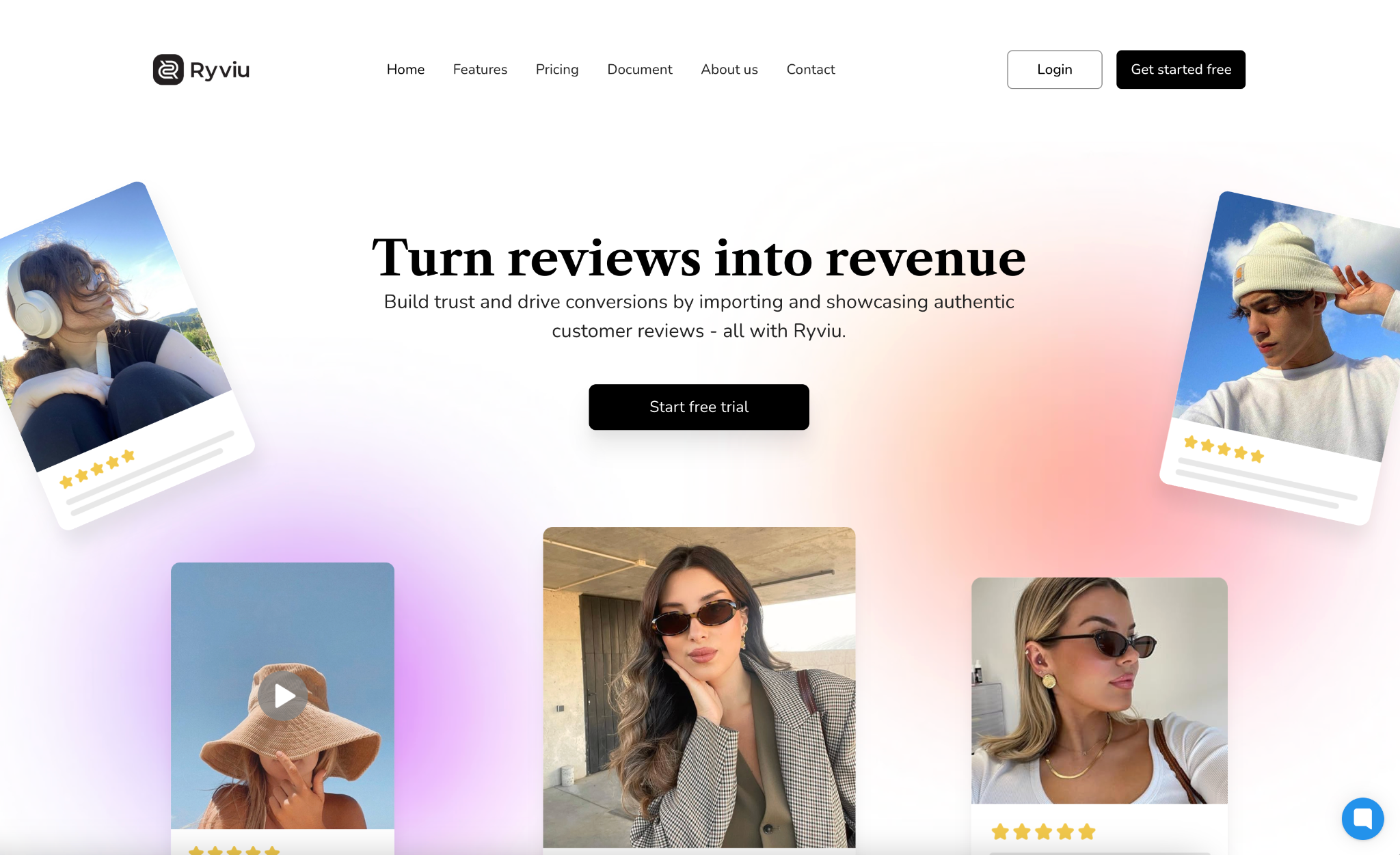
As your store grows, manually collecting, organizing, and leveraging customer feedback becomes increasingly difficult. Reviews pile up across channels, valuable insights get buried, and opportunities to influence buying decisions are often missed. To truly scale feedback into sales, you need a system that not only gathers reviews, but turns them into conversion-driving assets automatically.
Ryviu is designed to bridge this gap between feedback collection and revenue generation. Instead of treating reviews as passive content, Ryviu helps you actively use customer voices to influence shopper behavior at critical decision points.
With Ryviu, eCommerce stores can:
What truly sets Ryviu apart is how it transforms raw feedback into structured social proof. By surfacing reviews that address common objections, such as quality concerns, sizing issues, or shipping expectations, Ryviu helps reduce hesitation before it turns into abandonment.
Additionally, Ryviu’s clean, customizable review displays ensure feedback enhances the shopping experience rather than distracting from it. Reviews feel native to your brand, reinforcing trust without overwhelming shoppers with unnecessary information.
By automating feedback collection and presentation, Ryviu allows store owners to focus less on managing reviews and more on using them strategically. The result is a scalable feedback-to-sales system that builds trust, increases conversion rates, and turns everyday customer opinions into long-term revenue growth.
Customer feedback is far more than a reputation tool, it’s a direct driver of sales growth. When businesses listen carefully, identify patterns, and apply feedback strategically across product pages, marketing, and customer experience, sales opportunities naturally emerge.
Instead of constantly chasing new traffic, focus on extracting more value from the voices you already have.
Your customers are telling you how to sell better, you just need to start listening and acting on it.




