New to Shopify? Free trial, then $1/month for your first 3 months. Start free trial →
 Where is your store?
Ryviu works with both – pick yours to continue.








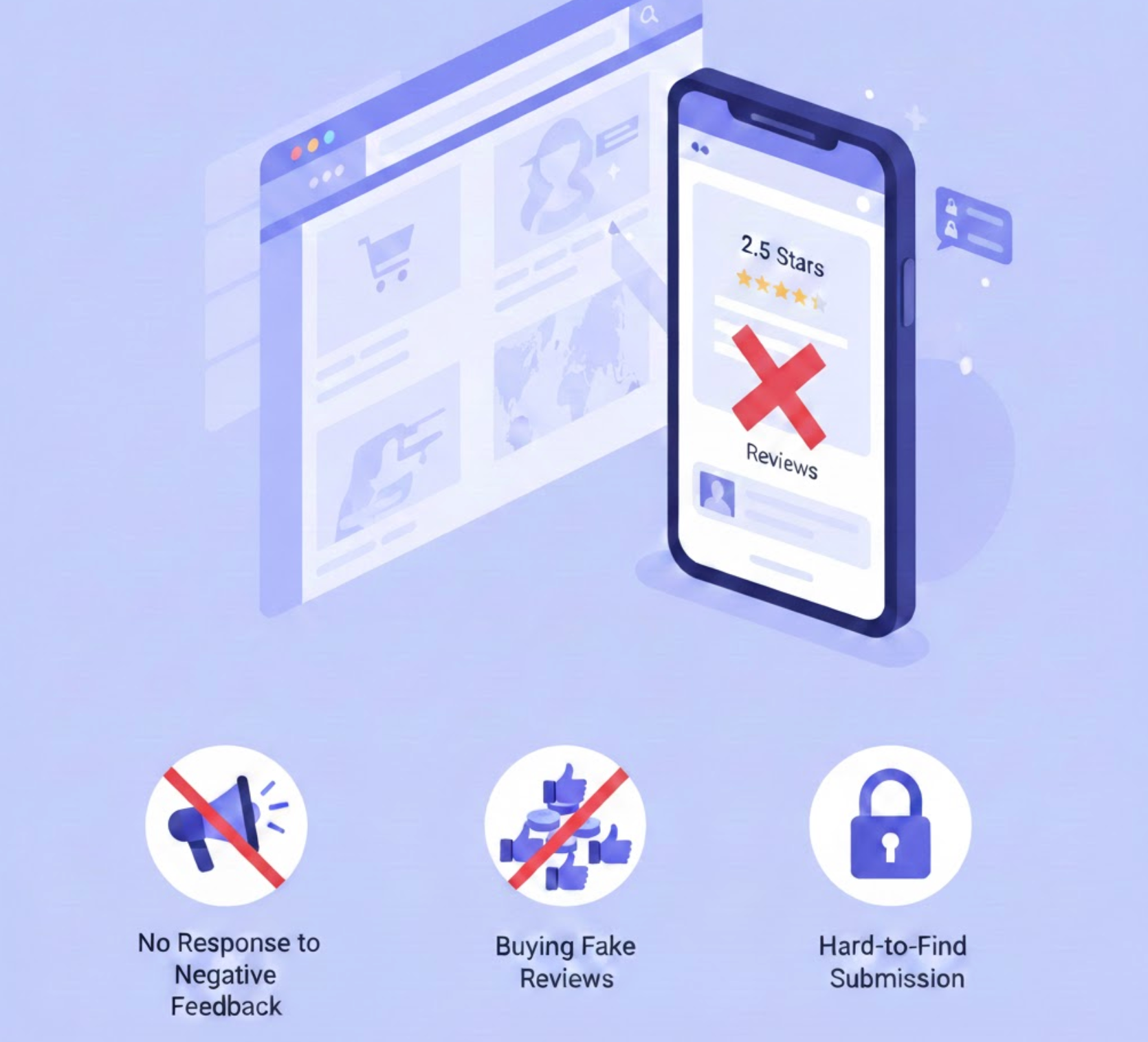
Product reviews are one of the most powerful trust signals in eCommerce. For many shoppers, reviews matter just as much as price or product descriptions when deciding whether to buy. However, simply collecting reviews isn’t enough. Many online stores, especially those running on platforms like Shopify, unknowingly make critical mistakes that reduce the impact of their reviews or even damage customer trust.
Below are the most common product review mistakes stores make, along with clear explanations of why they hurt conversions and how to fix them.
One of the biggest mistakes stores make is removing or hiding negative reviews to maintain a “perfect” rating. While this may seem helpful in the short term, it often backfires. Shoppers are increasingly skeptical, and a product with only five-star reviews can look unrealistic or manipulated.
Negative reviews, when handled properly, actually increase credibility. They show transparency and give potential customers a balanced view of the product. The key is not to eliminate negative feedback but to respond to it professionally and use it as an opportunity to demonstrate strong customer service.
How to avoid this mistake:
Collecting reviews without responding to them, especially negative ones, sends the message that the store doesn’t care. Customers expect engagement, not silence. A lack of response can make even minor complaints feel more serious than they actually are.
Public replies show that your brand listens, values feedback, and takes responsibility. Even a short, thoughtful response can significantly improve brand perception and customer trust.
How to avoid this mistake:
Another common issue is hiding reviews deep within product pages or placing them below long descriptions where shoppers rarely scroll. If reviews are difficult to find, they lose their influence during the decision-making process.
Reviews should support buyers exactly when they’re evaluating a product. If shoppers can’t easily see them, the trust-building power of reviews is wasted.
How to avoid this mistake:
Many stores gather hundreds of reviews but limit their use to product pages only. This is a missed opportunity. Reviews can strengthen marketing campaigns, improve ads, and enhance social proof across multiple channels.
User-generated content is often more persuasive than brand-created messaging. When reviews are reused strategically, they can increase click-through rates and conversions beyond the product page.
How to avoid this mistake:
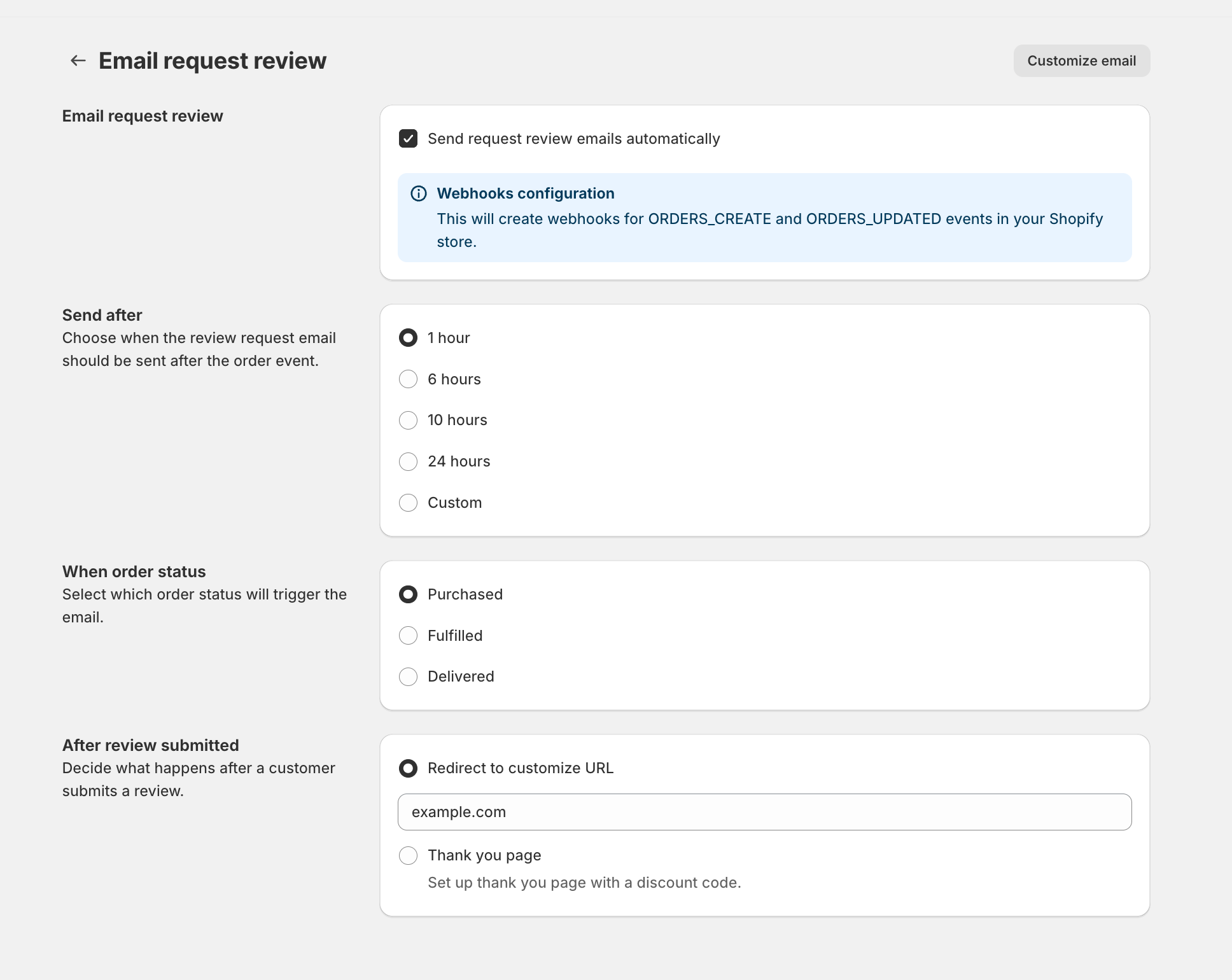
Timing matters when requesting reviews. Asking too early, before customers have had time to use the product, often results in low-quality or rushed feedback. Asking too late increases the chance customers will forget or ignore the request entirely.
The best reviews come from customers who have had enough time to experience the product but are still emotionally engaged with the purchase.
How to avoid this mistake:
Not all reviews are equally helpful. Short, vague comments like “Good product” don’t provide much value to future buyers. Stores that don’t guide customers on what to write often end up with low-impact reviews that fail to answer common buyer questions.
Structured reviews help shoppers understand product benefits, drawbacks, and real-world use cases more clearly.
How to avoid this mistake:
Some stores view reviews as something that’s collected once and forgotten. In reality, reviews should be an evolving asset that grows with your business. Trends in feedback can reveal product issues, opportunities for improvement, or even new marketing angles.
Failing to analyze review data means missing valuable insights that could improve both products and customer experience.
How to avoid this mistake:
Even when stores understand the importance of reviews, many struggle to manage them efficiently. Manual moderation, scattered feedback, and limited customization often lead to inconsistent review displays and missed opportunities to build trust. This is where using a dedicated review solution becomes essential, especially for growing stores that need automation without losing authenticity.
Ryviu is designed to help stores avoid many of the common mistakes mentioned above by centralizing review collection, display, and optimization. Instead of treating reviews as passive content, Ryviu enables merchants to turn customer feedback into a strategic conversion asset.
How Ryviu helps stores avoid review-related mistakes:
By using Ryviu, stores can manage reviews more effectively, maintain transparency, and ensure that customer feedback actively contributes to higher conversions and stronger brand credibility, rather than becoming an overlooked or mismanaged resource.
Product reviews can either strengthen or weaken your brand, depending on how they’re managed. The most common mistakes, such as hiding negative feedback, ignoring customer responses, or underutilizing reviews, often stem from seeing reviews as a risk instead of an opportunity.
When handled transparently and strategically, reviews become a powerful engine for trust, engagement, and long-term growth. By avoiding these mistakes and treating reviews as a core part of your eCommerce strategy, stores can turn customer feedback into a competitive advantage rather than a liability.