New to Shopify? Free trial, then $1/month for your first 3 months. Start free trial →
 Where is your store?
Ryviu works with both – pick yours to continue.









Understanding what motivates customers to buy is one of the most valuable insights you can gain in ecommerce. While analytics tools can show you traffic, clicks, and time on page, they don’t always reveal why customers are browsing or what they are actually planning to buy. That’s where wishlists become incredibly powerful.
A wishlist is more than just a place for shoppers to save products they like, it is a behavioral signal that shows what customers truly desire, what they’re unsure about, and what they may return to purchase later. When used strategically, wishlist data can help you predict buying patterns, identify high-intent shoppers, and design marketing that aligns perfectly with customer needs.
Buyer intent describes the likelihood that a shopper will complete a purchase. It’s essentially a measurement of how close someone is to converting. Some users browse with no specific plan, while others actively search for items they plan to buy soon.
Understanding buyer intent helps you:
Wishlists are one of the clearest signals of buyer intent because they reflect deliberate actions, customers actively choose the products they want to keep track of, not just casually view.
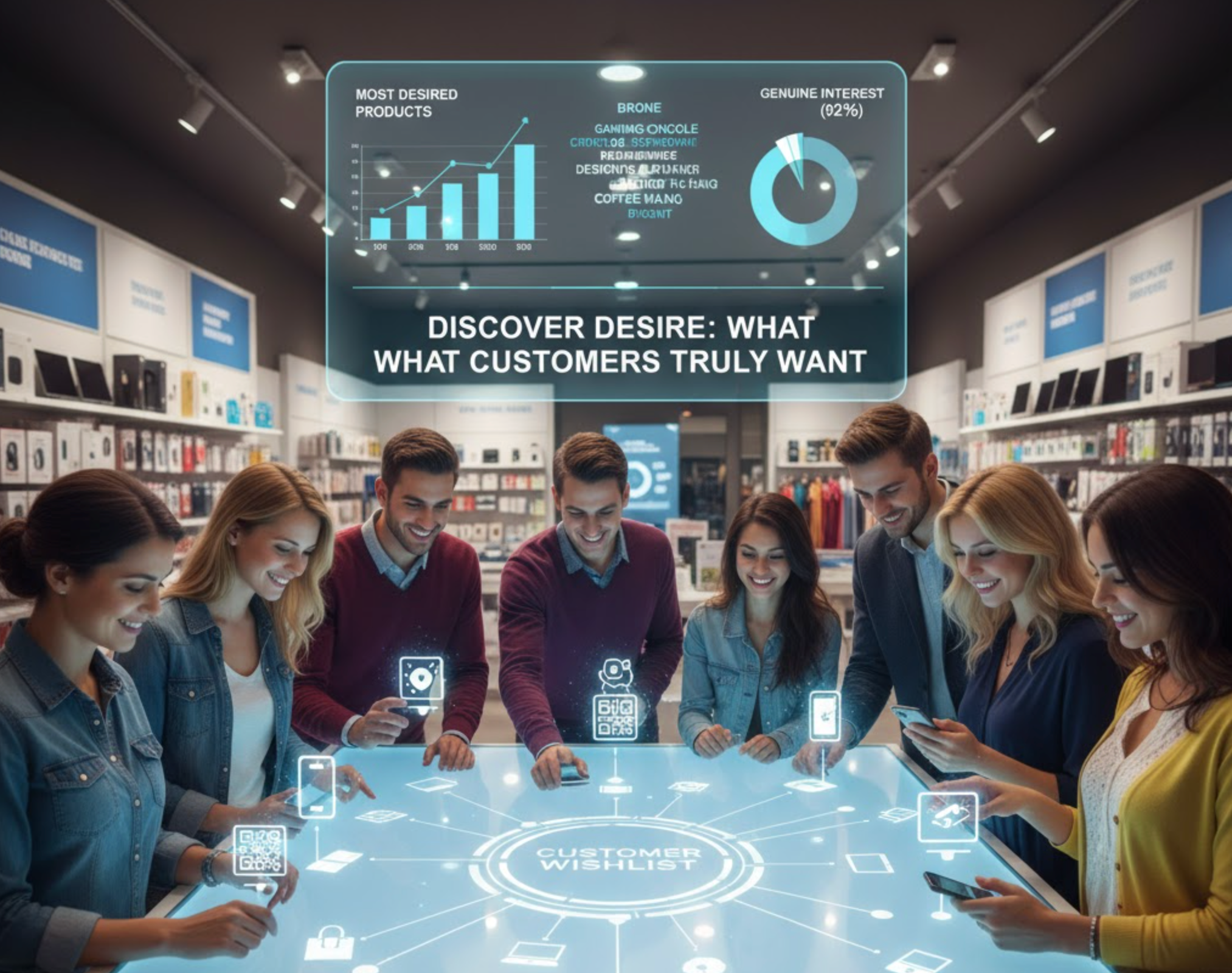
When a customer adds something to a wishlist, they’re telling you, “This caught my eye and it matters to me.”
This action is far deeper than a page visit because it reflects conscious interest. Most shoppers only add items they’re seriously considering, so wishlist data often becomes one of the best indicators of future sales.
You can use this data to identify:
This helps you prioritize inventory, promotions, and even future product development.
Not all wishlist items represent the same level of intent. The strength of intent often depends on the customer’s behavior afterward.
For example:
By tracking activity patterns, merchants can categorize customers into levels of intent, high, medium, or low, and target them accordingly.
Wishlists highlight pricing barriers more clearly than almost any other metric.
When shoppers add items without purchasing immediately, it often means:
Monitoring wishlist behavior helps you decide:
This allows you to increase conversions without randomly discounting products.
Personalized campaigns based on wishlist behavior perform significantly better because they speak directly to the shopper’s interests.
With wishlist data, you can create:
These targeted messages feel relevant rather than intrusive, increasing open rates, click-through rates, and conversions.

Before customers purchase, they usually first add items to their wishlist. This creates a valuable early signal of market trends.
Wishlist data helps you:
For example, if hundreds of customers add summer dresses to their wishlist in early spring, you know demand will rise soon, even before sales increase.
Wishlists also help you understand why customers haven’t purchased something yet.
Common friction points include:
By comparing wishlist numbers with actual sales, you can identify which products need attention. If an item is saved frequently but rarely purchased, something is preventing customers from moving forward, and wishlist analytics help you pinpoint the issue.
Wishlists encourage customers to return to your store repeatedly. Each return visit is a sign of escalating intent.
Customers return because they want to:
These repeated interactions indicate the shopper is getting closer to making a decision. By combining wishlist insights with retargeting strategies (email, push notifications, or ads), you can guide them from consideration to purchase.
If many people save an item but don’t buy it, revisit the product page with questions like:
Wishlist-to-purchase ratios are one of the best indicators of which products need page improvements.
Wishlist data shows what customers plan to buy, not just what they’ve already purchased.
Use it to:
This reduces inventory costs and increases sell-through rates.
Wishlist behavior lets you divide your customers into intent groups.
Examples include:
Each group can be targeted with highly effective personalized messages.
Automations triggered by wishlist actions are extremely effective.
You can set up automations for:
These campaigns convert because they are personalized and timely.

On your product pages, you can display dynamic signals such as:
These messages build social proof and urgency simultaneously, pushing customers toward faster decisions.
Wishlists are far more powerful than many store owners realize. They reveal emotional desires, purchase readiness, price barriers, and emerging trends long before sales data does. By studying wishlist behavior, you gain an inside look into what customers want, when they’ll buy, and what influences their decision-making process.
From personalization to inventory planning, from product page optimization to targeted remarketing, wishlist insights can significantly elevate your ability to understand buyer intent and increase conversions. For Shopify merchants, implementing and analyzing wishlist activity isn’t just an enhancement, but it’s a competitive advantage.