New to Shopify? Free trial, then $1/month for your first 3 months. Start free trial →
 Where is your store?
Ryviu works with both – pick yours to continue.









In the fast-moving world of eCommerce, urgency can make the difference between a customer clicking “Buy Now” or leaving your store with an abandoned cart. Done right, urgency nudges customers to act quickly, helping boost conversions and reduce hesitation. But done wrong, it can feel manipulative, pushy, and even damage your brand reputation. That’s where stock alerts come in.
Unlike gimmicky tactics, stock alerts are both helpful and effective: they inform customers about product availability while naturally creating scarcity-driven motivation. In this guide, we’ll explore how to use stock alerts to create urgency without pressuring customers, with strategies that keep trust and loyalty intact.
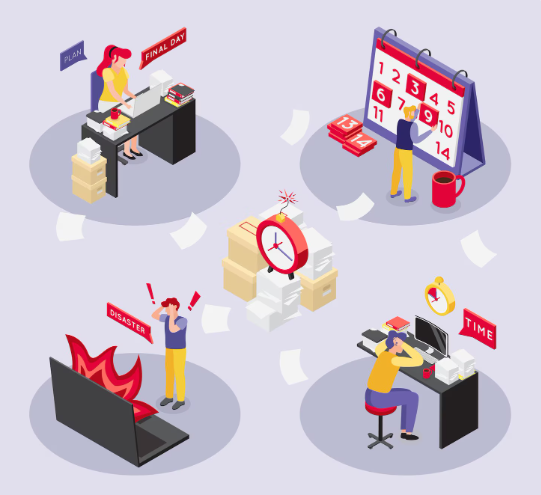
Urgency works because of a basic human instinct: people don’t want to miss out. Psychologists call this FOMO (fear of missing out), and it’s especially powerful when shopping online. Customers often face decision fatigue, comparing multiple products, checking reviews, and debating whether they really need something. An alert that says “Only 3 left in stock” cuts through that hesitation, signaling that the opportunity won’t last forever.
The psychology here is twofold:
But urgency must feel authentic. If every product on your site always shows “Only 2 left!”—even for items you clearly restock weekly—customers will sense manipulation. Genuine urgency builds trust, while fake scarcity erodes it. Stock alerts work well because they’re rooted in real-time inventory data. Instead of pressuring customers, they provide information that empowers decision-making.
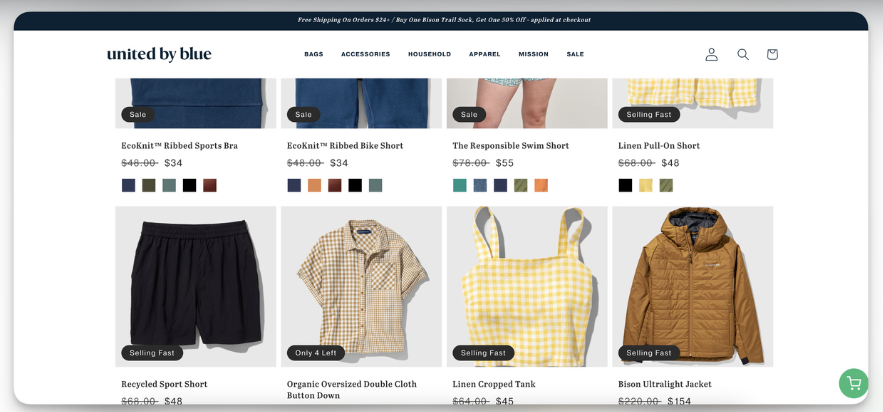
Stock alerts are notifications that inform customers about the availability—or scarcity—of products. They typically come in two forms:
These alerts serve a dual purpose. On the one hand, they motivate customers to act quickly before an item runs out. On the other, they provide transparency and help manage expectations. Instead of leaving customers disappointed by an out-of-stock message at checkout, alerts give them information earlier in the journey.
Real-world stores often place low-stock alerts directly under the “Add to Cart” button, or include restock sign-up forms when an item sells out. The message is subtle but effective: it says, “This item is popular, and if you want it, now is the time to act.”
Low-stock alerts can be powerful, but their success depends on how you implement them. Done poorly, they can feel like scare tactics. Done well, they build urgency while respecting the customer’s decision-making process.
Here are some best practices to follow:
For example, imagine a fashion retailer highlighting “Only 3 dresses left in this size.” That’s helpful because it’s specific, relevant, and timely. Compare that to a generic “Low stock!” message on every product, which quickly loses credibility.
Out-of-stock products are often seen as a disappointment for shoppers—but they’re also a golden opportunity. Back-in-stock alerts allow merchants to turn that frustration into anticipation and loyalty. Instead of losing a potential sale, you invite customers to be the first to know when the item is available again.
Here’s how they add value:
Back-in-stock alerts also provide valuable data. If hundreds of people sign up for notifications on a single product, that tells you demand is strong, guiding future purchasing decisions.
A good example is in the sneaker industry. Limited releases often sell out fast, but brands use restock alerts to re-engage their audience. Customers appreciate being notified directly, and the brand builds excitement every time the alert goes out.
Stock alerts are effective on their own, but they can be even more powerful when combined with other urgency and social proof strategies. The key is to layer these techniques in a way that feels natural and helpful.
Some effective combinations include:
These combinations work because they address different psychological triggers. Scarcity makes people act quickly, time limits reduce procrastination, and social proof reassures them that others are also making the same decision.
But restraint is critical. If you bombard customers with alerts, timers, and pop-ups, you risk overwhelming them. The goal is to gently guide action, not to pressure.
While stock alerts can be effective, misusing them can backfire. Customers today are sensitive to tactics that feel manipulative, so it’s important to avoid common pitfalls.
The bottom line: urgency should enhance the shopping experience, not harm it. Transparency, truthfulness, and timing matter far more than flashy messages.
Urgency is one of the most powerful levers in eCommerce—but it’s also one of the easiest to misuse. Stock alerts strike the perfect balance between effectiveness and respect for your customers. By giving shoppers accurate, timely information about product availability, you create natural scarcity that drives action without crossing into manipulation.
Whether it’s low-stock notifications nudging a decision or back-in-stock alerts rekindling interest, these strategies add value at every stage of the customer journey. Combined with other subtle urgency tactics and implemented with care, they can lift sales while strengthening trust. In a crowded market, that trust is what keeps customers coming back. Urgency should never feel pushy—it should feel like good service. With stock alerts, you get both.