New to Shopify? Free trial, then $1/month for your first 3 months. Start free trial →
 Where is your store?
Ryviu works with both – pick yours to continue.








Launching a new Shopify store is not just about adding products, but it’s about building trust, understanding customer behavior, and guiding visitors toward their first purchase. For beginners, choosing apps that are free to start, easy to set up, and immediately impactful is essential. The following Shopify apps cover the most critical areas every new store needs: social proof, product sourcing, visuals, video content, analytics, communication, and retention.
When launching a new Shopify store, merchants are not searching for the most advanced or feature-heavy apps, they are looking for tools that solve immediate problems with minimal risk. At this early stage, budgets are limited, traffic is low, and every decision needs to support learning, testing, and early traction. The best apps for new stores are those that deliver value quickly without locking merchants into complex workflows or long-term commitments.
More importantly, new store owners prioritize apps that help them look trustworthy, operate efficiently, and grow step by step as their business evolves.
Key qualities new Shopify stores look for in apps include:
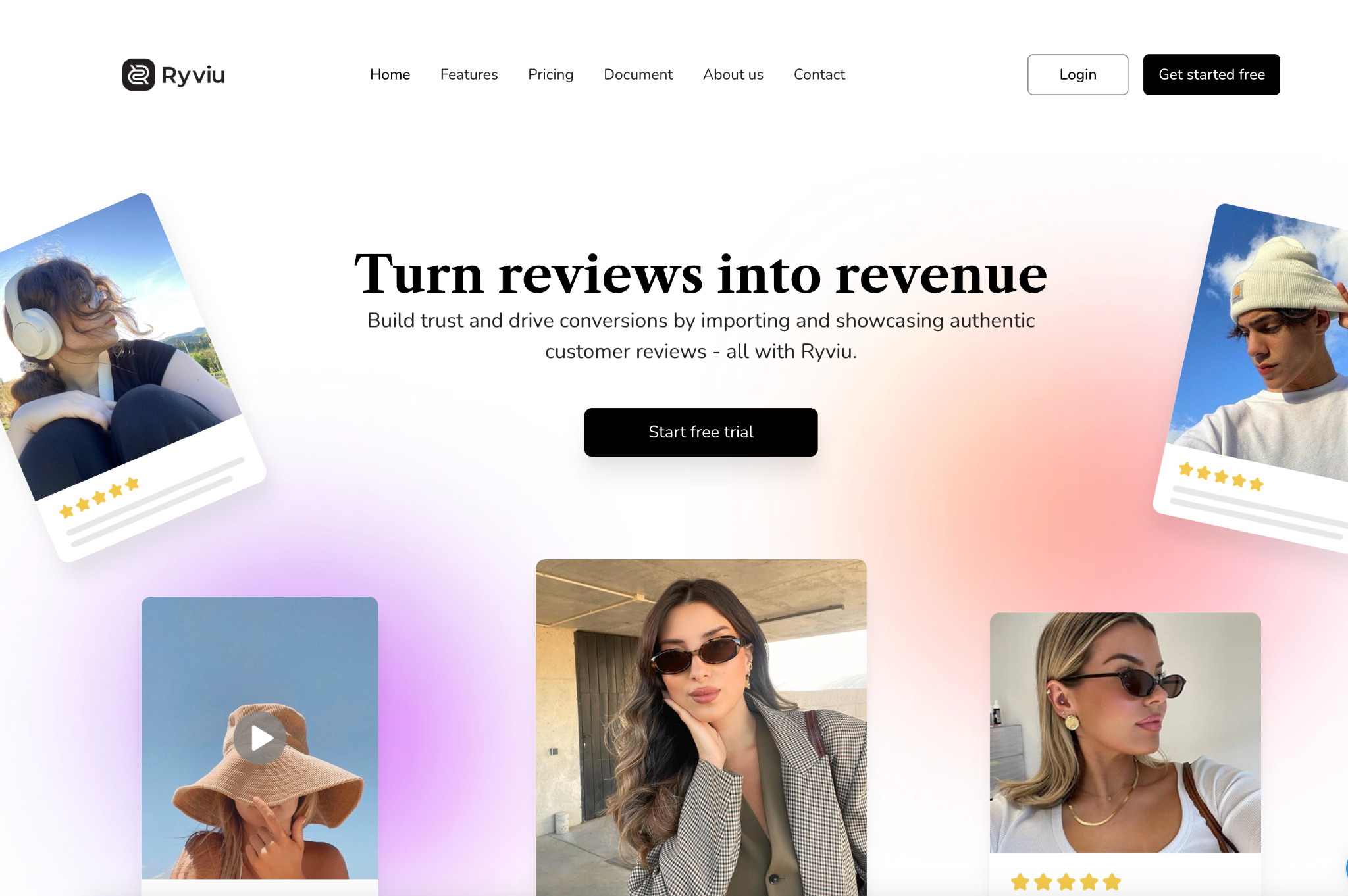
Ryviu is a review app designed specifically to help new Shopify stores establish credibility quickly. When a store has no sales history, reviews act as social proof that reduces buyer hesitation. Ryviu makes it easy to collect, import, and display reviews without complex setup or upfront cost.
As trust is often the biggest barrier for first-time buyers, Ryviu naturally becomes one of the first apps new stores should install.
Key Features
Pros
Cons
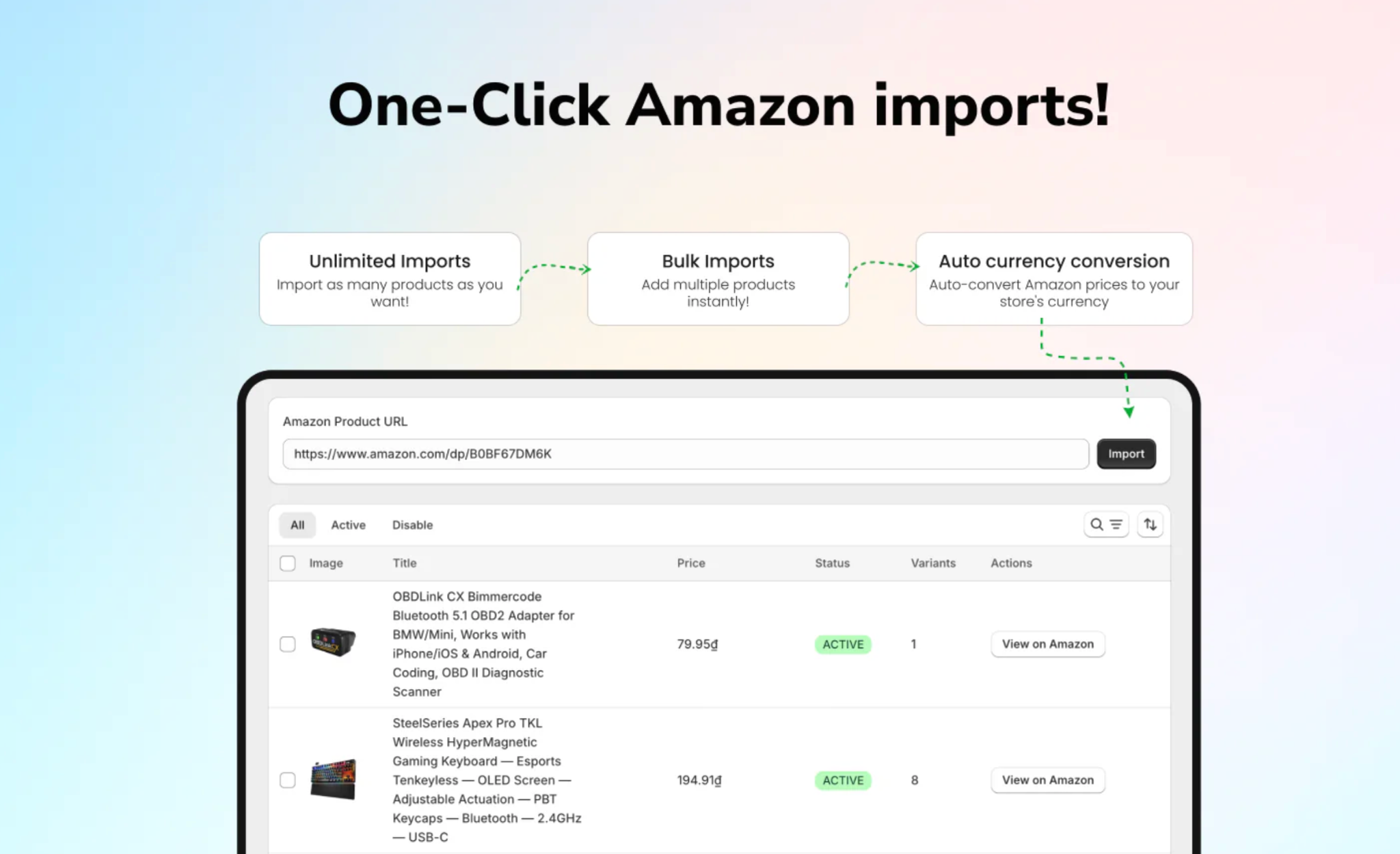
For new stores using dropshipping or external suppliers, product setup can be time-consuming. Ryviu Amazon Product Import simplifies this by allowing merchants to import products along with reviews in just a few clicks. This helps new stores appear more established from the start.
Because speed and validation are critical early on, this app is ideal for testing products quickly without manual work.
Key Features
Pros
Cons
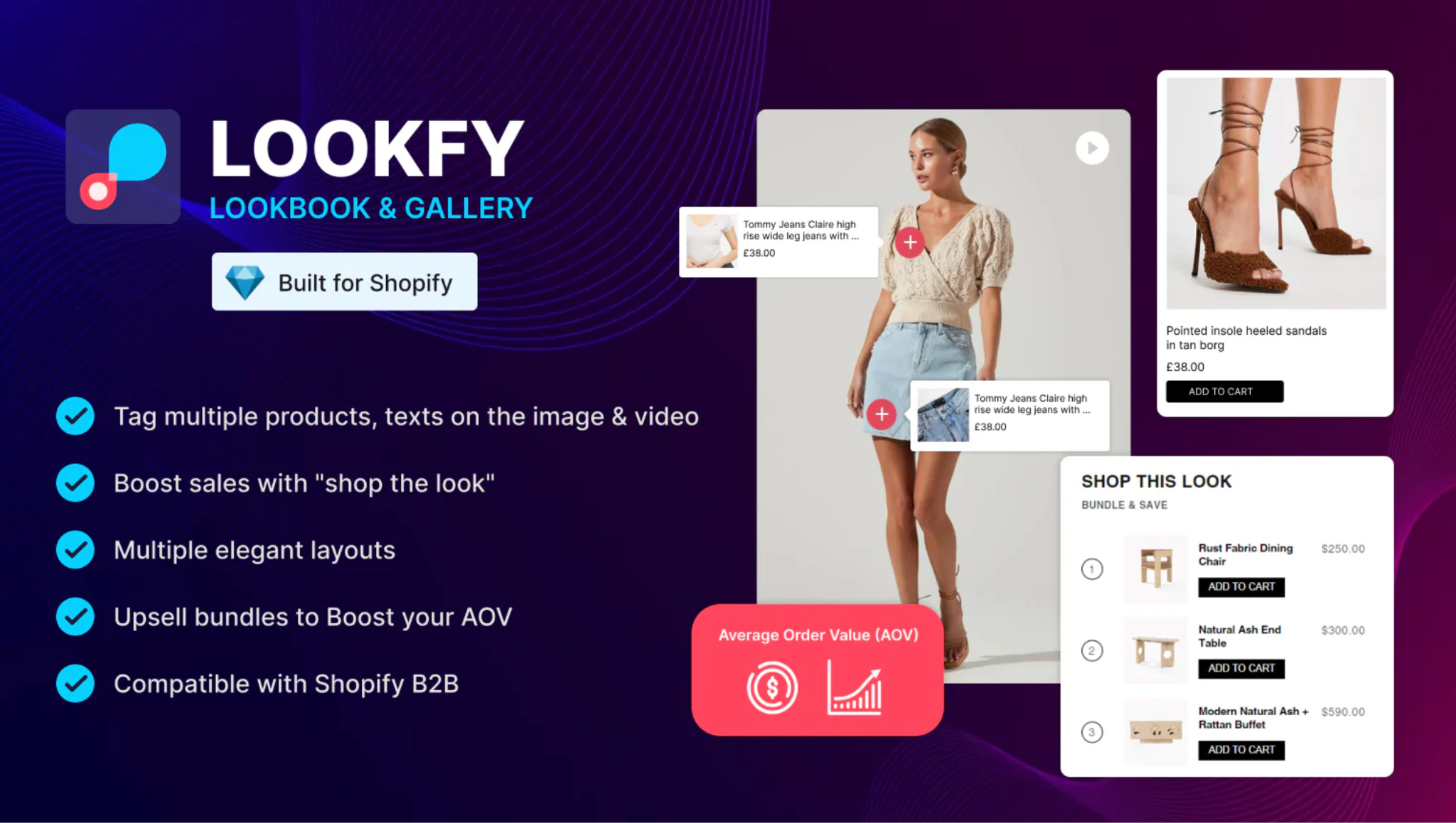
Lookfy helps new stores create visually rich shopping experiences through lookbooks and shoppable galleries. Instead of displaying products individually, Lookfy allows merchants to show how items work together in real-life scenarios. This is especially helpful for fashion, beauty, home decor, and lifestyle brands.
By visually guiding customers, Lookfy makes it easier for new stores to increase engagement and average order value.
Key Features
Pros
Cons
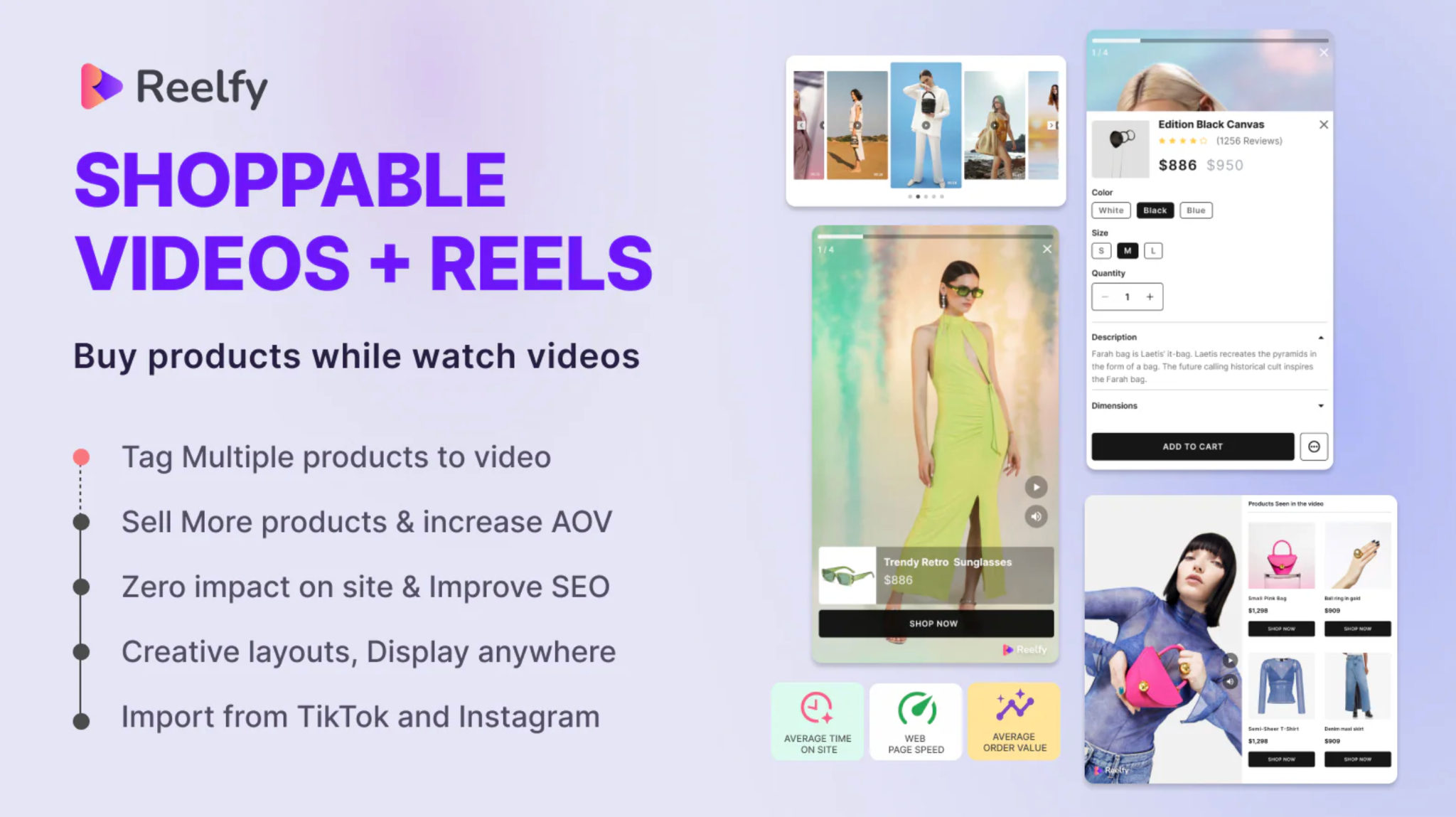
Reelfy allows Shopify merchants to embed short-form videos directly into their store. For new brands, videos help demonstrate product usage, answer common questions, and build emotional trust faster than text alone. This is particularly useful when customers are unfamiliar with your brand.
With minimal effort, Reelfy helps new stores leverage the power of TikTok-style content without large production costs.
Key Features
Pros
Cons
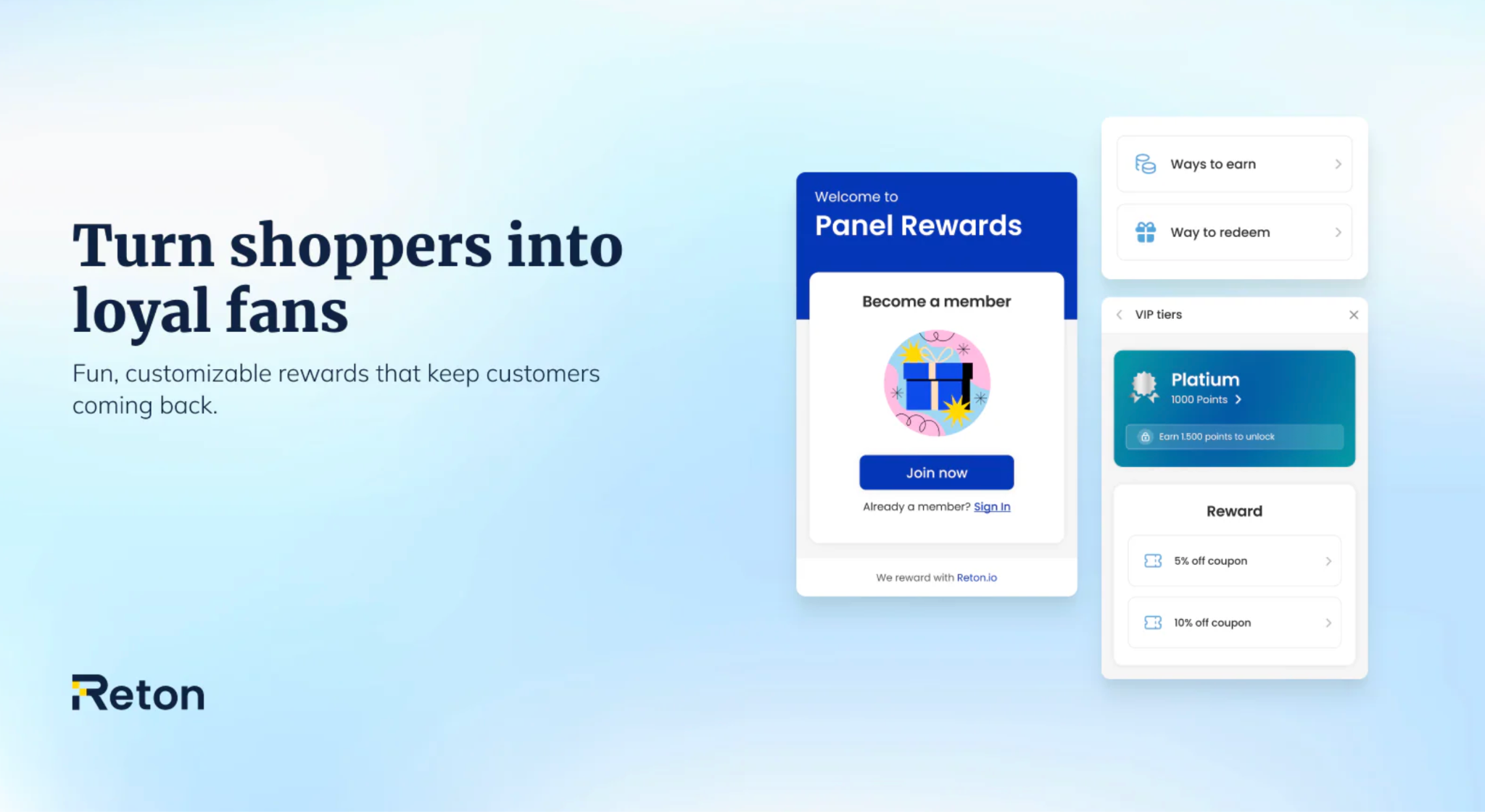
Reton is a Shopify loyalty and rewards app designed to help new stores encourage repeat purchases from the very beginning. Instead of relying only on ads to generate sales, Reton helps merchants build long-term value by rewarding customers for actions like purchases, sign-ups, or referrals. This is especially important for new stores that want to grow sustainably with limited marketing budgets.
By focusing on customer retention early, Reton helps new merchants maximize the lifetime value of every first sale.
Key Features
Pros
Cons

Shopify Inbox is Shopify’s native messaging app that helps new stores respond to customer questions directly from the admin dashboard. Instead of managing multiple tools, merchants can chat with customers in real time using a built-in solution that requires almost no setup. This is ideal for beginners who want to appear responsive and professional without adding technical complexity.
Because it’s tightly integrated into Shopify, Inbox allows new store owners to focus on selling rather than learning another platform.
Key Features
Pros
Cons
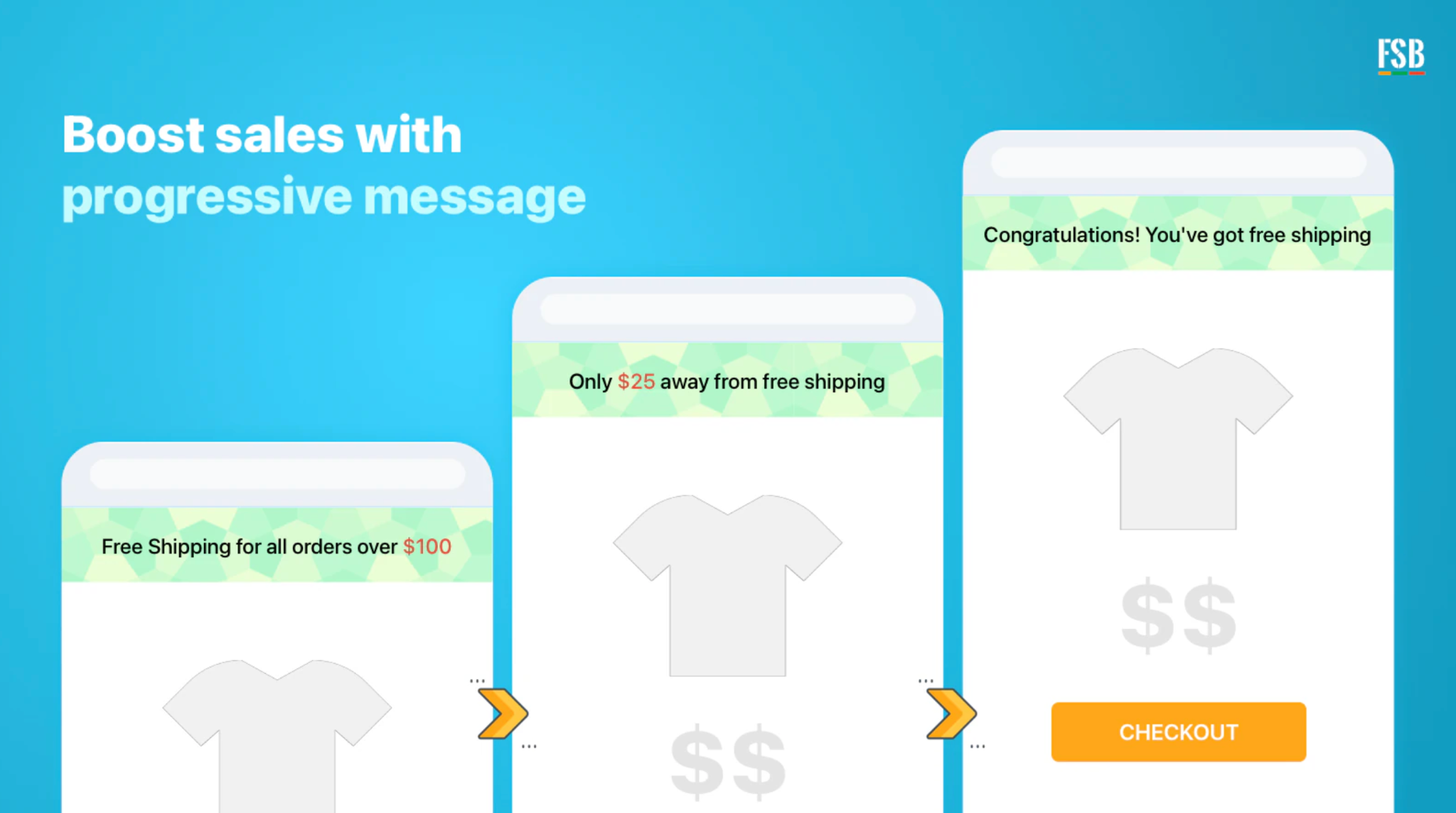
Hextom Free Shipping Bar helps new Shopify stores encourage customers to add more items to their cart by clearly showing how close they are to free shipping. Instead of offering immediate discounts, the app motivates higher order values through simple visual cues. This approach is especially effective for new stores that want to increase revenue without cutting into margins.
By guiding customers toward a clear goal, the free shipping bar reduces hesitation and nudges shoppers toward checkout.
Key Features
Pros
Cons
For new Shopify stores, success comes from choosing apps that reduce friction, build trust, and support growth without upfront risk. These 7 apps cover every essential function, from importing products and displaying reviews to engaging visitors and understanding performance.
Starting with free plans allows you to test, learn, and optimize before investing further, which is exactly what new stores need to survive and grow.