New to Shopify? Free trial, then $1/month for your first 3 months. Start free trial →
 Where is your store?
Ryviu works with both – pick yours to continue.








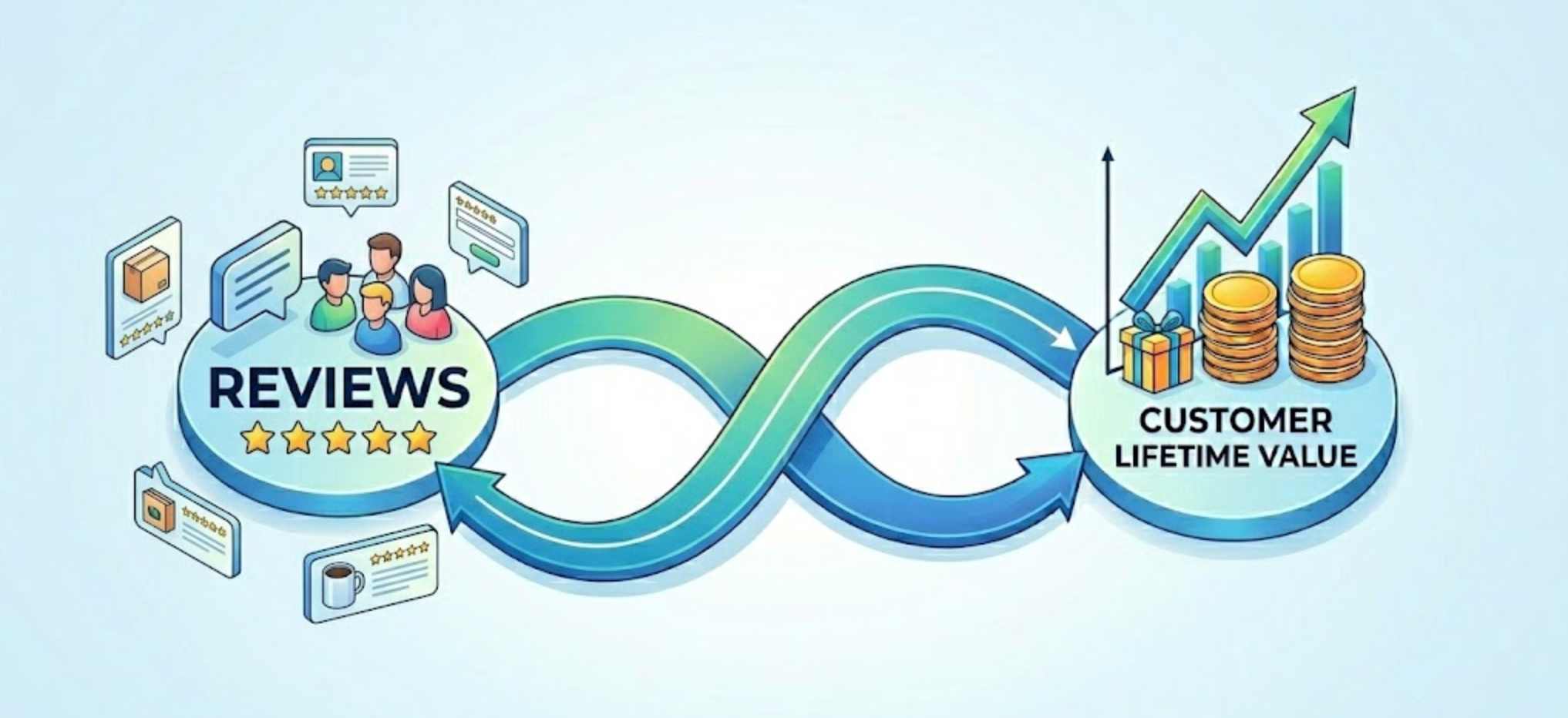
In today’s ecommerce environment, growth is no longer driven by single purchases alone. Brands that succeed long term focus on building meaningful customer relationships that extend over time. This is where Customer Lifetime Value (CLV) becomes a critical metric for sustainable success.
Customer reviews play a powerful role in shaping how these relationships evolve. Beyond influencing first impressions, reviews affect trust, loyalty, and long-term purchasing behavior.
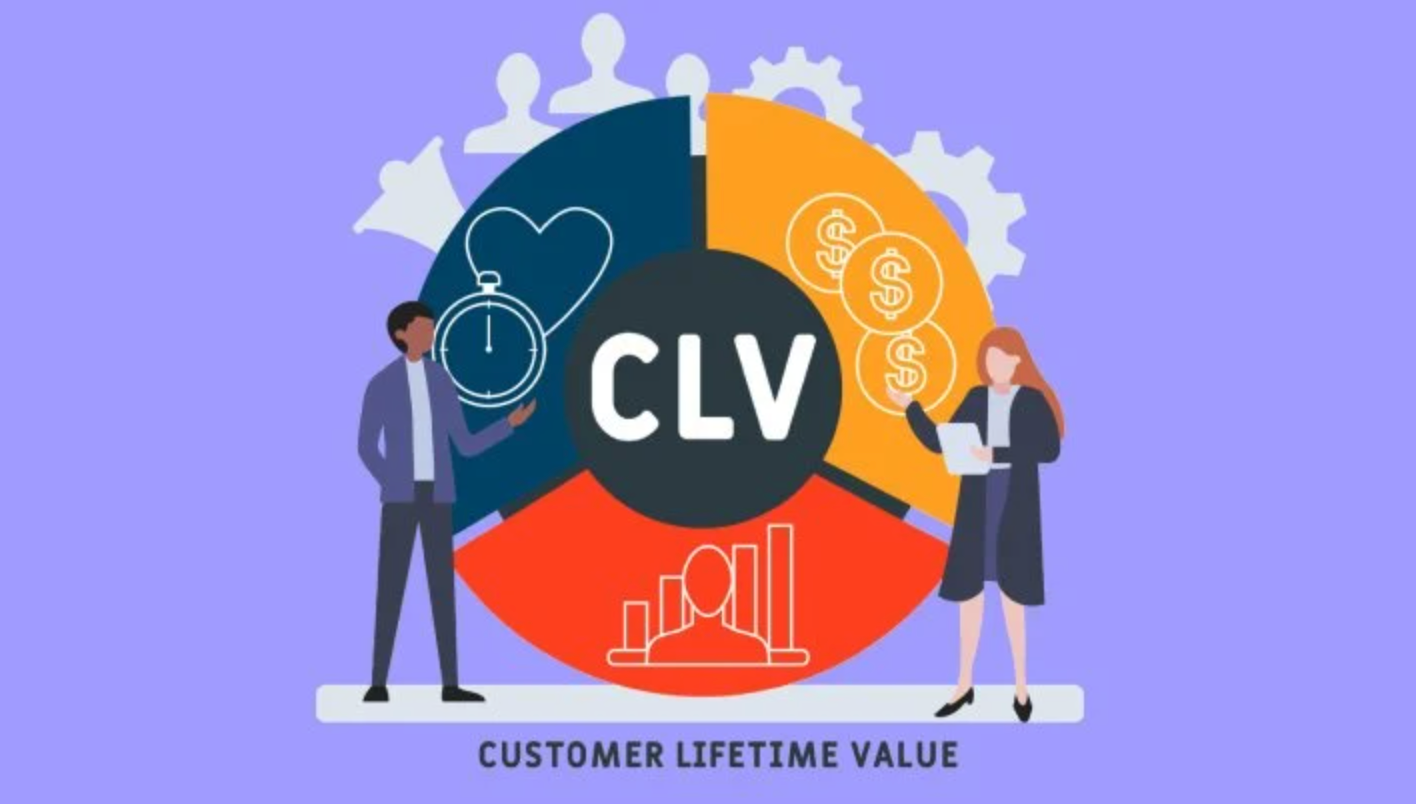
Customer Lifetime Value represents the total revenue a customer generates throughout their entire relationship with a brand. Rather than focusing on individual transactions, CLV reflects how often customers return, how much they spend, and how long they stay loyal. It provides a clearer picture of long-term business health and scalability.
To fully understand why reviews impact CLV, it’s important to first examine the core components that define lifetime value.
Many businesses associate reviews mainly with customer acquisition. While reviews are highly effective at convincing first-time buyers, their influence doesn’t stop after checkout. Reviews continue shaping how customers feel about a brand long after the initial purchase.
As customers transition from first-time buyers to repeat shoppers, reviews help reinforce confidence and emotional connection.
Customer reviews influence both rational and emotional decision-making. They affect how safe customers feel, how much they trust a brand, and how willing they are to return. Over time, these effects compound and significantly increase CLV.
The following sections break down the key ways reviews directly contribute to long-term customer value.
Trust is not built from a single interaction, it grows through consistent reassurance. Reviews provide ongoing social proof that confirms a brand’s reliability and product quality. Seeing repeated positive experiences helps customers feel secure over time.
As trust deepens, customers become more open to repeat purchases and higher spending.
Even satisfied customers can hesitate when trying something new. Reviews help remove this hesitation by showing how others benefited from the same decision. This reassurance lowers mental friction and decision fatigue.
When anxiety is reduced, customers are more likely to buy again without hesitation.
Brand loyalty goes beyond satisfaction, but it involves emotional commitment. Reviews demonstrate transparency and show that a brand values customer voices. When customers feel respected, they are more likely to stay loyal.
This loyalty makes customers less likely to leave, even when competitors offer alternatives.
Reviews create interaction beyond the purchase itself. Customers who write reviews feel involved and invested in the brand’s success. This sense of participation strengthens the relationship.
Higher engagement often leads to longer customer lifespans.
Repeat purchases are the core driver of Customer Lifetime Value. Reviews remind customers of positive experiences and reinforce trust before they buy again. Fresh reviews also signal that the brand is active and reliable.
As a result, reviews quietly influence return visits and repurchases.
CLV depends not only on repeat purchases, but also on spending behavior. Reviews often highlight bundles, upgrades, or complementary products naturally. These mentions subtly encourage customers to spend more.
When reviews are displayed strategically, customers feel more confident increasing their cart size.
Sustainable CLV growth requires continuous optimization. Reviews provide honest insights into what customers value and where they struggle. This qualitative feedback helps brands improve faster and smarter.
When feedback is acted on, customer satisfaction and retention improve naturally.
Personalization plays a key role in customer retention. Reviews reveal preferences, usage patterns, and motivations that raw data often misses. This insight helps brands tailor experiences more effectively.
Personalized review displays make the shopping journey feel more relevant and trustworthy.
As businesses grow, managing reviews manually becomes inefficient. To fully leverage reviews for CLV growth, automation and smart display tools are essential. Ryviu helps transform reviews into a scalable retention asset.
With the right tools, reviews support long-term engagement instead of one-time conversions.

For merchants using Shopify, Customer Lifetime Value is critical for profitability. Shopify stores often rely heavily on repeat buyers rather than constant ad-driven acquisition. Reviews help reinforce trust across every stage of the customer journey.
When used strategically, reviews support both retention and revenue growth.
Customer reviews are far more than conversion tools. They influence trust, emotional connection, engagement, and long-term purchasing behavior. When managed strategically, reviews become a core driver of Customer Lifetime Value.
Brands that treat reviews as an ongoing relationship asset, not just social proof, are better positioned for sustainable ecommerce growth.