 New to Shopify? Free trial, then $1/month for your first 3 months. Start free trial →
 Where is your store?
Ryviu works with both – pick yours to continue.









Loyalty programs are designed to strengthen relationships and encourage repeat purchases, but complicated point expiration rules often create the opposite effect. Instead of motivating customers, unclear expiration policies lead to frustration, lost trust, and lower engagement. When customers do not fully understand how long their rewards last or what actions keep points active, the loyalty experience begins to feel risky rather than rewarding. Understanding the reasons behind this confusion helps brands design programs that feel fair, transparent, and easy to use.
One of the biggest sources of confusion comes from unclear timelines. Many programs use vague phrases such as “points expire periodically” or “points may expire after inactivity.” Without specific dates or visible countdowns, customers cannot easily determine when their rewards will disappear.
Even when the information technically exists, it is often hidden in terms and conditions rather than integrated into the user experience. Customers typically do not read policy pages in detail. Instead, they expect expiration information to be visible within dashboards, checkout pages, or loyalty summaries. When they suddenly lose points they believed were still valid, it creates a sense of unfairness that damages trust in the brand.
Some loyalty programs use complicated rules that vary depending on earning methods, tiers, or promotional campaigns. For example, points earned through purchases might expire after one year, while bonus points from special events expire within three months. Seasonal promotions or limited-time campaigns can add even more layers.
While these structures may make sense from a business perspective, customers often struggle to track multiple timelines simultaneously. Complexity increases mental effort, forcing customers to remember rules rather than simply enjoying rewards. When people feel they need to constantly monitor expiration conditions, participation declines because the program feels like work instead of a benefit.
Another major issue is inconsistent communication. Some brands send occasional expiration reminders, but the timing and clarity vary widely. Messages may be sent too late, contain unclear instructions, or fail to highlight the number of points at risk.
Customers also interact with brands across multiple channels, email, mobile apps, websites, and in-store experiences. When expiration information appears only in one location, customers who miss that channel remain unaware. Effective programs reinforce expiration updates consistently across all touchpoints so customers always understand their status without needing to search for answers. With tools like Reton, you can centralize these reminders by automating visual notifications and loyalty updates across customer touchpoints, ensuring expiration warnings remain clear and timely.
Many loyalty programs rely on text-based explanations instead of visual guidance. Customers often struggle to interpret abstract rules such as “points expire after 365 days of inactivity” because they cannot easily translate that into real-world behavior.
Visual indicators, like countdown timers, progress bars, or color-coded warnings, help customers grasp expiration risk instantly. Without these cues, customers may assume their points are safe until it is too late.
Customers generally assume that loyalty rewards represent lasting value. When points suddenly expire, it contradicts their expectation that loyalty should be rewarded rather than penalized. Businesses often introduce expiration rules to control financial liability or encourage faster redemption, but customers may interpret expiration as a loss rather than a motivational tool.
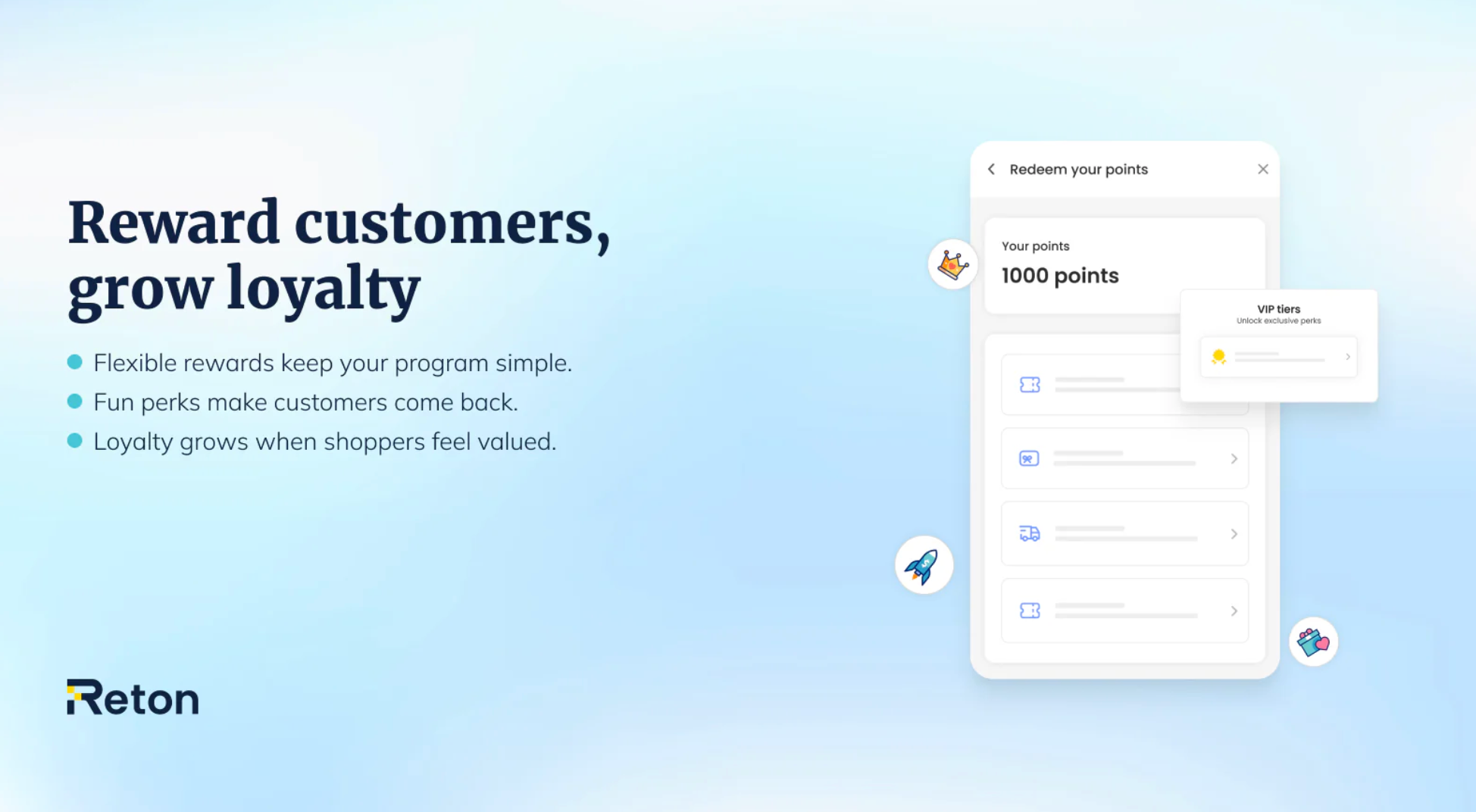
This gap between business logic and customer perception creates confusion and resentment. If expiration policies are not framed as helpful nudges, such as encouraging customers to enjoy rewards sooner, they feel like hidden penalties. Transparent communication supported by clear loyalty dashboards, like those brands can design with Reton, helps align expectations and present expiration as a helpful reminder rather than a punishment.
Expiration rules are frequently written using legal or technical terminology. Phrases like “rolling expiration,” “account dormancy,” or “accrual period limitations” can be difficult for everyday shoppers to understand. Even customers who try to read the policies may leave more confused than before.
Clear, conversational language dramatically improves comprehension. For example, instead of stating “points expire after twelve months of inactivity,” brands could say, “If you don’t make a purchase for one year, your points will disappear.” When this language is paired with visual explanations, such as Reton-powered loyalty interfaces, customers gain both textual clarity and visual reassurance.
Confusion around expiration is amplified by emotional reactions to loss. Behavioral psychology shows that people feel losses more strongly than gains. When customers unexpectedly lose points, the emotional response often outweighs the positive experiences they previously had with the loyalty program.
This negative moment can lead to disengagement or even churn. Customers may avoid future participation because they fear losing rewards again. Clear expiration policies supported by proactive reminders and easy-to-understand visuals, help reduce anxiety by giving customers a sense of control and predictability.
To make loyalty programs more user-friendly, brands should prioritize simplicity and visibility in expiration design:
Point expiration rules often confuse customers because they combine unclear timelines, complex structures, inconsistent communication, and language that feels overly technical. When customers cannot easily track or understand expiration policies, they lose confidence in the loyalty program and may disengage entirely. However, confusion is not inevitable. With transparent design, visual guidance, and customer-centered communication, brands can create expiration systems that feel fair, predictable, and motivating. Instead of being a hidden obstacle, expiration can become a gentle prompt that encourages customers to enjoy the rewards they have earned, ultimately strengthening long-term loyalty.




