New to Shopify? Free trial, then $1/month for your first 3 months. Start free trial →
 Where is your store?
Ryviu works with both – pick yours to continue.








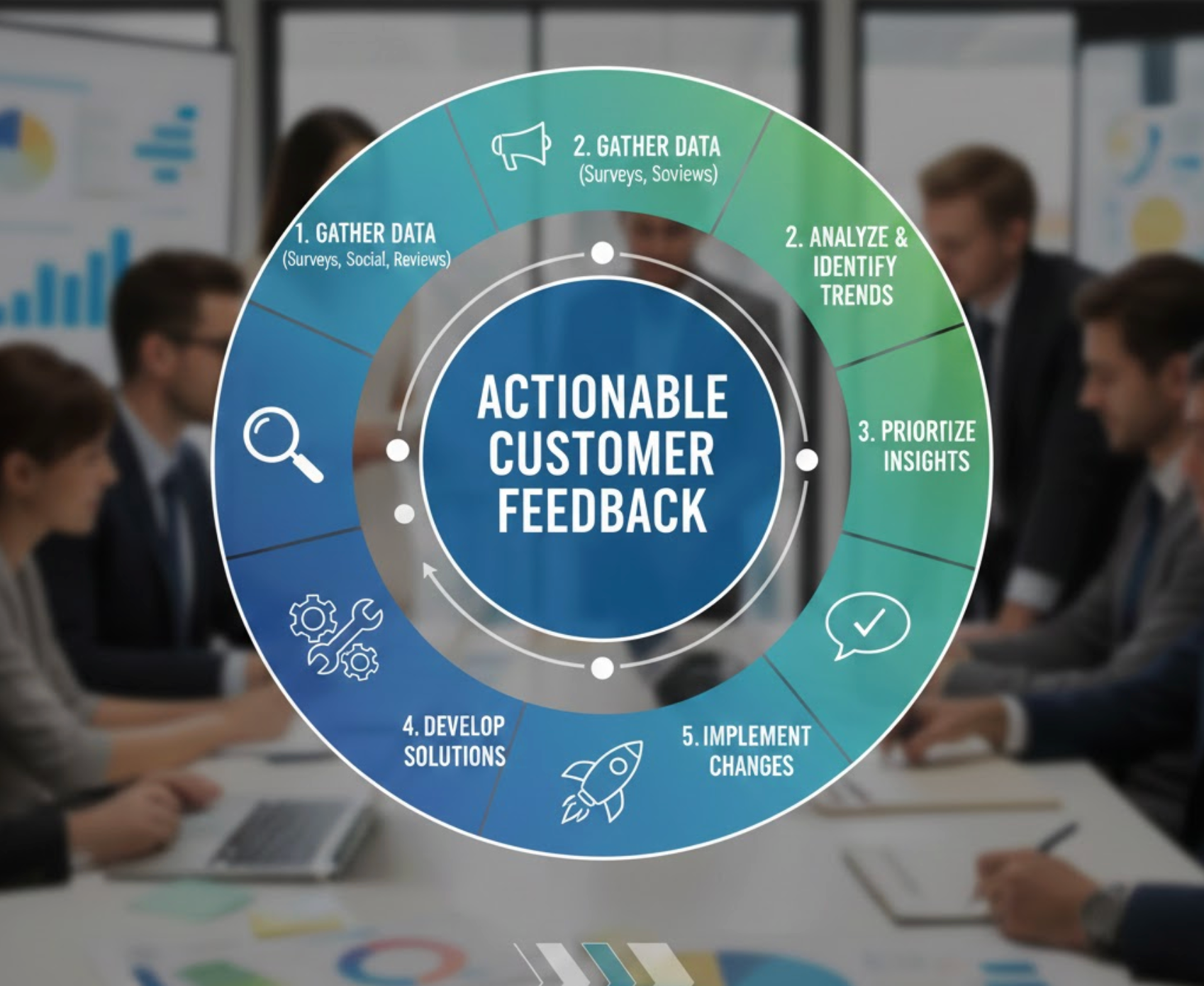
Customer feedback is one of the most valuable resources a business can have, yet many brands struggle to make real use of it. They collect surveys, reviews, and comments, but end up with scattered opinions instead of clear direction. The difference between businesses that grow quickly and those that stagnate often comes down to how effectively they gather and interpret actionable feedback.
Actionable customer feedback is not just about knowing whether customers are happy or unhappy. It helps you understand why customers behave a certain way, what obstacles they face during their buying journey, and what improvements will make the biggest difference to sales and satisfaction. In this guide, we will explore how to collect meaningful feedback at the right moments, how to analyze it strategically, and how Ryviu helps businesses turn everyday reviews into structured insights that drive real decisions.
Many businesses assume all feedback is valuable, but in reality, only a portion of customer input leads to meaningful improvements. Actionable feedback goes beyond emotional reactions and focuses on clear experiences, measurable problems, and realistic suggestions.
First, actionable feedback is specific and contextual. Customers mention particular product features, delivery experiences, or usability issues instead of giving vague opinions. For example, “The product is bad” offers little insight, while “The zipper broke after two uses” gives a clear improvement opportunity.
Second, it is connected to behavior. Feedback becomes more valuable when it explains actions such as abandoned carts, repeated purchases, or product returns. Understanding what customers did, not just what they felt, helps businesses identify actionable patterns.
Third, actionable feedback points toward practical change. It reveals what should be fixed, simplified, clarified, or enhanced. When feedback highlights friction points in real customer journeys, businesses can prioritize improvements that directly influence conversion and satisfaction.
Understanding these characteristics allows brands to design better feedback collection systems that encourage detailed, meaningful responses rather than generic comments.
Businesses that actively collect and apply customer feedback gain a powerful advantage: they make decisions based on real-world experiences instead of assumptions or internal bias. Actionable insights influence not only product development but also marketing strategy, customer experience, and long-term brand positioning.
Customers interact with products in ways teams may not anticipate. They encounter usability challenges, misunderstand features, and develop creative use cases. When feedback reveals repeated issues or feature requests, product teams gain clear guidance on what to improve or prioritize next.
Customer comments often reveal confusion points that prevent purchases. Feedback may highlight unclear product descriptions, missing information, confusing size charts, or unexpected costs during checkout. Addressing these barriers simplifies decision-making and reduces hesitation.
Customers appreciate brands that listen and respond. When feedback leads to visible improvements, customers feel that their voices matter. This emotional connection increases retention and encourages repeat purchases over time.
Recurring questions and complaints often signal unclear processes or product misunderstandings. By addressing root causes discovered through feedback, businesses reduce repetitive support requests and create a smoother overall experience.
Because of these advantages, collecting actionable feedback should be viewed as an ongoing strategic process rather than a one-time research activity. The next step is understanding where meaningful feedback actually comes from.
Actionable insights emerge when feedback is collected at multiple touchpoints instead of relying on a single channel. Each stage of the customer journey provides unique perspectives and different types of valuable information.
Product reviews are one of the richest sources of actionable feedback because they come from customers who have already experienced the product firsthand. Reviews often include details about quality, usability, expectations, and real-life performance.
When customers share photos or videos, feedback becomes even more informative, allowing businesses to observe how products perform in real situations.
Short surveys sent after checkout or delivery capture fresh impressions. Customers are more likely to remember specific problems or positive experiences when feedback requests are timely and focused.
Support tickets, chat transcripts, and email conversations reveal highly specific pain points. Customers contacting support usually describe exact challenges they want resolved, making this feedback extremely actionable.
Comments, mentions, and community discussions highlight emotional responses and emerging trends. These platforms often reveal expectations, frustrations, and reactions that structured surveys may miss.
Real-time prompts on product pages or checkout screens allow customers to report confusion immediately. Capturing feedback at the exact moment of hesitation provides direct insight into conversion barriers.
Since feedback comes from many sources, businesses need structured systems to organize and analyze information efficiently. This is where structured review platforms become especially valuable.
Collecting meaningful feedback requires intentional design. Simply asking customers for opinions without guidance often leads to vague or unusable responses. Instead, businesses should implement structured approaches that encourage detailed and relevant insights.
Specific questions guide customers toward sharing experiences that matter. Instead of general questions like “How was your experience?”, try asking:
Focused prompts help customers provide feedback that directly connects to improvement opportunities.
Visual elements such as product images or feature screenshots allow customers to comment on precise aspects. This reduces ambiguity and produces more detailed, context-rich feedback.
Timing significantly influences response quality. Businesses should gather feedback after meaningful milestones:
Customers should feel comfortable sharing both positive and negative opinions. Authentic feedback helps businesses identify genuine strengths and weaknesses rather than maintaining an unrealistic view of performance.
Numeric ratings reveal trends, but written comments explain the reasoning behind those trends. Combining quantitative and qualitative data provides a complete understanding of customer sentiment.
With these best practices in place, businesses can collect richer insights, but managing and analyzing feedback at scale requires the right tools.
Managing customer feedback manually across emails, surveys, and social channels quickly becomes overwhelming. Businesses need a structured system that centralizes feedback and highlights meaningful patterns. Ryviu helps by organizing customer reviews into actionable data that teams can analyze and apply effectively.
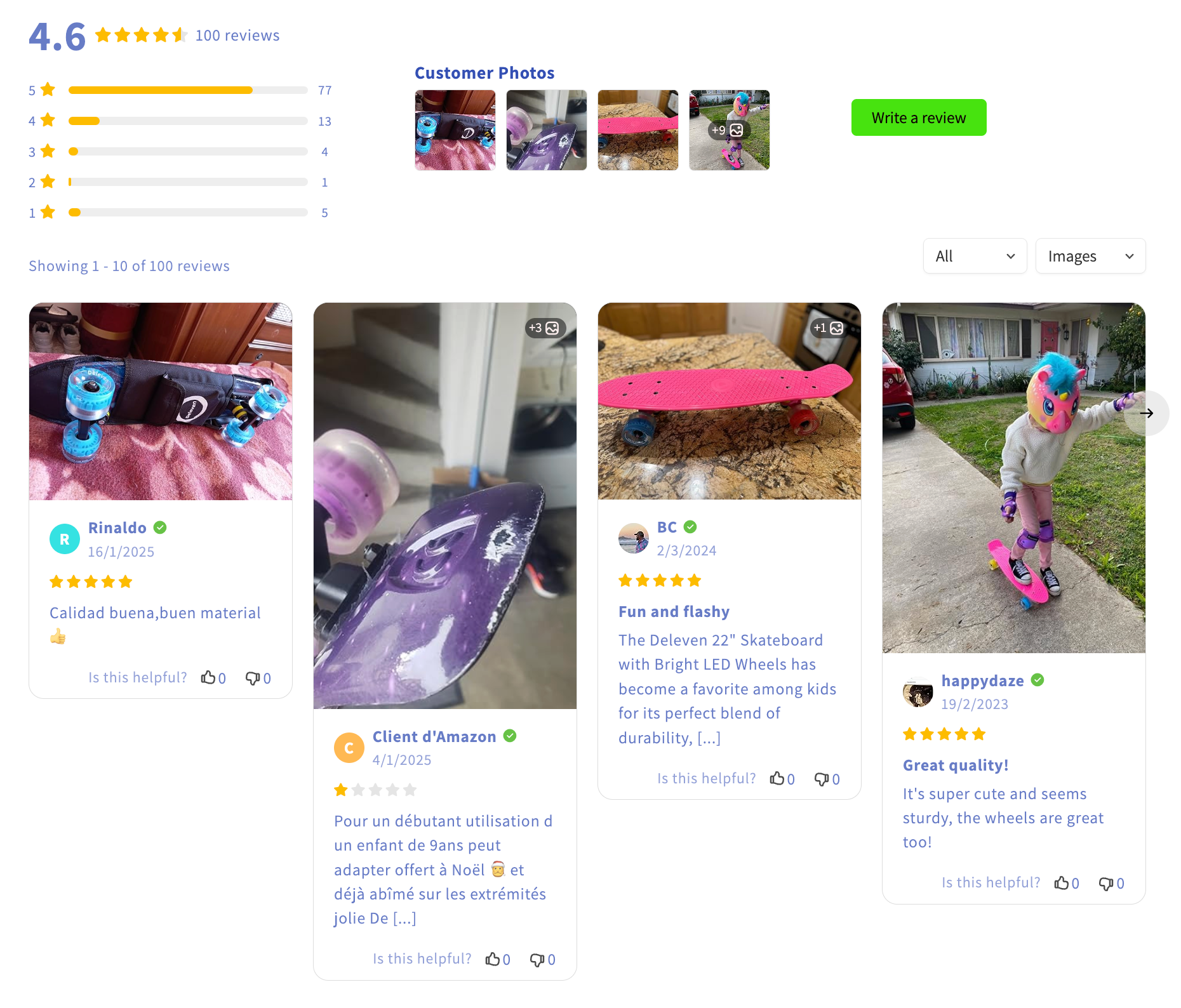
Ryviu gathers reviews in one place, allowing businesses to detect recurring issues and customer preferences without manually sorting through multiple channels.
Visual reviews provide more than opinions, they show real product usage and expectations.
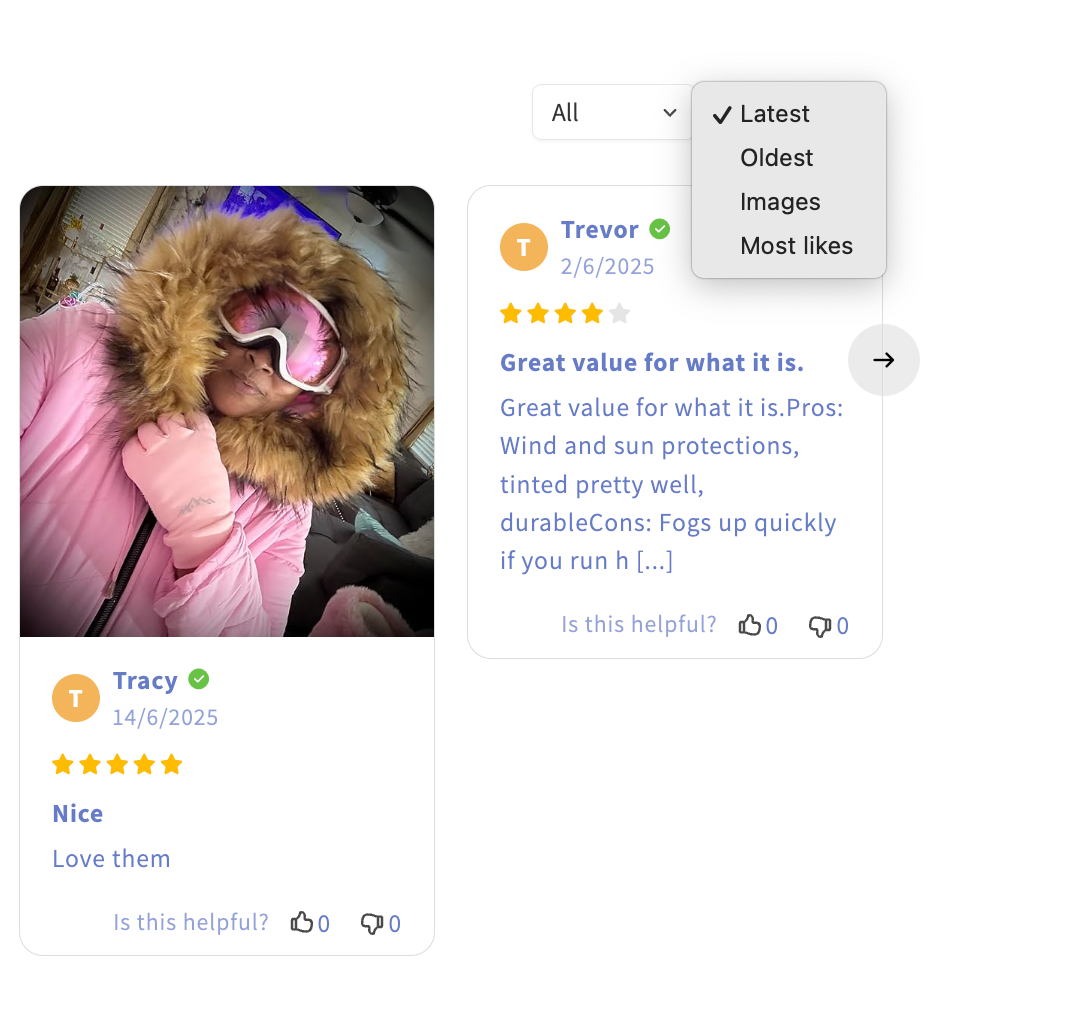
Ryviu helps businesses categorize reviews based on ratings, keywords, or product attributes. This structured approach simplifies analysis and allows teams to focus on trends rather than individual complaints.
Displaying authentic reviews directly on product pages builds transparency and credibility while continuously generating new feedback. As customers share experiences, businesses gain ongoing insight into real-world product performance.
By combining structured collection with easy visualization, Ryviu turns scattered feedback into actionable knowledge that teams across product, marketing, and customer service can use.
Collecting feedback is only the first step. The real value comes from transforming insights into measurable improvements that enhance customer experience and business performance.
One negative comment may reflect personal preference, but repeated feedback signals a systemic issue. Identifying patterns helps businesses prioritize meaningful changes.
Focus on improvements that influence conversions, product satisfaction, or customer retention. Not every suggestion needs immediate implementation, but high-impact issues should be addressed quickly.
When businesses implement changes based on feedback, communicating updates builds trust and encourages future engagement. Customers appreciate seeing their input lead to real improvements.
After updates, businesses should monitor metrics such as review trends, conversion rates, return rates, and support requests. Measuring outcomes ensures that actions based on feedback truly solve customer problems.
Understanding how to apply insights is essential, but avoiding common mistakes is equally important for maintaining an effective feedback strategy.
Many businesses collect feedback but fail to extract meaningful insights due to avoidable errors.
Actionable feedback becomes most powerful when integrated into everyday decision-making across departments. Instead of limiting insights to customer support teams, businesses should encourage collaboration around customer feedback.
Platforms like Ryviu make this collaboration easier by organizing feedback into structured formats that multiple teams can understand and apply consistently.
Collecting actionable customer feedback is not simply about gathering more opinions, it is about creating a structured system that turns customer experiences into strategic insights. By asking focused questions, collecting feedback at meaningful moments, analyzing recurring patterns, and implementing changes based on real data, businesses can continuously improve both products and customer journeys.
Ryviu can enhance this process by centralizing reviews, encouraging detailed feedback through photos and videos, and helping teams identify actionable trends quickly. When feedback becomes an ongoing part of business strategy rather than a passive data collection exercise, it transforms into one of the most powerful drivers of growth, trust, and long-term customer loyalty.