 New to Shopify? Free trial, then $1/month for your first 3 months. Start free trial →
 Where is your store?
Ryviu works with both – pick yours to continue.








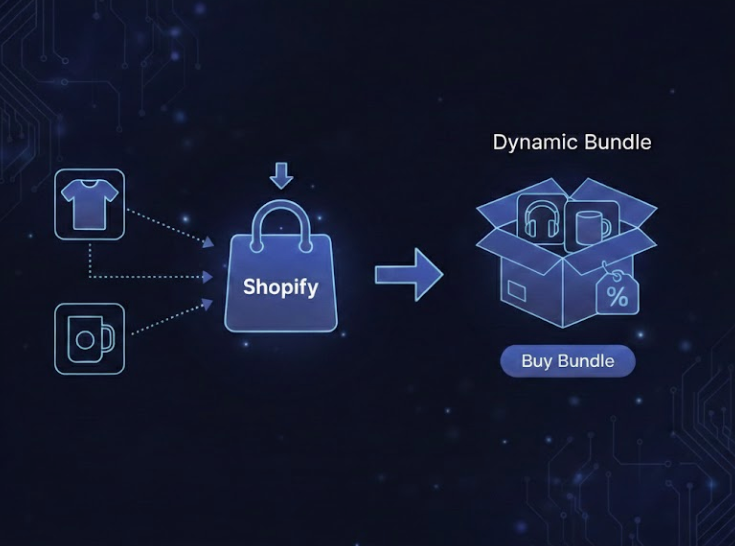
Product bundling has always been a powerful strategy in retail, but in the fast-moving world of Shopify and eCommerce, dynamic product bundles have emerged as an even more effective way to increase average order value, personalize customer experiences, and optimize inventory movement. Instead of offering fixed combinations that may or may not appeal to every shopper, dynamic bundles allow flexibility—letting you tailor options, automate recommendations, and create real-time value.
In this guide, we’ll explore how dynamic bundling works, why it converts better than traditional bundles, and how you can build and optimize them on your Shopify store with practical steps, examples, and deeper insights.
Dynamic product bundles blend the structure of curated product combos with the flexibility of smart recommendations. Unlike static bundles—where merchants manually choose items and sell them as a set—the dynamic model lets customers customize parts of the bundle or uses automation to recommend complementary products. This personalization makes the shopping journey feel more intuitive and less sales-driven. For merchants, dynamic bundles help liquidate slow-moving stock, bring focus to higher-margin items, and encourage shoppers to buy more without feeling pressured.
Bundling works because it simplifies decision-making and increases perceived value. When customers see related items pre-organized, they don’t need to search or evaluate alternatives. Dynamic bundles go a step further by adapting to the shopper—offering choices such as different variants, colors, or product types. This reduces friction and increases ownership, which psychologically motivates customers to complete the purchase. The experience feels curated but not restrictive, which aligns perfectly with modern customer expectations.
The shift toward dynamic bundling comes from three key motivations: flexibility, efficiency, and personalization. Shopify merchants gain the ability to automatically pull items from collections, suggest add-ons based on browsing behavior, or allow customers to build their package from scratch. These capabilities make dynamic bundles easier to maintain and test. They also integrate well with apps, AI recommendation engines, and cart-level logic. The result is a system that doesn't just boost sales once—it continues learning and improving.
Every store has different needs, so choosing a bundling strategy depends on your catalog, price structure, and target customer behavior. Before setting up dynamic bundles, it helps to define the goal—whether it’s increasing order value, promoting new products, or encouraging customers to explore more of your catalog.
This is one of the simplest and most efficient methods. Instead of handpicking items, you set a smart rule: all items in a specific collection can be mixed and matched. Customers choose their preferred combination, and Shopify automatically applies discounts or special pricing. This method works particularly well for fashion, accessories, cosmetics, and home decor stores.
Steps to make this effective include:
The greatest strength of this approach is that it gives customers freedom while maintaining thematic consistency.
For stores with multiple variants—colors, sizes, scents, designs—variant-based bundles are a perfect dynamic solution. Instead of limiting customers to default options, you allow them to choose from a wide range of variants within the same product group.
This approach works well for merchants selling apparel, print-on-demand items, or customizable goods. The more control customers have, the higher their satisfaction, and the lower the chance of returns resulting from mismatched expectations.
Another method uses data or automation to help customers complete their set. This approach requires apps or built-in recommendation engines that analyze customer behavior. Shopify’s native search and discovery tools, as well as bundling apps, can automatically display items frequently bought together or similar items.
This strategy deepens:
The more accurate and relevant these suggestions are, the more likely customers will build a larger bundle.
The technical process of creating dynamic bundles varies depending on whether you use Shopify’s native tools, Shopify Scripts, or bundling apps. While Shopify doesn’t yet offer fully native dynamic bundling, it provides foundational tools and integrations that make setup smooth and scalable.
Many merchants begin bundling with automatic discounts tied to collections. This method doesn’t require any external apps and works well for simple bundle rules.
To set this up effectively:
This method may lack deeper customization, but it’s reliable for stores looking for a simple boost in conversions.
For more flexibility—such as mix-and-match rules, build-your-own kits, tiered discounts, or AI recommendations—apps or Shopify Functions are essential. They offer dynamic logic, real-time bundle updates, and seamless integration with the cart.
Popular features you can leverage include:
What makes these tools especially valuable is the ability to test different bundle styles without rewriting code. You can run experiments, adjust settings, and optimize the flow based on customer behavior.
Bundles work best when they’re easy to discover and join. Merchants often improve results by integrating bundle prompts at strategic touchpoints:
By blending bundling into multiple customer touchpoints, you reinforce the value and increase conversions naturally.
Dynamic bundles work well only when they feel intuitive and valuable. The presentation, copy, visuals, and pricing all play significant roles in conversion performance. Simply applying a discount won’t guarantee success; customers need to understand the benefit and experience a frictionless journey.
One reason customers hesitate with bundles is unclear value. If the discount seems vague or math-heavy, they may skip the offer. Dynamic bundles should have an obvious, easily digestible value message.
Examples include:
When value is transparent, customers trust the offer more.
Bundles must be visually appealing. High-quality images of products grouped together help customers imagine the set. Merchants often create dedicated bundle photos, mockups, or lifestyle shots showing products used together.
Enhance visuals by:
Visual design supports understanding and increases customer confidence.
Dynamic bundles also benefit from strong copy. Focus on benefits, ease, and customization rather than technical descriptions.
Effective copy elements include:
When the copy feels conversational and human, customers feel supported rather than pushed.
The effectiveness of dynamic bundles depends on ongoing optimization. Since every audience behaves differently, testing various combinations, styles, and offers helps you determine what resonates best. Treat bundling like an ongoing experiment rather than a one-time configuration.
To understand your bundle performance, focus on specific KPIs:
By monitoring these metrics consistently, you’ll identify patterns that reveal what customers truly value.
Start with tests around pricing structures, discount methods, bundle sizes, or product groupings. Small changes can lead to significant improvements. You may discover that customers prefer a 2-item bundle over a 3-item one, or that variant customization boosts conversions more than fixed sets.
Common testing areas include:
Each experiment provides insights that help shape more effective bundling strategies over time.
Dynamic bundles have another major benefit: helping manage inventory. When used strategically, they guide customers toward items you want to move. Merchants often use bundling rules to subtly promote slow-moving but relevant items. This integrates inventory management into your sales strategy without being obvious to the customer.
Dynamic product bundles on Shopify offer an innovative way to increase sales, improve customer experience, and elevate your store’s merchandising strategy. By embracing flexibility, personalization, and smart automation, merchants can create bundles that feel more like curated experiences rather than promotional tactics. The key is designing intuitive flows, offering clear value, and continuously optimizing through testing.
Whether you use collection-based bundles, variant customization, or personalized recommendations, the right dynamic bundle strategy can significantly boost engagement and elevate your average order value. With thoughtful implementation and ongoing improvement, dynamic bundles become not just a sales feature—but a powerful part of your brand identity.




