New to Shopify? Free trial, then $1/month for your first 3 months. Start free trial →
 Where is your store?
Ryviu works with both – pick yours to continue.







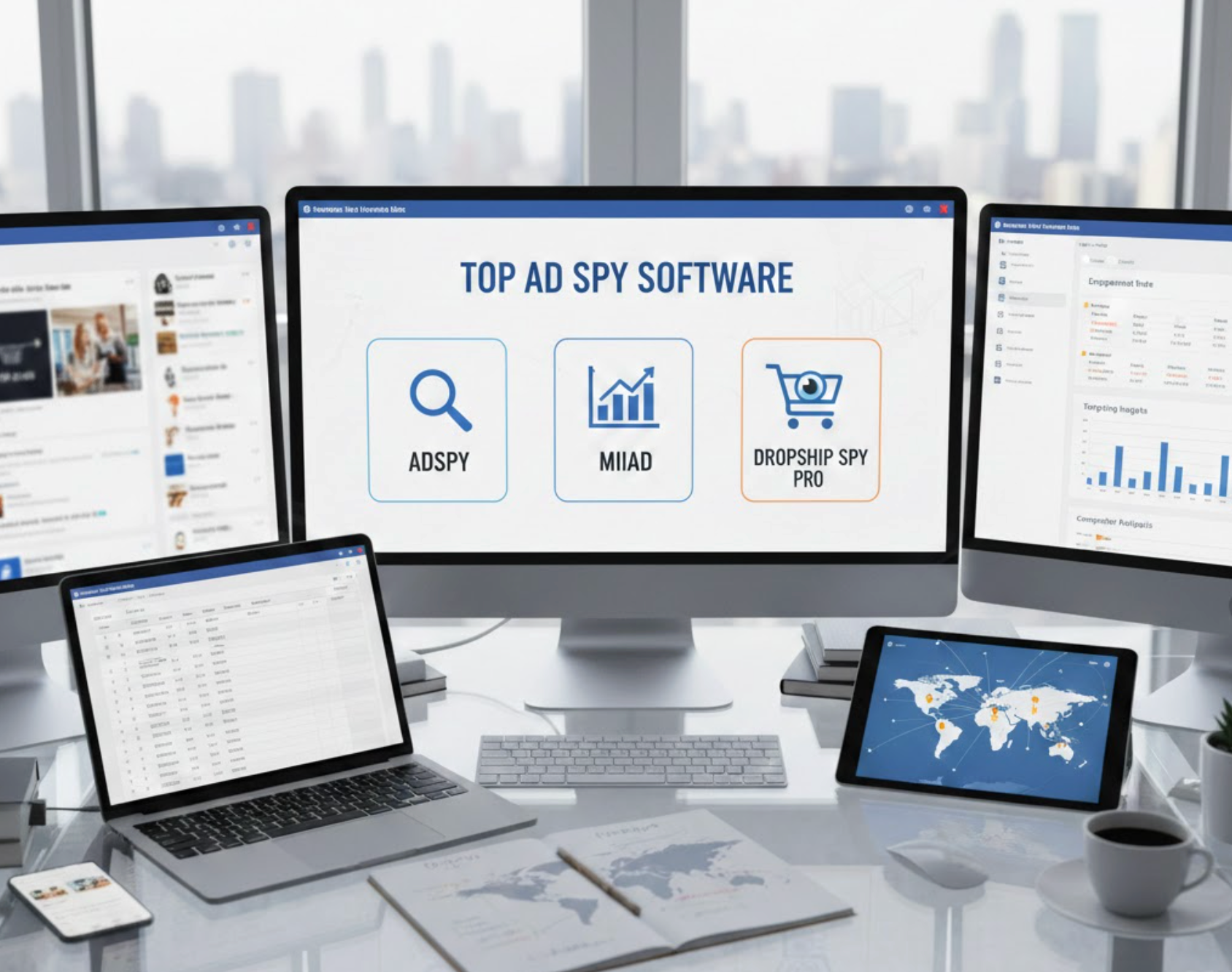
In the highly competitive world of dropshipping, successful stores are rarely built on guesswork alone. Paid advertising plays a critical role in driving traffic and sales, but launching profitable ads without insight into what already works can quickly drain your budget. This is where ad spy tools become an essential asset for dropshippers looking to scale efficiently.
Ad spy tools allow you to analyze winning ads from competitors, identify trending products, uncover high-performing creatives, and understand proven targeting strategies. Instead of starting from scratch, you can learn directly from real campaigns that are already converting in the market. In this article, we’ll explore the 10 best ad spy tools for dropshipping, breaking down how each one helps you discover profitable products, refine your ad strategy, and stay ahead of fast-moving trends.
Before we dive into the rankings, here are the top features to look for this year:
Now that we've got that covered, let's get to the rankings.
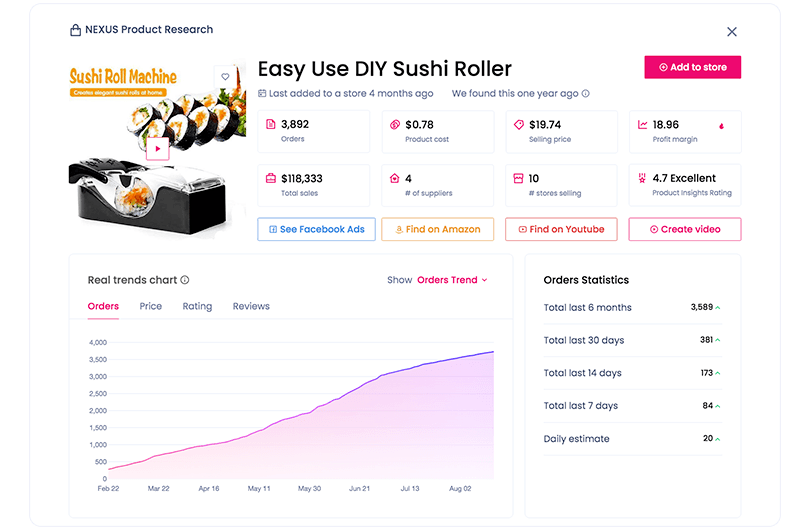
Sell The Trend isn't just an ad spy tool, it's a full-blown dropshipping platform with:
Best for: Sellers looking to go from discovery to scaling in one dashboard
Why it stands out: Sell The Trend is the complete package - from ad intelligence to execution support.
Downside: If you're already set up with supplier sourcing and store automation, you might not need Sell The Trend.
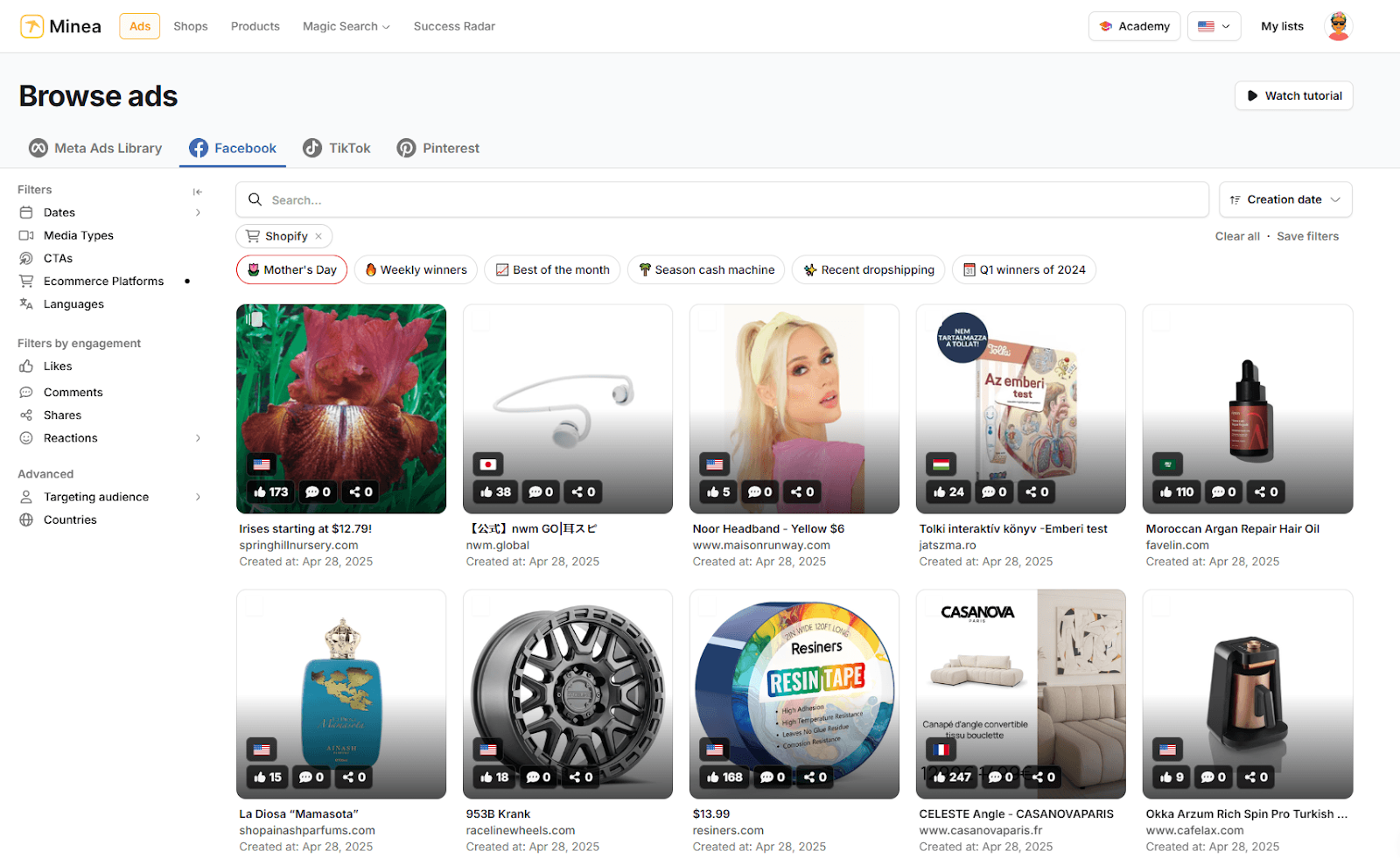
Minea is an ad spy platform that focuses on ad performance across Facebook, TikTok, Pinterest and Instagram. You can filter by likes, shares, country, niche and even spot influencer promotions. It's ideal for marketers who already have a product and store, and just need some creative inspiration.
Best for: Advanced marketers looking for ad-first research
Why it stands out:
Downside: No product import, no supplier access and no store tools.
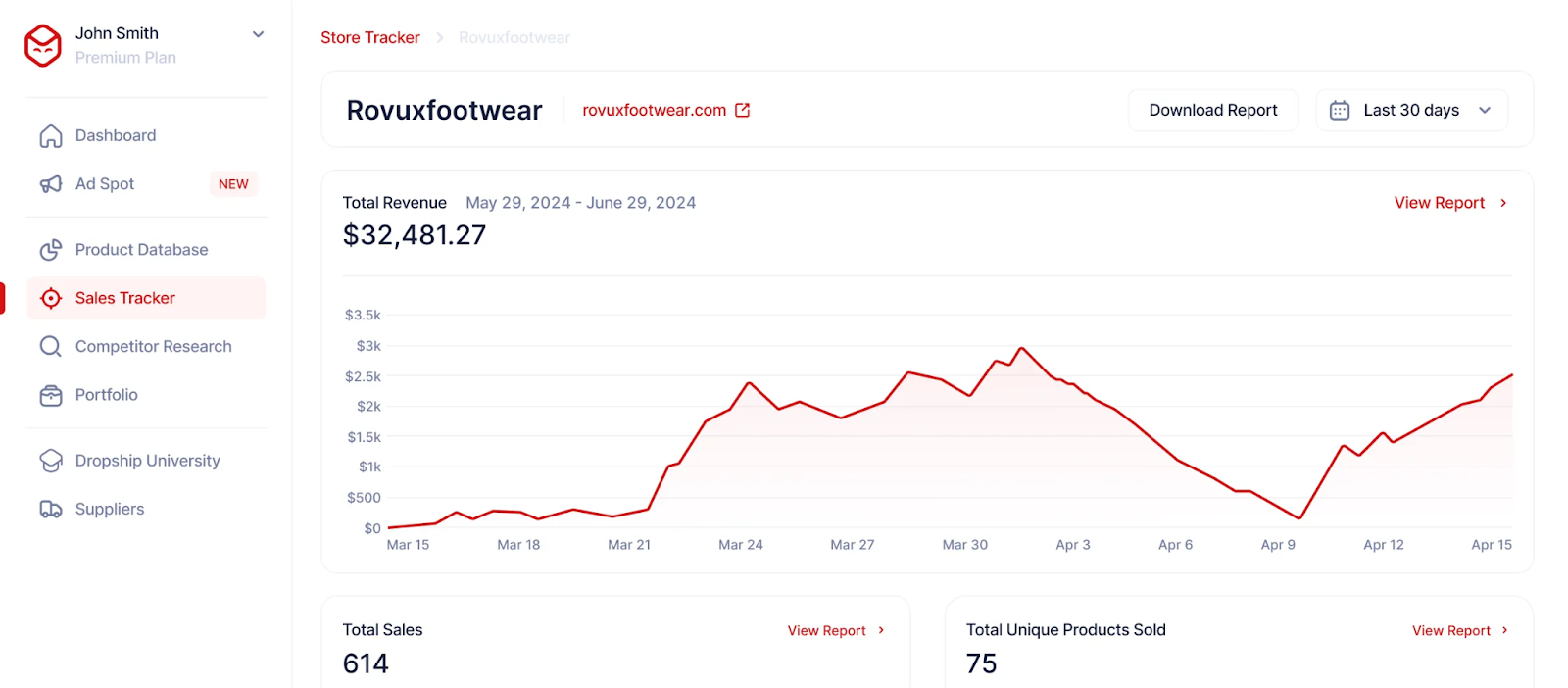
Dropship.io might be a product research tool, but it's earned a spot here because of its real Shopify sales tracking and built-in ad link previews. You can:
Best for: Users who want to see proof of demand plus some ad inspiration
Why it stands out:
Downside: No automation or supplier network.
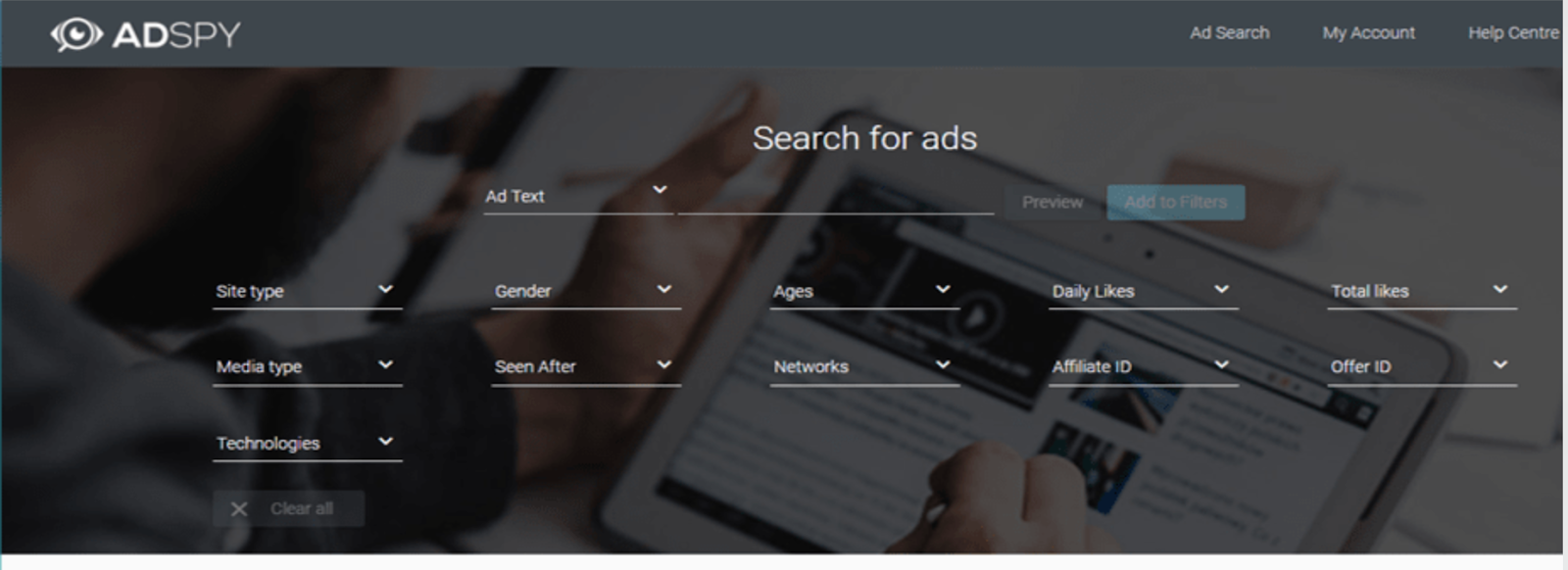
AdSpy has been around for years and is still a go-to for Facebook-focused marketers. It includes over 150 million Facebook and Instagram ads, with filters for ad text, engagement, domain, language and more.
Best for: Facebook-heavy marketers or info product sellers
Why it stands out:
Downside: Not TikTok-friendly and the UI is a bit outdated.
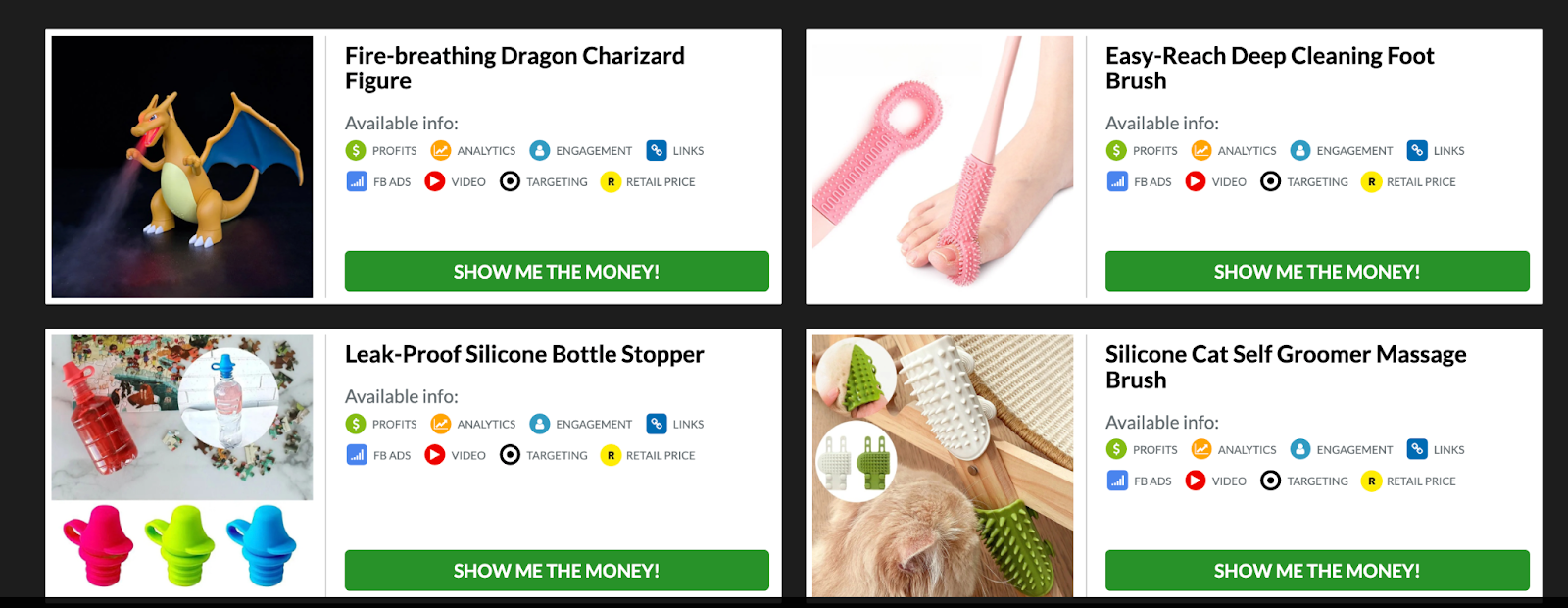
Ecomhunt takes a different approach. Instead of scanning platforms, it offers a curated feed of winning products, each with suggested ad creatives, audience targeting and descriptions.
Best for: Beginners who want plug-and-play product ideas
Why it stands out:
The rest of the rankings below will give you an overview of the remaining top 5 tools for dropshipping in 2026. Each one has its own strengths and weaknesses, and we've tried to highlight them in a way that makes it easy for you to choose the right one for your workflow.Limitations : Pretty stiff restrictions. No auto-magical tools, no supplier insights, and no shop floor data.
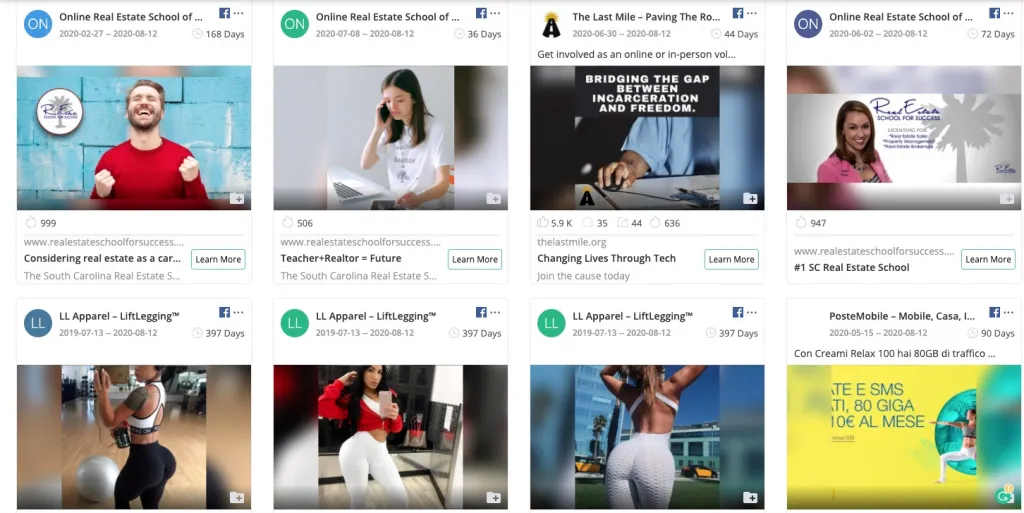
BigSpy is a well-known entry-level to mid-range ad spy tool that focuses on giving you widespread platform accesswithout breaking the bank.
It supports ad tracking across:
BigSpy is a popular choice among dropshippers who want to dip their toes into multiple platforms without going all-in on complex execution tools.
Best For: Look to BigSpy if you want to get affordable access to ads across multiple platforms.
What sets it apart:
Limitations: No product import, no supplier insights, no shop automation or revenue context.
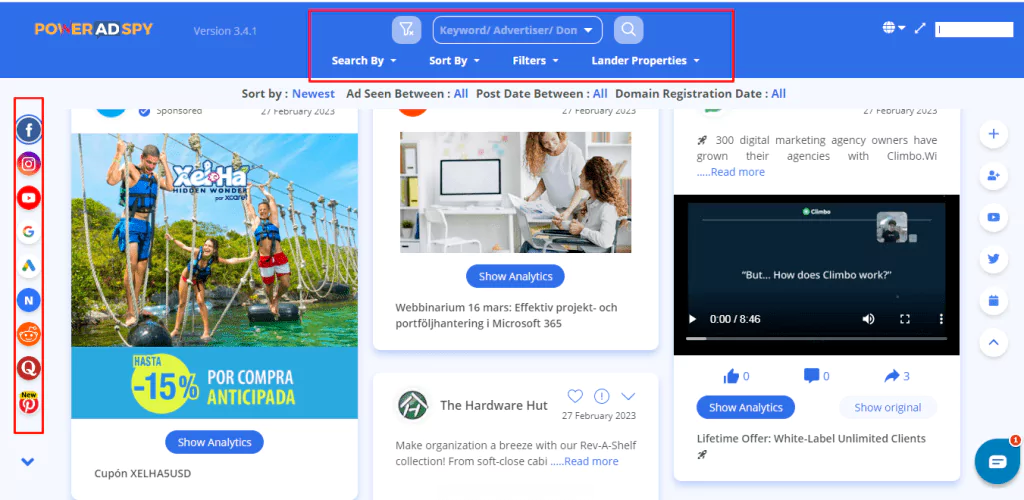
PowerAdSpy is geared primarily towards marketers looking to collect and analyze ad creatives, rather than managing the works.
It focuses heavily on:
PowerAdSpy is often used to build creative swipe files and figure out messaging patterns.
Best For: If you want to study hooks, headlines, and creative structure then PowerAdSpy is your tool.
What sets it apart:
Limitations: Pretty weak support for TikTok, no product or shop visibility.
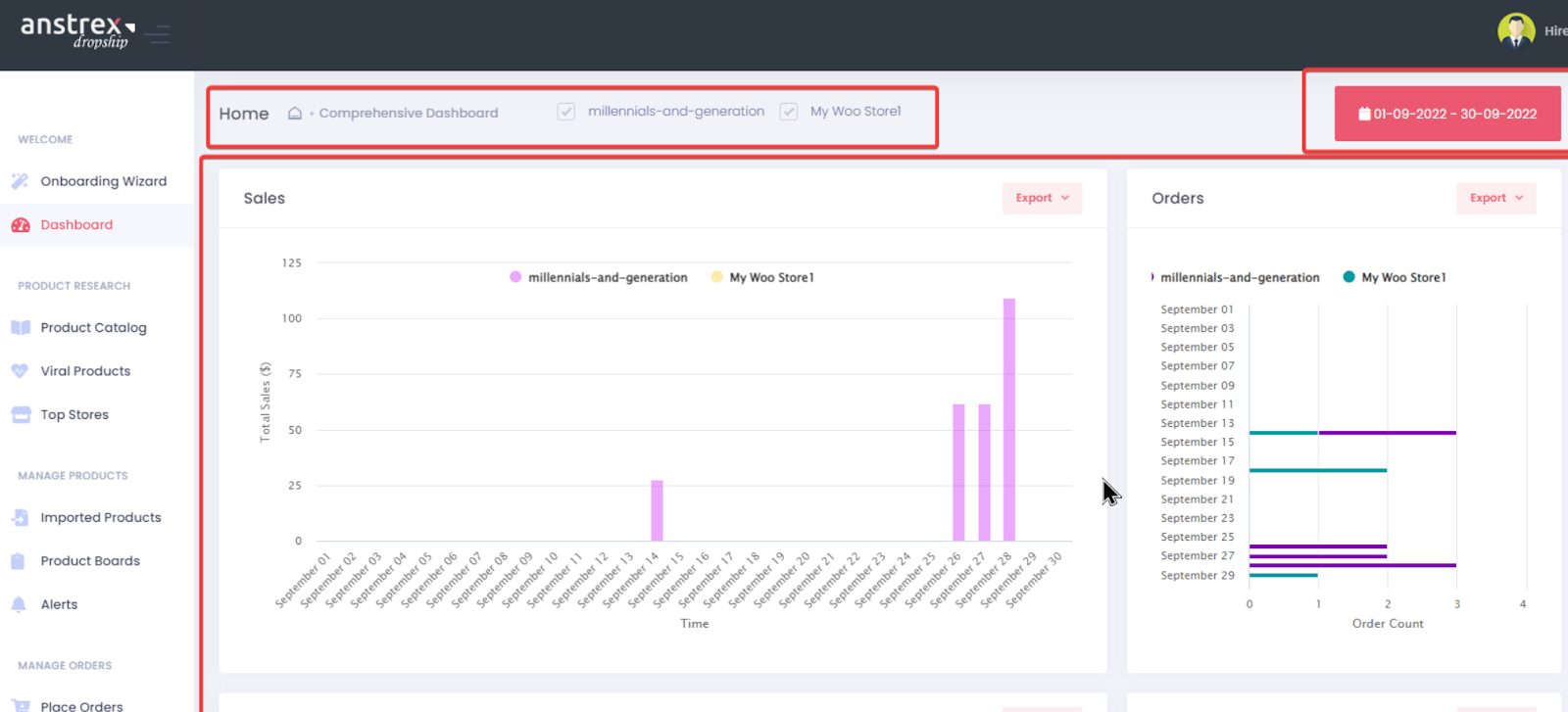
Anstrex is a bit off the radar in dropshipping circles but is extremely strong when it comes to native and push advertising.
It may not be TikTok-first but Anstrex is great at uncovering:
Best For: Advanced marketers looking to test native or push traffic.
What sets it apart:
Limitations: Not beginner-friendly, weak relevance for TikTok-first dropshippers.
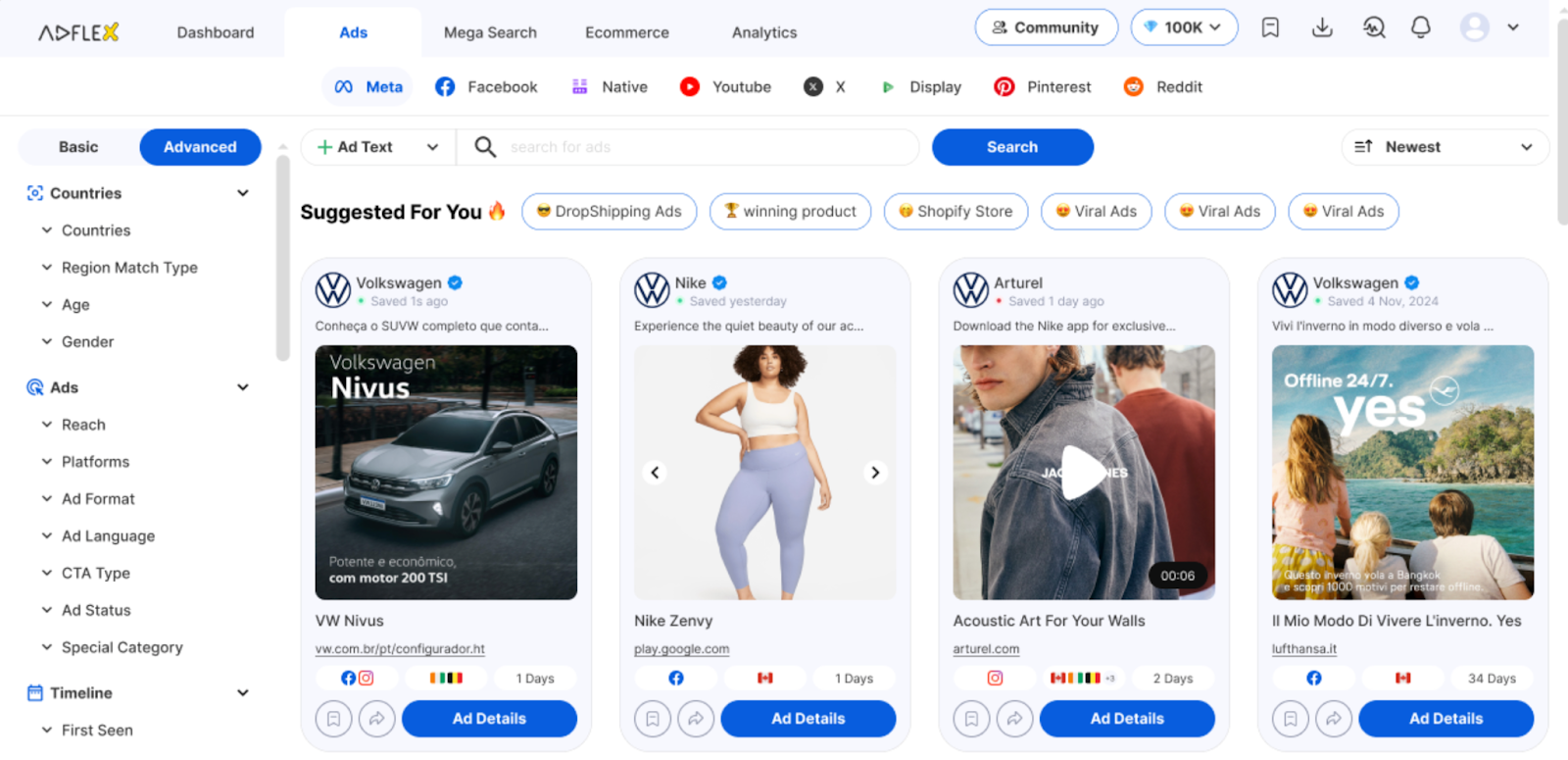
AdFlex is focused heavily on ecommerce-style Facebook ads, especially those tied to AliExpress and Shopify stores.
It’s a popular choice among:
Best For: Dropshippers looking to make the most of Facebook + AliExpress-style products.
What sets it apart:
Limitations: Limited TikTok coverage, no execution or automation features.
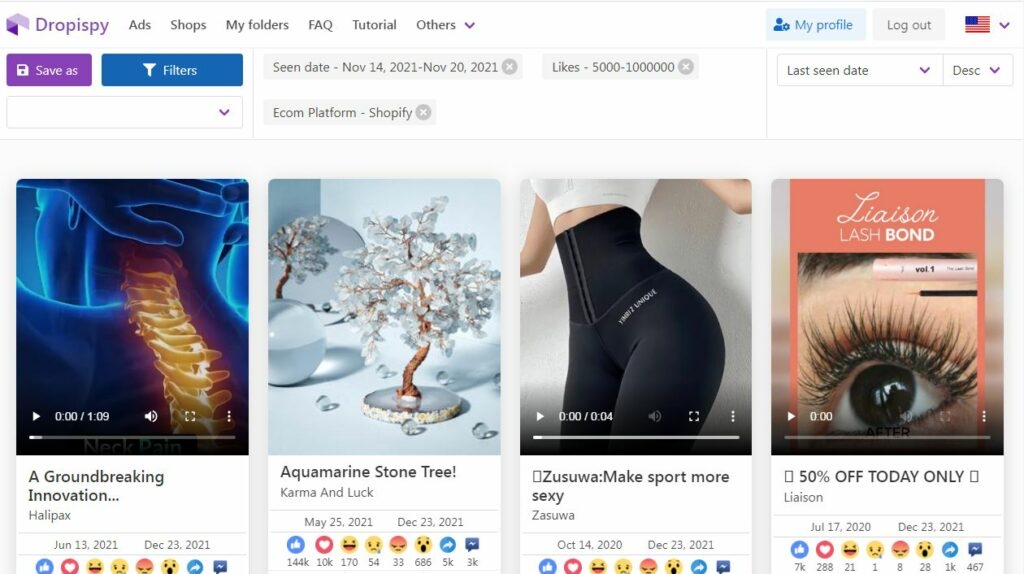
Dropispy specialises in Facebook video ads, making it ideal for sellers running UGC-style creatives.
It’s a top choice among:
Best For: Facebook video ad research.
What sets it apart:
Limitations: Facebook-only, no TikTok, no product or shop level context.
Ad spy tools help dropshippers identify what’s working on TikTok and Facebook. They cut down guesswork, speed up testing, and make product discovery less of a shot in the dark.
But once a shopper clicks an ad, trust becomes everything.
In 2026, buyers expect to see real customer feedback before they buy - and that makes all the difference.
That’s why many sellers pair their ad research stack with a review solution like Ryviu to build trust quickly, especially when launching new products.
Ad spy tools bring traffic. Customer reviews seal the deal. In a competitive dropshipping market - that difference adds up quickly.
Choosing the right ad spy tool can make a significant difference in how quickly and consistently your dropshipping business grows. By giving you access to real-world ad data, competitor insights, and emerging product trends, these tools help remove much of the trial and error from paid advertising. Whether your goal is to validate product ideas, improve ad creatives, or scale winning campaigns, a reliable ad spy tool provides a clear strategic advantage.