New to Shopify? Free trial, then $1/month for your first 3 months. Start free trial →
 Where is your store?
Ryviu works with both – pick yours to continue.








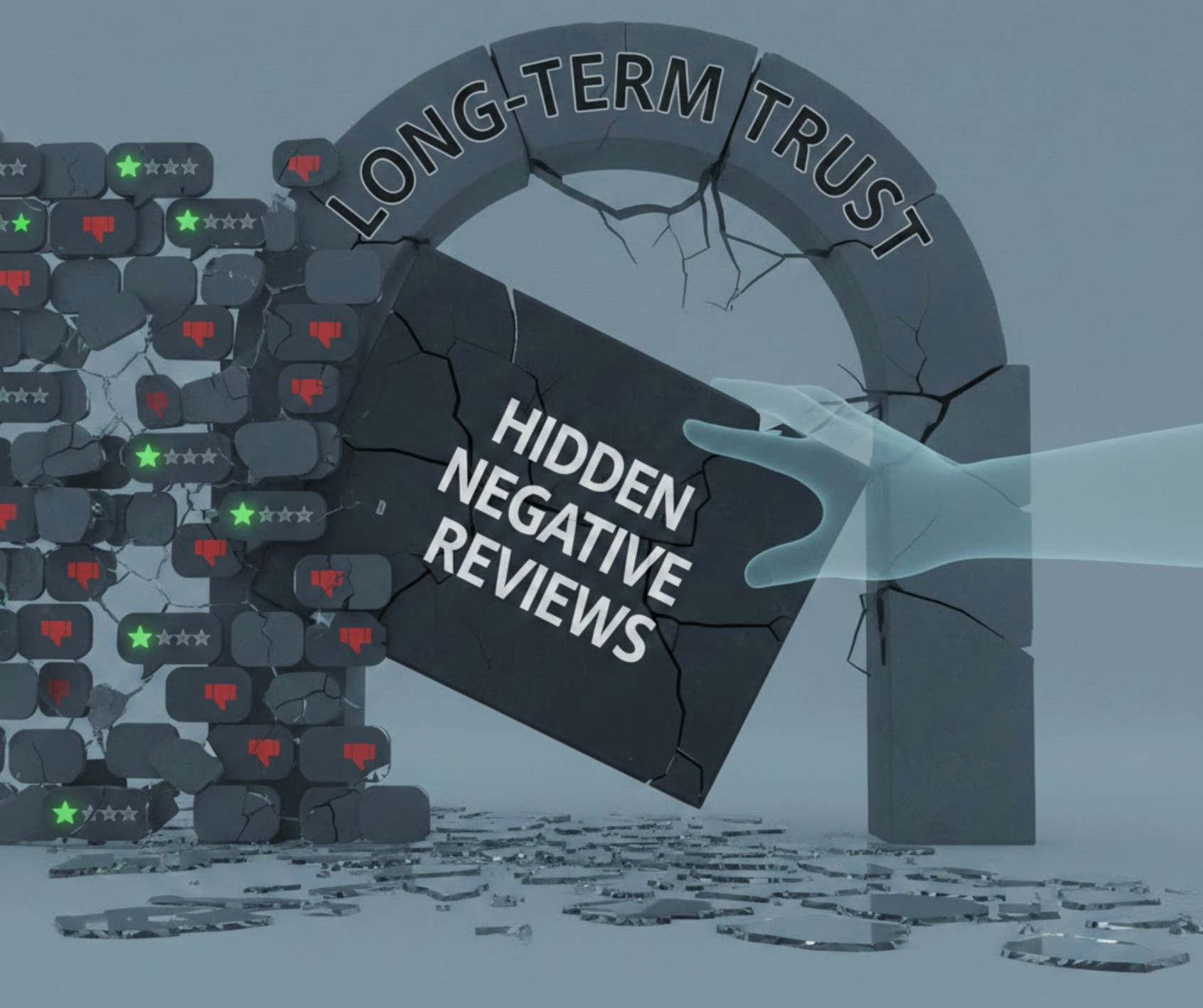
In eCommerce, trust is everything. Shoppers can’t touch products, talk to salespeople face-to-face, or instantly verify quality. Instead, they rely heavily on social proof, especially customer reviews, to decide whether a brand is worth their money.
Because of this, many store owners feel tempted to hide, filter, or delete negative reviews. At first glance, it seems logical: fewer bad reviews should make a store look better, right? In reality, doing so often backfires. Hiding negative feedback may improve short-term appearance, but it quietly damages credibility, trust, and long-term growth.
Let’s explore why suppressing negative reviews hurts your brand and why transparency is actually your strongest advantage.
Modern consumers are highly skeptical. When they see a product with hundreds of reviews and a flawless 5.0-star rating, their first thought is often not “This must be amazing,” but “Is this real?”
Perfect review profiles raise red flags. Shoppers understand that no product is ideal for everyone. Differences in expectations, usage, and personal preference naturally lead to mixed feedback. A lack of negative reviews can feel artificial, curated, or even manipulated.
Negative reviews signal authenticity. They show that:
Ironically, a few critical reviews can make positive ones more believable, and more persuasive.
When customers later discover issues that were never mentioned in reviews, trust erodes fast. A shopper who feels misled is far more likely to feel angry than someone who knowingly accepted a product’s limitations.
This trust gap often shows up as:
Once customers believe a brand is hiding information, they begin to question everything, from product descriptions to pricing and policies. Rebuilding that trust is significantly harder than maintaining it from the start.
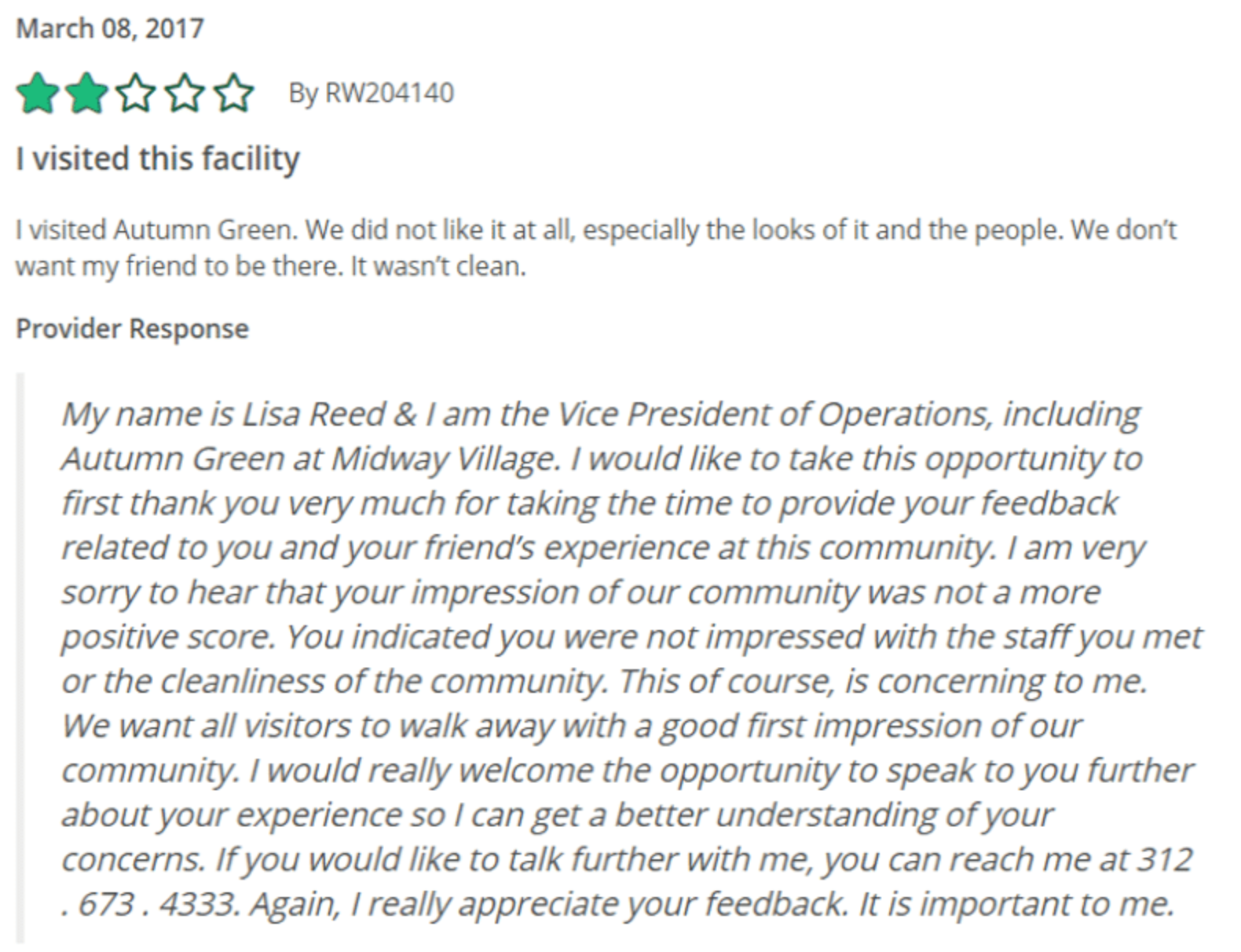
Not all negative reviews hurt conversions. In fact, many help shoppers make confident decisions.
Critical reviews often answer unspoken questions:
When shoppers read a negative review and think, “That issue wouldn’t affect me,” it actually reassures them. They feel informed, prepared, and in control.
More importantly, responses to negative reviews matter even more than the reviews themselves. A thoughtful, professional reply shows:
These signals often convert hesitant buyers better than another five-star rating ever could.
Reviews aren’t just marketing tools, they’re one of the most valuable feedback channels a business has.
Negative reviews frequently highlight:
When these reviews are hidden or deleted, businesses lose insight into real customer pain points. The result? The same issues keep recurring, customers keep getting frustrated, and growth stalls.
Brands that openly collect and analyze negative feedback can:
Transparency fuels learning. Silence fuels stagnation.
Trust isn’t built on claims, it’s built on consistency and honesty. Brands that allow all feedback to be visible send a clear message: “We stand by our products, even when they’re not perfect.”
This credibility compounds over time:
In contrast, brands known for filtering reviews often face skepticism long after the tactic is discovered. Once credibility is damaged, even genuine positive feedback may be questioned.

No matter how well-written your product descriptions are, shoppers trust fellow buyers more than marketing copy. Reviews feel unbiased, experiential, and honest, especially when they include both pros and cons.
Hiding negative reviews breaks this dynamic. It shifts reviews from “real customer voices” to “brand-controlled messaging,” which reduces their persuasive power.
Balanced review sections help customers:
Paradoxically, this often leads to higher conversion quality, fewer impulse buys, but more satisfied customers and fewer regrets.
Short-term sales can be boosted by polish and perfection. Long-term loyalty is built through honesty.
Customers who feel respected, even when something goes wrong, are more likely to:
Responding openly to negative reviews shows customers that their voices matter. That emotional connection is far more valuable than temporarily higher star ratings.
Negative reviews aren’t the enemy. Ignoring, hiding, or dismissing them is.
When brands acknowledge criticism and take visible steps to improve, negative feedback becomes a trust-building asset rather than a liability. Shoppers don’t expect perfection, they expect honesty, effort, and accountability.
By embracing transparency, brands show confidence in their products and respect for their customers. And in eCommerce, trust earned this way lasts far longer than any polished facade.
Managing reviews transparently is much easier when you’re using the right tools. Review platforms like Ryviu are designed to help eCommerce brands collect, display, and respond to customer feedback without selectively hiding inconvenient opinions. Instead of focusing on perfect ratings, Ryviu encourages a balanced review ecosystem where both positive and negative experiences are visible and credible.
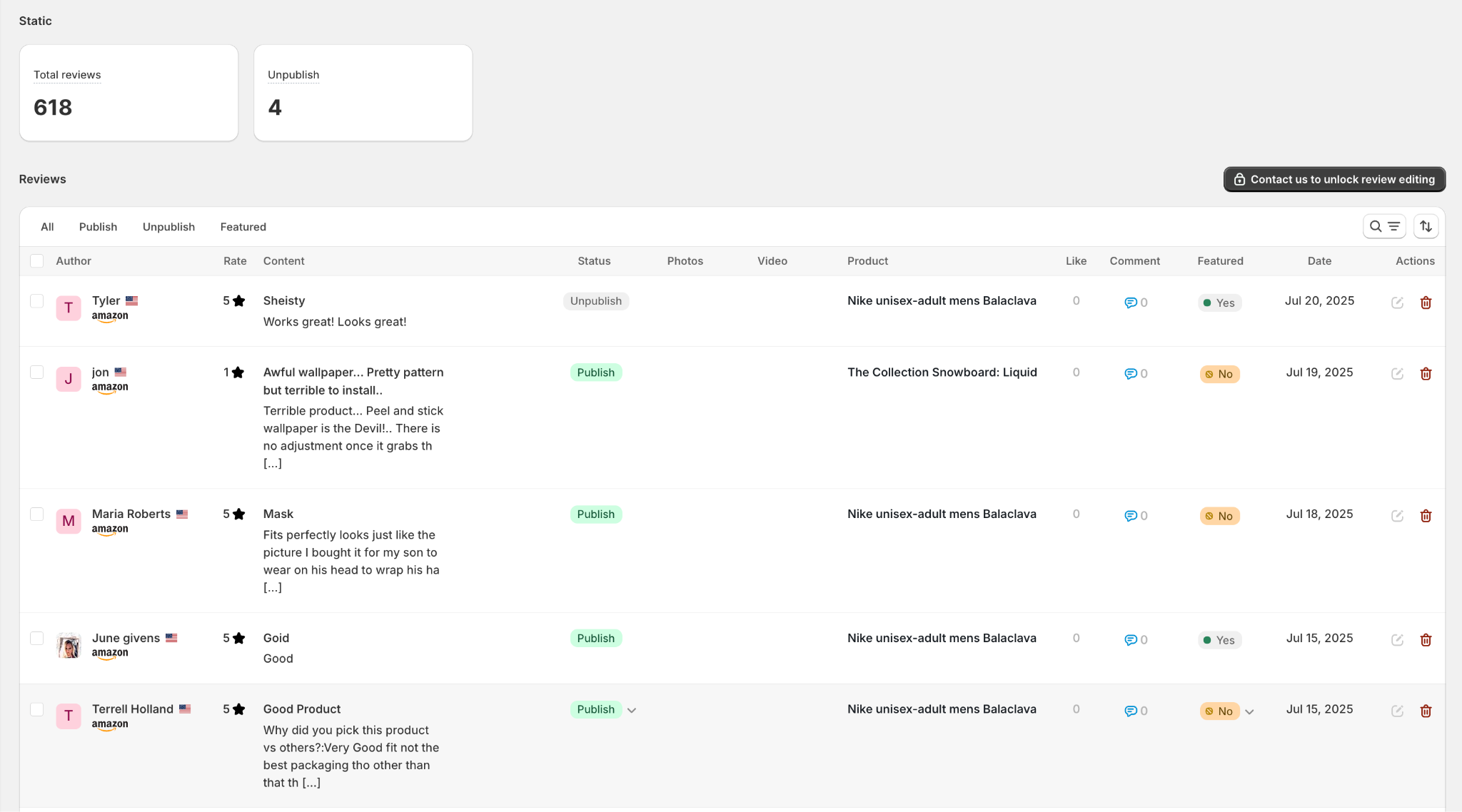
By showing real reviews, including critical ones, brands can demonstrate authenticity while still maintaining control over presentation and moderation. Store owners can reply to negative feedback directly, clarify misunderstandings, and show potential customers how issues are handled in real situations. This turns reviews from a passive rating system into an active trust-building channel.
More importantly, Ryviu helps brands use feedback as insight rather than something to fear. When negative reviews are treated as signals for improvement instead of threats to reputation, they align perfectly with long-term trust and customer loyalty, exactly what today’s shoppers are looking for.
Hiding negative reviews may seem like a quick way to protect your brand image, but over time it quietly erodes the very trust that drives sustainable growth. Today’s shoppers don’t expect perfection, they expect honesty, transparency, and a brand that is willing to acknowledge both strengths and limitations. When negative feedback is visible and handled thoughtfully, it reassures customers that what they’re seeing is real, not carefully curated.
More importantly, it signals confidence and accountability, two qualities that matter far more than a flawless star rating. In the long run, brands that embrace open feedback build stronger credibility, deeper loyalty, and more resilient customer relationships than those that try to hide imperfection.