New to Shopify? Free trial, then $1/month for your first 3 months. Start free trial →
 Where is your store?
Ryviu works with both – pick yours to continue.









Loyalty programs are designed to strengthen customer relationships, increase repeat purchases, and reward long-term commitment. Yet, many brands unknowingly undermine these goals by adding too many rules, conditions, and exceptions. What starts as a well-intentioned strategy often turns into a confusing system that customers struggle to understand and eventually ignore.
In a competitive market where attention spans are short, complexity becomes a silent engagement killer. This article explores why over-complicated loyalty rules reduce participation and, more importantly, how brands can simplify their programs without sacrificing effectiveness.
Today’s shoppers are used to seamless digital experiences. When a loyalty program requires them to decode multiple earning rates, redemption limits, or tier conditions, frustration builds fast. Instead of feeling excited about rewards, customers feel uncertain about whether they’re using the program “correctly.”
This overwhelm often leads to inaction. Customers may sign up but never actively engage, turning your loyalty program into a passive feature rather than a growth driver.
Even generous rewards lose their appeal when customers can’t easily calculate or understand them. If shoppers aren’t sure how many points they’ll earn or how close they are to a reward, the perceived value drops dramatically. In their minds, effort outweighs benefit.
As a result, customers may choose to shop elsewhere, especially with brands that offer clearer, simpler reward structures.
Hidden conditions, unclear expiration dates, or unexpected restrictions can make customers feel misled. Once trust is damaged, loyalty programs do the opposite of what they’re meant to do: they push customers away. Transparency and simplicity are essential for maintaining long-term confidence in your brand.
Many loyalty programs become confusing due to small decisions that pile up over time. Individually, these rules may seem harmless, but together they create friction.
From a customer’s perspective, these rules feel like obstacles rather than incentives.
Designing a simple loyalty program doesn’t mean lowering its impact. In fact, simplicity often increases participation, satisfaction, and long-term engagement. The following principles help brands remove friction while maintaining strong motivation.
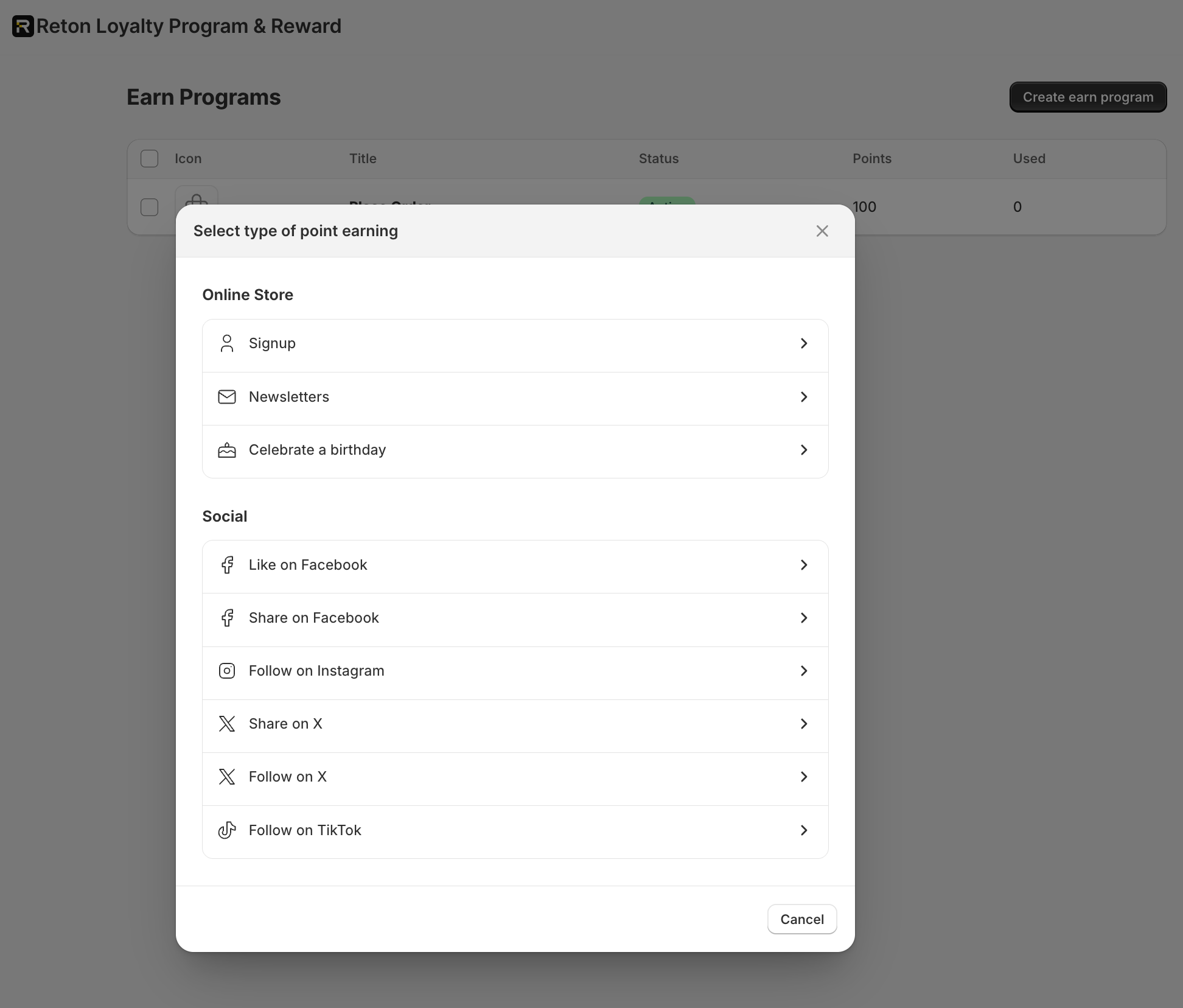
At the heart of every successful loyalty program is a clear and intuitive foundation. Customers should immediately understand how the program works without reading lengthy explanations. A simple structure builds confidence and encourages action.
To make this happen, focus on clarity before creativity.
This ensures customers engage naturally instead of hesitating.
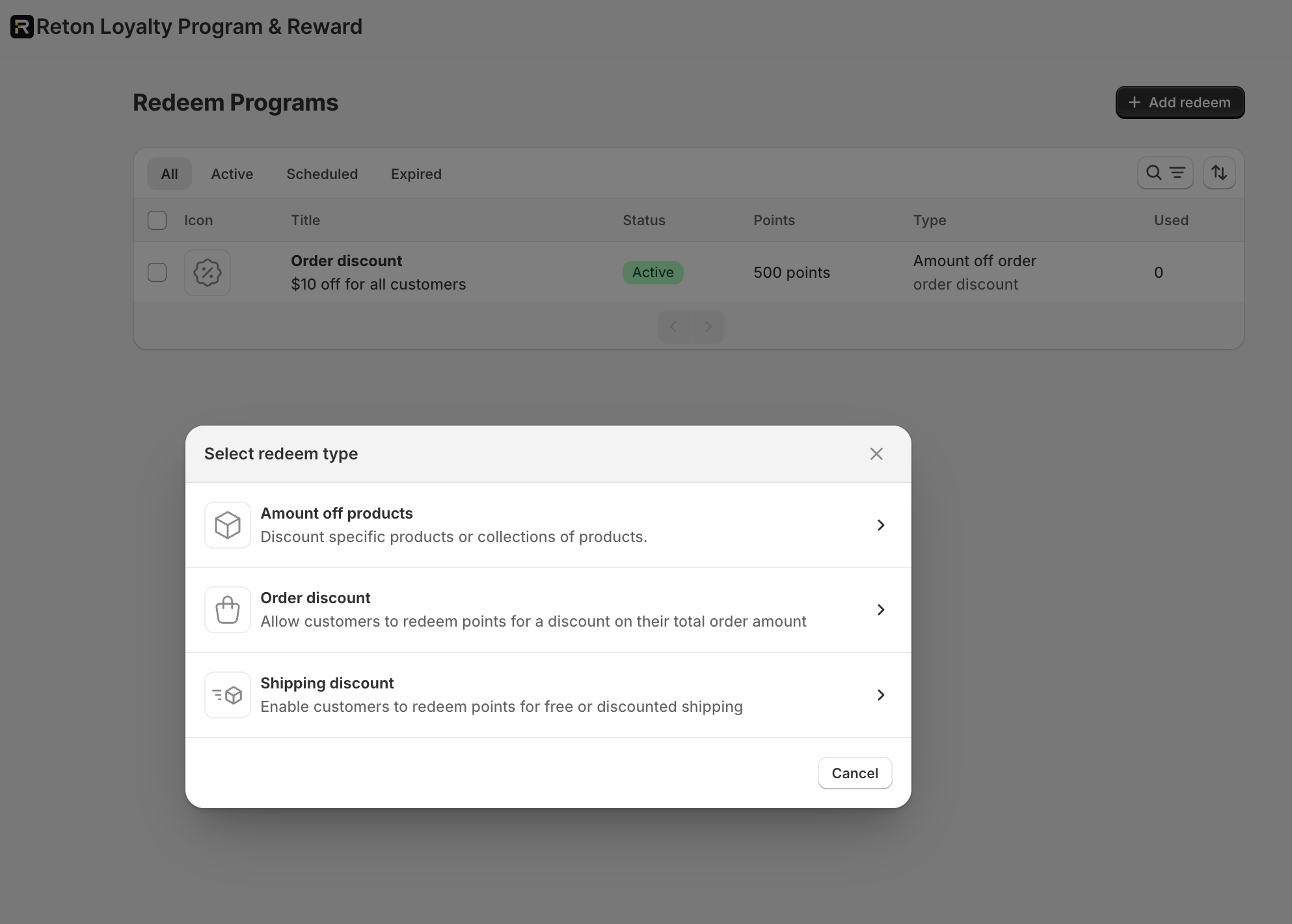
Redemption is where loyalty programs either succeed or fail. If customers feel that rewards are too far away or difficult to unlock, motivation drops quickly. Redemption should feel like a win, not a puzzle.
Smooth redemption keeps customers emotionally invested.
This turns points into a real, tangible benefit.
Transparency is a trust signal. When customers know the rules upfront, they feel in control and more willing to participate. Consistency also prevents confusion as customers move between pages, campaigns, or devices.
Clear communication removes doubt before it becomes dissatisfaction.
This strengthens long-term loyalty rather than short-term participation.
Visual clarity plays an important role in making loyalty programs feel simple and easy to follow. Instead of asking customers to read long explanations or remember complicated rules, clear visual cues help them quickly understand how the program works and what they can earn. Loyalty platforms like Reton help transform complex reward systems into intuitive visual experiences that customers can grasp at a glance.
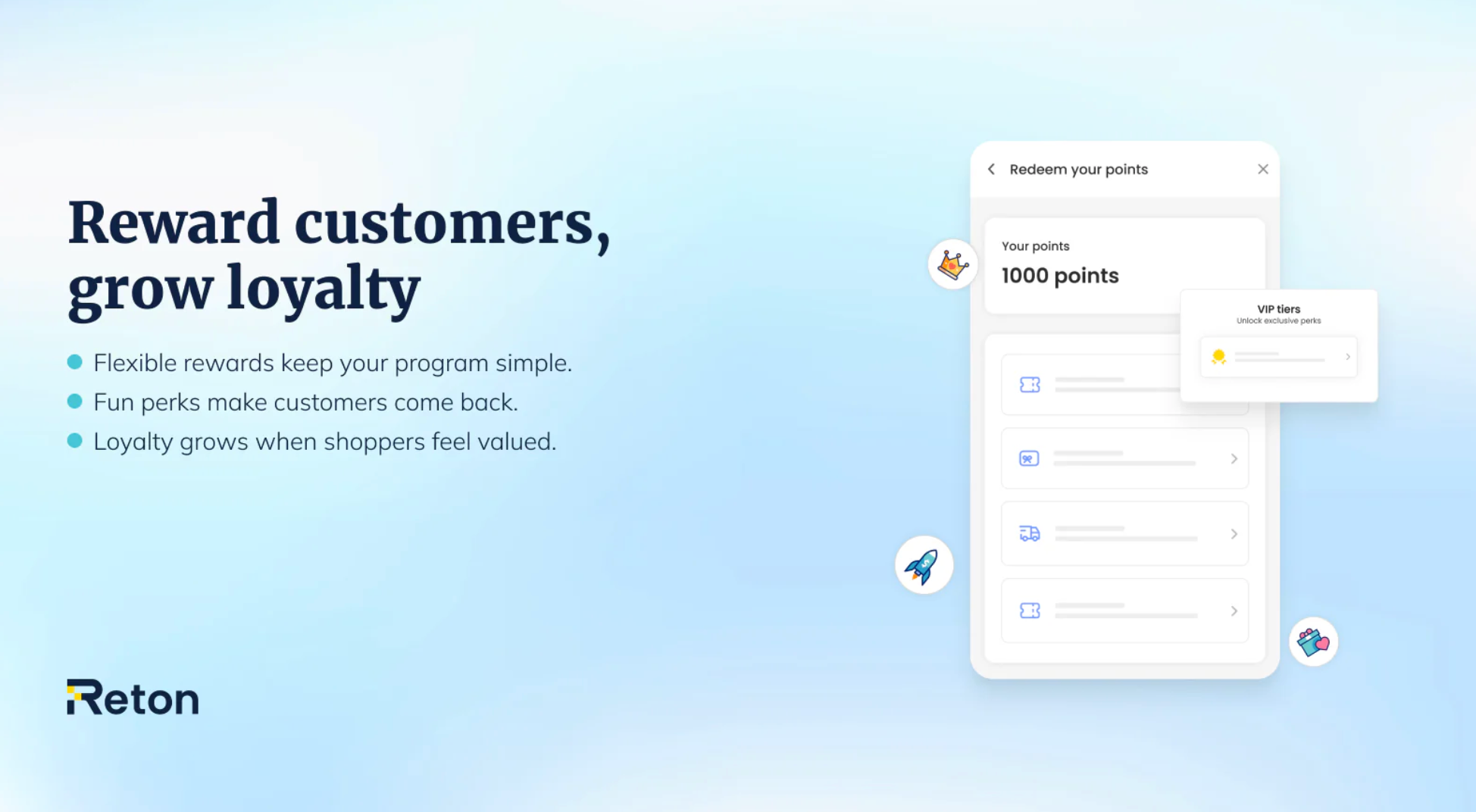
By turning points, tiers, and benefits into visual progress and reward journeys, brands can keep all the program features while still maintaining simplicity. Customers no longer feel like they need instructions, they can simply look, understand, and take action naturally.
What seems clear to internal teams may still be confusing to new users. Testing your loyalty program with fresh eyes helps uncover hidden complexity before it impacts engagement.
Simplicity should be measured, not assumed.
This ensures your program works for real customers, not just on paper.
A high-performing loyalty program doesn’t rely on complexity to drive engagement. Instead, it focuses on clarity, transparency, and ease of use. When customers understand how rewards work and can visually track their progress, they’re more likely to participate consistently.
By simplifying rules, and keeping rewards easy to redeem, brands can turn loyalty programs into powerful engagement engines. In loyalty design, simplicity isn’t a limitation, it’s a competitive advantage.