New to Shopify? Free trial, then $1/month for your first 3 months. Start free trial →
 Where is your store?
Ryviu works with both – pick yours to continue.








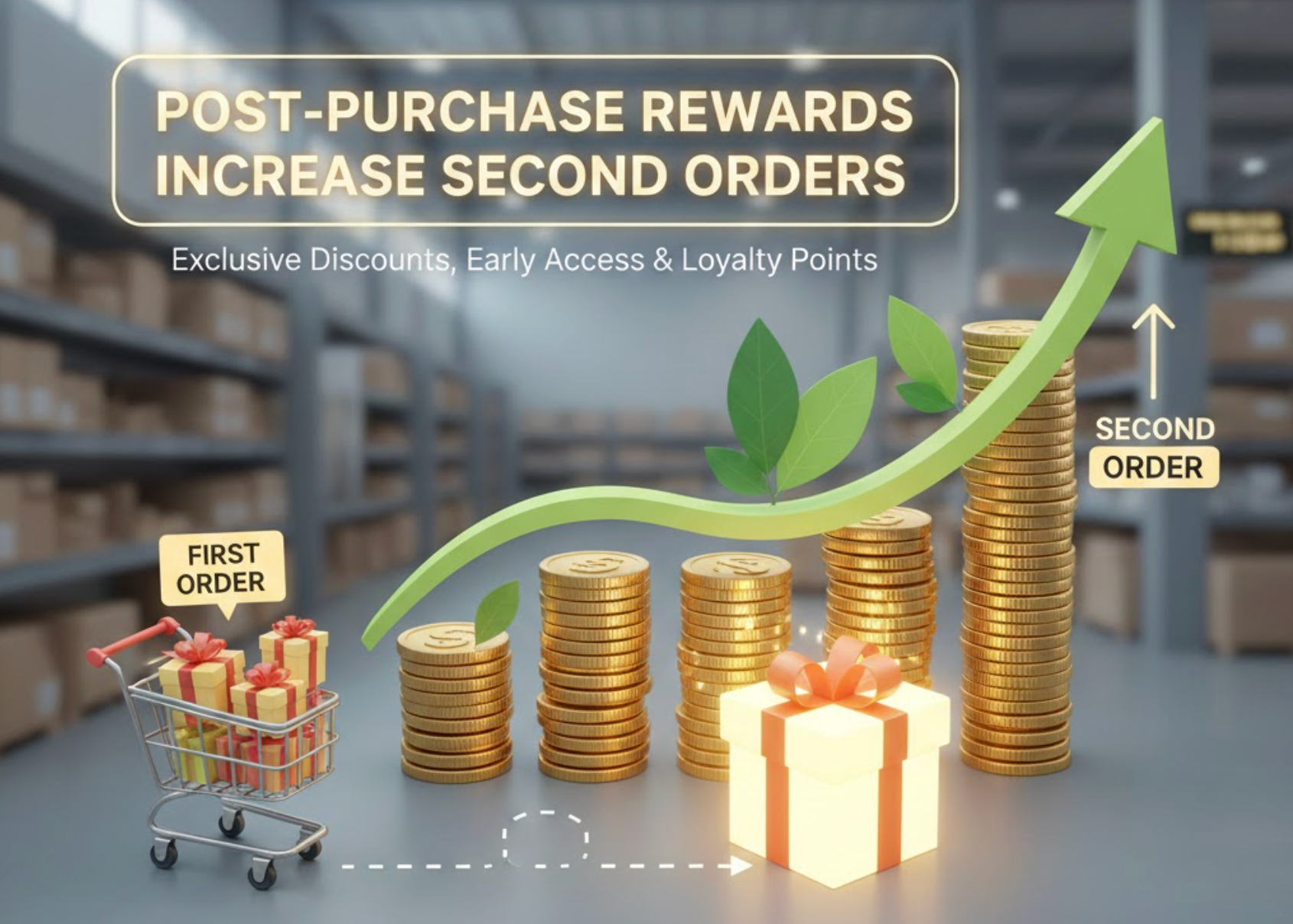
Winning a customer’s first purchase is an important achievement, but it is only the beginning of the customer journey. For most businesses, real profitability comes from repeat purchases, especially the second order, which often determines whether a customer will stay or disappear. This is where post-purchase rewards become a strategic growth lever rather than just a marketing add-on. By rewarding customers after checkout, brands can extend engagement, shape future behavior, and create a clear path toward a second purchase.
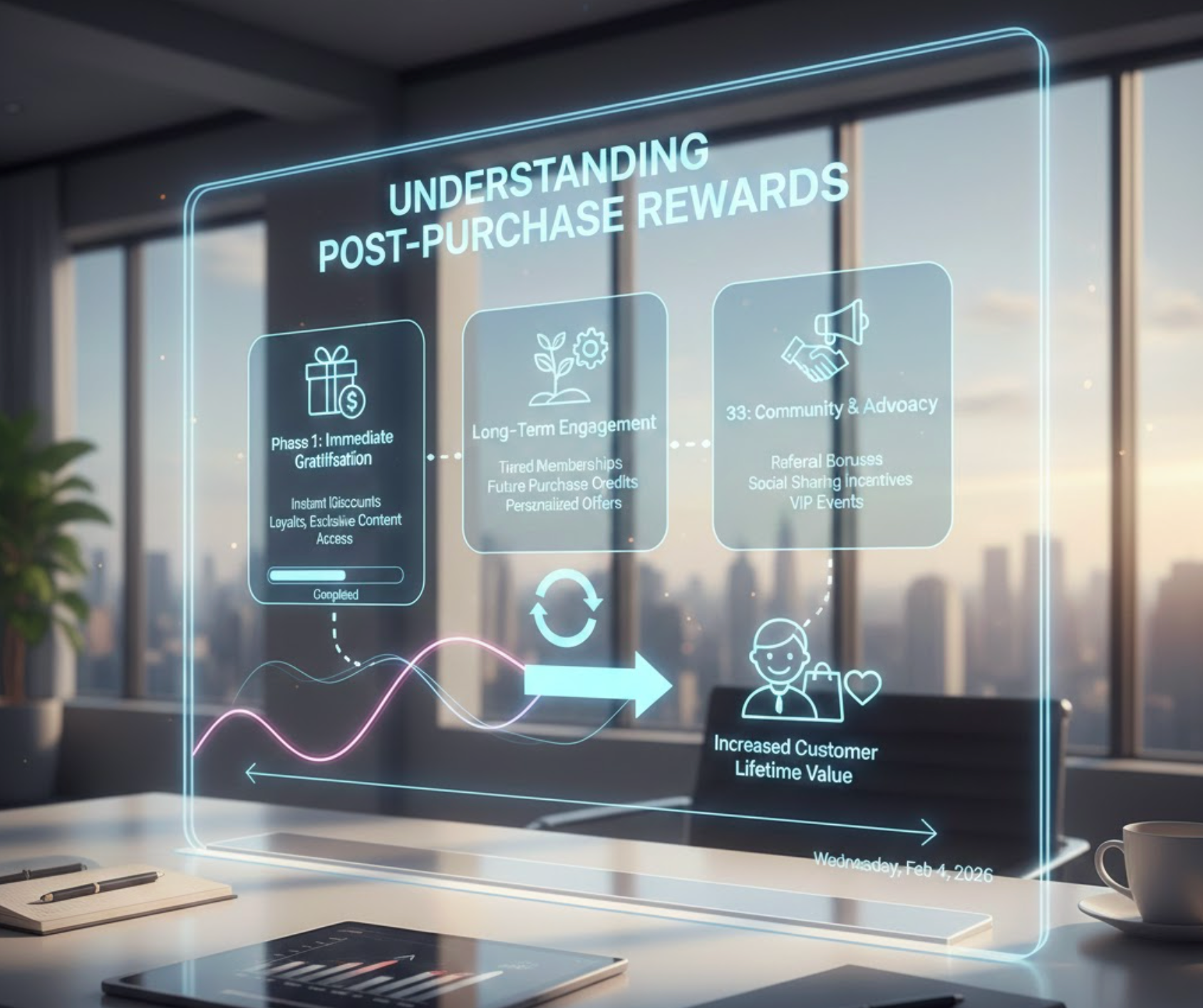
Post-purchase rewards are incentives given to customers immediately after they complete an order, rather than before or during checkout. These rewards may include loyalty points, store credits, discount codes for the next purchase, free gifts, or exclusive access to upcoming collections. Unlike traditional discounts that focus purely on conversion, post-purchase rewards are designed to influence what happens after the transaction.
This timing is crucial. Instead of reducing margin upfront, brands are investing in future value. The reward becomes a bridge that connects the customer’s first experience with the brand to their next buying decision, helping transform a single transaction into an ongoing relationship.
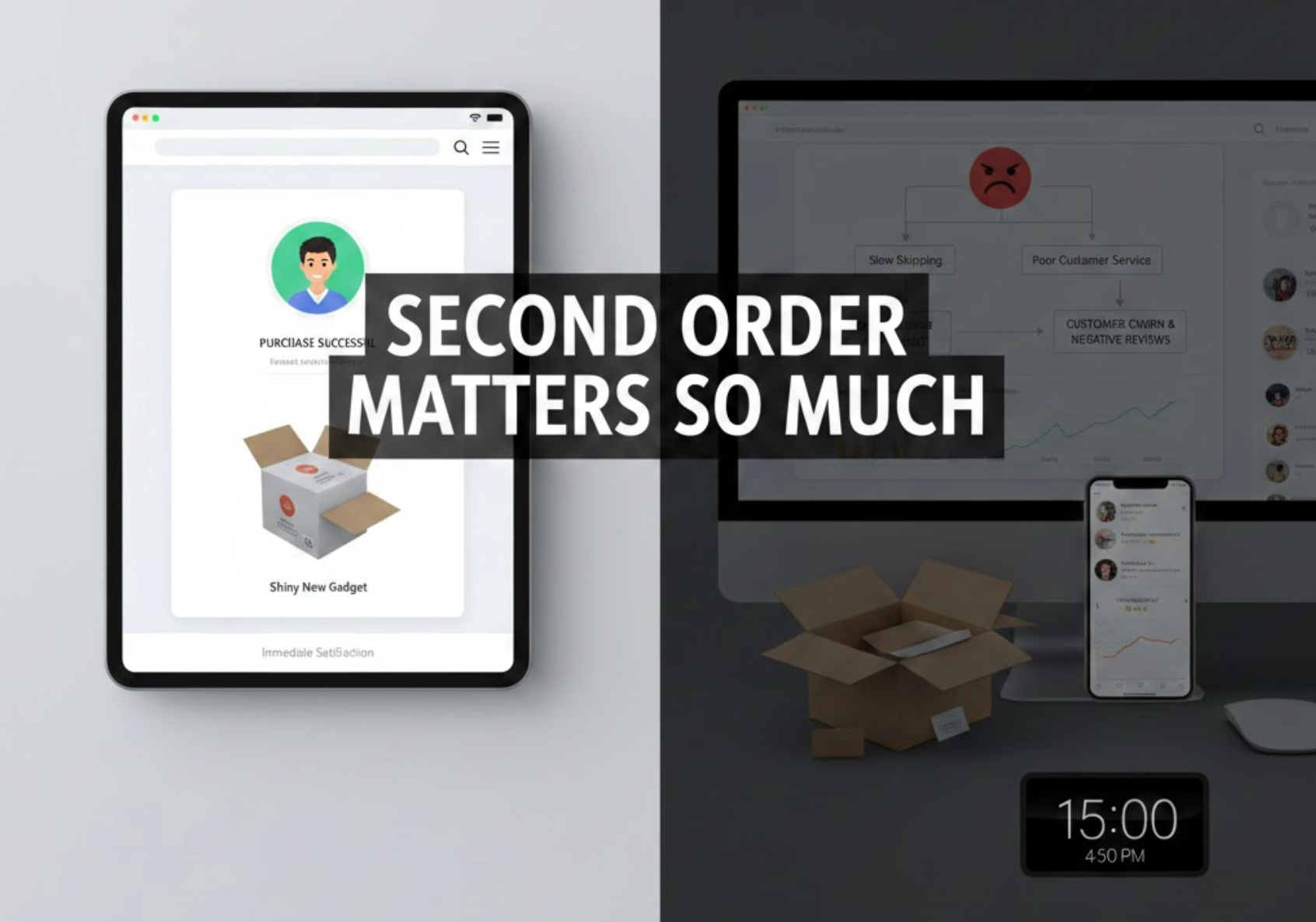
The second order is often the most difficult one to achieve, yet it is also the most valuable turning point in the customer lifecycle. Customers who place a second order tend to show higher trust, stronger brand familiarity, and greater willingness to explore additional products. From that point on, they are no longer “testing” the brand, they are choosing it.
However, without a clear reason to return, many first-time customers simply move on. Post-purchase rewards help solve this problem by creating an immediate incentive that gives customers a reason to come back sooner rather than later. In this sense, rewards act as a gentle continuation of the first purchase rather than a separate decision.
Beyond the financial value, post-purchase rewards work because they tap into powerful psychological triggers. When customers earn points, credits, or progress toward a reward right after checkout, they feel a sense of ownership and momentum. This is often referred to as the “endowed progress effect,” where people are more motivated to complete something when they feel they have already made progress.
As a result, the second order feels less like starting over and more like finishing what they have already begun. With the right messaging and structure, brands can turn rewards into a subtle nudge that keeps customers mentally connected long after the first purchase is complete.
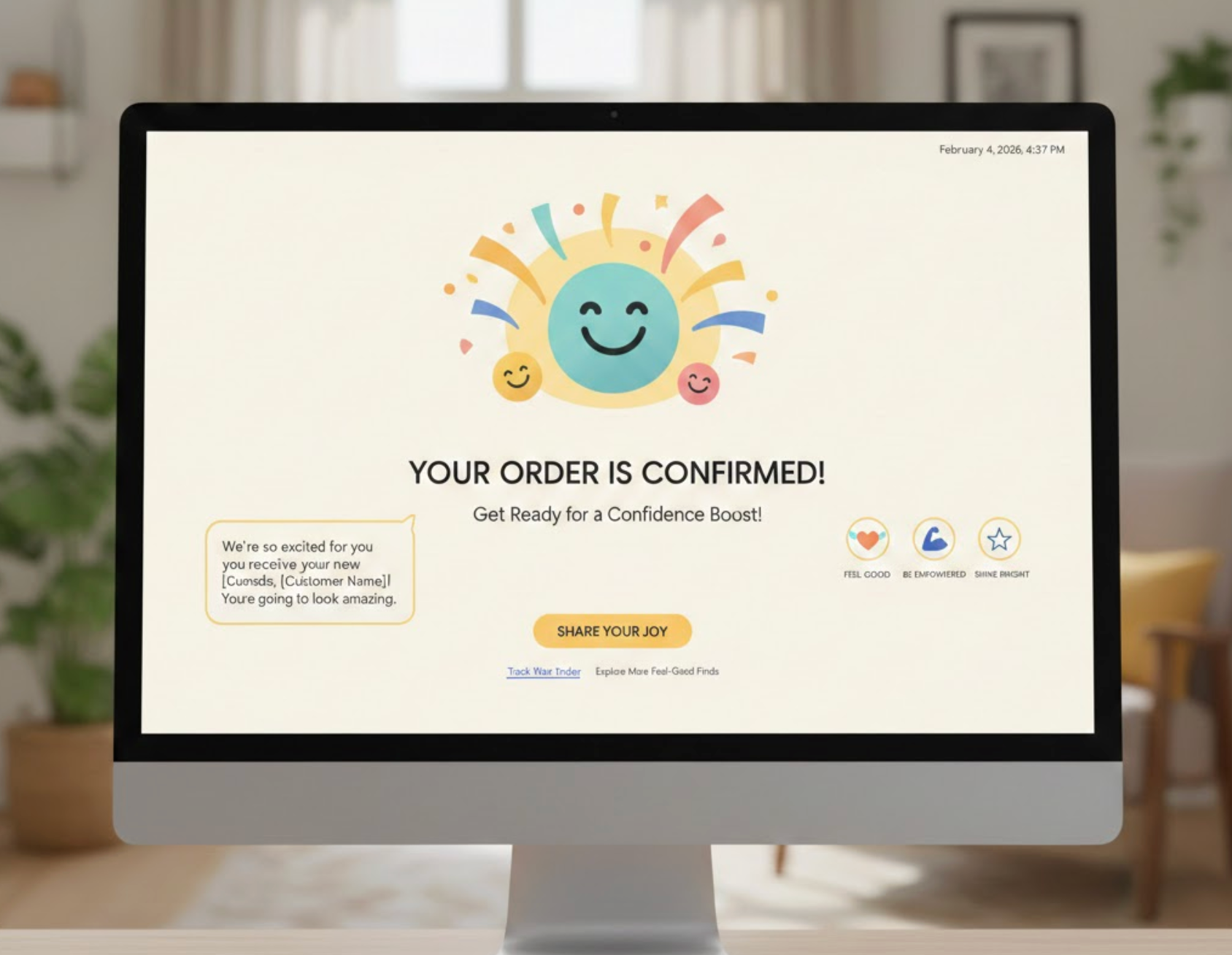
The post-purchase moment is one of the most emotionally charged stages of the customer journey. Customers often feel excitement, relief, and satisfaction immediately after completing an order. Introducing a reward at this stage amplifies those emotions and replaces any potential doubt with reassurance.
Instead of wondering whether they made the right choice, customers feel rewarded and appreciated. Over time, these positive emotional associations play a key role in shaping repeat behavior. When customers remember how a brand made them feel after their first purchase, returning for a second one becomes a natural step.
While rewards alone are powerful, timing makes them even more effective. Post-purchase rewards often work best when paired with gentle urgency, such as limited-time validity or progress-based incentives. This approach creates motivation without pressure, guiding customers toward a timely return.
By shortening the gap between the first and second purchase, brands reduce the risk of losing customer attention. Faster repeat purchases also strengthen brand recall and increase lifetime value, making post-purchase rewards a practical tool for long-term growth rather than a short-term tactic.
One of the biggest advantages of post-purchase rewards is their ability to shape long-term behavior. When customers consistently receive value after each purchase, buying again becomes habitual rather than transactional. Over time, this shifts the customer mindset from “Should I buy again?” to “I’ll earn more value if I do.”
This habit-building effect is especially strong when rewards are part of a transparent and easy-to-understand system. Instead of chasing discounts, customers stay engaged because they see ongoing progress, making the second order the first step toward sustained loyalty.
To fully unlock the potential of post-purchase rewards, brands must pay close attention to how those rewards are delivered and communicated. A strong reward strategy only works when customers clearly understand what they earned and feel motivated to use it. Execution, timing, and clarity all play a key role in turning post-purchase incentives into repeat purchases.
When these elements work together, post-purchase rewards feel like a genuine benefit rather than a forced promotion.
Delivering effective post-purchase rewards requires more than simply offering points or discounts, it depends on how smoothly those rewards are integrated into the customer experience. Shoppers should feel rewarded immediately, without needing extra steps or explanations. This is why a well-structured loyalty system plays such an important role in turning post-purchase incentives into repeat behavior. Reton is designed to support this process by making rewards clear, automatic, and easy for customers to understand.
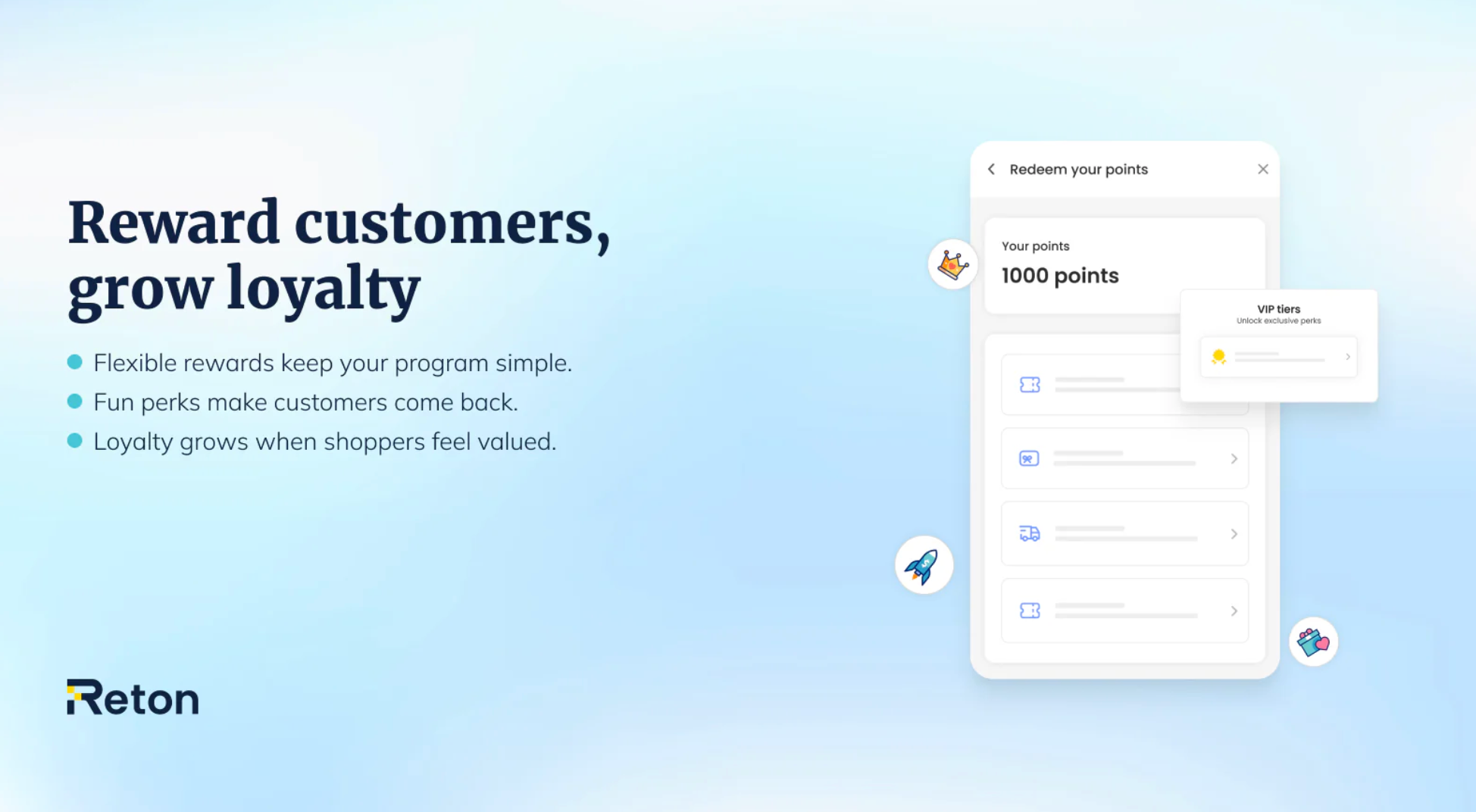
To connect post-purchase rewards directly with second-order motivation, Reton focuses on practical features that guide customers back naturally:
Post-purchase rewards play a vital role in increasing second orders by extending engagement beyond checkout. Through psychological motivation, emotional reinforcement, and well-timed incentives, they help brands guide customers toward repeat purchases naturally. When supported by the right tools and a clear reward structure, such as those enabled by Reton, post-purchase rewards become a long-term growth engine rather than a short-term incentive. In today’s competitive landscape, turning first-time buyers into repeat customers often starts with what happens after the sale.