New to Shopify? Free trial, then $1/month for your first 3 months. Start free trial →
 Where is your store?
Ryviu works with both – pick yours to continue.








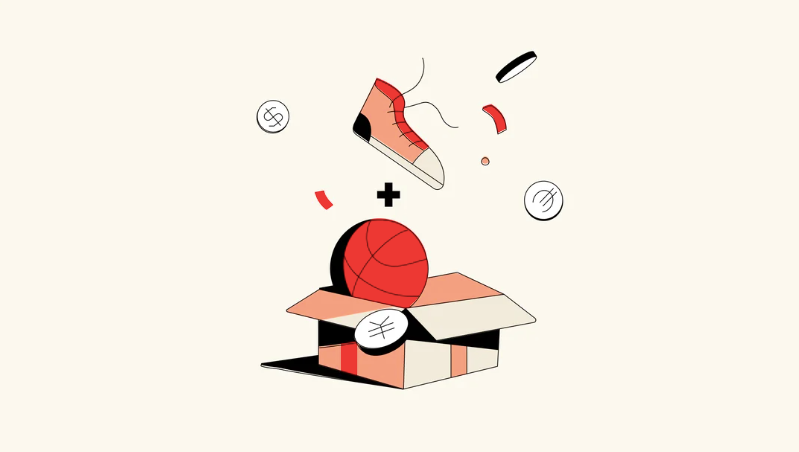
In the fast-paced world of eCommerce, competition is fiercer than ever. Thousands of dropshippers sell the same products, often sourced from the same suppliers. The challenge isn’t just finding trending items—it’s standing out in a sea of identical offers. One of the most effective ways to do this is by creating dropship bundles—unique product combinations that deliver more value to customers without requiring you to hold any physical inventory.
Product bundling has long been a proven retail strategy. It increases average order value (AOV), improves customer satisfaction, and helps differentiate your store from others. In dropshipping, bundling allows you to sell “unique” packages that feel custom-made for your audience while still relying on suppliers to fulfill the orders individually.
This article will explore how dropship bundles work, why they’re so powerful, and how to create your own without holding stock. You’ll learn practical strategies, examples, and tools to help you launch bundle offers that enhance both your profits and your customers’ experience.
Dropship bundles are combinations of two or more complementary products sold together as one package, even though the items come from separate suppliers or listings. The idea is to offer customers a convenient, themed solution instead of a single item.
For example:
In traditional retail, you’d need to stock these products, assemble them, and ship them as one unit. But in dropshipping, you can virtually bundle the items—meaning you market and price them as a set while still having suppliers ship each item separately to the customer.
The key advantage is that you can differentiate your store and boost profits without increasing operational risk.
Bundling taps into powerful psychological and business principles that make it attractive for both shoppers and sellers.
When customers see multiple products grouped together, they instinctively view it as a better deal—even if the bundle costs slightly more. A well-designed bundle communicates “more for your money” and makes buying feel like a smart decision.
Every eCommerce seller wants customers to spend more per transaction. Bundles encourage this naturally by combining complementary products that make sense together. Instead of selling a $20 product, you can easily turn it into a $40 or $50 order.
Bundles reduce “decision fatigue.” Instead of comparing dozens of similar items, customers are offered a ready-made solution that feels convenient and curated. This helps reduce abandoned carts and improves conversion rates.
In the dropshipping world, where many stores sell identical SKUs, bundling lets you stand out without creating new products. A creative bundle with a compelling name, description, and design can feel completely unique—even if the individual items are common.
Now that you know why bundling is so powerful, let’s dive into how to do it in practice—without stocking any products yourself.
Begin with products that naturally go together or solve a shared problem. The goal is to make the bundle feel logical and valuable, not random.
Here are some examples of great bundle themes:
When choosing bundle items, focus on products that:
Several Shopify and WooCommerce apps let you create virtual product bundles that link multiple SKUs into a single listing. When a customer purchases the bundle, the app automatically splits the order and sends it to each supplier for fulfillment.
Popular tools include:
These tools allow you to display bundled products on one product page, customize pricing, and even track stock automatically.
Your product description is key to making the bundle appealing. Don’t just list what’s included—sell the experience.
For example:
Instead of saying “Includes candle, bath bomb, and soap,” say:
“Transform your evening into a spa experience with our Relax & Restore Bundle—everything you need for a calming self-care ritual delivered straight to your door.”
Use lifestyle imagery that shows all products together to help customers visualize how they’ll use them. Even if the items ship separately, the visuals should make them feel cohesive.
The best bundles offer perceived savings without cutting deeply into your margins. Typically, customers expect a 10–20% discount compared to buying each item individually.
You can also use value-based pricing, where the emotional appeal of convenience or exclusivity allows you to charge more. For example, a “complete skincare routine” bundle can cost more than the sum of its parts if it feels like an expert-curated set.
Always factor in supplier costs and shipping fees when pricing your bundles to ensure profitability.
The biggest challenge in dropship bundling is ensuring a smooth customer experience—especially since each product may come from different suppliers.
When items in a bundle are shipped separately, customers might receive multiple packages on different days. This can lead to confusion or disappointment if they expect a single delivery.
To manage expectations:
Consistency is key. Work only with suppliers who have a solid track record for quality, packaging, and shipping reliability. Ideally, partner with suppliers from the same region to minimize delays.
Apps like DSers, AutoDS, or CJ Dropshipping allow you to sync multiple suppliers, manage inventory, and automate order processing to minimize errors.
Before promoting a new bundle, order the items yourself to ensure compatibility and consistent branding. You’ll be able to spot any packaging mismatches, delays, or quality issues early on.
Once you confirm everything works smoothly, you can confidently scale your marketing campaigns.
Creating a great bundle is only half the work—you also need to market it effectively. Here’s how to make your unique combos stand out.
A successful bundle isn’t about random products—it’s about solving a problem or fulfilling a desire. Craft a compelling story that connects emotionally with your audience.
For example:
Stories sell. They transform a collection of items into an experience customers can relate to.
Make it clear how much customers save by buying the bundle versus individual products. Display a comparison like:
Bundle Value: $79 → You Pay: $59 (Save $20!)
Visual savings cues like this increase conversion rates significantly.
Encourage buyers to share photos or reviews of their bundles on social media. Showcase these images on your product pages to build credibility and trust.
A customer photo of their “Work-from-Home Starter Pack” neatly arranged on a desk is more persuasive than any stock image.
Scarcity drives urgency. Promote your bundles with time-sensitive deals such as:
Short campaigns create excitement and encourage faster purchasing decisions.
Even the best ideas can stumble without proper execution. Here are a few pitfalls to avoid:
By learning from these common challenges, you can refine your approach and ensure your bundles deliver consistent value.
Beyond short-term sales boosts, bundling can strengthen your brand identity. When you consistently curate combinations that solve customer problems or fit their lifestyle, you position your brand as a trusted guide—not just another retailer.
Bundles also make your marketing content more engaging. Instead of promoting single products, you can tell stories around complete experiences—“Your Daily Fitness Essentials” or “Travel Light Kit.” These bundles communicate purpose, expertise, and a customer-first mindset.
Over time, this approach builds loyalty. Customers who love your bundles are more likely to return for complementary sets or recommend your store to friends.
The next frontier in dropshipping bundling lies in automation and personalization. AI-driven tools can analyze purchase behavior and suggest bundle combinations that maximize conversions.
Imagine an AI system that automatically detects frequently purchased pairs—like phone cases and chargers—and creates dynamic bundles in real time. Or a system that customizes bundle recommendations for each shopper based on browsing history.
This level of personalization will make dropship bundles even more powerful. As technology evolves, merchants who adopt smart bundling early will have a clear advantage in both customer experience and profitability.
Dropship bundles are one of the most creative ways to grow your eCommerce business without holding any stock. They allow you to transform ordinary products into curated experiences that increase value, customer satisfaction, and profits—all while relying on your existing suppliers.
By carefully selecting complementary items, setting clear expectations, and telling a compelling story, you can turn your store into a destination for smart, thoughtful shopping rather than generic offers. Bundles not only increase sales but also help build a stronger, more recognizable brand.
In an industry where everyone sells the same things, uniqueness isn’t about what you sell—it’s about how you package it. And with dropship bundles, you have all the flexibility to stand out, delight your customers, and scale your business with confidence—no inventory required.