 New to Shopify? Free trial, then $1/month for your first 3 months. Start free trial →
 Where is your store?
Ryviu works with both – pick yours to continue.









Customer reviews that compare your product to competitors are both a challenge and an opportunity. They reveal how your brand is positioned in the real world, beyond marketing claims. More importantly, they show what truly matters to customers when they choose between options.
Handled well, these reviews can strengthen trust and influence future buyers. Handled poorly, they can amplify doubts or even push customers toward competitors. The key lies in responding with clarity, confidence, and customer-focused insight.
Customers naturally compare products before making decisions. Reviews become a public space where these comparisons are shared openly. Understanding why this happens helps you respond more strategically.
These comparisons often reflect real buying journeys. Customers evaluate features, pricing, usability, and support across multiple brands. When they write reviews, they summarize those experiences for others.
These comparisons are often shaped during the post-purchase evaluation stage, when customers reflect on their experience and compare it with alternatives they considered.
To better respond, it’s essential to first understand the motivations behind these comparisons:

Ignoring reviews that mention competitors can send the wrong message. It may appear that your brand is unwilling to engage or lacks confidence. Worse, it leaves competitor claims unchallenged.
Unaddressed comparisons can shape perception without your input. Potential customers might assume the reviewer’s perspective is fully accurate. This can influence decisions in ways you could have guided.
That’s why it’s critical to recognize the risks and respond proactively:
Responding effectively requires a balanced approach. You must remain professional, avoid defensiveness, and focus on the customer’s experience. The goal is not to “win” the comparison but to build trust.
A strong response acknowledges the reviewer’s perspective. It also reinforces your unique value without dismissing competitors. This approach shows confidence and respect.
To apply this effectively, follow these guiding principles:
Positive comparisons are a powerful form of social proof. They show that your product stands out in real-world decisions. However, even positive feedback requires thoughtful responses.
Simply saying “thank you” is not enough. You should reinforce what made the difference and show appreciation for the insight. This helps future readers understand your strengths more clearly.
To respond effectively, consider these strategies:
When responding, clarity and tone matter more than length. A well-structured response can amplify the impact of the review. It also signals professionalism to future readers.
Here’s how you can structure your response:
Negative comparisons can feel uncomfortable, but they are incredibly valuable. They reveal gaps in your offering or communication. More importantly, they show where expectations were not met.
Crafting the right reply can be challenging, especially when customers directly compare your product with competitors. Reviewing proven review response examples can help businesses respond more confidently and professionally.
The worst approach is to become defensive. Instead, treat the feedback as an opportunity to learn and improve. A thoughtful response can even turn a negative impression into a positive one.
To handle these situations effectively:
A well-crafted response can shift perception significantly. Even if the original reviewer doesn’t change their mind, future readers will notice your effort. This builds credibility and trust.
The key is to focus on resolution rather than justification. Customers value brands that listen and adapt. This approach can differentiate you even when comparisons are unfavorable.
To achieve this transformation:
Many reviews are not purely positive or negative. Customers often appreciate certain aspects while criticizing others. These balanced comparisons are highly credible and influential.
Displaying a balanced mix of positive and negative feedback is essential for building trust. Following proven best practices for displaying product reviews can help ensure that comparisons feel transparent and credible.
Your response should reflect this balance. Ignoring either side can make your reply seem incomplete. Address both strengths and concerns with equal attention.
To respond effectively:
Responding to competitor comparisons requires care. Certain mistakes can undermine your credibility or escalate tensions. Avoiding these pitfalls is essential for maintaining trust.
Overly aggressive or defensive responses can backfire. Similarly, vague or generic replies fail to add value. Each response should feel intentional and personalized.
To avoid common errors:

Competitor comparisons are more than feedback; they are data. They reveal how your product is perceived in the market. This insight can guide product development and marketing strategies.
Analyzing patterns across reviews can uncover trends. For example, repeated comparisons on pricing or features may indicate positioning gaps. These insights are valuable for long-term growth.
To leverage this effectively:
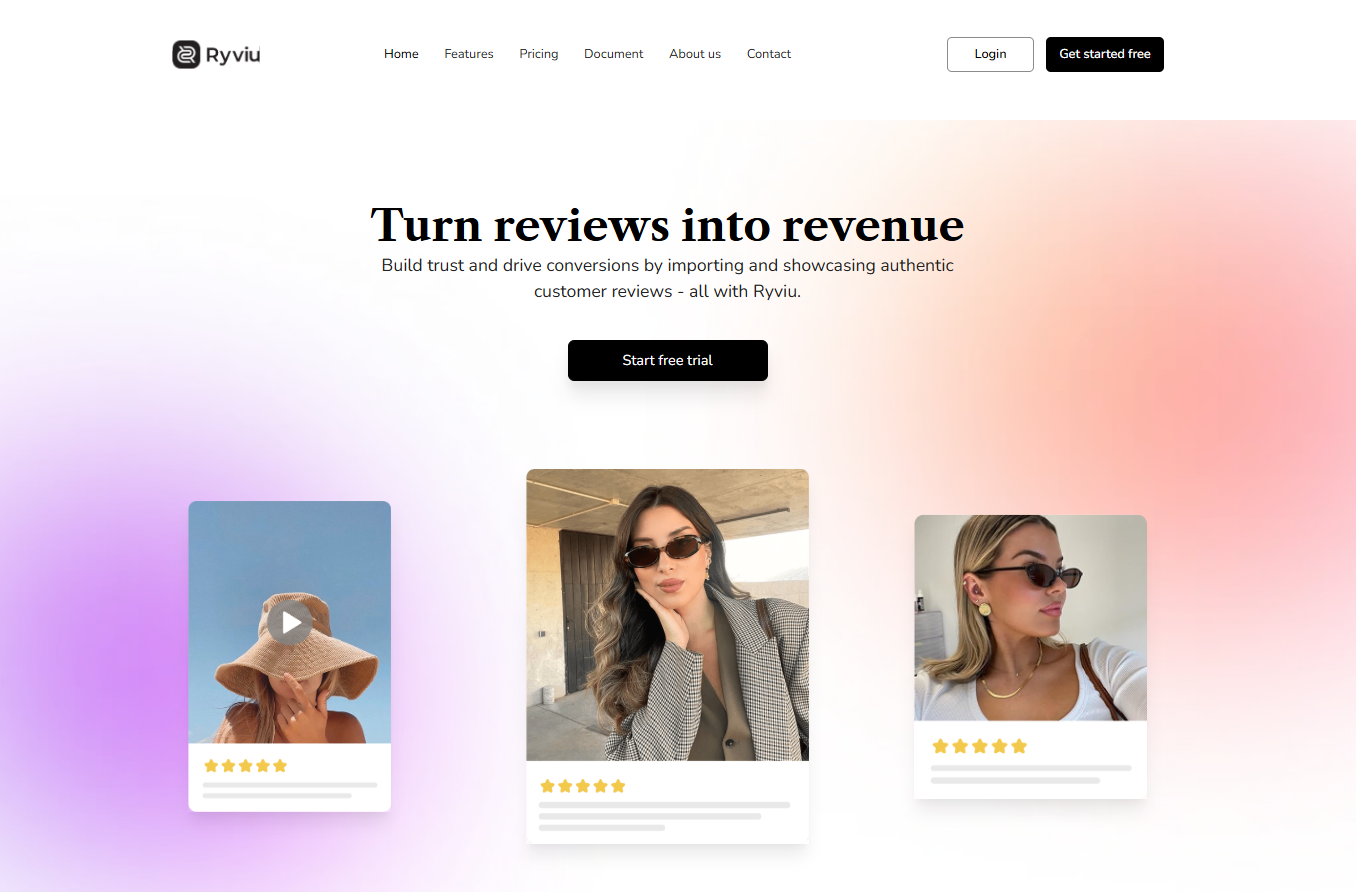
As your business grows, managing reviews manually becomes challenging. Responding consistently and thoughtfully at scale requires the right tools. This is where review management platforms become essential.
A tool like the Ryviu review app helps centralize and streamline responses. It allows you to monitor, analyze, and engage with reviews efficiently. This ensures no valuable feedback goes unnoticed.
To scale your review response strategy:
Responding to competitor comparisons is only effective if reviews are visible and accessible. A well-integrated review system ensures that feedback reaches potential customers. Visibility amplifies the impact of your responses.
Ryviu helps display reviews in a structured and engaging way. This makes it easier for customers to compare insights and trust your brand. It also encourages more users to leave detailed feedback.
To enhance visibility:
The quality of reviews matters as much as quantity. Encouraging customers to share detailed comparisons provides richer insights. This benefits both your brand and future buyers.
Ryviu enables you to collect more structured and useful feedback. It helps guide customers to provide meaningful reviews. This leads to more actionable insights.
To encourage better reviews:
Trust is built over time through consistent actions. Responding to competitor comparisons is part of this process. Each interaction contributes to your brand’s reputation.
Customers notice how you handle feedback. Thoughtful responses signal that you care about their experience. This can influence not just individual decisions but overall brand perception.
To build long-term trust:
Competitor comparisons in reviews are inevitable in today’s transparent marketplace. Instead of avoiding them, brands should embrace them as opportunities. They provide valuable insights and a chance to engage meaningfully with customers.
By responding thoughtfully, you can shape perception and build trust. The key is to remain professional, customer-focused, and transparent. Over time, this approach strengthens your brand’s credibility.
With tools like Ryviu, managing and leveraging these reviews becomes more effective. You can scale your efforts while maintaining quality and consistency. Ultimately, how you respond matters just as much as what customers say.




