New to Shopify? Free trial, then $1/month for your first 3 months. Start free trial →
 Where is your store?
Ryviu works with both – pick yours to continue.









Promotion-driven customers are those who primarily engage with a brand when discounts, deals, or special offers are available. Their purchasing decisions are highly influenced by perceived value rather than brand attachment or long-term loyalty. While they can drive spikes in revenue, they often lack consistency, making them challenging to retain outside promotional windows.
To effectively engage this segment, businesses need to understand their motivations and behaviors before designing strategies that gradually build deeper loyalty.
Traditional loyalty programs often focus on rewarding repeat purchases without considering why customers return. For promotion-driven buyers, accumulating points or rewards may feel less compelling than immediate discounts. As a result, these programs fail to shift behavior or create meaningful engagement.
To address this gap, brands must rethink loyalty structures and align them with the expectations of deal-seeking customers.
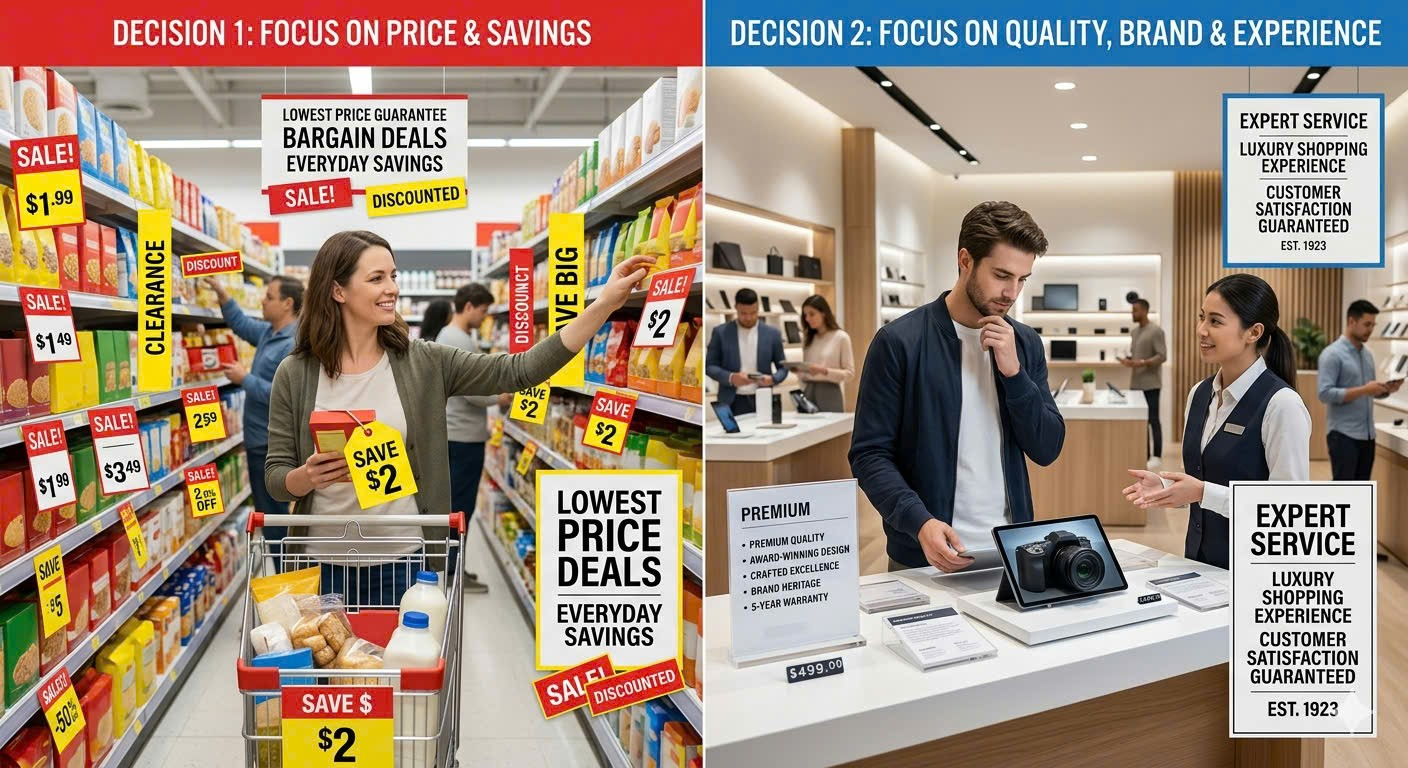
If customers only buy during promotions, the real issue isn’t pricing. It is perceived value. Brands that successfully retain these customers focus on enhancing value beyond just discounts. This includes emotional, functional, and social benefits that justify purchases at regular prices.
To make this shift, businesses need to reposition their offerings and communicate value more effectively.
Not all promotions are created equal, and not all customers respond to the same offers. Personalization allows brands to tailor deals based on individual behaviors, increasing the likelihood of engagement. This approach transforms promotions from generic discounts into targeted incentives.
Brands can further improve personalization by using review request emails, allowing them to gather meaningful feedback while strengthening engagement at key moments in the customer journey
To implement effective personalization, businesses should leverage customer data and behavioral insights.
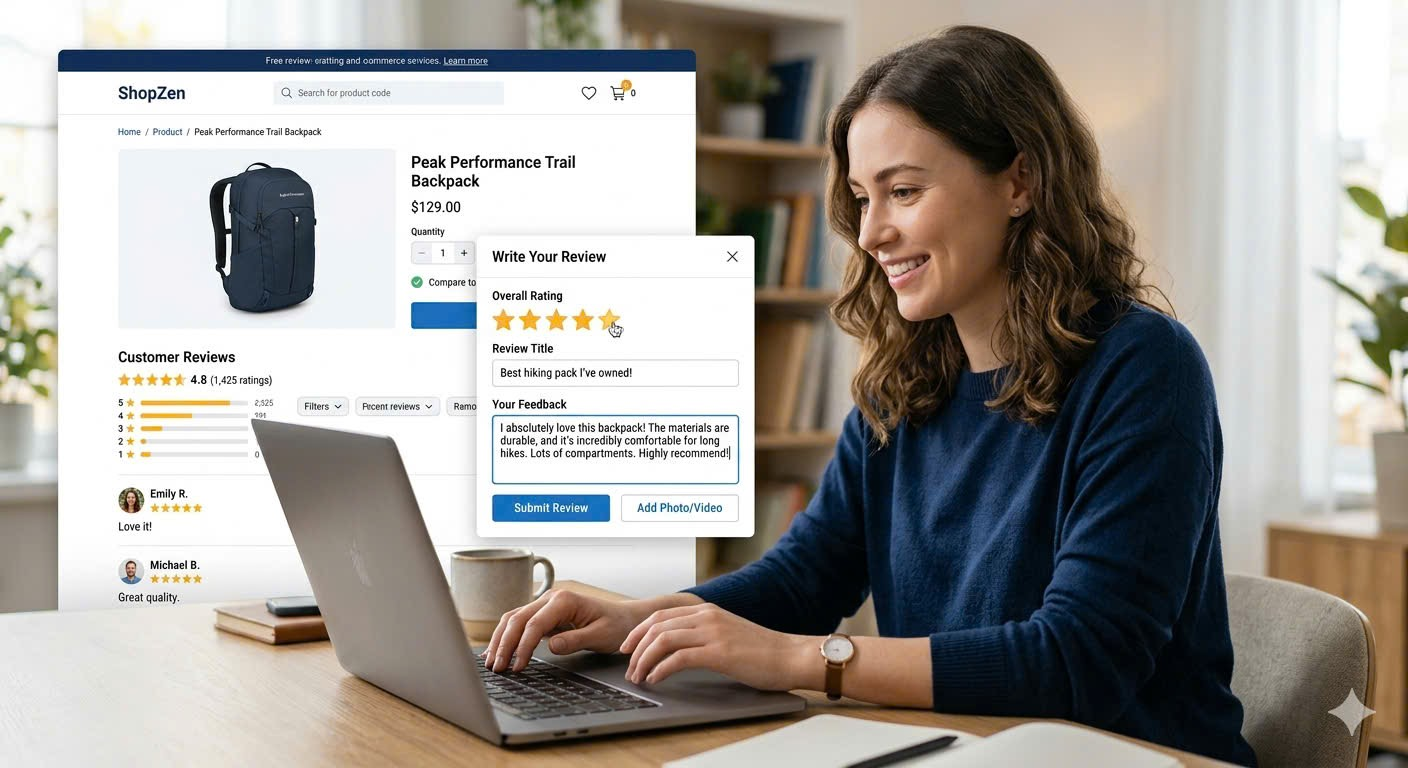
One of the biggest missed opportunities is what happens after a promotional purchase. Many brands focus on acquisition but neglect retention during the post-purchase phase. Building engagement immediately after a sale can significantly increase the chances of repeat purchases.
To strengthen this phase, brands should create structured engagement loops that keep customers connected.
A tool like the Ryviu review app can play a key role here by making it easy to collect and display authentic customer feedback, which helps reinforce trust and keeps users engaged beyond the initial purchase.
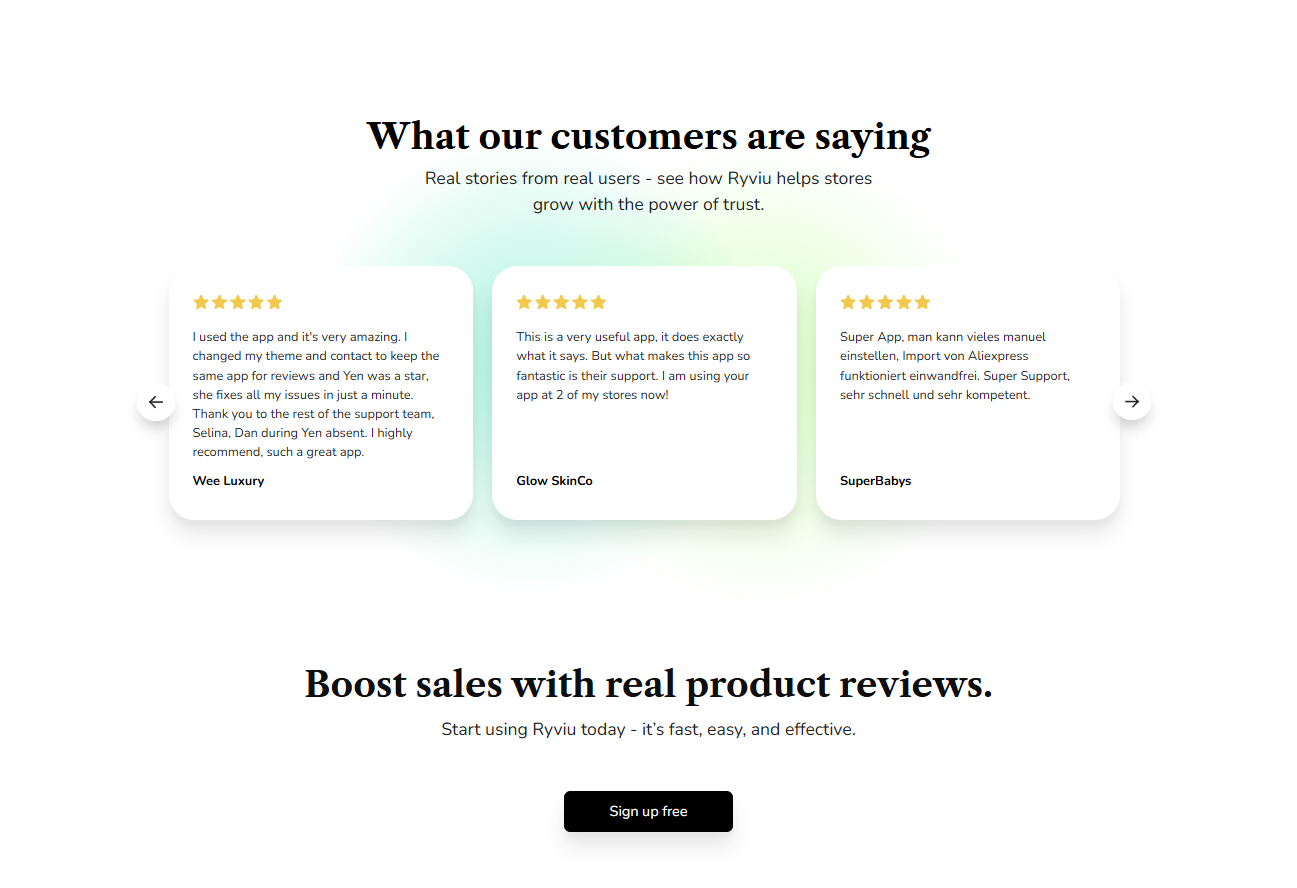
Promotion-driven customers often rely heavily on validation before making a purchase. Social proof, such as reviews and user-generated content, can reduce hesitation and increase confidence. When customers see real experiences from others, they are more likely to perceive value beyond just price.
To maximize the impact of social proof, brands should integrate it throughout the customer journey.
By using tools like Ryviu, businesses can automate review collection and present social proof in a way that directly influences purchasing decisions.
A one-size-fits-all loyalty program rarely works for promotion-focused customers, as their behavior is often driven by short-term incentives rather than long-term engagement. Tiered systems, however, provide a structured way to gradually guide these customers toward more consistent and meaningful interactions with a brand. By offering increasing benefits at each level, businesses can motivate customers to move beyond discount-only purchases and develop stronger loyalty over time.
To make tiered programs truly effective and appealing, brands must clearly communicate the value of each level while ensuring that progression feels achievable and rewarding.
Gamification introduces elements of fun, challenge, and competition into the shopping experience, making interactions feel more engaging and less transactional. For promotion-driven customers, this approach can shift their focus away from simply chasing discounts toward actively participating in the brand experience. By turning routine actions into enjoyable activities, businesses can build stronger emotional connections and increase long-term engagement.
To successfully implement gamification, brands should design experiences that feel intuitive, rewarding, and seamlessly integrated into the customer journey.
Transitioning customers from discount-only behavior to full-price purchases requires a gradual approach. Sudden removal of promotions can lead to disengagement or churn. Instead, brands should slowly introduce incentives that reduce dependency on discounts.
To achieve this, businesses need to balance promotional strategies with value-driven incentives.
True loyalty goes beyond transactions. It is rooted in emotional connection. When customers feel aligned with a brand’s values, they are more likely to engage in customer-led growth strategies rather than relying solely on promotions. Emotional loyalty creates long-term relationships that drive consistent revenue.
To foster this connection, brands should focus on authenticity and meaningful engagement.
Loyalty strategies are not static, especially when dealing with promotion-driven customers whose behaviors can change quickly over time. They require ongoing analysis, testing, and refinement to remain relevant and effective in a competitive environment. By leveraging data, businesses can gain a deeper understanding of what drives customer decisions, identify which tactics are working, and eliminate those that are not delivering results.
To optimize strategies effectively, brands should focus on actionable insights and commit to continuous improvement based on real customer behavior.
Customer reviews are often underutilized in loyalty strategies. However, they can play a crucial role in both engagement and retention. Encouraging customers to share feedback not only builds trust but also creates a sense of involvement.
To fully integrate reviews into loyalty programs, businesses should connect them with incentives and recognition.
Platforms like Ryviu make this process seamless by enabling automated review requests and visually appealing displays, helping brands turn feedback into a powerful loyalty driver.
Customers who purchase only during promotions are not inherently disloyal. They simply respond to the value signals presented to them. By understanding their motivations and gradually reshaping their experience, brands can transform these buyers into long-term customers. The key lies in shifting from price-based incentives to value-driven engagement.
Through personalization, post-purchase engagement, social proof, and tools like Ryviu, businesses can create a loyalty ecosystem that goes beyond discounts. Over time, this approach not only increases retention but also builds a stronger, more resilient brand.