 New to Shopify? Free trial, then $1/month for your first 3 months. Start free trial →
 Where is your store?
Ryviu works with both – pick yours to continue.








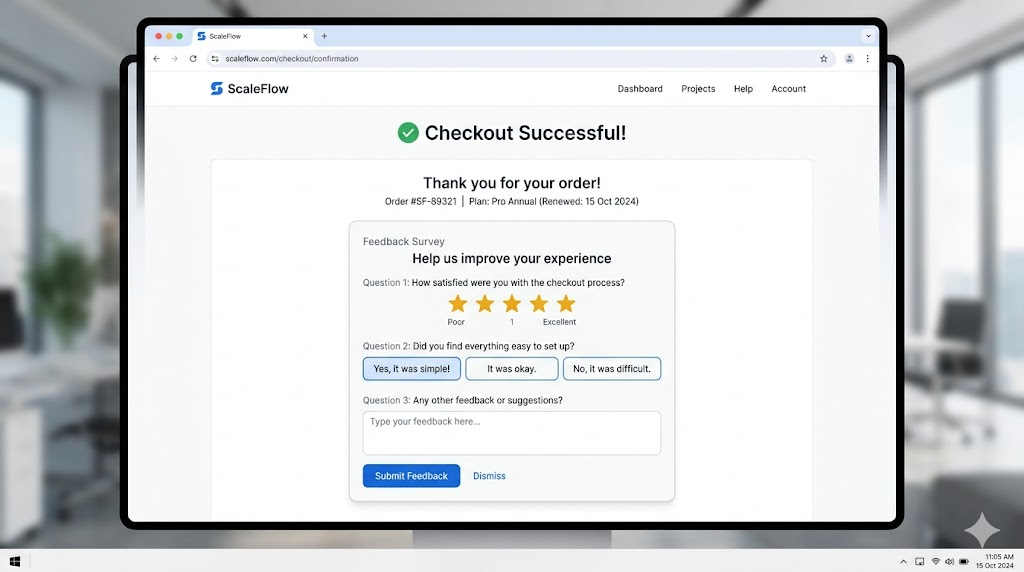
Order confirmation is often treated as a routine step, but it actually represents one of the most engaged moments in the customer journey. At this stage, customers have just completed a purchase and are still highly attentive to your brand experience. This makes it an ideal opportunity to gather meaningful feedback without interrupting their flow.
By embedding feedback surveys directly into order confirmation pages or emails, businesses can capture real-time insights while customer impressions are still fresh. Rather than waiting for post-delivery reviews, this approach helps brands understand expectations, concerns, and motivations immediately. It also creates a seamless feedback loop that feels like a natural extension of the buying experience.
To better understand how this strategy works in practice, let’s break down the key benefits and methods for embedding surveys effectively:

Customers are most emotionally invested right after completing a purchase, making them more willing to share opinions. This moment combines relief, excitement, and curiosity about what happens next. Leveraging this emotional peak can significantly improve the quality and quantity of feedback.
Additionally, customers are already interacting with your brand through confirmation emails or pages, so adding a survey doesn’t feel intrusive. It becomes part of a natural continuation rather than a separate request. This reduces resistance and increases participation.
To translate this understanding into actionable advantages, consider the following:
Traditional feedback surveys are often sent days after the purchase, which can lead to vague or forgotten impressions. By embedding surveys in confirmation flows, businesses eliminate the delay between experience and response. This ensures feedback is accurate and relevant.
Immediate feedback also allows brands to react faster to potential issues. If a customer expresses confusion or dissatisfaction early, it can be addressed before it escalates. This proactive approach can significantly improve overall satisfaction. Timely feedback is especially important for fast-moving campaigns, where brands need to manage reviews for seasonal products effectively before customer interest fades.
To maximize this timing advantage, focus on:
Order confirmation surveys are perfect for understanding how customers felt about the buying process itself. This includes navigation, checkout speed, and clarity of information. These insights help identify friction points that might otherwise go unnoticed.
By focusing on the transaction experience, brands can optimize conversion funnels more effectively. Even small improvements in checkout flow can lead to significant revenue gains. This makes early-stage feedback extremely valuable.
To gather actionable transaction insights, include questions like:
Even before receiving the product, customers form opinions about their experience. Even neutral feedback can reveal deeper issues, and recognizing subtle customer dissatisfaction early helps prevent negative reviews later. These early satisfaction signals can predict future reviews and loyalty. Identifying them early allows brands to intervene if needed.
For example, confusion about shipping details or lack of trust in confirmation emails can signal potential dissatisfaction. Addressing these concerns proactively can prevent negative reviews later. This creates a smoother customer journey overall.
To capture early satisfaction signals, include:
Customers are unlikely to complete long surveys during a transactional moment. The key is to keep questions short, relevant, and easy to answer. A quick 1–3 question format often performs best.
Contextual relevance is equally important. Questions should relate directly to the purchase experience rather than general opinions. This ensures higher engagement and more useful responses.
To optimize survey design, follow these principles:
A well-designed survey should feel like part of the confirmation flow, not an external add-on. Visual consistency with your brand helps maintain trust and engagement. Placement is also critical as surveys should appear naturally within the page or email.
Seamless integration reduces friction and increases completion rates. Customers are more likely to respond when the survey feels effortless. This creates a better overall experience.
To achieve seamless integration, focus on:
A large portion of order confirmations are viewed on mobile devices. This makes mobile optimization essential for survey success. Poor mobile design can significantly reduce response rates.
Mobile-friendly surveys should be easy to read and interact with on smaller screens. Simple layouts and touch-friendly elements are key. This ensures accessibility for all users.
To optimize for mobile, consider:
Immediate feedback allows businesses to identify and fix issues quickly. This can include technical problems, confusing messaging, or checkout inefficiencies. Addressing these in real time improves overall satisfaction.
Real-time improvements also show customers that their opinions matter. This builds trust and encourages future engagement. Over time, this leads to stronger customer relationships.
To leverage real-time feedback effectively:
Feedback collected at the confirmation stage can inform marketing strategies. Understanding customer motivations helps tailor messaging and campaigns. This leads to more relevant and effective communication.
Personalization becomes easier when you know what customers expect and value. This can improve engagement across email, ads, and product recommendations. It also increases the likelihood of repeat purchases.
To use feedback for marketing:
Early feedback can act as a stepping stone toward more detailed reviews later. By engaging customers early, brands can encourage them to share their experiences again after receiving the product. This creates a continuous feedback loop.
A strong review ecosystem improves credibility and influences future buyers. It also provides valuable insights for ongoing improvement. This makes feedback integration a long-term investment.
To strengthen your review ecosystem:
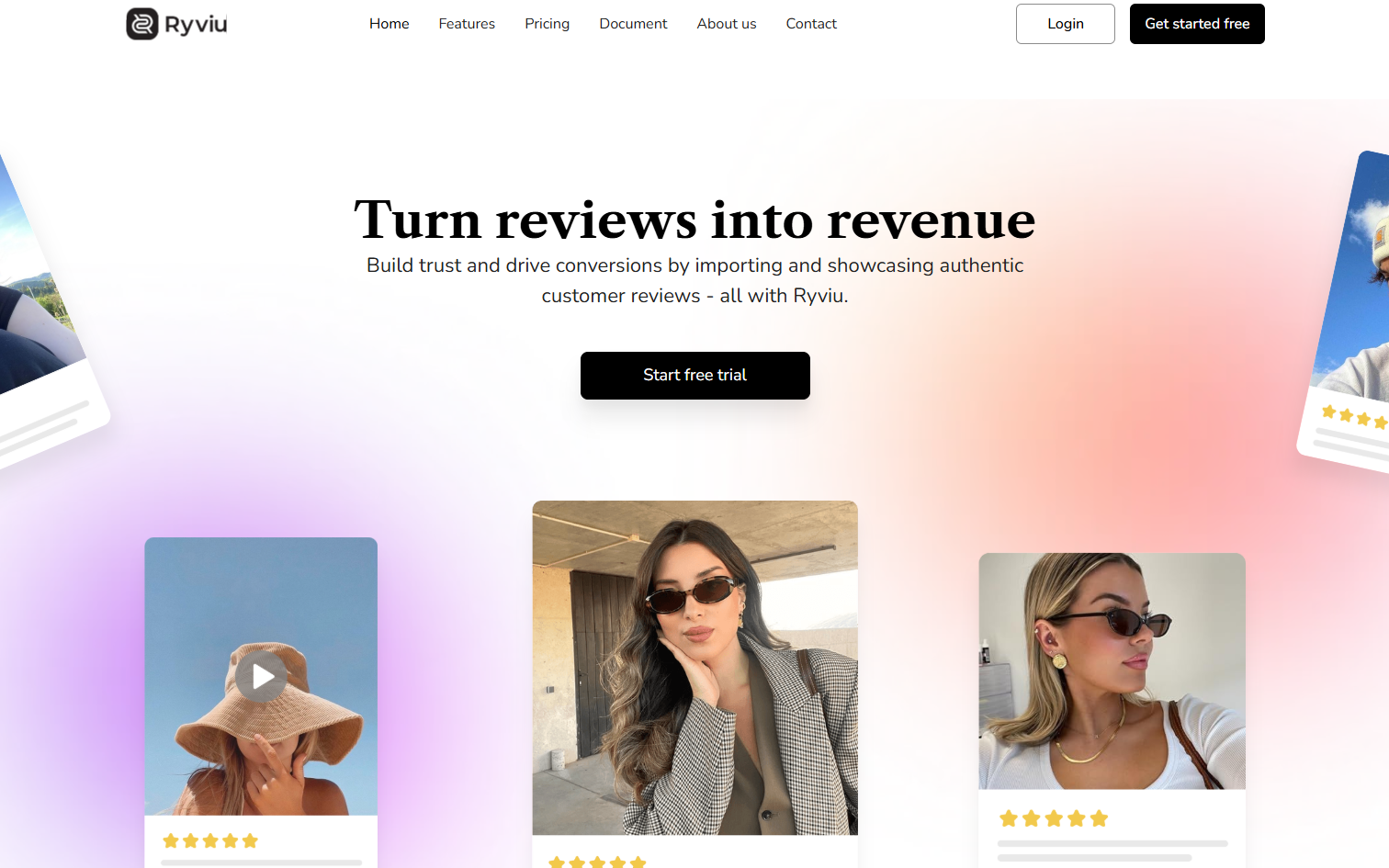
Integrating feedback surveys into order confirmation flows becomes even more powerful when connected to a review management system. Tools like Ryviu help bridge the gap between early feedback and published reviews. This ensures that insights are not lost but transformed into actionable data.
Instead of treating surveys and reviews as separate processes, Ryviu allows businesses to unify them. This creates a more cohesive feedback strategy. It also simplifies management and analysis.
To see how this integration adds value:
Automation plays a crucial role in scaling feedback collection. Ryviu enables businesses to automate follow-up requests based on customer interactions. This ensures consistent engagement without manual effort.
Automated workflows also help maintain timing precision. Customers receive requests at the most relevant moments. This increases response rates and overall effectiveness.
To benefit from automation:
Feedback collected through surveys can be transformed into valuable social proof. Ryviu helps businesses showcase customer opinions in a structured and visually appealing way. This builds trust and influences purchasing decisions.
Social proof is one of the most powerful drivers of conversions. By leveraging feedback effectively, brands can enhance credibility and attract more customers. This creates a positive cycle of growth. Using high-converting testimonial snippets helps transform raw feedback into persuasive social proof that drives purchase decisions
To turn insights into social proof:
Asking too many questions can overwhelm customers and reduce completion rates. Simplicity is key when embedding surveys in confirmation flows. A focused approach yields better results.
Customers are more likely to respond when the effort required is minimal. This makes short surveys more effective. Quality matters more than quantity.
To avoid overloading customers:
If surveys are not visible or easy to access, response rates will suffer. Placement within the confirmation flow is critical. It should be noticeable but not disruptive.
Strategic placement ensures maximum engagement. This increases the effectiveness of your feedback strategy. It also improves user experience.
To optimize placement:
Embedding feedback surveys into order confirmation flows transforms a routine interaction into a valuable insight opportunity. By capturing customer sentiment at the right moment, businesses can improve experiences, optimize processes, and build stronger relationships. This approach not only increases response rates but also ensures feedback is timely and relevant.
When combined with tools like Ryviu, this strategy becomes even more powerful. Businesses can seamlessly connect early feedback with long-term review management, creating a continuous loop of improvement and trust-building. The result is a more customer-centric approach that drives both satisfaction and growth.
Ultimately, the key is to make feedback collection feel effortless and meaningful. When done right, it becomes a natural extension of the customer journey rather than an interruption, delivering value for both businesses and their customers.




