New to Shopify? Free trial, then $1/month for your first 3 months. Start free trial →
 Where is your store?
Ryviu works with both – pick yours to continue.








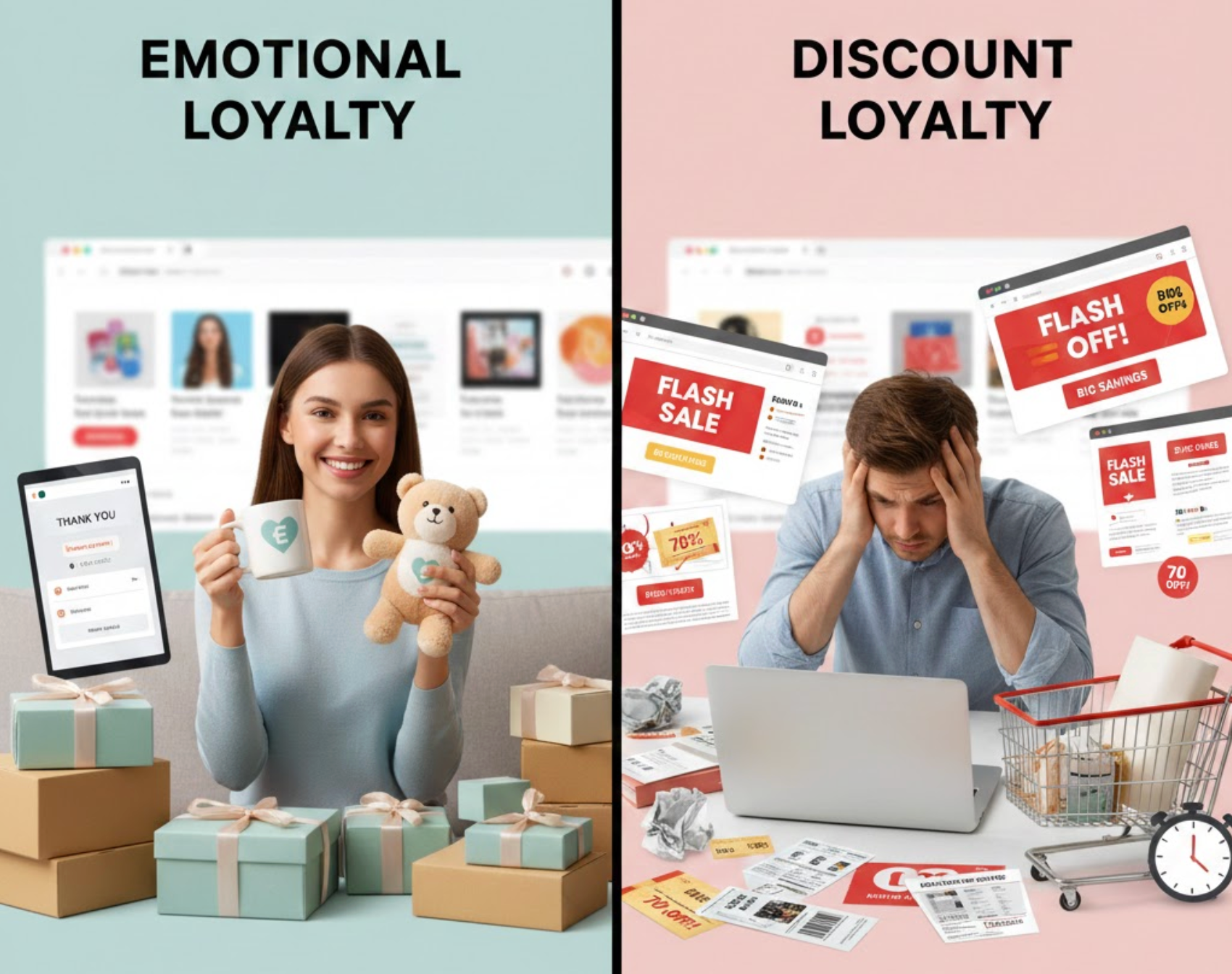
Customer loyalty is often treated as a single goal, but in reality, it can be built in very different ways. Some brands focus on offering discounts, rewards, and promotions to encourage repeat purchases. Others invest in storytelling, community, and emotional connection to turn customers into long-term supporters. Both approaches can work, but they work for very different reasons.
Understanding the difference between emotional loyalty and discount loyalty is essential for brands that want to grow sustainably rather than relying on short-term wins. The real question is not which one exists, but which one creates stronger, longer-lasting results.
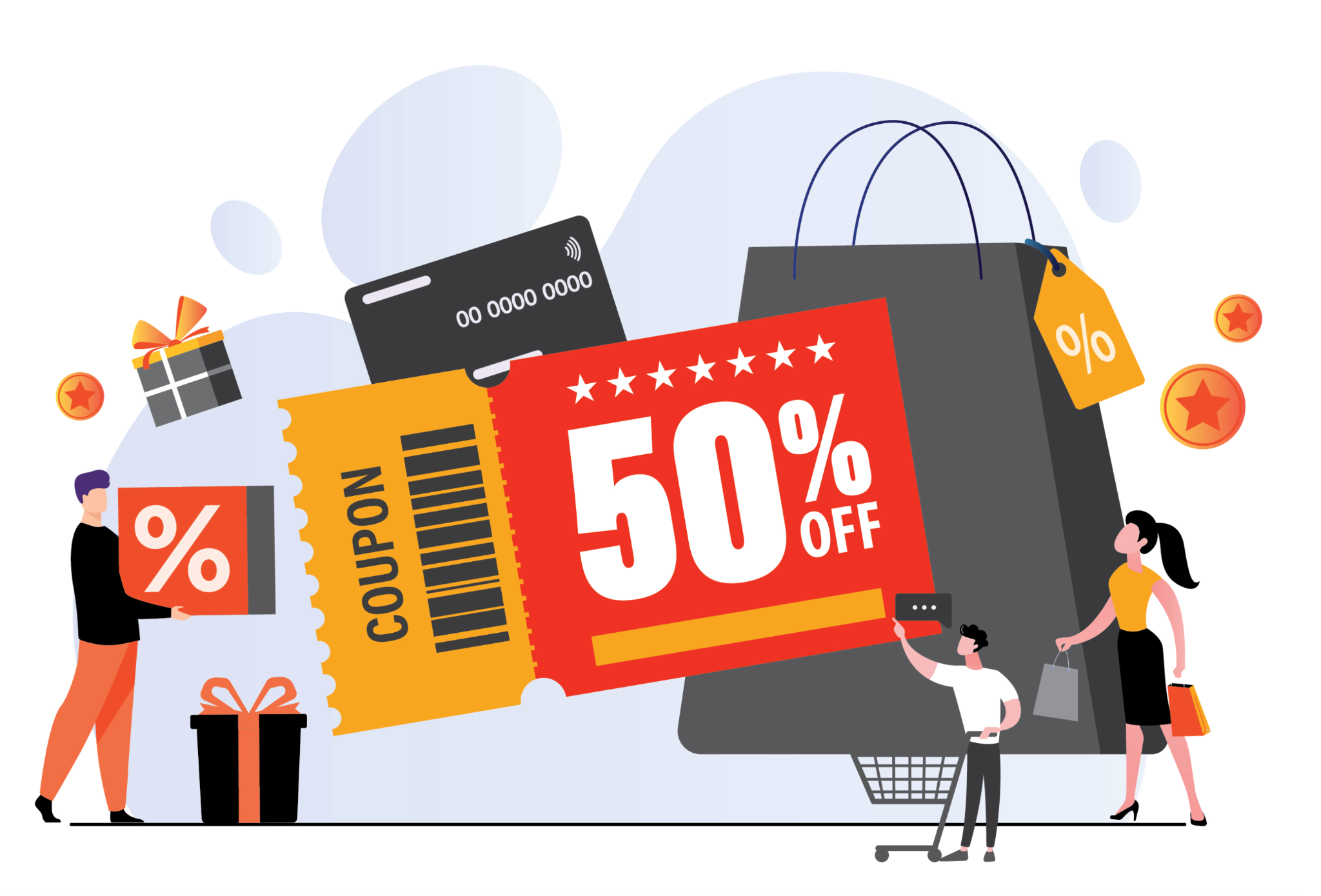
Discount loyalty is driven primarily by economic motivation. Customers return because they receive financial benefits that reduce the cost of buying again. This type of loyalty is easy to recognize and easy to measure because the cause-and-effect relationship is clear: offer a discount, and sales increase.
In highly competitive ecommerce environments, discount loyalty often becomes the default strategy. When products are similar and switching costs are low, price becomes the most visible differentiator. Discounts, reward points, and coupons help brands stand out, at least temporarily.
However, while discount loyalty can successfully encourage repeat purchases, it often fails to create attachment. Customers may return, but their relationship with the brand remains shallow. The loyalty exists as long as the incentive exists, which means it can disappear the moment a competitor offers a better deal.
Over time, this creates a fragile form of loyalty that is heavily dependent on continuous promotions.
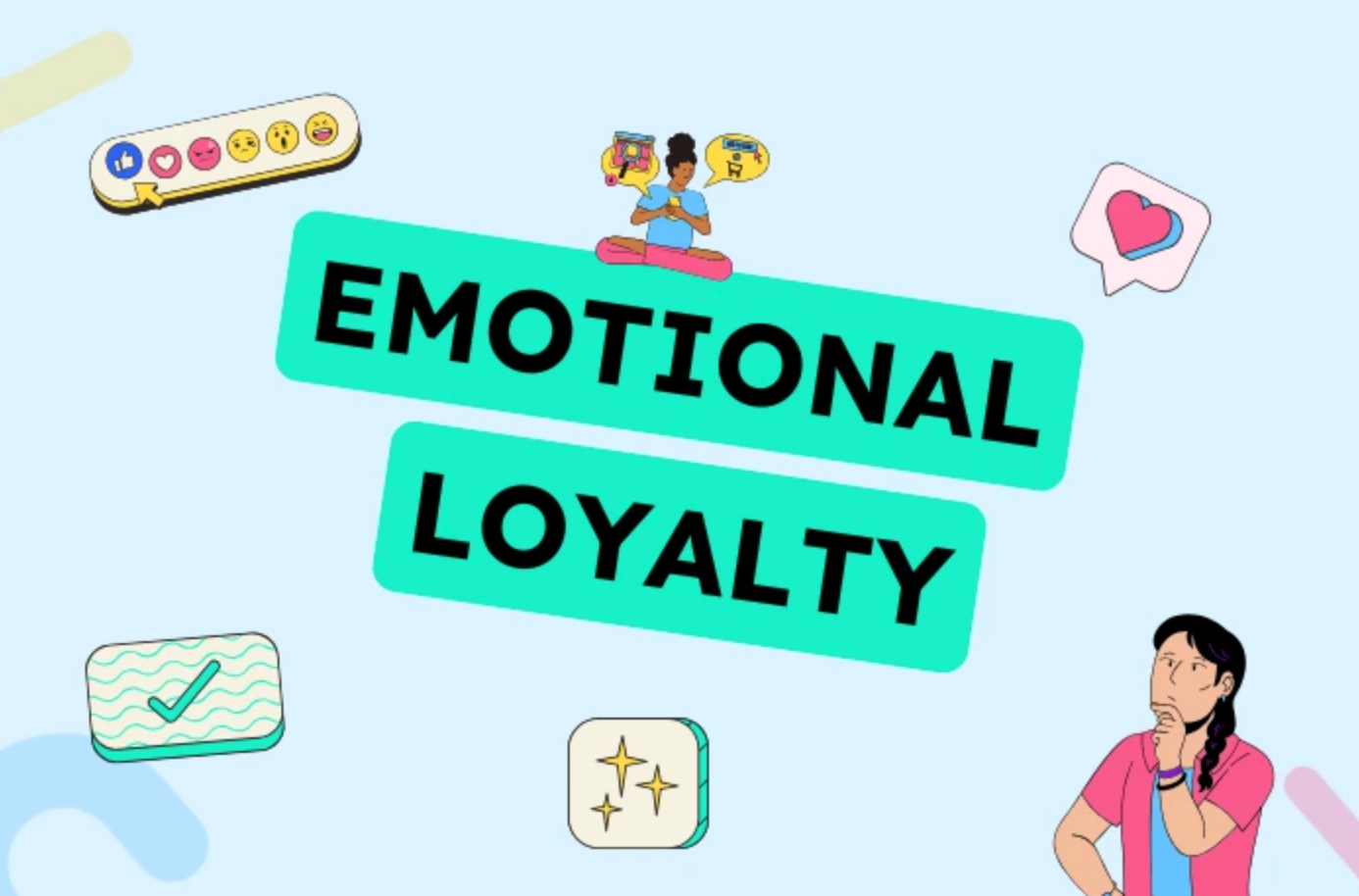
Emotional loyalty, by contrast, is built on how customers feel about a brand, not how much money they save. It develops when customers trust a brand, identify with its values, and feel confident in their purchase decisions.
This type of loyalty grows through consistent experiences rather than single transactions. Factors such as transparent communication, authentic customer feedback, relatable visuals, and a sense of belonging all contribute to emotional attachment.
For example, when shoppers see real customer reviews with photos and detailed feedback, they don’t just evaluate the product, they feel reassured. Ryviu can help brands collect and display authentic reviews, quietly support emotional loyalty by reducing uncertainty and increasing trust at key decision points.
Similarly, when customers can visualize products in real-life contexts, such as styled outfits or curated collections through shoppable lookbooks, tools like Lookfy help brands move beyond selling products and toward selling inspiration. This emotional layer makes the shopping experience more engaging and memorable.
Customer loyalty is often discussed as a single concept, but in practice, it takes very different forms. Some brands rely on emotional connection, trust, and shared values to keep customers returning, while others focus on financial incentives such as discounts and rewards. Both approaches can influence repeat purchases, yet they shape customer behavior in fundamentally different ways.
To understand which works better, it is important to compare emotional loyalty and discount loyalty across key aspects of the customer journey and long-term business impact.
Emotional loyalty is driven by trust, familiarity, and personal connection. Customers return because they feel confident in the brand, understand what it stands for, and believe it consistently delivers value. This confidence is often reinforced through authentic customer reviews, transparent communication, and relatable brand storytelling, which help customers feel emotionally secure in their decisions rather than purely rational.
Discount loyalty, in contrast, is motivated by financial gain. Customers are encouraged to buy again because the brand offers lower prices, points, or special deals that reduce the perceived risk of spending. While this approach can trigger quick decisions, it keeps the customer focused on price rather than on the brand itself, making loyalty dependent on continuous incentives.
Verdict: Emotional loyalty creates intrinsic motivation that remains even when no incentive is present. Discount loyalty relies on external rewards, which disappear the moment the discount ends.
Emotionally loyal customers are significantly less sensitive to price changes because their decision-making is rooted in trust and preference. When customers believe a brand understands their needs and delivers consistent quality, they are more willing to pay a fair price without searching for alternatives.
Discount-loyal customers, however, remain highly price-sensitive. Their attachment is tied to the deal rather than the brand, which makes switching easy and frequent. If a competitor offers a slightly better promotion, these customers often leave without hesitation, as there is little emotional cost associated with changing brands.
Verdict: Emotional loyalty protects brands from price wars by reducing customer churn. Discount loyalty exposes brands to constant switching because loyalty is tied to savings, not satisfaction.
Emotional loyalty enhances brand perception by positioning the business as trustworthy, relatable, and customer-centric. When brands invest in authentic storytelling, consistent experiences, and meaningful visual presentation, such as curated lookbooks, customers begin to associate the brand with inspiration and reliability rather than just products.
Discount loyalty, on the other hand, can gradually weaken brand perception if overused. Frequent promotions may cause customers to perceive the brand as cheap or transactional, reducing perceived value over time. Instead of remembering the brand’s identity or quality, customers remember only the discount.
Verdict: Emotional loyalty strengthens brand equity and long-term positioning. Discount loyalty risks reducing the brand to a price label rather than a value-driven choice.
Emotionally loyal customers tend to engage more deeply with brands beyond purchasing. They leave reviews, share content, recommend products to friends, and interact with brand messaging because they feel involved and appreciated. This type of engagement creates a self-reinforcing loop where customers actively contribute to the brand’s credibility and growth.
Discount-loyal customers typically show limited engagement outside of transactions. Their interaction often begins and ends with the promotion itself, leaving little motivation to create content, leave feedback, or advocate for the brand. As a result, engagement remains shallow and short-lived.
Verdict: Emotional loyalty turns customers into advocates who contribute to growth organically. Discount loyalty produces repeat buyers but rarely produces brand champions.
Emotional loyalty supports long-term profitability by increasing customer lifetime value and reducing reliance on constant promotions. Customers who trust a brand return more frequently, spend more over time, and require fewer incentives to convert. This allows brands to reinvest in experience, product quality, and community rather than discounting margins.
Discount loyalty can generate immediate revenue spikes but often at the cost of profitability. Continuous discounts train customers to wait for deals, which lowers average order value and compresses margins. Over time, this model becomes harder to sustain without increasing acquisition costs.
Verdict: Emotional loyalty builds stable, compounding revenue over time. Discount loyalty delivers short-term gains but often undermines long-term financial health.
Emotional loyalty is inherently more sustainable because it is difficult for competitors to replicate. Trust, community, and emotional attachment take time to build and cannot be easily copied or undercut. Once established, this loyalty continues to benefit the brand even in highly competitive markets.
Discount loyalty is easy to imitate and even easier to undercut. Since competitors can always offer deeper discounts, brands relying on this strategy face constant pressure to spend more just to maintain the same level of loyalty.
Verdict: Emotional loyalty creates a durable competitive advantage. Discount loyalty creates a fragile system that depends on constant spending.
Although emotional loyalty is more sustainable, it does not mean discounts have no place. In fact, the most successful brands use discount loyalty as an entry point and emotional loyalty as the long-term strategy.
A well-balanced approach often looks like this:
In this blended approach, discount loyalty acts as the entry point. Customers are motivated by clear rewards that give them immediate value and a reason to come back after their first purchase. As trust grows, emotional loyalty takes over, driven by recognition, consistency, and a sense of belonging rather than pure savings.
A loyalty app like Reton supports this transition by offering features that serve both methods simultaneously:
By structuring discounts within a broader loyalty framework, Reton helps brands avoid over-reliance on promotions. Incentives encourage early engagement, while recognition and progression build trust and emotional attachment over time.
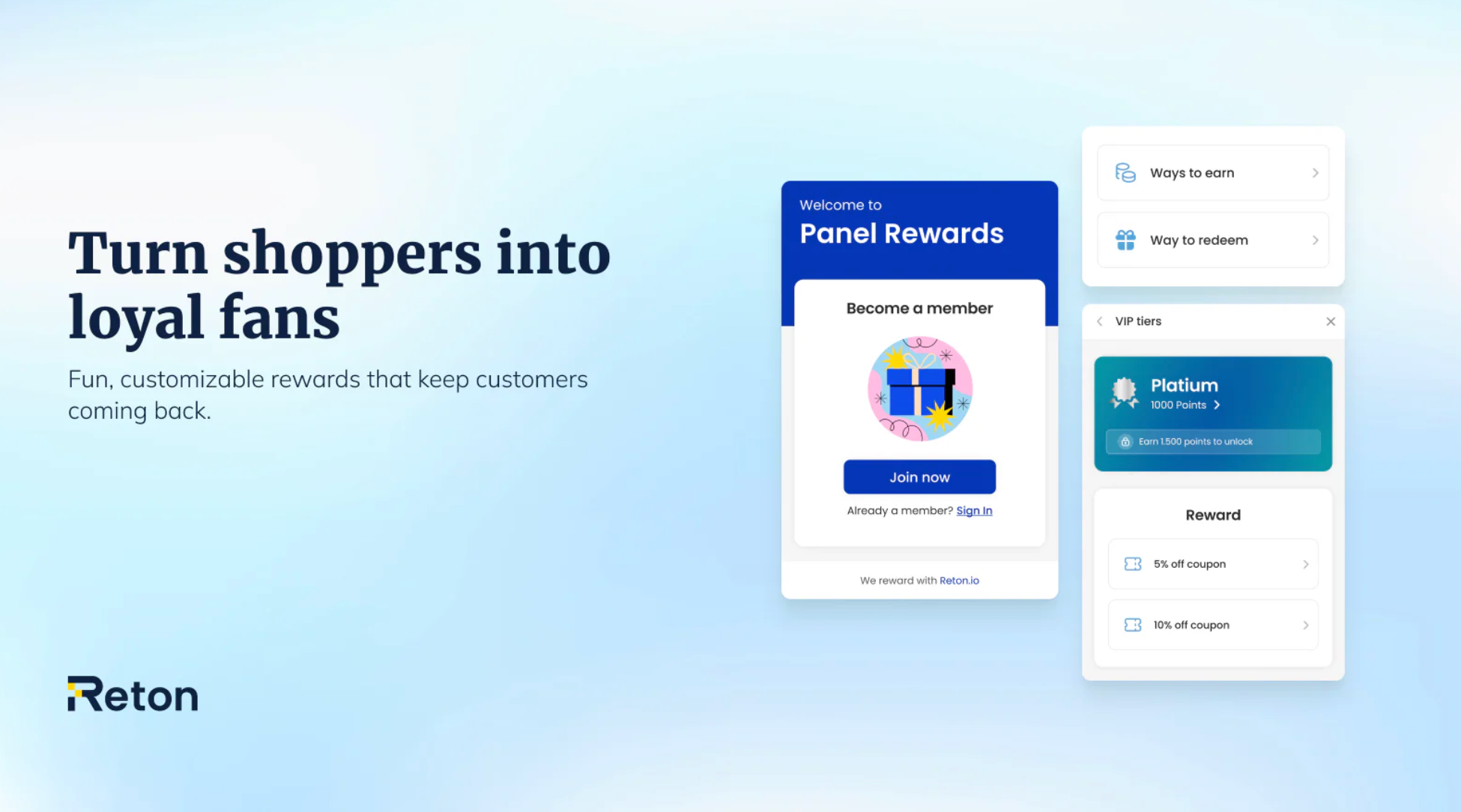
When emotional loyalty and discount loyalty work together in this way, brands create customers who return not because they have to, but because they want to.
Emotional loyalty works better in the long term because it creates customers who stay for the brand, not the price. While discount loyalty can effectively trigger purchases, it does not build meaningful attachment or protect brands from competitive pressure. Emotional loyalty, by contrast, reduces price sensitivity, increases trust, and turns customers into advocates rather than bargain hunters.
That said, emotional loyalty rarely appears without an initial transaction. Discounts can play a supporting role, but they should not be the foundation of a loyalty strategy. Brands that rely primarily on emotional connection consistently outperform those that rely on constant incentives.
In full sentence terms: discounts may win attention, but emotional loyalty wins commitment.