New to Shopify? Free trial, then $1/month for your first 3 months. Start free trial →
 Where is your store?
Ryviu works with both – pick yours to continue.








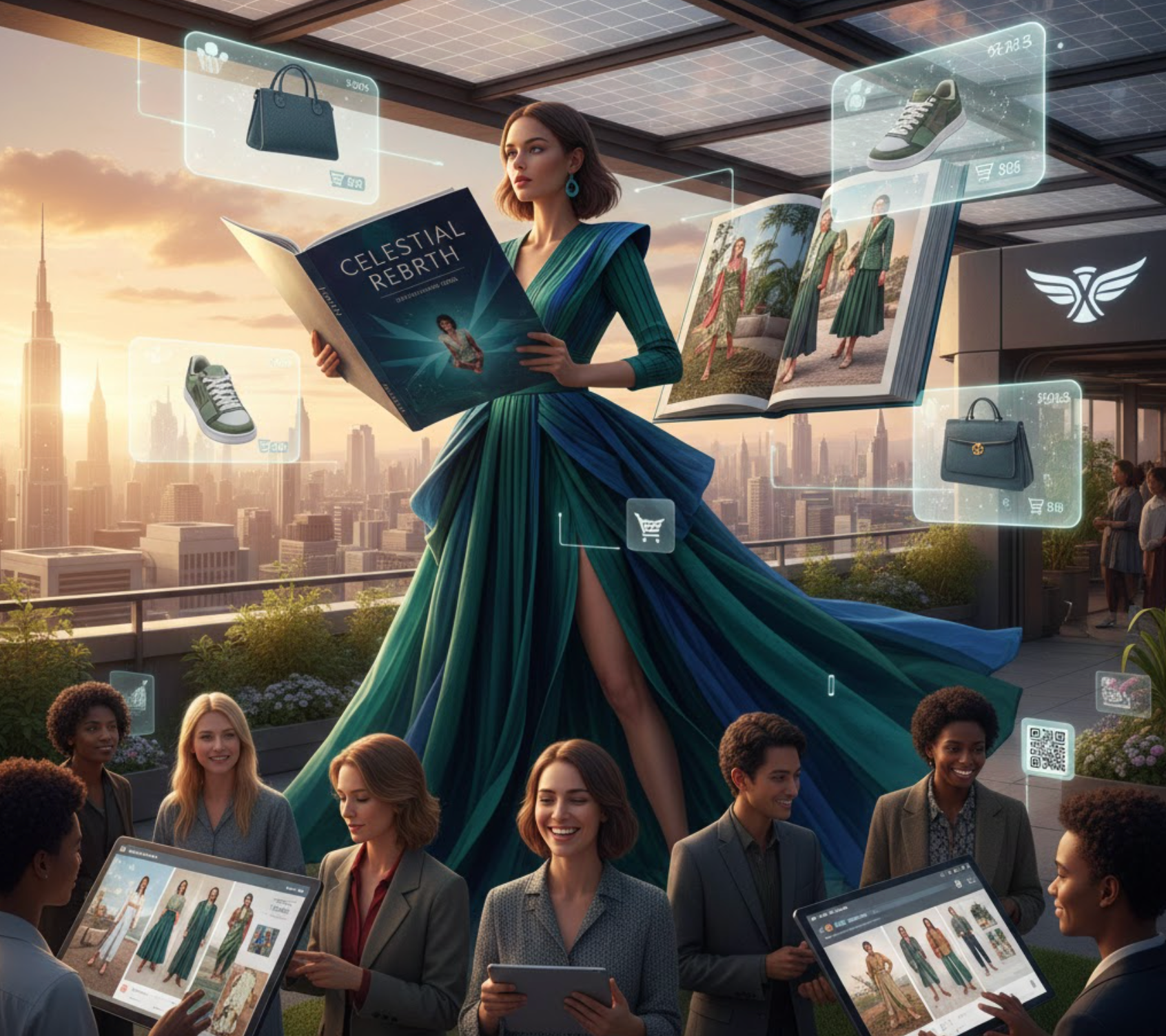
In the fashion industry, customers don’t simply buy products, they buy style, confidence, and identity. Online, where shoppers cannot touch fabrics or try items on, visuals become the most persuasive sales tool a brand has. This is why lookbooks play such a central role in modern fashion ecommerce.
Today’s fashion lookbooks are no longer just inspirational catalogs. They are interactive, conversion-driven assets designed to guide shoppers from curiosity to checkout. When executed strategically, lookbooks bridge the gap between inspiration and action, helping brands increase engagement, average order value, and overall sales performance.
A lookbook is a curated visual presentation that showcases complete outfits rather than individual products. Each look is intentionally styled to demonstrate how different pieces work together in real-life scenarios.
Unlike traditional product galleries, which focus on angles, textures, and details of a single item, lookbooks tell a broader story. They help shoppers understand how a product fits into a full outfit, a season, or a lifestyle. This storytelling element is what makes lookbooks particularly powerful in fashion ecommerce.
In digital environments, lookbooks often go a step further by becoming shoppable. Customers can click directly on items within an image, view product details, and add multiple pieces to their cart from a single look. This transforms a passive browsing experience into an active buying journey.
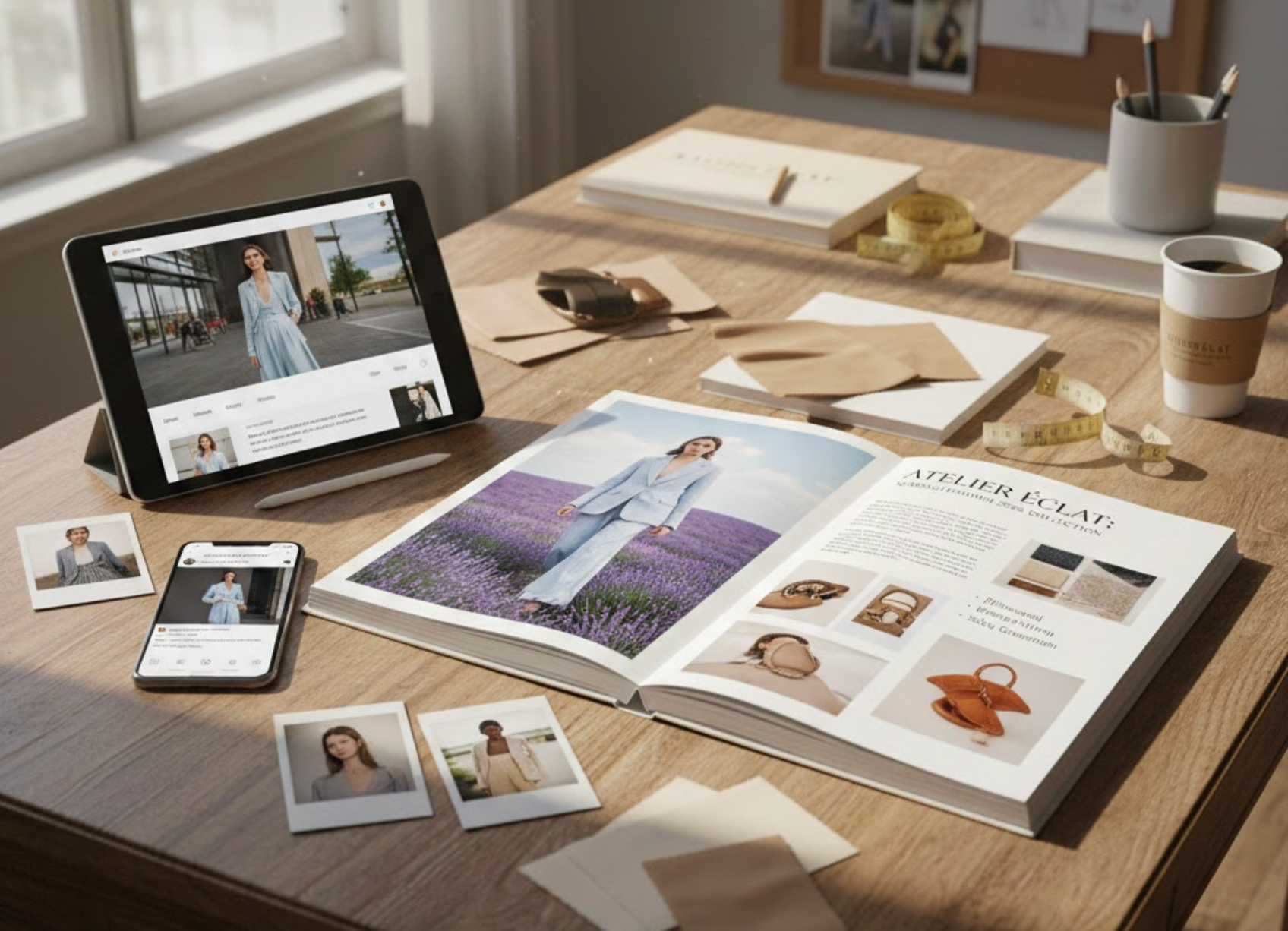
Lookbooks align perfectly with how people shop for fashion online. Instead of searching for individual items in isolation, shoppers tend to think in terms of outfits, occasions, and personal style. Lookbooks mirror this mindset, making them highly effective.
One of the most common reasons shoppers hesitate before purchasing fashion items is uncertainty. Customers often wonder how a piece will look when worn, whether it matches other items, or if it suits a particular occasion.
Lookbooks eliminate this uncertainty by providing clear visual answers. By presenting complete outfits, brands show customers exactly how items can be styled together. This reassurance reduces cognitive effort and makes shoppers feel more confident in their decisions.
As a result, shoppers spend less time second-guessing and more time moving toward purchase.
A single product displayed alone may seem ordinary. However, when that same product is styled thoughtfully within a curated outfit, its perceived value increases significantly.
Lookbooks elevate products by positioning them within a polished aesthetic. They communicate that the brand understands fashion, trends, and styling, not just manufacturing or selling clothing. This builds brand authority and makes customers more willing to trust the brand’s recommendations.
Over time, this perception leads to stronger brand loyalty and higher lifetime customer value.
Lookbooks naturally promote cross-selling. When shoppers see an outfit they like, they are rarely interested in only one item. Instead, they are drawn to the entire look.
By presenting complementary items together, fashion brands subtly encourage shoppers to add multiple products to their cart. This approach feels organic rather than pushy, as customers believe they are building a complete outfit rather than being upsold.
This strategy consistently helps brands increase average order value while improving the overall shopping experience.
While lookbooks can take many forms, successful fashion brands tend to use them in specific, strategic ways throughout the customer journey.
Fashion is inherently seasonal, and lookbooks are an ideal way to introduce new collections. Seasonal lookbooks help customers visualize how new pieces fit into upcoming weather, events, or lifestyle changes.
For example, a fall lookbook might highlight layering techniques, textures, and warm color palettes, while a summer lookbook focuses on breathable fabrics and relaxed silhouettes. These visual cues help shoppers quickly understand the relevance of a collection.
By aligning lookbooks with seasons, brands create urgency and relevance, which directly supports timely purchasing decisions.
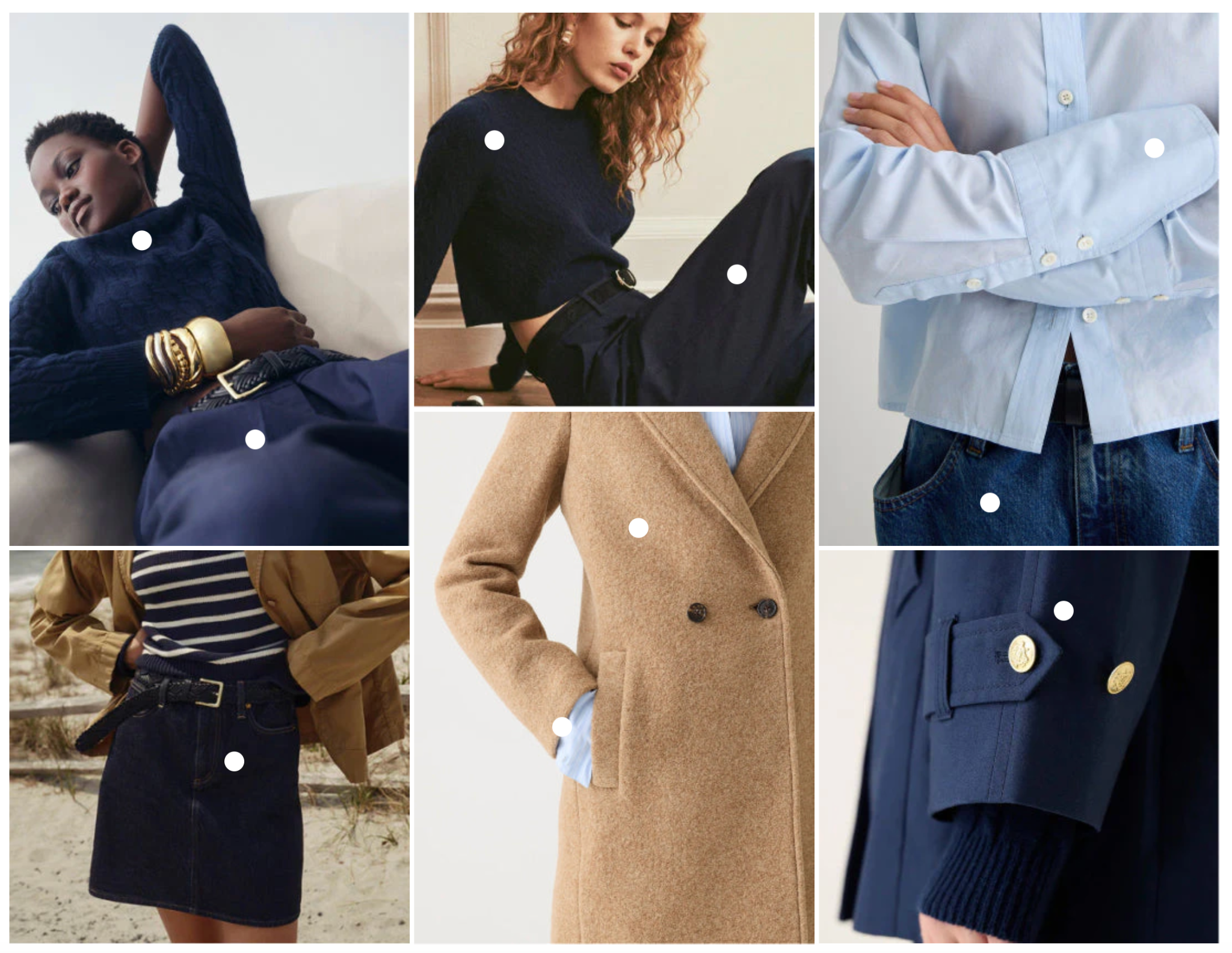
One of the most effective applications of lookbooks is the “Shop the Look” format. This approach allows shoppers to interact with an image and instantly access the products featured in the outfit.
By reducing the number of steps between inspiration and purchase, fashion brands minimize friction in the buying journey. Customers no longer need to search for each item individually, which often leads to drop-offs.
Instead, they can move seamlessly from inspiration to checkout, increasing conversion rates and customer satisfaction.
Rather than relying solely on static banners or promotional text, many fashion brands use lookbooks as the centerpiece of their homepage or campaign pages.
These lookbooks serve as visual entry points that invite exploration. Once a shopper clicks into a lookbook, they are exposed to multiple products and styling ideas, increasing time on site and product discovery.
This approach is particularly effective during product launches, sales events, or brand storytelling campaigns.
Beyond inspiration, lookbooks also educate shoppers. By showing multiple ways to style the same item, brands help customers understand versatility and long-term value.
For instance, a blazer may appear in a professional outfit, a casual weekend look, and an evening ensemble. This reassures shoppers that the item is not limited to a single use.
When customers see versatility, they are more likely to justify the purchase, especially for higher-priced items.
The impact of lookbooks goes beyond aesthetics. When integrated properly, they directly influence how quickly and confidently shoppers make purchasing decisions.
Without lookbooks, shoppers often jump between multiple product pages trying to imagine combinations. This fragmented experience slows decision-making and increases the likelihood of abandonment.
Lookbooks simplify this process by presenting everything in one cohesive view. Shoppers can immediately see how pieces work together, reducing mental effort and speeding up the path to purchase.
Lifestyle imagery used in lookbooks feels more authentic than isolated studio shots. Seeing clothing worn in real environments helps shoppers form accurate expectations about fit, drape, and overall appearance.
This sense of realism builds trust and reduces the risk of disappointment after purchase. As a result, brands may also see lower return rates alongside higher conversions.
Interactive lookbooks encourage exploration. Shoppers click through different looks, discover related products, and spend more time engaging with content.
Higher engagement signals stronger buying intent and often correlates with improved conversion performance across the store.
To maximize results, fashion brands follow several proven best practices:
When these elements work together, lookbooks become a reliable revenue driver rather than just a design asset.
Product galleries and lookbooks serve different but complementary purposes. Galleries focus on clarity and detail, while lookbooks focus on imagination and inspiration.
Product galleries help shoppers evaluate fit, texture, and quality. Lookbooks help shoppers visualize ownership and lifestyle. The strongest fashion ecommerce experiences combine both, allowing customers to move fluidly between inspiration and evaluation.
As lookbooks become more interactive and conversion-focused, fashion brands increasingly rely on specialized tools to bring these experiences to life. The goal isn’t to add more features for the sake of it, but to remove friction and reinforce confidence at key decision points.
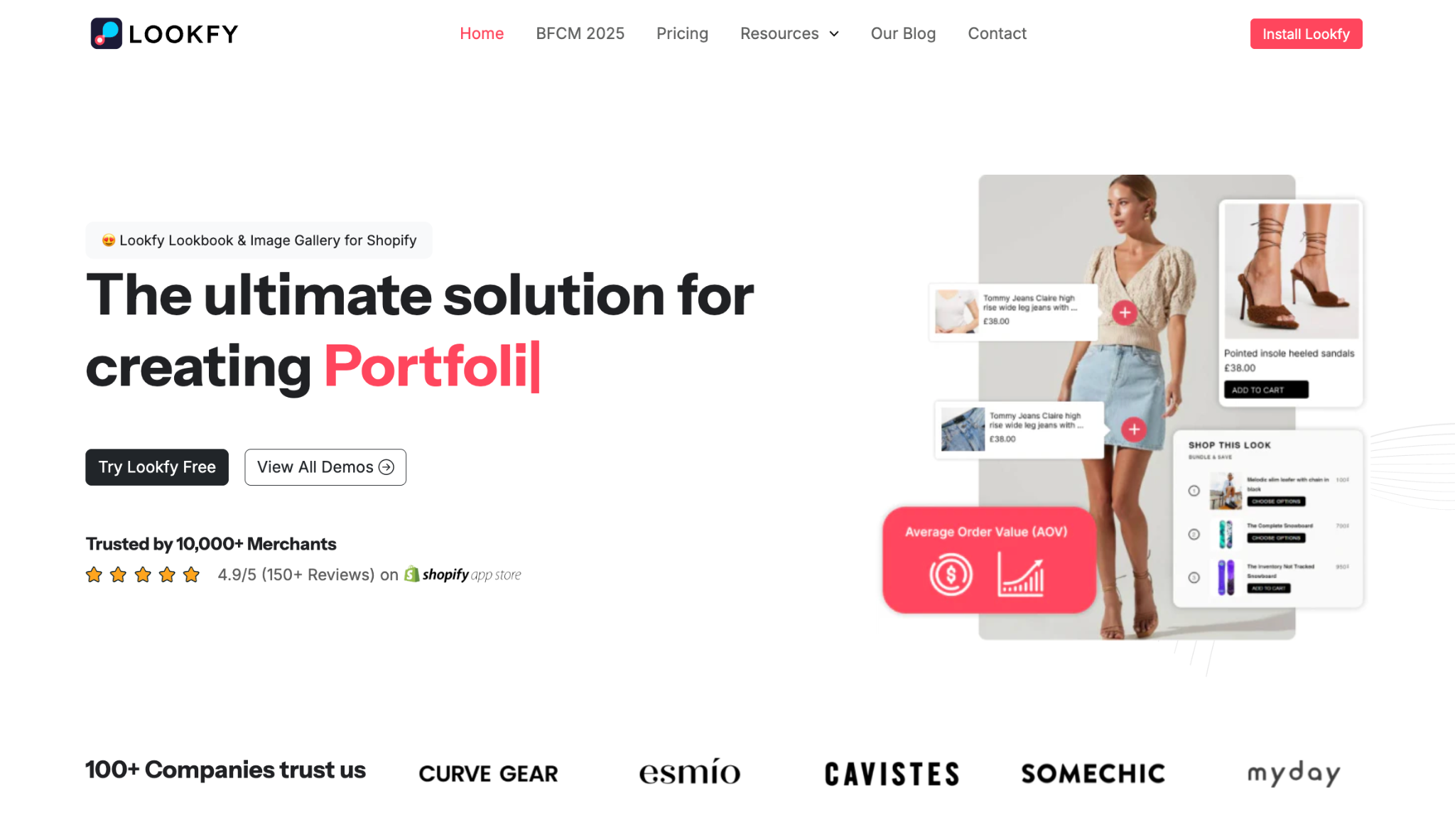
For many Shopify fashion brands, the challenge isn’t creating beautiful visuals, it’s making those visuals shoppable without disrupting the browsing experience. This is where lookbook-focused tools like Lookfy fit naturally into the workflow.
Instead of static images, brands use Lookfy to turn styled outfits into interactive lookbooks where shoppers can click on specific items within a look and explore product details instantly. This allows customers to move smoothly from inspiration to purchase, without needing to search through multiple product pages.
Because Lookfy is designed specifically for fashion lookbooks, brands can place these interactive visuals on collection pages, product pages, or homepages, exactly where shoppers are already making decisions. The result is a more intuitive shopping journey that feels helpful rather than forced.
While lookbooks help shoppers visualize style, trust still plays a crucial role in conversion. This is why many fashion brands complement lookbooks with customer-generated content and reviews.
Ryviu helps brands collect and display photo reviews directly on product pages, showing how real customers wear and style the items featured in lookbooks. When shoppers click from a lookbook into a product page and see authentic reviews with real photos, it reinforces the expectations set by the lookbook visuals.
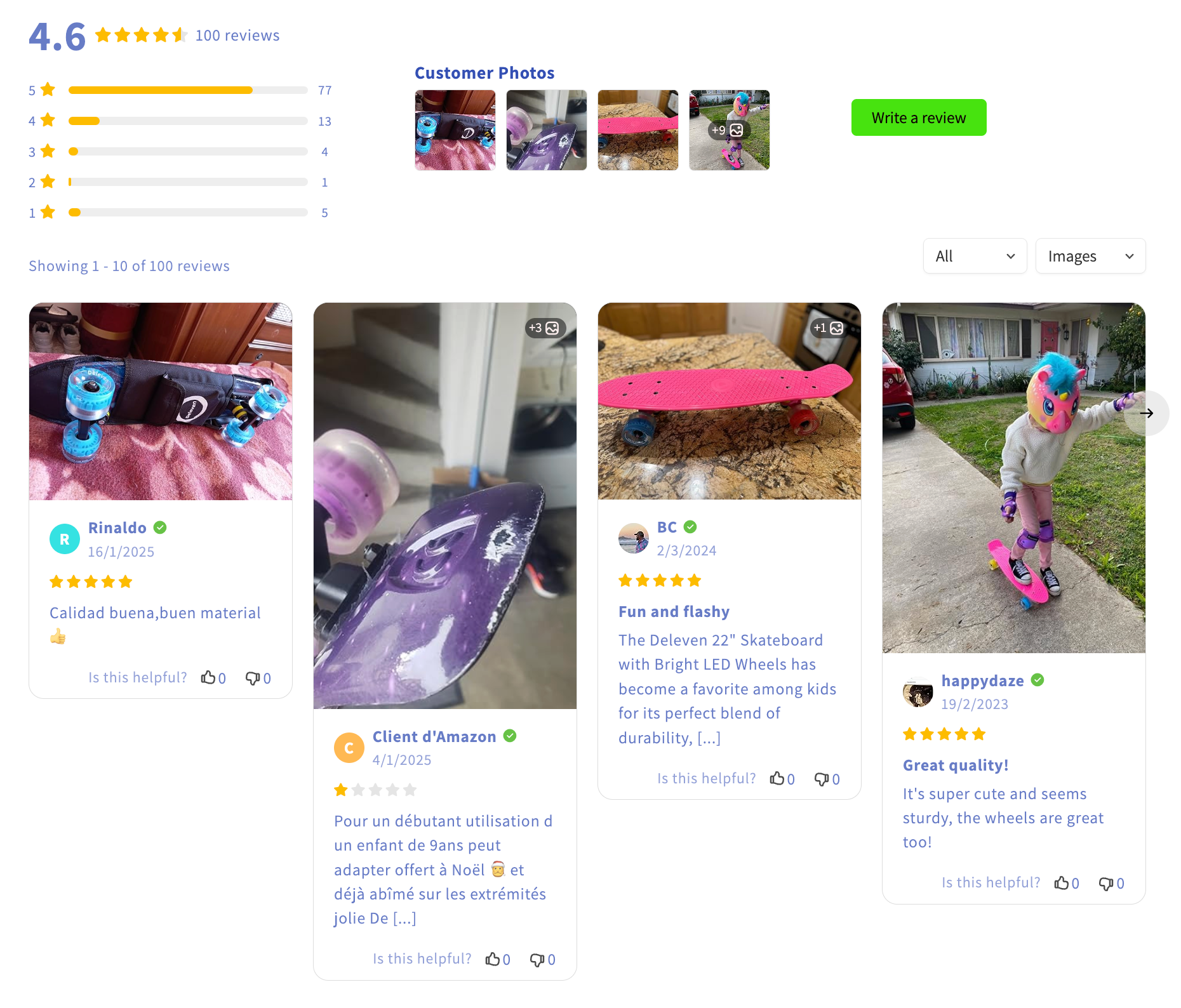
This combination, aspirational styling from lookbooks and authentic feedback from reviews, creates a balanced experience. Shoppers feel inspired by the brand’s vision while also reassured by real customer experiences, making them more confident in completing the purchase.
Lookbooks have evolved from simple visual showcases into powerful ecommerce tools. By blending storytelling, styling guidance, and seamless shopping functionality, fashion brands use lookbooks to influence purchasing behavior at every stage of the customer journey.
In a crowded online fashion market, brands that help shoppers see the full picture stand out. When customers can clearly imagine how products fit into their lives, buying becomes easier, faster, and more satisfying.
Ultimately, well-executed lookbooks don’t just display fashion, they turn inspiration into sales and style into measurable growth.