 New to Shopify? Free trial, then $1/month for your first 3 months. Start free trial →
 Where is your store?
Ryviu works with both – pick yours to continue.









Google’s search experience is undergoing one of its most dramatic transformations in years. For a long time, Featured Snippets have been the coveted position many SEO professionals aimed to win, offering quick visibility and high click-through potential. But with the introduction of Google SGE (Search Generative Experience), a new competitor has entered the stage, one that doesn’t just display information but creates answers using AI. Because these two features occupy prime real estate on the results page, understanding how they differ and how each one influences your SEO performance is now more important than ever.
The challenge is that both features live at the top of the SERPs, yet they serve information to users in entirely different ways. This means each element has a unique impact on clicks, visibility, and user behavior, and your SEO strategy needs to account for both. To help you navigate this new landscape, let’s take an in-depth look at how Featured Snippets and SGE compare, how they reshape search behavior, and which one ultimately has a bigger influence on your long-term SEO outcomes.
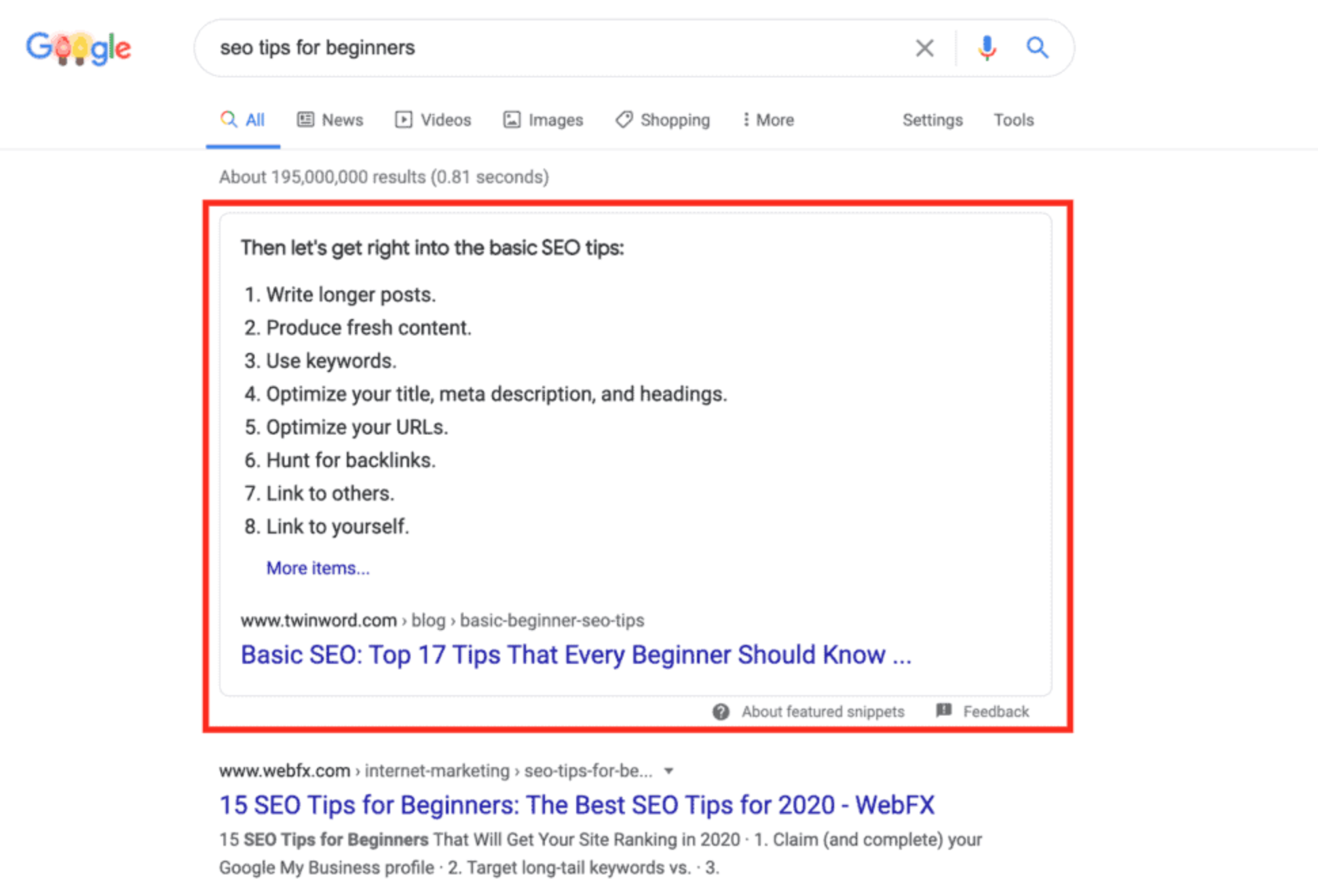
Featured Snippets are Google’s way of giving users quick answers by pulling a short, precise portion of text from a webpage and placing it at “Position Zero” above all organic results. They appear in a clean, boxed format designed to satisfy the searcher’s intent in seconds without forcing them to scroll down.
What makes Featured Snippets valuable is that they highlight one website as the primary authority. If Google selects your content, your page instantly becomes the trusted answer, even if you’re not the top-ranked organic result. This single-source selection creates a strong sense of authority and draws attention immediately.
But snippets work best when the query has a direct, definable answer. That’s why they commonly show up for straightforward questions like “What is a marketing funnel?” or “How do solar panels work?” Google focuses on clarity and precision here, pulling from content that is well-structured and formatted with headings, short explanations, and scannable sections.
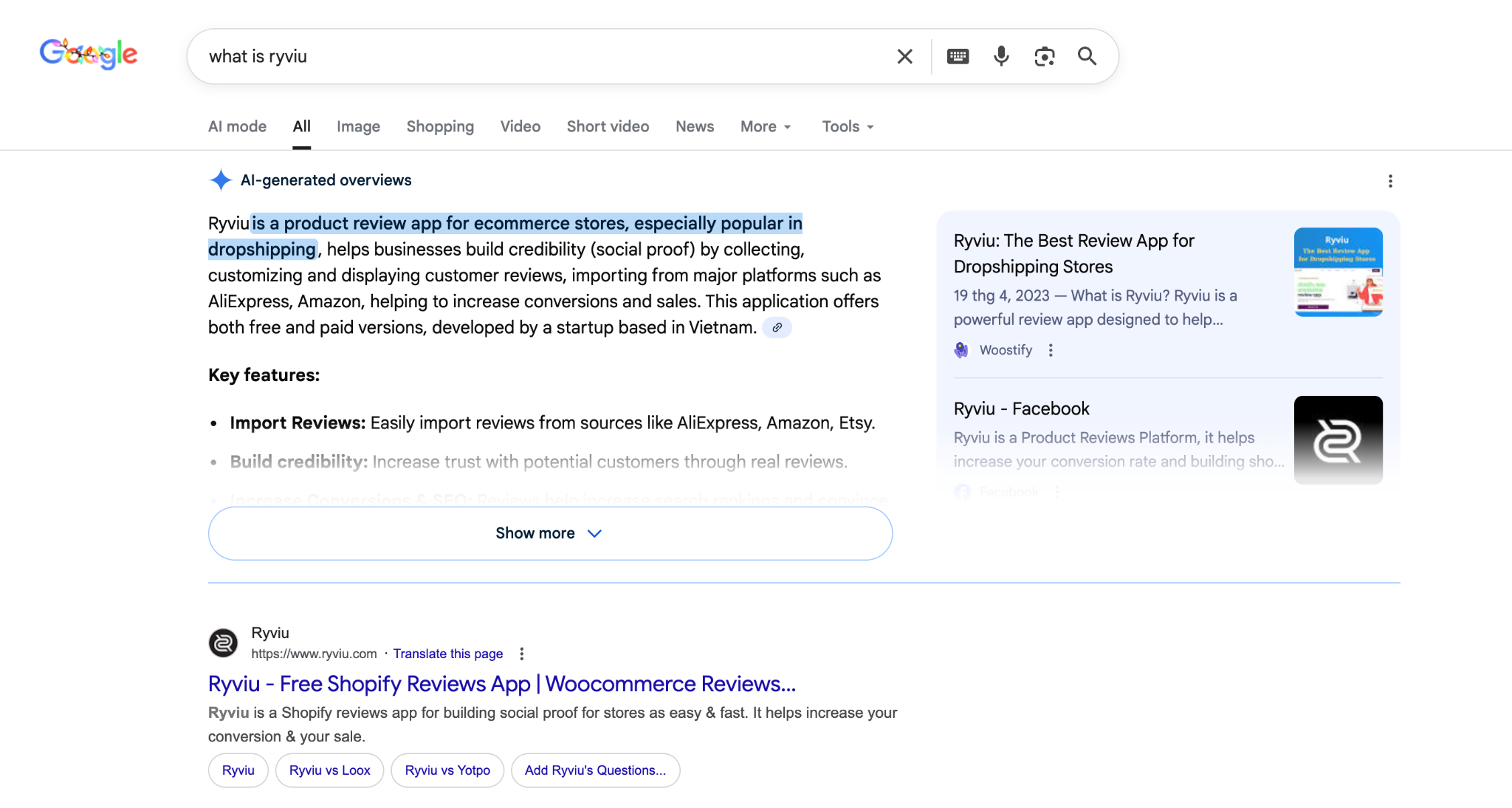
While Featured Snippets extract information, Google SGE generates information. This new system uses generative AI to produce a full summary of the answer, drawing from multiple sources at once. Instead of showcasing a single authoritative voice, SGE combines insights across the web to build a comprehensive overview right inside the search results.
SGE doesn’t simply return results, but it tries to solve the user’s problem on the spot. For example, if someone searches for “best running shoes for flat feet,” SGE may generate a list of recommendations, explain why certain models fit specific needs, and even highlight considerations like cushioning, weight, and arch support. It’s a richer and more interactive experience compared to the concise, single-source Featured Snippet.
Most importantly, SGE sits above everything, including ads, organic results, and even the Featured Snippet section. This placement alone dramatically changes how users interact with search results, making SGE a disruptive force that could reshape search behavior in the long run.
While both features aim to improve the search experience, they differ in ways that significantly affect SEO. Below is a deeper comparison to illustrate how each one influences visibility, clicks, and optimization strategy.
Featured Snippets have long been the star of upper-page results. Their clean box and clear answer format make them stand out and catch immediate attention.
However, SGE appears above the Featured Snippet, taking up far more space. Its AI-generated panel often includes images, recommended sources, and expandable sections. Compared to the compact layout of Featured Snippets, SGE looks more like a mini research assistant built directly into the page.
Comparatively, Featured Snippets rely on minimalism, while SGE relies on depth and interactivity. Because SGE visually dominates the screen, it has the stronger influence on what users see first, making it the larger threat and opportunity for SEO visibility in the long term.
Featured Snippets traditionally have a positive impact on CTR. Even though they answer part of the query, they rarely satisfy deeper intent. Users often click to learn more, verify the snippet, or explore the broader content.
SGE, however, behaves differently. Because it provides a full answer rather than a preview, users may not feel the need to click at all. They can read the AI summary, scan its recommendations, and continue browsing, all without leaving Google’s interface.
This creates a contrasting scenario:
The more complete the answer SGE provides, the more likely it is to reduce organic traffic, even if impressions increase.
Featured Snippets credit one single website. That site becomes “the answer” to the question, gaining both visibility and authority in the user’s mind.
SGE credits multiple websites in a subtle, curated list. While these links are present, they are not the main visual focus, and many users may not notice them unless they intentionally look for sources.
In direct comparison:
For brands trying to build recognition, snippets offer a much stronger branding opportunity than SGE.
Featured Snippet optimization is relatively straightforward. If you structure your content well, target question-based keywords, and provide clear definitions or lists, you can earn the snippet—even without massive domain authority.
SGE optimization is far more complex. Google prioritizes:
In essence:
This means SGE favors large, established websites and expert-driven content, making it harder for small sites to compete.
For now, Featured Snippets still deliver more predictable SEO benefits. They are easier to win, more likely to increase CTR, and more effective at boosting brand visibility quickly.
However, SGE will have a much deeper impact on the future of search. Because it changes how users find information and reduces clicks on traditional results, SGE represents a foundational shift in how search works. Over time, SGE will dictate what content surfaces first and which pages receive visibility.
In comparison:
Both matter, but SGE has the potential to redefine traffic flow across the entire SEO ecosystem.
To compete in today’s SERPs, you still need to target Featured Snippets effectively. Focus on:
Compared to SGE optimization, Featured Snippets rely more on organization and clarity than on depth, which makes them ideal targets for fast SEO gains.
Optimizing for SGE requires a completely different strategy, one focused on authority and depth rather than short, extractable answers.
Compared to Featured Snippets, SGE optimization feels closer to reputation-building than formatting.
The SEO landscape now requires a two-pronged approach:
Think of your SEO strategy like building a bridge:
By combining both approaches, you maintain short-term visibility while building long-term resilience in an ever-changing search ecosystem.
Featured Snippets and Google SGE both shape how users discover information, but they influence SEO in different ways. Featured Snippets elevate one source, drive strong CTR, and offer fast visibility for well-structured content. In contrast, SGE dominates more screen space, provides complete AI-generated answers, and gives authority to multiple sources at once, reshaping the future of organic search.
Ultimately, Featured Snippets help you succeed in the current search environment, while SGE signals where search is heading. The smartest approach is to optimize for both, combining strong content structure with deep topical authority so your website stays competitive no matter how Google evolves.




