New to Shopify? Free trial, then $1/month for your first 3 months. Start free trial →
 Where is your store?
Ryviu works with both – pick yours to continue.








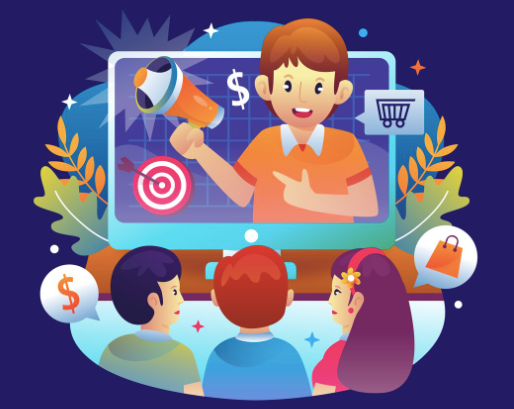
In the fast-moving world of eCommerce, customers rarely make decisions slowly. With countless alternatives and constant distractions, hesitation becomes the enemy of conversions. That’s where FOMO—Fear of Missing Out—emerges as one of the most powerful psychological triggers in digital marketing. When used ethically and creatively, FOMO encourages shoppers to take action with confidence rather than delay their purchase.
This guide explores more than ten effective FOMO marketing strategies, explains why they work, and helps you apply them in a way that elevates user experience instead of overwhelming it. By the end, you’ll understand how to build urgency, increase trust, and turn passive browsers into motivated buyers.
FOMO works because people are naturally inclined to avoid loss, seek belonging, and respond to social cues. In eCommerce, this translates into micro-signals that push shoppers toward quicker, more decisive actions.
FOMO taps into several emotional drivers that influence behavior. Understanding these helps you design more effective experiences:
These triggers don't have to create anxiety. When used properly, they help customers make decisions they were already interested in—but needed a nudge to finalize.
Real-time social proof showcases what other shoppers are doing at the same moment. It transforms your store from a silent interface into a lively, active marketplace. Seeing that others are browsing, purchasing, or reviewing products signals credibility and creates curiosity.
When customers see actions happening in real time, they subconsciously perceive the product as more popular and the experience as more trustworthy. This reduces skepticism and leads to a faster purchase path.
These tools work best when they feel authentic, subtle, and easy to verify.
Time scarcity is one of the strongest FOMO drivers. When shoppers see a deadline approaching, they naturally shift into conclusion mode. They focus on whether the product fits their needs rather than continuing to browse alternatives.
The key to using deadlines ethically is transparency. Customers feel motivated—not pressured—when your offer genuinely ends at the published time.
Ensure your countdowns reset only when appropriate; fake scarcity destroys trust quickly.
When an item is almost sold out, customers instinctively move faster. Scarcity suggests popularity, demand, and limited opportunity—all powerful signals that the product is worth buying now.
Scarcity triggers the brain’s loss aversion response: the fear that waiting might mean losing something valuable. Shoppers begin considering what they might miss, not just what they might gain.
These alerts become even more effective when paired with product variants, as shoppers often panic-buy when their preferred size or color begins to disappear.
People love feeling special. When customers know that certain offers or products are available only to members, subscribers, or VIP tiers, they develop a stronger attachment to your brand.
Exclusivity creates a sense of privilege. Customers feel rewarded for being part of your inner circle, and this emotional reinforcement increases loyalty.
These perks not only increase conversions but also turn one-time shoppers into returning community members.
People look to others for cues on what to do, especially when making uncertain decisions. Social engagement metrics offer a powerful form of validation.
When high engagement surrounds a product, customers assume it’s high-quality or desirable. This reduces the perceived risk of purchasing.
These elements work best when they appear naturally within the browsing experience.
When customers anticipate something new and exciting, they mentally prepare to take action. A countdown to a launch builds hype and positions your brand as one worth watching.
Anticipation triggers dopamine, increasing emotional investment. When the timer hits zero, customers feel compelled to act immediately.
Launch-based FOMO works especially well in fashion, beauty, and collectibles.
Customers value free extras, especially when they know the bonus won’t last forever. Limited-time bonuses increase the perceived value of a purchase far more effectively than permanent offers.
Shoppers feel they are “getting more” without paying more. This shift in perceived value encourages them to act before missing the opportunity.
Make sure the bonuses are meaningful and relevant to the product being purchased.
When prices adjust based on demand or availability, shoppers learn that waiting may result in a less favorable price. This drives action through logical urgency rather than emotional pressure.
Dynamic pricing emphasizes consistency and fairness. Customers must understand why prices change, or the system may appear manipulative.
These techniques are especially effective when combined with clear, real-time explanations.
Seasonal products inherently generate FOMO because customers know they won’t be available year-round. This includes holiday items, limited-edition colors, or seasonal flavors.
Seasonal scarcity turns your store into a rotating experience—one that encourages customers to return regularly.
Seasonal FOMO blends both novelty and urgency, creating a powerful conversion path.
When real customers show how they use a product, it creates authentic excitement. Shoppers begin to imagine themselves having the same satisfying experience.
UGC humanizes your brand. It shifts FOMO away from “missing the deal” toward “missing the experience,” which is significantly more persuasive.
This technique thrives when the content feels genuine, not overly polished.
FOMO marketing remains one of the most influential strategies for driving conversions in eCommerce, but the key is using it with intention, transparency, and respect for your customers. When you combine authenticity with strategic urgency—whether through social proof, scarcity, exclusive perks, or dynamic pricing—you create an ecosystem where shoppers feel excited to act rather than pressured. Each technique in this guide adds a different layer of motivation, and integrating several of them creates a powerful, cohesive experience that moves customers confidently from browsing to buying. Used wisely, FOMO can elevate your brand, strengthen trust, and significantly boost long-term revenue.