New to Shopify? Free trial, then $1/month for your first 3 months. Start free trial →
 Where is your store?
Ryviu works with both – pick yours to continue.








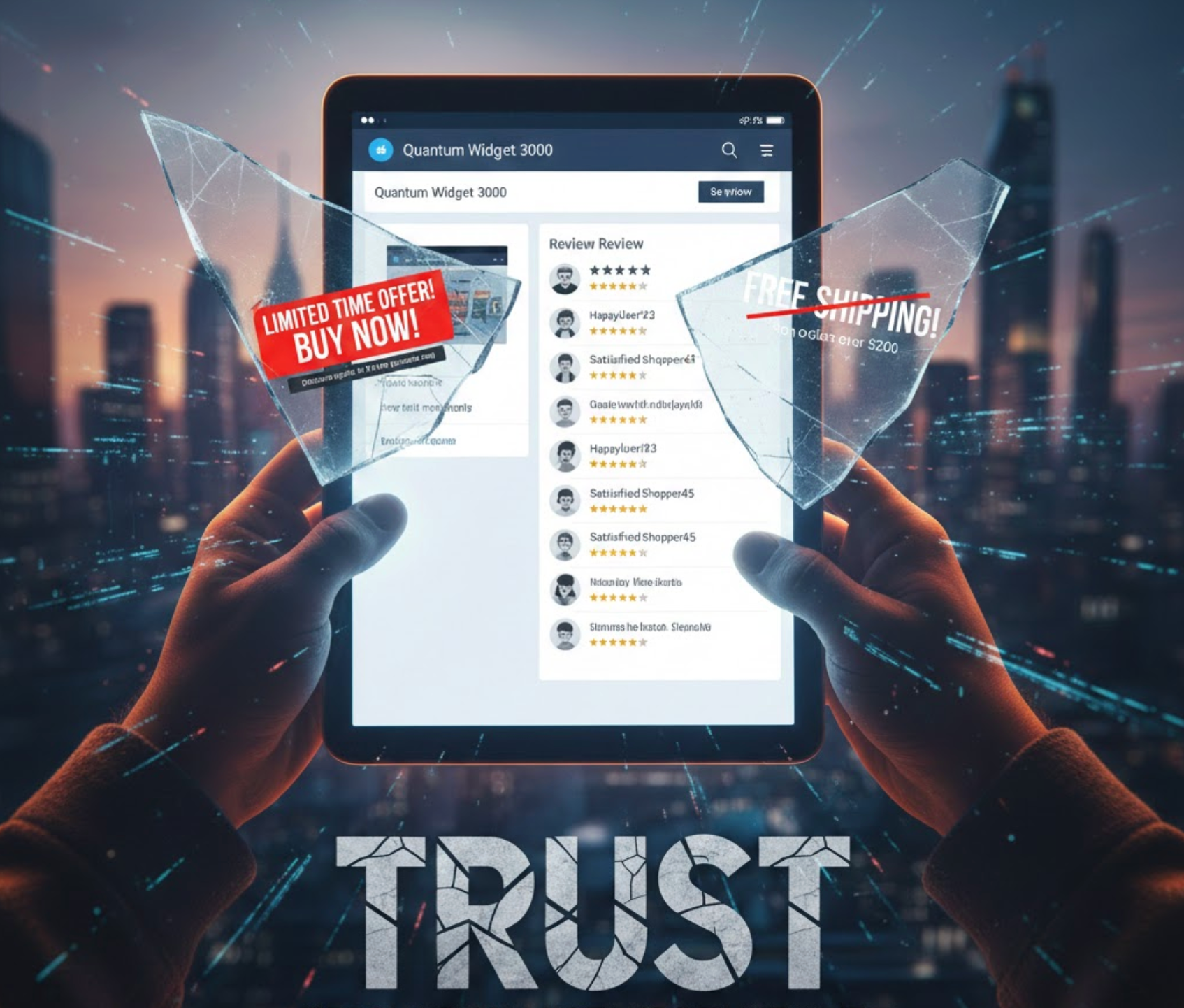
Persuasion is a powerful tool in eCommerce, marketing, and product design. When done well, it helps customers make confident decisions and feel good about their choices. But when persuasion is overused, poorly executed, or feels manipulative, it can quickly damage trust. Once trust is lost, even the most attractive offer struggles to convert.
Many brands don’t realize that their conversion-focused tactics are quietly pushing customers away. Dark patterns, exaggerated claims, and artificial urgency may deliver short-term gains, but they often reduce long-term loyalty and brand credibility. Understanding these common persuasion mistakes is the first step toward building experiences that convert without sacrificing trust.
Below are the most frequent persuasion mistakes that hurt trust, and how they affect customer behavior.

Urgency and scarcity are classic persuasion techniques, but they become harmful when they are clearly artificial. Countdown timers that reset on every visit or “Only 1 left!” messages that never change signal manipulation rather than helpful guidance. Shoppers quickly learn to recognize these patterns and stop believing them.
When urgency feels fake, customers don’t just ignore it, they begin to doubt everything else on the page. This skepticism increases hesitation, prolongs decision-making, and can cause users to abandon the site entirely. Instead of motivating action, false urgency creates friction and erodes confidence in the brand.
Below are common examples of fake urgency:
Bold promises can capture attention, but exaggerated or unrealistic claims often backfire. Statements like “Guaranteed results in 24 hours” or “Best product on the market” without evidence trigger suspicion rather than excitement. Modern consumers are highly informed and naturally skeptical of vague superlatives.
When claims feel inflated, customers begin searching for proof, and if they can’t find it, trust collapses. Even if the product is genuinely good, overstated promises create a gap between expectations and reality, leading to disappointment, negative reviews, and returns.
Let’s take a look at some examples of trust-damaging claims below:
Withholding key details to push users deeper into the funnel is a common but damaging tactic. Unexpected shipping fees, unclear return policies, or hidden subscription renewals make customers feel tricked rather than persuaded. Transparency matters most at moments where money and commitment are involved.
When users discover hidden costs late in the process, it triggers frustration and regret—even if they continue with the purchase. This emotional discomfort reduces repeat purchases and increases chargebacks, complaints, and distrust toward future offers.
Information often hidden that harms trust includes:
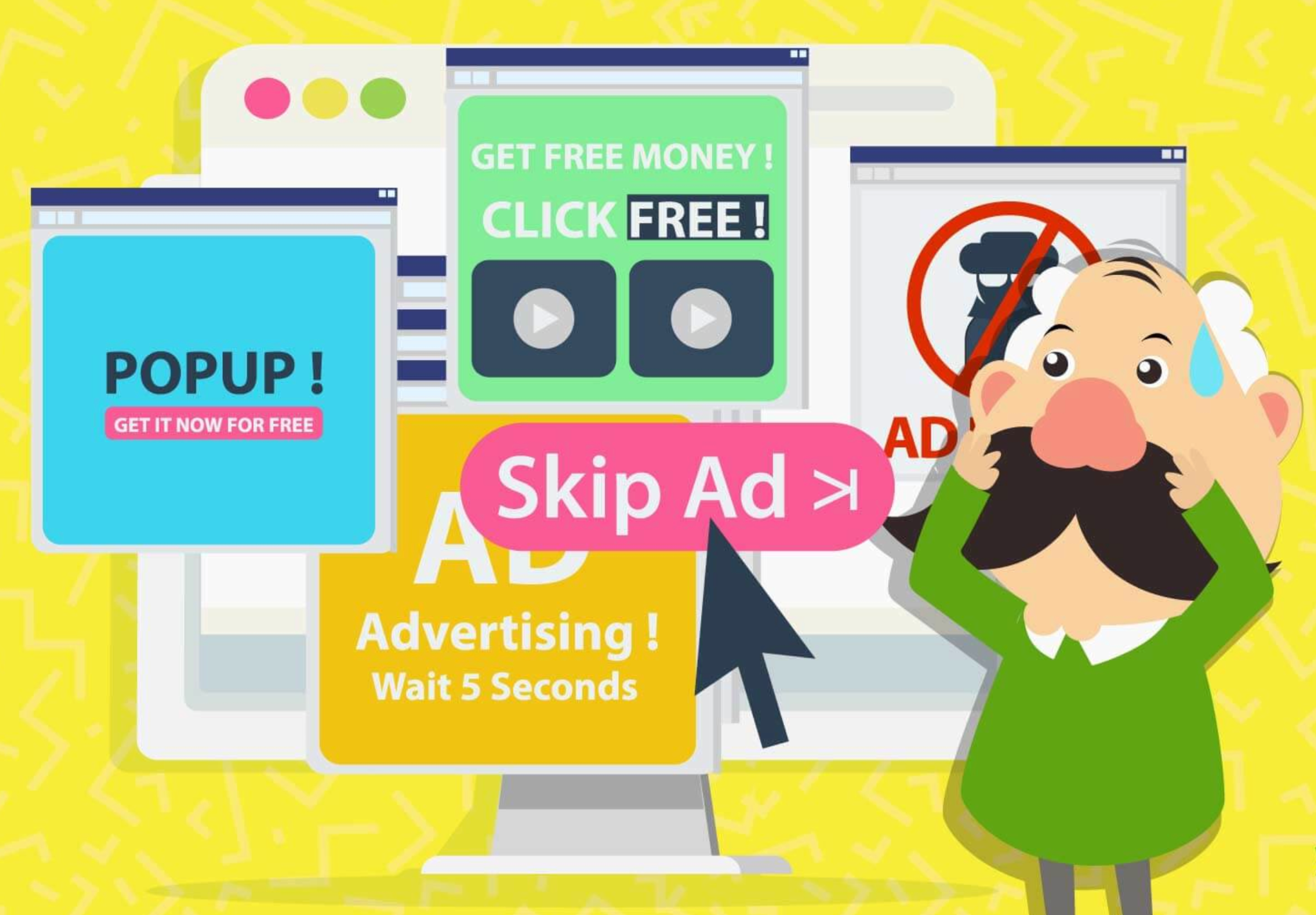
Popups can be effective when used thoughtfully, but aggressive interruptions often feel intrusive. Multiple popups appearing within seconds, email capture, discount offers, exit intent modals, overwhelm users and signal desperation rather than confidence.
These interruptions break the browsing flow and shift attention away from the product itself. Instead of feeling guided, users feel pressured, which increases cognitive load and reduces trust in the brand’s intentions.
Common aggressive interruption patterns include:

Social proof is powerful, but only when it feels authentic. Fake reviews, generic testimonials, or anonymous “John D.” quotes with stock photos raise red flags. Customers are skilled at detecting inauthentic signals and often trust peer feedback more than brand messaging.
When social proof feels staged, it damages not only the credibility of the reviews but also the product itself. Shoppers may wonder what the brand is trying to hide and why real customer voices aren’t visible.
Below are some examples of weak or suspicious social proof:
Guiding decisions through layout and emphasis is normal, but crossing into manipulation hurts trust. Pre-selected add-ons, confusing pricing tiers, or visually hiding the “no thanks” option can make users feel trapped rather than supported.
When customers sense that choices are being engineered to trick them, they resist—even if the offer is good. This resistance often shows up as hesitation, cart abandonment, or long-term avoidance of the brand.
Manipulative choice design often contains:
Persuasion works best when it helps users understand value, not when it pushes them toward a decision they’re not ready for. Overly sales-driven language that ignores user concerns can feel dismissive and self-serving. Customers want to feel informed, not rushed.
When brands focus on education, explaining benefits, addressing objections, and setting clear expectations, trust grows naturally. Pressure tactics, on the other hand, signal that the brand prioritizes conversion over customer success.
Pressure-driven persuasion often looks like:
Effective persuasion is not about forcing action, but it’s about reducing uncertainty and helping customers feel confident in their decisions. The most damaging persuasion mistakes share one thing in common: they prioritize short-term conversions over long-term trust.
By avoiding fake urgency, exaggerated claims, hidden information, and manipulative design, brands can create experiences that feel honest and respectful. Trust-driven persuasion may convert more slowly at first, but it leads to higher loyalty, better reviews, and stronger lifetime value over time.
In the end, persuasion that protects trust doesn’t just sell more, it builds relationships that last.