New to Shopify? Free trial, then $1/month for your first 3 months. Start free trial →
 Where is your store?
Ryviu works with both – pick yours to continue.








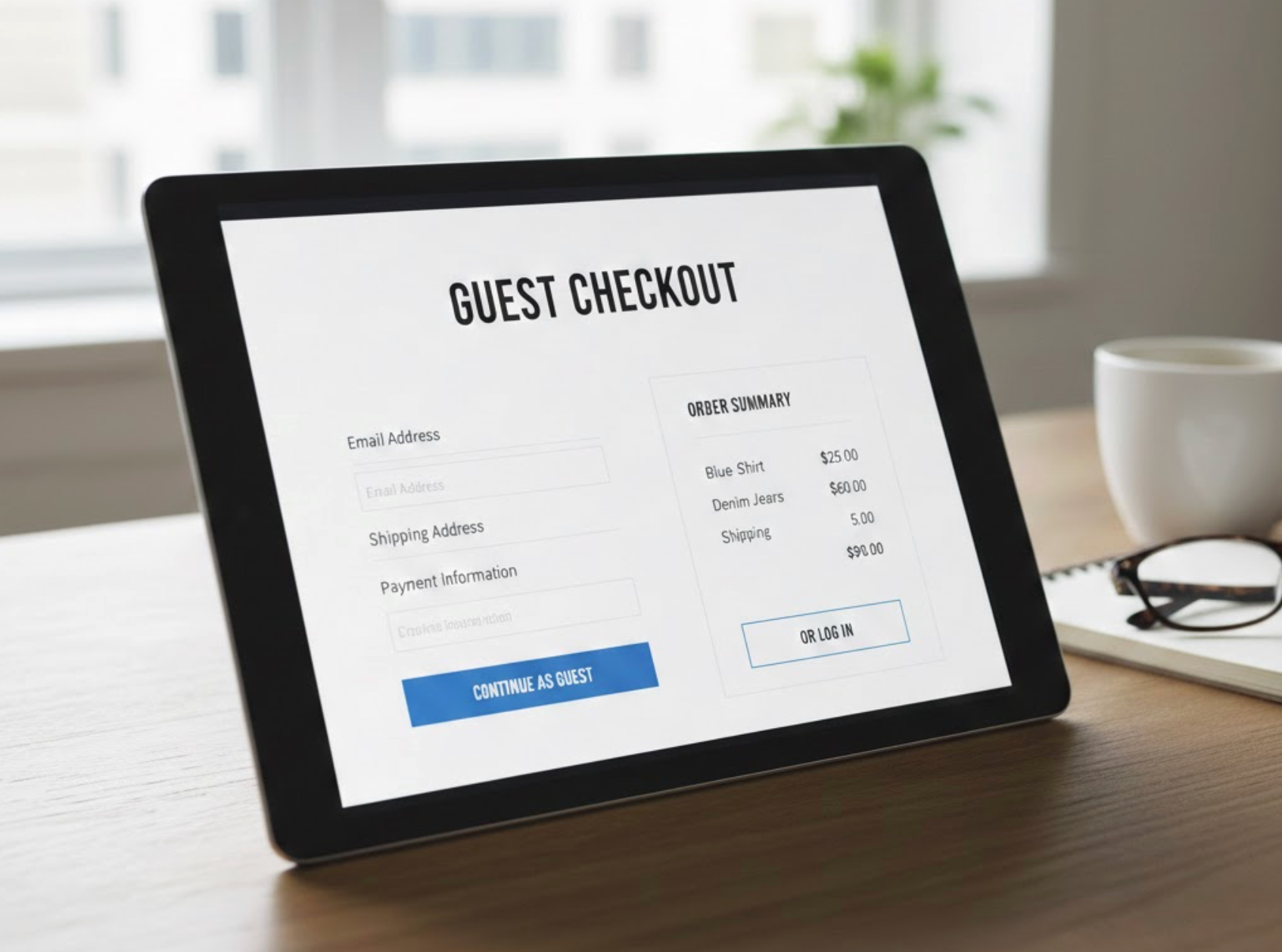
Guest checkout has become a foundational feature in modern eCommerce, largely because customer expectations have evolved. Shoppers today value speed, convenience, and control over their personal information more than ever before. When a checkout process feels slow, intrusive, or overly demanding, users are far more likely to abandon their carts, even if they genuinely want the product.
By allowing customers to complete purchases without creating an account, guest checkout removes one of the most common barriers to conversion. Instead of asking shoppers to commit to a long-term relationship immediately, it prioritizes completing the transaction first. In this article, we’ll explore what guest checkout is, why it matters, its benefits and drawbacks, detailed best practices, common mistakes to avoid, and how guest checkout helps build trust and long-term growth.
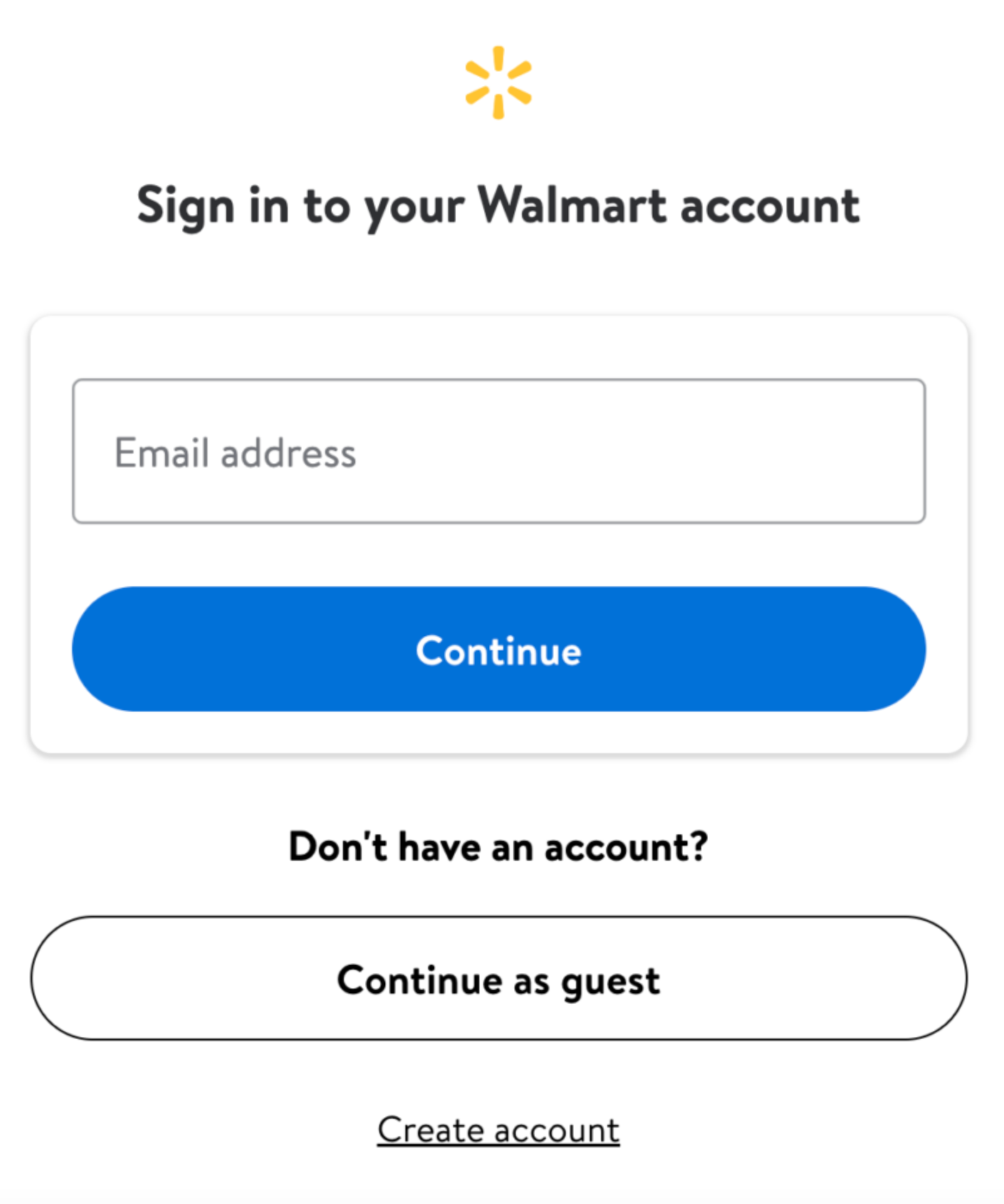
Guest checkout is a checkout option that enables customers to place an order without registering for an account or logging in. Shoppers are only required to provide the essential details needed to process the order, such as shipping information, billing address, and payment method. Once the purchase is complete, no ongoing account is required.
This approach is particularly appealing to first-time buyers and occasional shoppers. Many users are not ready to create accounts with every store they visit, especially if they are unsure whether they will return. Guest checkout respects this hesitation by reducing commitment and allowing users to focus solely on completing their purchase.
Importantly, guest checkout does not eliminate the possibility of account creation. Instead, it defers that decision to a later stage, often after checkout, when customers feel more confident about the brand and more willing to engage further.
Checkout is the most sensitive stage in the ecommerce journey. By the time shoppers reach this point, they have already shown strong purchase intent, which means even minor friction, such as extra form fields, forced registration, or unexpected steps, can quickly lead to hesitation or abandonment. This is especially true for first-time buyers or customers trying to complete their purchase quickly.
Guest checkout helps preserve this momentum. By removing mandatory account creation and simplifying the checkout process, it aligns with how users naturally want to shop online: fast, seamless, and with minimal commitment. This friction-free experience is particularly important for mobile users, where long forms and extra steps feel more disruptive.
From a business perspective, guest checkout supports higher conversion rates by capturing more completed orders, especially from new customers who may not yet trust the brand enough to register. It also encourages impulse and time-sensitive purchases, making it a key feature for conversion-focused ecommerce stores.
Beyond conversions, guest checkout helps build customer trust. By respecting user choice and privacy, it creates a more comfortable purchasing experience, increasing the likelihood that shoppers will return, register later, and recommend the brand.
These advantages translate into several key benefits:
A smooth and transparent guest checkout experience often becomes the foundation for a long-term customer relationship. When shoppers feel comfortable during their initial purchase, they are far more likely to return, create an account later, and recommend the brand to others. However, while these benefits are compelling, it’s still important to understand and address the limitations that can come with guest checkout to ensure long-term success.
Although guest checkout improves short-term conversions, it can present challenges related to data, personalization, and retention if not handled carefully.
Without user accounts, businesses have fewer touchpoints to track long-term behavior or preferences. This can limit advanced personalization and make it harder to understand repeat purchase patterns.
Accounts make it easier for customers to return, reorder, and participate in loyalty programs. Guest checkout may delay these benefits unless follow-up strategies are in place to re-engage customers.
Guest checkout relies heavily on email for order confirmation and support communication. If a customer enters an incorrect email address, resolving issues may require additional effort from support teams.
These drawbacks highlight why guest checkout should be paired with thoughtful post-purchase communication.
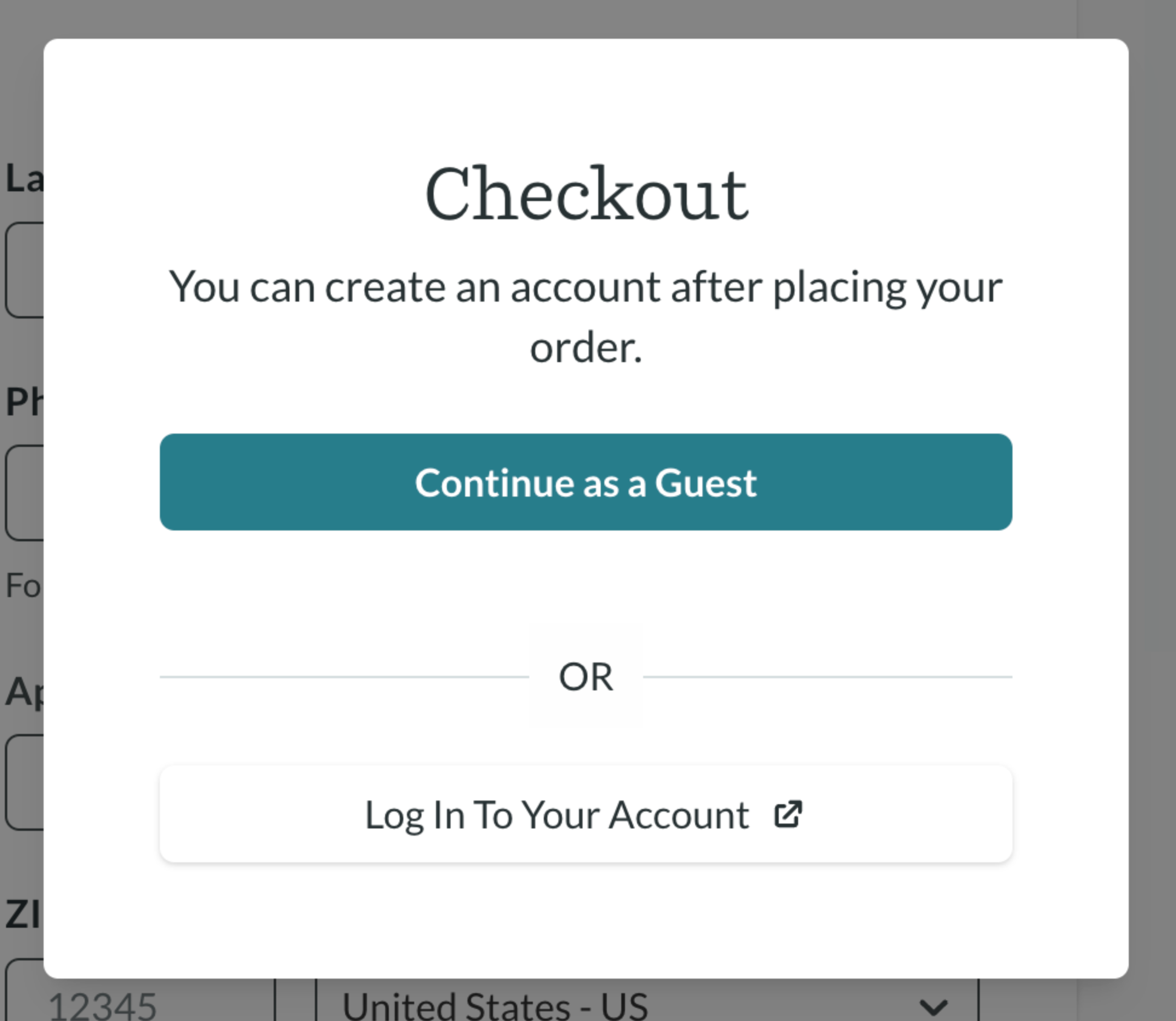
To maximize the benefits of guest checkout, implementation details matter. A well-designed guest checkout experience feels effortless, clear, and reassuring from start to finish.
Guest checkout should be displayed prominently alongside login and sign-up options. Clear labeling reassures users that registration is not required, helping them move forward with confidence.
Only ask for information that is required to complete the order. Avoid optional fields that add friction without delivering immediate value. Shorter forms lead to faster completion and lower abandonment.
Ensure buttons are easy to tap, input fields are optimized for the correct keyboard type, and scrolling is kept to a minimum. Since many guest users shop on mobile, mobile usability is critical.
Once the purchase is complete, offer customers the option to create an account using the information they already provided. At this point, trust has been established, making users more receptive to registering.
Display security badges, SSL indicators, and concise privacy messaging during checkout. Reassurance is especially important for guest users who are unfamiliar with your brand.
Send clear confirmation emails, shipping updates, and tracking links. Transparent communication reinforces confidence and reduces uncertainty after checkout.
Together, these best practices ensure guest checkout supports both conversion and customer satisfaction.
Even small missteps can undermine the effectiveness of guest checkout. Avoiding these mistakes helps preserve its core benefits.
If guest checkout is hidden or visually de-emphasized, users may assume account creation is mandatory and abandon the checkout process.
Forcing registration after checkout has started breaks trust and disrupts momentum. This approach often results in immediate drop-offs.
Requesting unnecessary personal or marketing information contradicts the purpose of guest checkout and increases friction.
Popups or persistent prompts encouraging account creation before purchase completion can overwhelm users and damage the experience.
Failing to engage guest customers after checkout misses a valuable opportunity to turn a satisfied buyer into a repeat customer.
Avoiding these errors ensures guest checkout remains fast, clear, and user-focused.
Guest checkout is no longer a luxury feature, but it’s a core component of a high-performing eCommerce checkout. By reducing friction, speeding up the buying process, and lowering commitment barriers, it helps businesses convert more visitors into customers.
When combined with thoughtful design and smart post-purchase engagement, guest checkout can drive immediate sales while still supporting long-term growth. The key is to prioritize convenience first and build deeper relationships once trust has been earned.