New to Shopify? Free trial, then $1/month for your first 3 months. Start free trial →
 Where is your store?
Ryviu works with both – pick yours to continue.








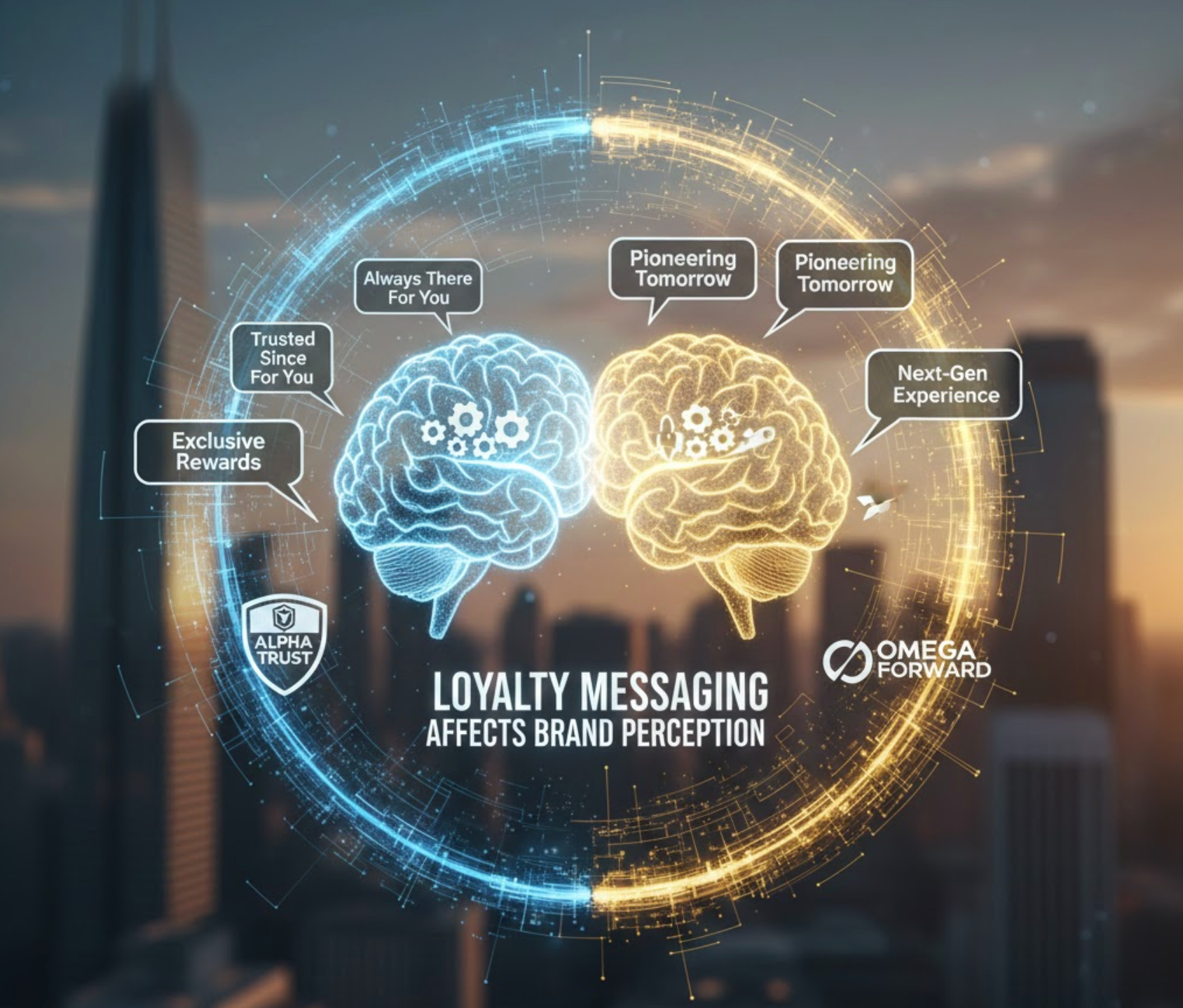
In today’s competitive market, brands are no longer judged solely by product quality or pricing. Customers evaluate how businesses communicate with them before, during, and after a purchase. Loyalty messaging, the way companies talk about rewards, appreciation, and long-term relationships, plays a powerful role in shaping how customers perceive a brand.
From simple “thank you” messages to personalized reward notifications, loyalty communication influences trust, emotional connection, and overall brand image. When executed strategically, it strengthens customer relationships and transforms occasional buyers into devoted advocates. Poorly designed messaging, on the other hand, can feel manipulative or transactional, ultimately damaging credibility.
This article explores how loyalty messaging shapes brand perception, why it matters for modern ecommerce, and how businesses can craft communication that reinforces positive brand identity.

Loyalty messaging refers to all communication designed to recognize, reward, or maintain long-term customer relationships. It includes welcome emails for new members, reward notifications, birthday offers, points updates, exclusive access announcements, and post-purchase appreciation messages.
Unlike promotional campaigns focused solely on sales, loyalty messaging emphasizes connection and appreciation. Its goal is to make customers feel valued rather than targeted. This shift in tone changes how customers interpret a brand’s intentions, influencing whether they see the company as genuinely customer-centric or purely profit-driven.
In modern ecommerce, loyalty communication also acts as a continuous touchpoint. Since online shopping lacks face-to-face interaction, messaging becomes the primary way brands express personality, empathy, and gratitude.
Trust is one of the strongest drivers of positive brand perception. When loyalty messaging is clear, transparent, and consistent, it reassures customers that a brand values honesty and long-term relationships.
Clear explanations of how rewards work, how points are earned, and when benefits apply reduce confusion. Customers appreciate brands that communicate rules upfront rather than hiding restrictions in fine print. Transparency signals integrity, which strengthens emotional confidence in the brand.
Consistency is equally important. If loyalty updates arrive regularly and accurately, customers feel informed and respected. Erratic or misleading communication, however, creates frustration and makes customers question the brand’s reliability.
One of the most powerful effects of loyalty messaging is its ability to build emotional bonds. Personalized messages that recognize milestones, birthdays, or purchase anniversaries help customers feel seen as individuals rather than data points.
Emotional connection enhances brand perception in several ways:
Over time, these emotional experiences accumulate and shape how customers describe the brand to others, often using words like caring, thoughtful, or customer-focused.
Every loyalty message contributes to the brand’s overall voice. Whether communication feels professional, playful, luxurious, or minimalistic directly impacts perception.
For example:
Consistency between loyalty messaging and overall branding strengthens authenticity. When the tone matches the brand’s identity, customers perceive the experience as cohesive and trustworthy.
Many businesses assume loyalty messaging must focus on discounts to be effective. In reality, how rewards are communicated can influence perceived value more than the reward itself.
Messages that emphasize exclusivity, appreciation, and personalized experiences elevate the brand image. Customers begin to view rewards as recognition rather than simple promotions. This distinction helps prevent the brand from being perceived as cheap or overly sales-driven.
For example, framing a reward as “an exclusive thank-you for loyal members” creates a stronger emotional impact than presenting it as a generic price reduction. Thoughtful wording shapes how customers interpret the brand’s intentions.
Effective loyalty messaging often goes beyond individual rewards and creates a sense of belonging. Inviting customers into VIP groups, early product launches, or special events fosters a feeling of community around the brand.
Community-driven messaging affects perception by:
When customers feel part of something meaningful, their loyalty becomes emotionally rooted rather than purely transactional.
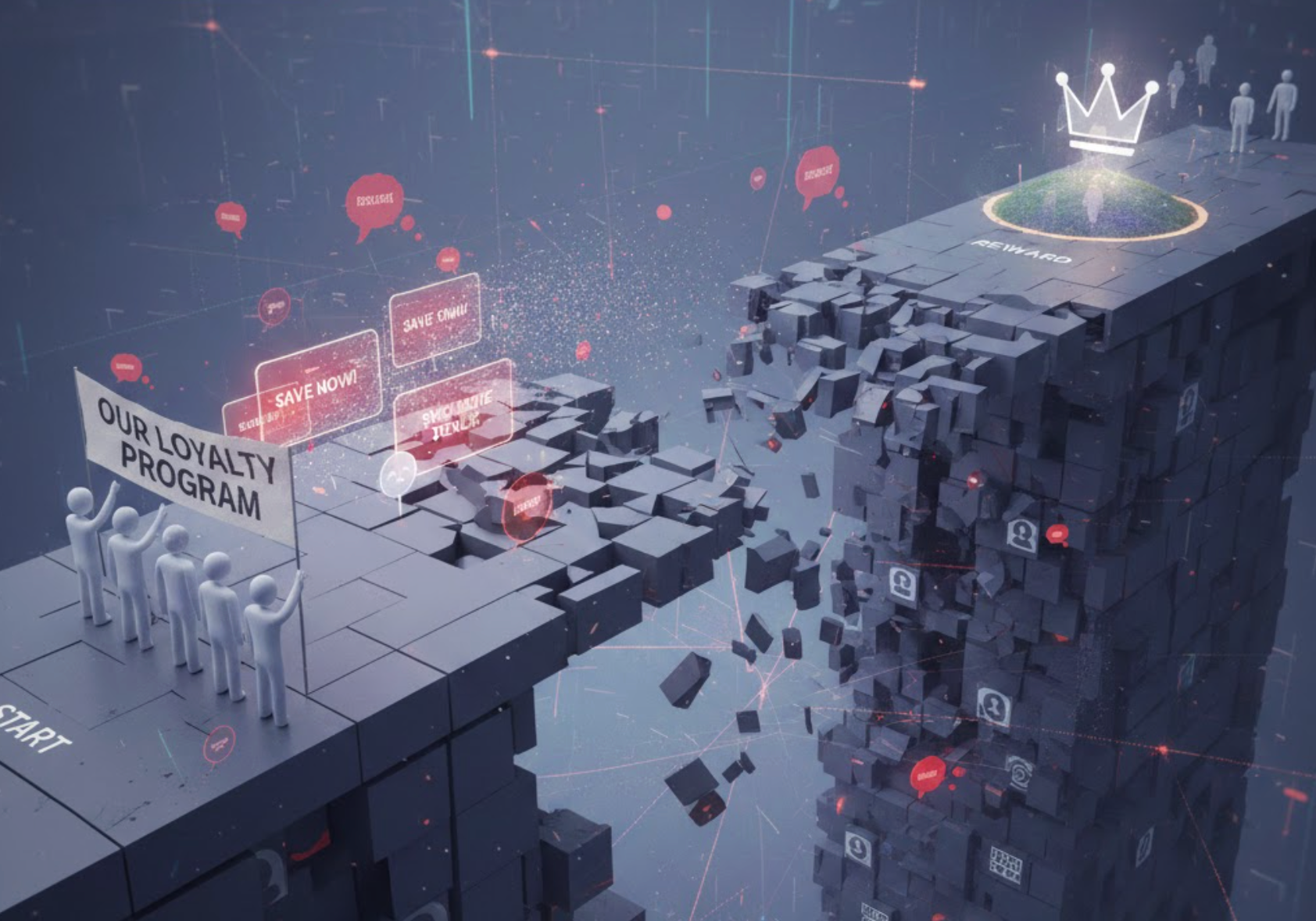
While strong communication can enhance brand perception, poorly executed loyalty messaging can quickly have the opposite effect. Common mistakes include overly aggressive promotion, unclear reward structures, or excessive notifications that feel spammy.
Some negative outcomes include:
Brands must remember that loyalty messaging is not just about frequency; it is about relevance, clarity, and respect for the customer’s time and attention.
To ensure loyalty communication strengthens brand perception, businesses should implement strategies that prioritize relevance, clarity, and emotional connection. Thoughtful messaging helps customers feel appreciated rather than targeted, reinforcing a positive brand image. The following approaches help brands build stronger relationships while maintaining consistent communication.
Understanding how loyalty messaging affects perception requires ongoing analysis. Businesses can evaluate effectiveness through:
Combining qualitative feedback with quantitative data provides a holistic view of how customers interpret the brand’s loyalty communication.
As ecommerce evolves, loyalty messaging is becoming more personalized and experience-driven. AI-powered segmentation, predictive rewards, and real-time communication allow brands to deliver highly relevant messages that feel natural rather than automated.
Customers increasingly expect brands to recognize their preferences and history. Loyalty communication will shift toward hyper-personalized experiences that anticipate needs and celebrate individual journeys.
Brands that embrace authenticity, empathy, and thoughtful communication will stand out in an increasingly crowded digital environment.
Loyalty messaging is far more than a marketing tactic, it is a powerful driver of brand perception. Every message shapes how customers feel about a business, influencing trust, emotional connection, and long-term loyalty.
Clear, personalized, and authentic communication strengthens relationships and positions the brand as customer-centric. In contrast, confusing or overly promotional messaging risks undermining credibility and engagement.
By focusing on transparency, emotional connection, and consistent brand voice, businesses can turn loyalty messaging into a meaningful experience that reinforces positive perception and builds lasting customer relationships.