New to Shopify? Free trial, then $1/month for your first 3 months. Start free trial →
 Where is your store?
Ryviu works with both – pick yours to continue.









Customer reviews have become one of the most powerful forms of social proof in ecommerce. While businesses often try to encourage all buyers to leave feedback, loyal customers consistently contribute a higher number of reviews compared to first-time shoppers. This pattern is not random, it reflects deeper psychological, emotional, and behavioral factors tied to customer loyalty.
Understanding why loyal customers are more likely to share their experiences helps brands design better engagement strategies, collect authentic feedback, and strengthen long-term relationships. Instead of relying solely on incentives or aggressive review requests, businesses can focus on nurturing loyalty, which naturally leads to more meaningful and frequent customer reviews.
This article explores the reasons behind this trend and how businesses can leverage loyal customer behavior to build stronger review ecosystems.
Loyal customers often develop an emotional bond with brands they trust. Over time, repeated positive experiences create a sense of familiarity and attachment that goes beyond simple transactions. When customers feel connected, they are more willing to share their opinions publicly.
Reviews become a way for them to express appreciation, support the brand’s growth, and participate in its community. Writing a review feels less like a task and more like contributing to something they care about.
This emotional connection leads to:

One of the simplest reasons loyal customers leave more reviews is frequency. The more someone purchases from a brand, the more chances they have to leave feedback. A first-time buyer might leave a single review, while a returning customer may write multiple reviews across different products and time periods.
Each interaction creates another touchpoint where brands can request feedback. Loyal customers become accustomed to these requests and are more likely to respond because the process feels familiar.
Increased purchase frequency contributes to:
Many customers hesitate to leave reviews because they are unsure whether their opinion matters or how their feedback will be received. Loyal customers, however, already trust the brand and feel comfortable interacting with it.
They believe their voices are valued and that their feedback might influence future products or services. This trust lowers hesitation and increases participation in feedback activities.
As a result:
Brands that foster a sense of belonging often see higher engagement levels from repeat customers. Loyal buyers may feel like insiders who understand the brand’s values, story, and mission. Writing reviews becomes a way to help guide new customers and strengthen the community.
Instead of simply rating products, they provide advice, usage tips, and personal experiences. Their reviews often go beyond star ratings and include stories that resonate with future buyers.
Community-driven reviewing leads to:
First-time customers may feel unsure about how to write a review, what to include, or whether their feedback is helpful. Loyal customers, on the other hand, are already familiar with the brand’s review system and expectations.
Over time, they become comfortable with the process, which reduces friction and increases the likelihood of participation. The simpler and more familiar the experience feels, the more frequently customers engage.
This familiarity encourages:

Many repeat customers develop a sense of ownership toward brands they support. They want to see improvements, new features, or expanded product lines that align with their preferences. Reviews become a direct channel for expressing ideas and suggestions.
Unlike casual buyers, loyal customers are invested in the brand’s future success. Their feedback often contains constructive criticism alongside praise, helping businesses identify both strengths and areas for improvement.
This motivation results in:
Loyal customers typically have more positive interactions with a brand than occasional buyers. Positive experiences naturally encourage sharing, especially when customers feel satisfied or pleasantly surprised.
Repeated satisfaction strengthens the habit of reviewing because customers expect their future purchases to meet similar standards. Each successful experience reinforces their willingness to recommend products and share feedback.
This pattern leads to:
Brands often provide more personalized communication to loyal customers, including tailored emails, exclusive offers, or loyalty program updates. These personalized interactions make customers feel recognized and valued.
When review requests are integrated into personalized communication, loyal customers are more likely to respond because the message feels relevant rather than generic.
Effective personalization can:
Understanding why loyal customers are more active reviewers allows brands to build strategies that amplify this behavior.
Practical approaches include:
These strategies should feel natural and relationship-focused rather than transactional.
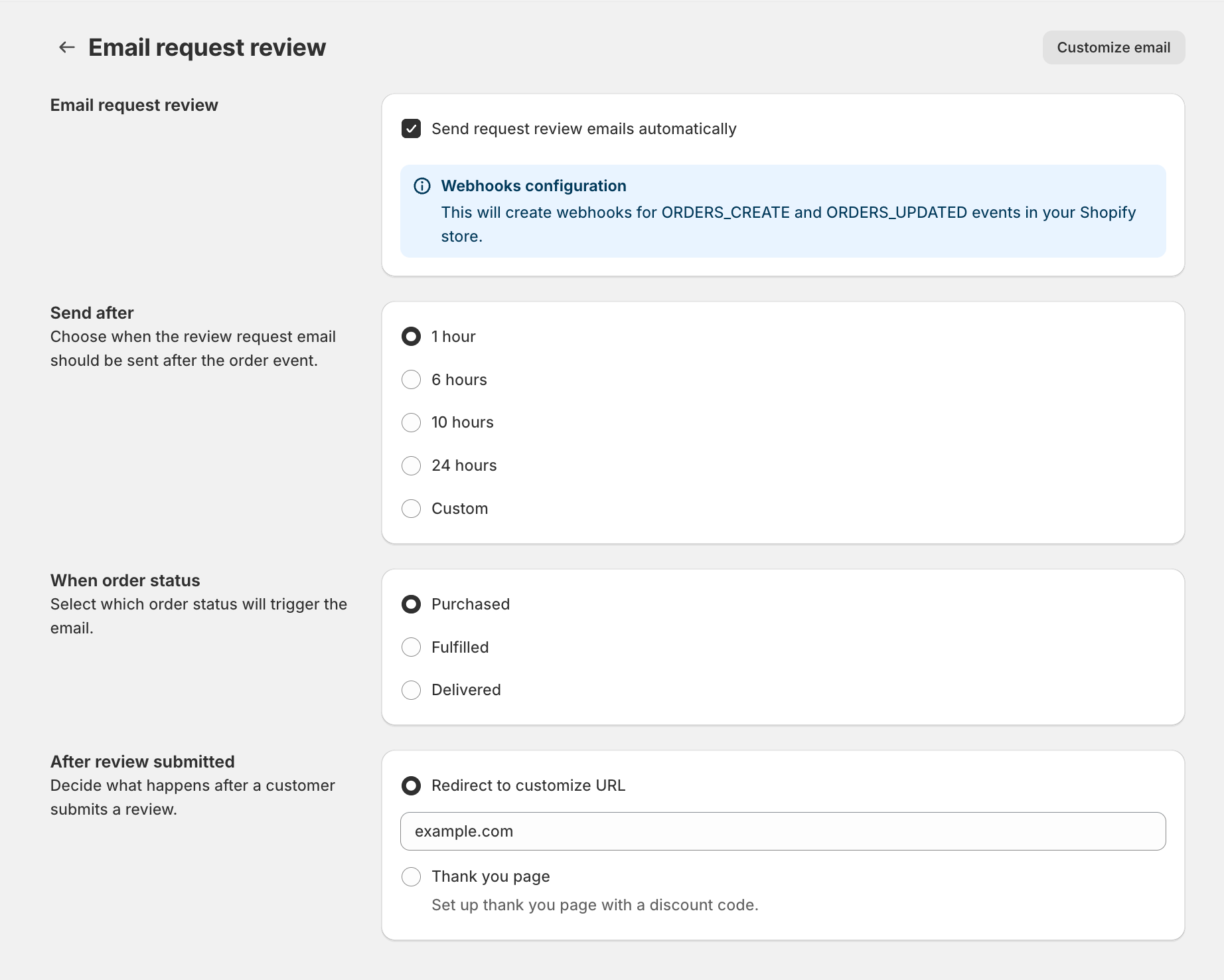
Loyal customers leave more reviews because they are emotionally connected, deeply engaged, and invested in the brands they trust. Their frequent purchases create more opportunities to share feedback, while their familiarity with the brand reduces hesitation and increases participation.
More importantly, loyal customers often see themselves as part of a larger community and want to influence the brand’s future. Their reviews are not just ratings, they are stories, insights, and recommendations that shape purchasing decisions for other shoppers.
For businesses, the lesson is clear: focusing on building genuine customer loyalty is one of the most effective ways to generate consistent, high-quality reviews. Instead of chasing one-time feedback from every buyer, nurturing long-term relationships naturally leads to stronger engagement, richer insights, and a more trustworthy ecommerce presence.