New to Shopify? Free trial, then $1/month for your first 3 months. Start free trial →
 Where is your store?
Ryviu works with both – pick yours to continue.








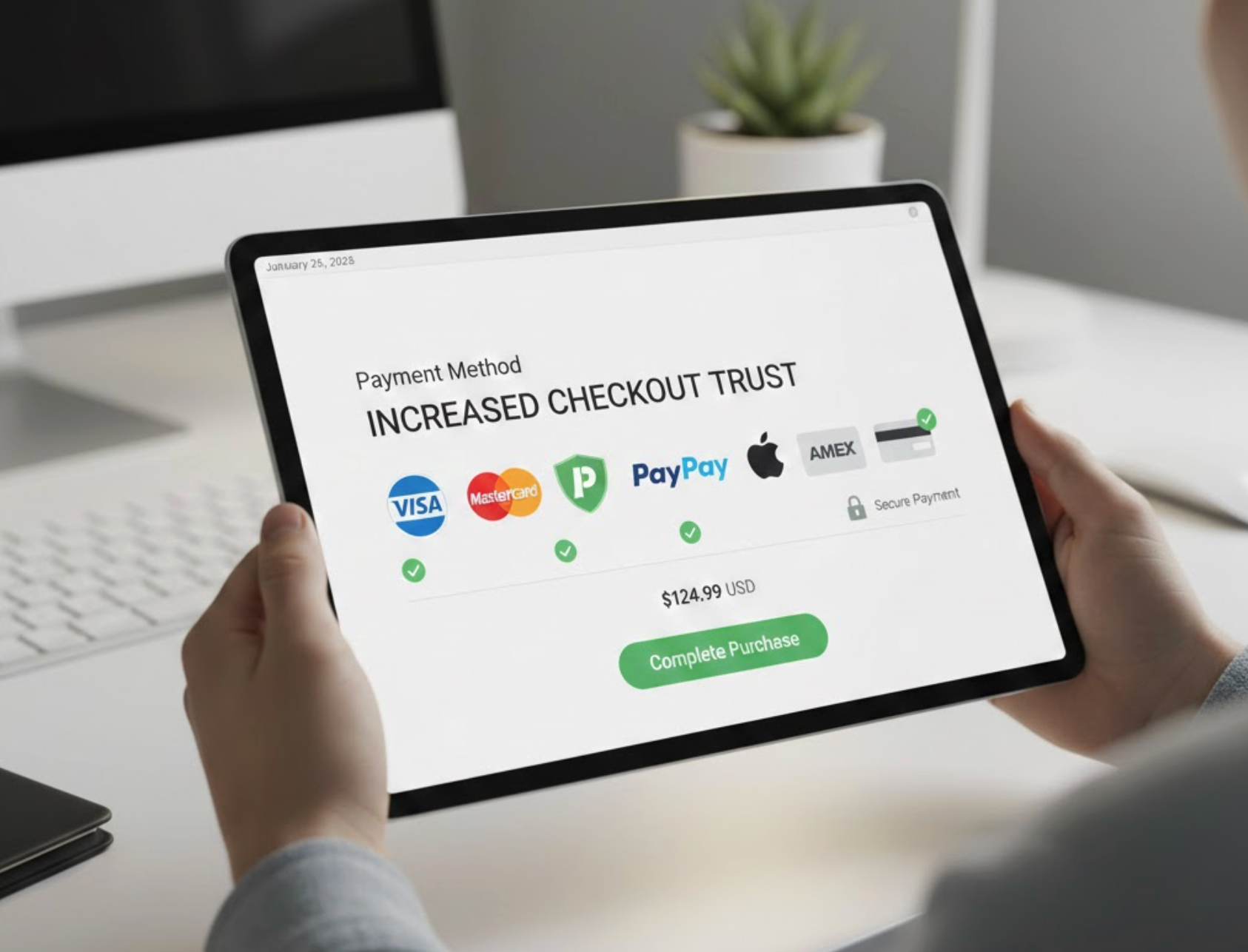
Checkout is the most critical moment in the ecommerce buying journey. At this stage, shoppers are no longer evaluating products, they are evaluating risk. They are deciding whether they trust the store enough to share sensitive payment information and complete the transaction. Even when customers genuinely want a product, uncertainty around payment security can instantly trigger hesitation or abandonment.
This is why payment icons matter far more than many merchants realize. These small visual elements act as powerful trust cues that reassure shoppers, reduce perceived risk, and validate the legitimacy of the store. When used correctly, payment icons silently strengthen checkout confidence and encourage customers to complete their purchase without second-guessing.
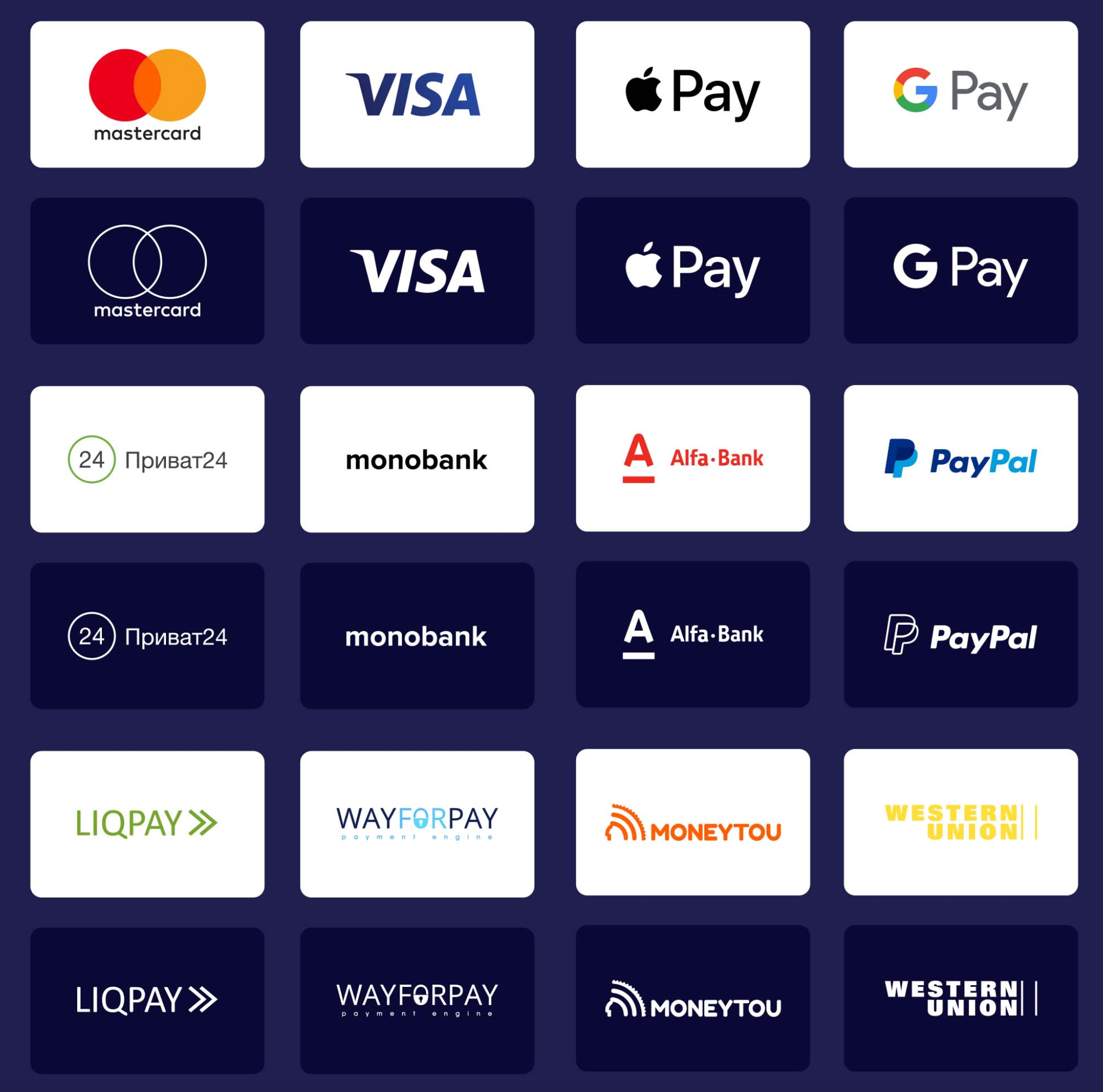
Payment icons are visual representations of the payment methods a store accepts, such as Visa, Mastercard, PayPal, Apple Pay, Google Pay, or region-specific providers. They are commonly placed on product pages, cart pages, checkout pages, and in website footers. While they may appear decorative at first glance, their real function is psychological rather than aesthetic.
Instead of explaining security policies or payment processes through text, payment icons communicate trust instantly through familiarity. Customers recognize these brands from previous successful transactions, which helps them feel safe even before they read a single word. In fast-moving ecommerce environments, this instant recognition is invaluable.
Trust issues rarely surface during browsing, but they become highly visible at checkout. This is the first time shoppers are asked to provide personal and financial information, making them more alert to signs of risk or inconsistency. Any uncertainty, no matter how small, can break momentum and push customers to abandon their cart.
Payment icons help stabilize trust at this fragile moment. By reinforcing that transactions are processed through established, reputable payment providers, they reduce anxiety and prevent customers from questioning whether the store is legitimate or secure.
Well-known payment brands carry their own reputation for reliability, fraud protection, and consumer safety. When these logos appear on a checkout page, customers subconsciously associate those positive attributes with the store itself. This phenomenon, often referred to as trust transfer, allows smaller or newer brands to borrow credibility from established payment providers.
For first-time visitors, payment icons can serve as proof that the store meets industry standards. Even if shoppers have never heard of the brand before, seeing familiar payment options reassures them that the business operates within a recognized and trusted ecosystem.
Perceived risk is one of the biggest psychological barriers to completing an online purchase. Customers worry about payment failures, data breaches, unauthorized charges, or complicated refunds. Payment icons help reduce these fears by signaling that secure, widely used systems are in place.
Familiar payment methods feel safer because customers already know how they work and what protections they offer. When shoppers see their preferred payment option available, they feel more in control of the transaction, which lowers stress and increases confidence during checkout.
Many cart and checkout abandonments occur not because of price or product issues, but because of uncertainty at the final step. Payment icons help remove one of the most common friction points by answering a critical question instantly: “Can I pay safely here?”
Clear, visible payment icons reassure customers at the exact moment they are about to commit. This reassurance keeps shoppers moving forward instead of pausing to reconsider, compare, or leave the site altogether. Over time, this reduction in hesitation leads to measurable improvements in checkout conversion rates.
From a user experience perspective, payment icons make checkout pages easier to scan and understand. Visual symbols are processed faster than text, allowing shoppers to quickly confirm which payment options are available. This is especially important on mobile devices, where users expect clarity without excessive scrolling or reading.
A well-organized display of payment icons also makes the checkout feel cleaner and more professional. This visual order reinforces the idea that the store is reliable, well-managed, and focused on customer convenience.
For stores selling across different regions, payment icons play a key role in localization. Customers in different markets trust different payment methods, and displaying regionally relevant icons shows that the store understands local preferences and payment habits.
When international shoppers see familiar local payment options, they are more likely to trust pricing accuracy, currency handling, and refund processes. This localized reassurance helps reduce friction for cross-border purchases and encourages higher checkout completion rates worldwide.
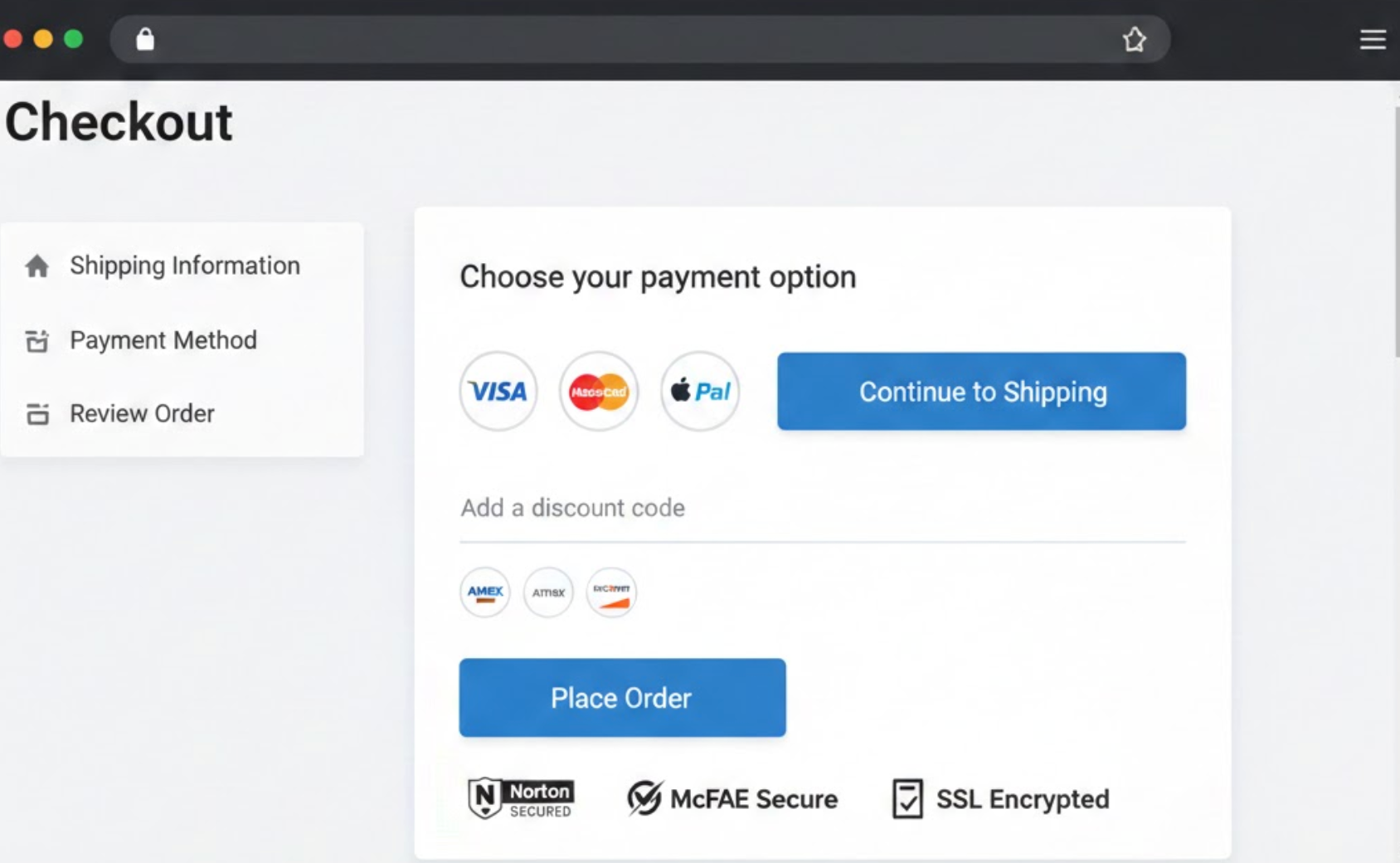
Payment icons are most effective when they are used intentionally rather than added as an afterthought. Simply displaying logos is not enough; placement, accuracy, and presentation all influence how customers interpret these trust signals. When aligned with the checkout experience, payment icons can reinforce security without disrupting the buying flow.
To maximize their impact, payment icons should support the customer’s decision-making process and appear exactly where reassurance is needed most.
Payment icons may seem like minor design details, but their influence on checkout behavior is significant. They work silently to reduce fear, reinforce credibility, and support confident purchasing decisions. In an environment where trust determines conversion, these visual cues can make a meaningful difference.
By implementing payment icons thoughtfully and strategically, eCommerce stores can create a checkout experience that feels secure, familiar, and dependable, helping customers complete their purchases with confidence rather than hesitation.