New to Shopify? Free trial, then $1/month for your first 3 months. Start free trial →
 Where is your store?
Ryviu works with both – pick yours to continue.








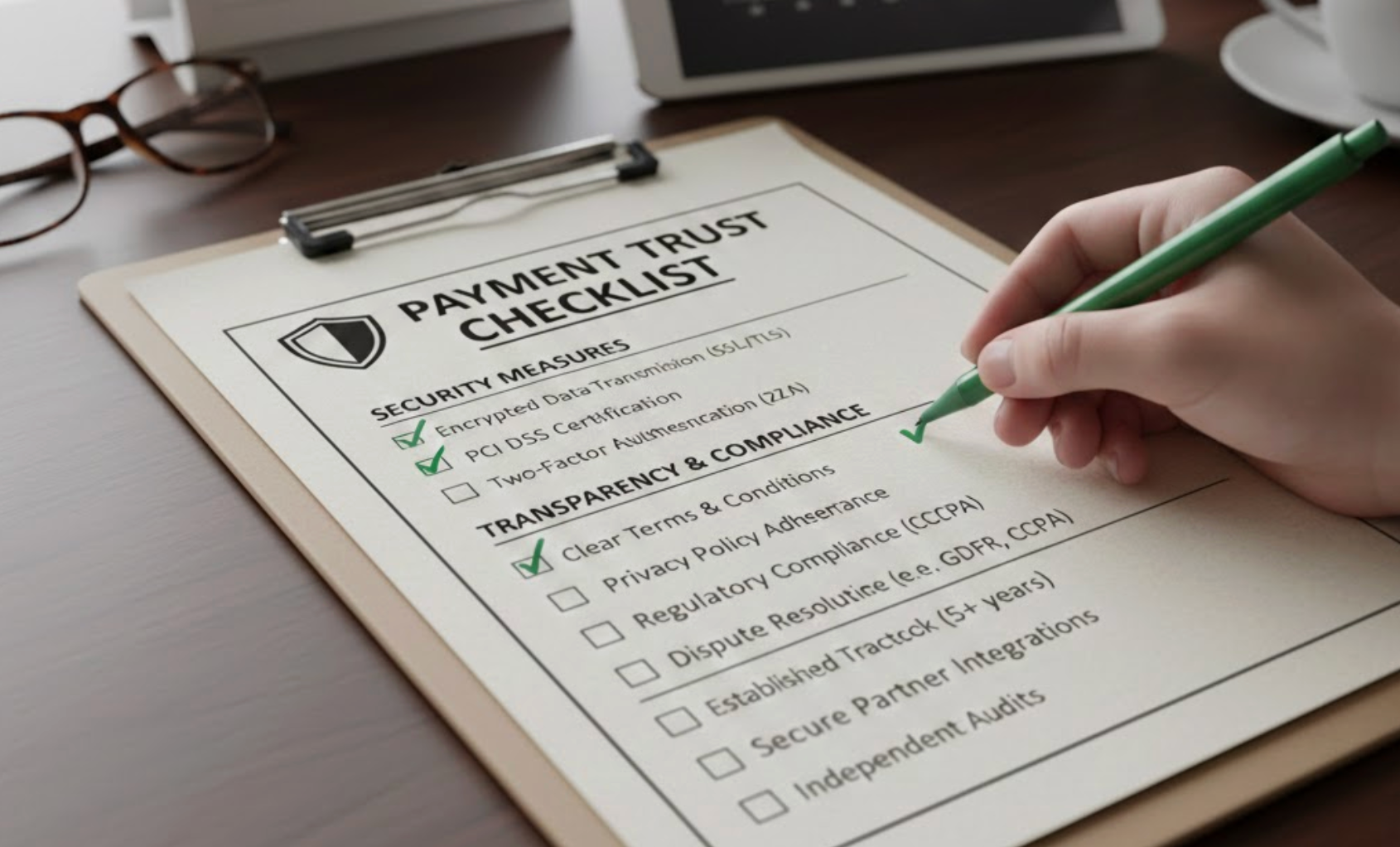
Trust at the payment stage is one of the most decisive factors in whether an ecommerce store converts visitors into customers. Even highly interested shoppers may abandon their purchase if they feel unsure about payment security, transparency, or reliability. A strong payment trust setup reassures customers that their personal and financial information is protected and that the business is legitimate. This checklist breaks down the essential elements every ecommerce store should implement to create a trustworthy payment experience.
Before diving into advanced optimizations, it’s important to start with the foundational trust signals that customers subconsciously look for during checkout.
Security is the baseline expectation for any online transaction. Customers may not fully understand technical details, but they instinctively recognize whether a checkout environment feels safe. A secure checkout protects sensitive data such as card numbers, addresses, and login credentials from interception. Without proper security measures, even a well-designed store can quickly lose credibility.
Once the technical foundation is solid, visible security cues help reinforce this protection to shoppers.
Payment method icons serve as instant visual reassurance for customers. When shoppers recognize logos they already trust, they feel more comfortable proceeding with payment. These icons also signal that your store works with established financial providers rather than unknown or risky systems. Proper placement and design of these icons can subtly guide customers toward checkout completion.
After securing the checkout itself, reinforcing trust through familiar payment branding becomes the next step.
Different customers trust different ways of paying. Some prefer credit cards, others rely on digital wallets, and many shoppers now expect flexible installment or buy now, pay later options. Offering multiple payment methods shows that your store is accommodating and customer-focused rather than restrictive. This flexibility can significantly increase conversion rates, especially for international audiences.
With recognizable payment brands in place, expanding choice further strengthens customer confidence.
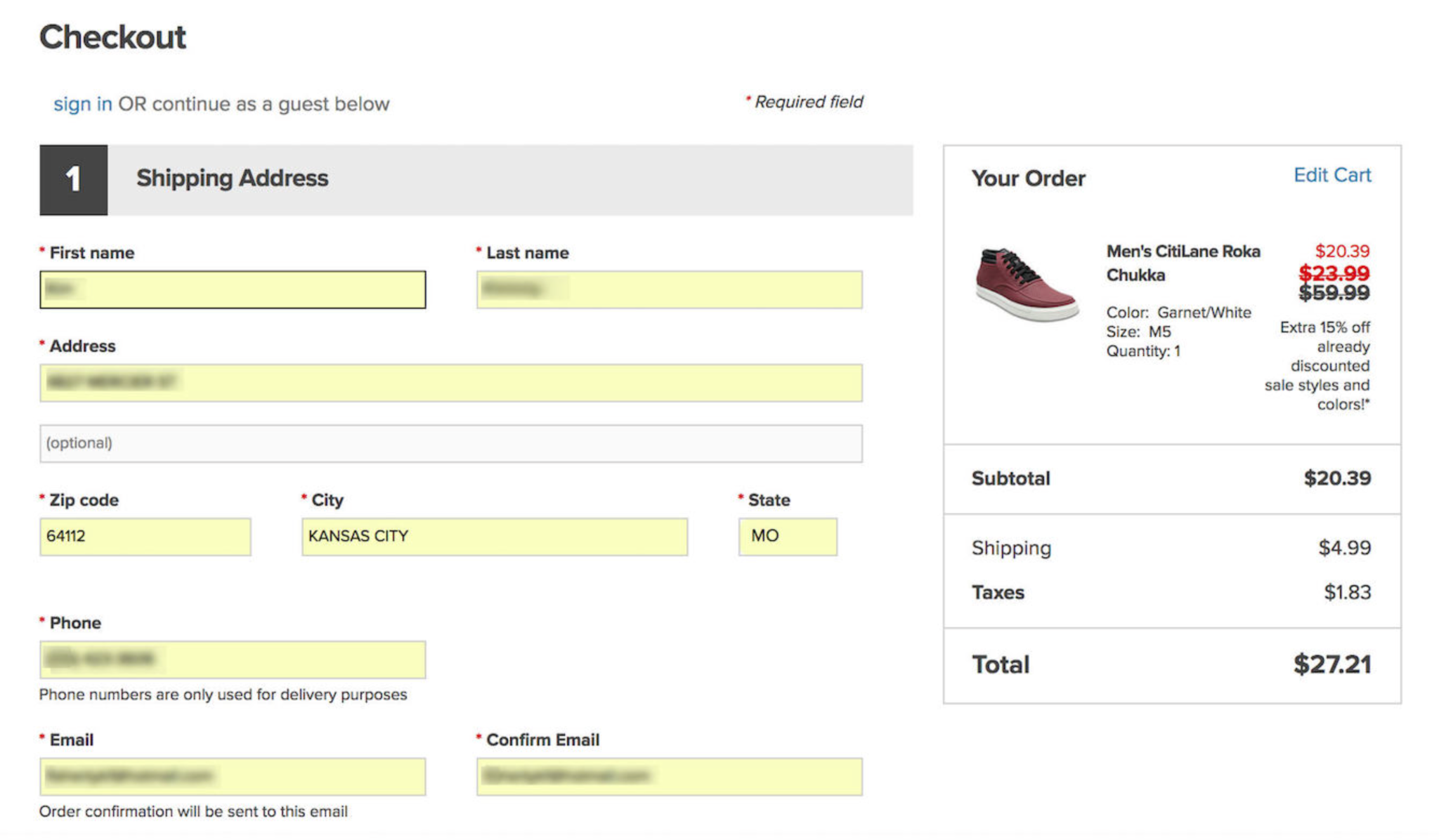
Hidden costs are one of the fastest ways to destroy trust at checkout. When customers see unexpected fees at the final step, they often feel misled and abandon their purchase. Transparency around pricing reassures shoppers that your store is honest and customer-friendly. Clear cost breakdowns also reduce frustration and post-purchase dissatisfaction.
Once customers trust your payment methods, they also need to trust your pricing structure.
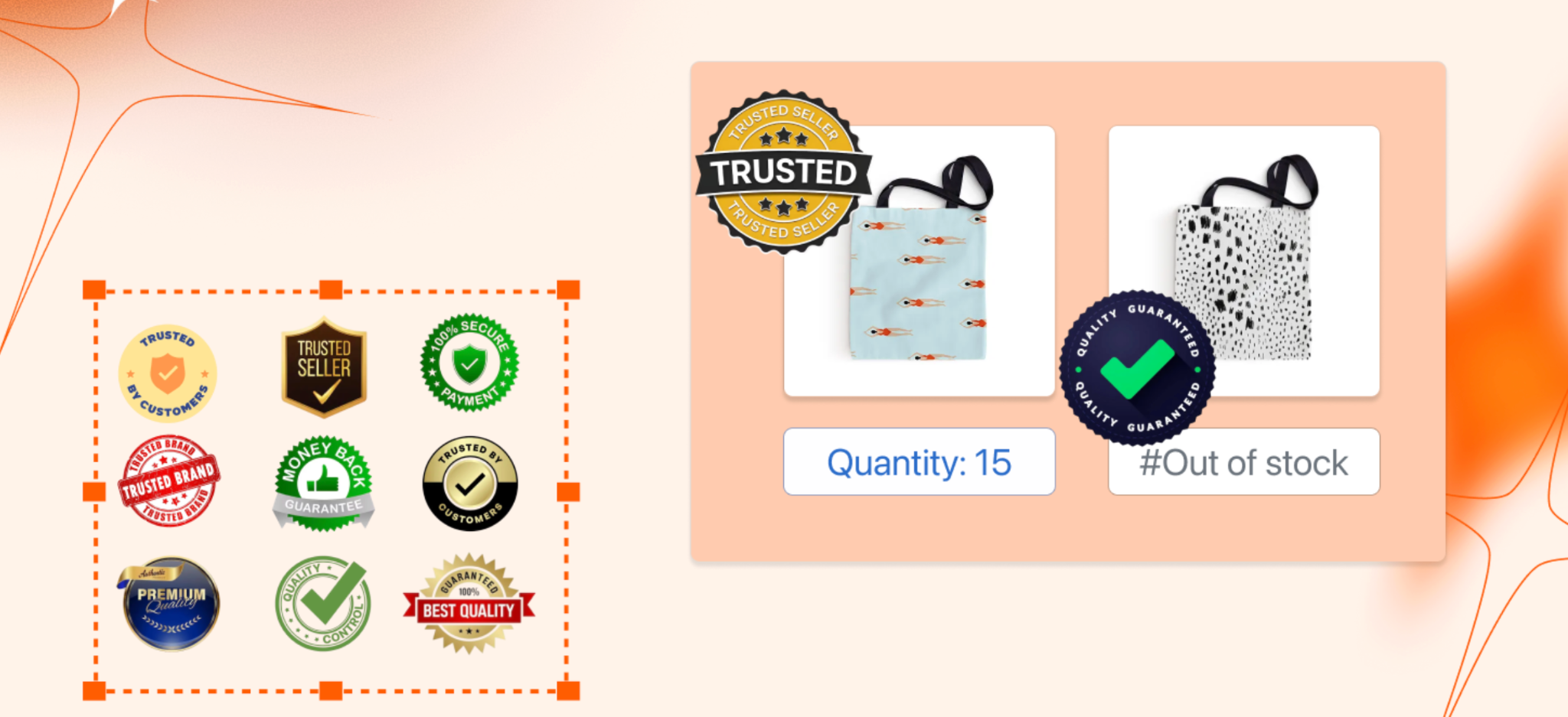
Trust badges provide visual confirmation that your store follows recognized security and compliance standards. When used correctly, they can significantly boost confidence during payment. However, overcrowding the checkout with too many badges can feel overwhelming or even suspicious. The key is relevance and moderation.
After pricing transparency, subtle third-party validation further reassures customers.
Payment trust extends beyond the moment money is transferred. Customers also want reassurance that they won’t be stuck if something goes wrong. Clear refund and return policies show that your store stands behind its products and values customer satisfaction. This reduces perceived risk and makes customers more willing to complete a purchase.
Once security is established, post-payment protection becomes equally important.
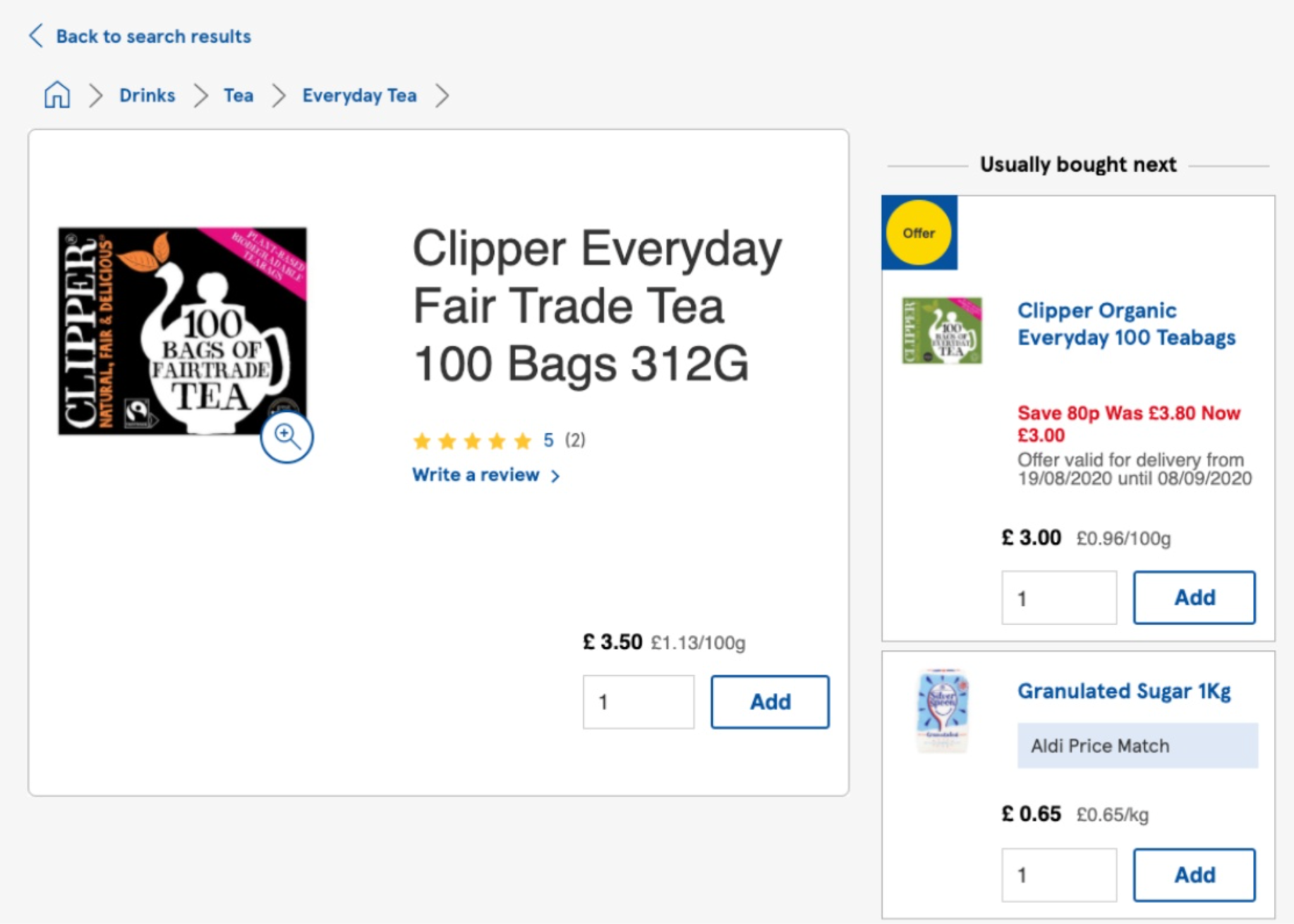
Social proof reassures customers that others have successfully completed purchases before them. Seeing real feedback or activity reduces the fear of being the “first” or only buyer. Social validation is especially powerful during checkout, when customers are deciding whether to trust your store with their money.
After building structural trust, emotional reassurance through other customers becomes highly effective.
A complicated checkout process can feel risky, even if it is technically secure. Long forms, unnecessary steps, or confusing layouts increase cognitive load and raise doubts. A smooth, simple checkout experience feels safer and more trustworthy to users. Reducing friction also directly improves conversion rates.
With trust signals in place, usability becomes the next critical layer.
Customers are more comfortable paying when they know help is available if something goes wrong. Visible contact information signals that your business is real, accessible, and accountable. A store that hides its identity or support channels often feels risky, regardless of how secure the checkout appears.
After optimizing the checkout flow, human accessibility strengthens trust even further.
Mobile shoppers are often more cautious because of smaller screens and limited visibility. Trust signals that work on desktop may be overlooked or hidden on mobile if not optimized properly. A mobile-friendly payment experience ensures that security, clarity, and reassurance remain consistent across devices. This is especially important as mobile commerce continues to grow.
Once desktop trust is established, mobile trust must be treated as equally important.
Trust does not end when the payment button is clicked. Customers want immediate confirmation that their transaction was successful and properly recorded. A clear post-payment experience reassures them that their money is safe and the order is being processed. This final step also sets the tone for future purchases.
After payment completion, confirmation becomes the final trust signal.
Payment trust is built through a combination of security, transparency, usability, and reassurance. Each element in this checklist works together to reduce anxiety and guide customers toward confident purchase decisions. By carefully optimizing every stage of the payment experience, ecommerce stores can lower abandonment rates and improve long-term customer loyalty.
If you want, I can also adapt this version specifically for Shopify, rewrite it in a more casual tone, or align it with a specific payment or trust app.