New to Shopify? Free trial, then $1/month for your first 3 months. Start free trial →
 Where is your store?
Ryviu works with both – pick yours to continue.









In today’s content-saturated digital landscape, brands must go beyond static visuals or standalone articles to truly capture audience attention. Combining editorial content with lookbooks creates a richer, more immersive storytelling experience that both informs and inspires. This hybrid approach not only elevates brand perception but also drives deeper engagement and higher conversion rates. By blending narrative depth with visual appeal, businesses can guide audiences through a journey rather than just presenting products. Editorial content provides context, emotion, and meaning, while lookbooks bring those ideas to life visually. When used together effectively, they form a powerful content ecosystem that resonates across multiple channels.
Editorial content and lookbooks serve distinct yet complementary purposes in digital marketing strategies. Editorial pieces focus on storytelling, education, and brand voice, helping audiences connect on a deeper level. Lookbooks, on the other hand, emphasize visual inspiration and product presentation, making them ideal for showcasing collections or styles. Together, they bridge the gap between inspiration and action. Editorial content answers the “why,” while lookbooks demonstrate the “how.” This combination creates a seamless path from discovery to decision-making.
To better understand their individual strengths and how they complement each other, consider the following:
Audiences today expect more than just product listings or isolated blog posts. They want experiences that are both informative and visually compelling. By merging editorial storytelling with curated lookbooks, brands can meet these expectations and stand out in crowded markets. This approach increases time-on-page, encourages scrolling, and improves content retention. Users are more likely to engage with content that feels cohesive and purposeful rather than fragmented.
To see why this strategy works so effectively, consider these engagement benefits:
Creating a seamless blend of editorial and lookbook content requires thoughtful structure. The goal is to ensure that neither element feels forced or disconnected. Instead, they should enhance each other naturally throughout the user journey. A well-structured hybrid piece flows like a story, with visuals reinforcing key messages at the right moments. This keeps the reader engaged while subtly guiding them toward action.
To build an effective structure, follow these key principles:
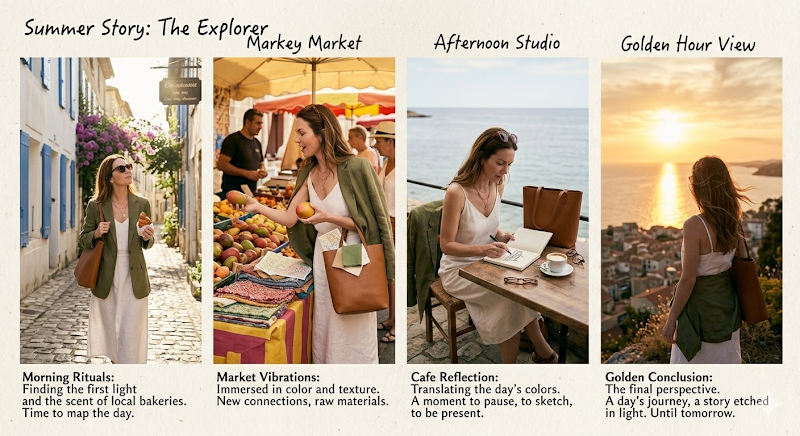
Traditional lookbooks often focus solely on showcasing products, but story-driven lookbooks go a step further. They embed products within a narrative, making them more relatable and desirable. This approach transforms passive browsing into an engaging storytelling experience. By aligning visuals with a central theme or storyline, brands can create emotional resonance. Whether it’s a seasonal theme, a lifestyle concept, or a cultural narrative, the story gives meaning to the visuals.
To craft story-driven lookbooks effectively, consider the following:
Editorial insights can elevate lookbooks from simple visual catalogs to informative and persuasive tools. By embedding expert tips, styling advice, or contextual information, brands can add value to the browsing experience. This not only educates users but also builds trust. When users feel informed, they are more confident in their decisions. Editorial elements provide clarity, helping audiences understand how to use or style products effectively.
To integrate editorial insights into lookbooks, consider these strategies:
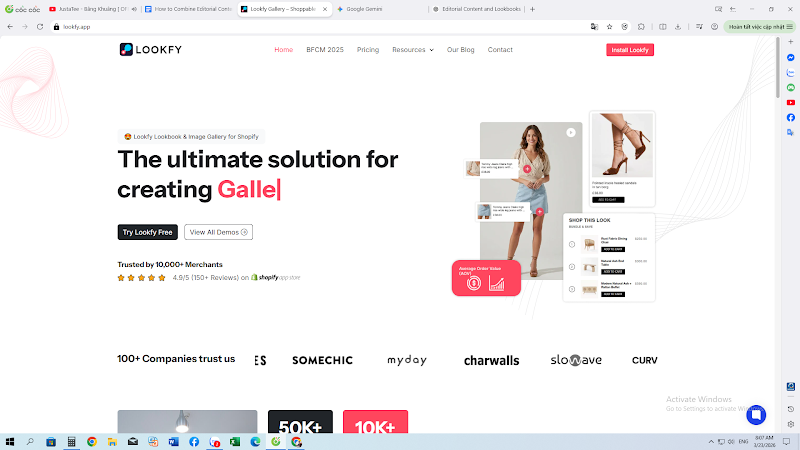
User reviews play a crucial role in influencing purchasing decisions. When combined with editorial and lookbook content, they add a layer of authenticity that enhances credibility. Real customer experiences validate the brand’s narrative and visuals. Integrating reviews seamlessly into this hybrid content ensures they feel like part of the story rather than an afterthought. This creates a more holistic and trustworthy experience for users.
To effectively leverage reviews in your content, consider the following:
A tool like Lookfy can make this integration much easier by helping you collect, organize, and display customer feedback in visually appealing formats. Instead of manually curating reviews, you can seamlessly embed them into your editorial-lookbook experience, maintaining both consistency and authenticity.
Combining editorial content and lookbooks is only effective if it reaches the right audience. To maximize impact, this hybrid content should be adapted for multiple channels. Each platform has its own format and user behavior, requiring tailored approaches. Brands can further maximize impact by repurposing lookbook content across multiple channels, ensuring consistent storytelling while reaching audiences in different touchpoints. Repurposing content ensures consistency while expanding reach. A single editorial-lookbook piece can be transformed into various formats for different platforms.
To optimize for multi-channel distribution, consider these approaches:
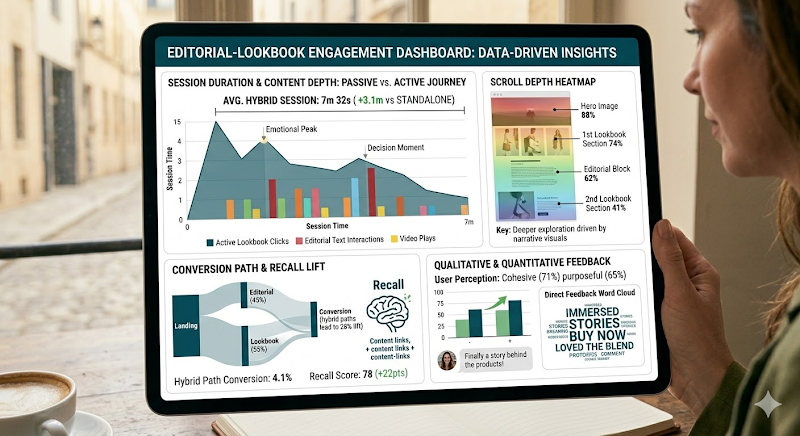
To understand the effectiveness of your editorial-lookbook strategy, it’s essential to track key performance metrics. Data-driven insights help refine your approach and improve future content. Without measurement, it’s difficult to know what resonates with your audience. By analyzing user behavior, you can identify strengths and areas for improvement. This ensures continuous optimization and better results over time.
To measure engagement effectively, focus on these metrics:
Successfully combining editorial content and lookbooks requires attention to detail and consistency. Small design and content choices can significantly impact the overall experience. The goal is to create a seamless, intuitive journey for the user. By following best practices, brands can ensure their content feels cohesive and professional. This enhances both user experience and brand perception.
To achieve seamless integration, consider these best practices:
As digital experiences continue to evolve, the integration of editorial content and lookbooks will become even more sophisticated. Advances in technology, such as AI and interactive design, will enable more personalized and immersive experiences. Brands that adopt these innovations early will gain a competitive edge. The future lies in creating dynamic, user-centric content that adapts to individual preferences. This means moving beyond static pages to interactive storytelling experiences.
Looking ahead, key trends to watch include the following:
Combining editorial content and lookbooks is more than just a creative approach; it’s a strategic advantage. By merging storytelling with visual inspiration, brands can create engaging, memorable experiences that resonate with modern audiences. This approach not only enhances engagement but also drives meaningful results.
When executed thoughtfully, this hybrid strategy transforms content into a journey rather than a destination. It guides users from inspiration to action, making the entire experience more intuitive and enjoyable. With the right tools and strategies in place, businesses can unlock the full potential of this powerful combination.