New to Shopify? Free trial, then $1/month for your first 3 months. Start free trial →
 Where is your store?
Ryviu works with both – pick yours to continue.









In an increasingly competitive eCommerce landscape, customers crave more than polished product pages and sleek branding. They want to feel connected — not only to what you sell but also to the people, values, and purpose behind your business. A well-crafted Backstory Page fulfills that need by giving customers a window into your world, helping them understand the journey that shaped your brand and the mission that motivates every decision you make. When executed thoughtfully, it becomes a powerful trust-building tool that fosters emotional resonance and strengthens loyalty.
To help you unlock this potential, here’s a detailed guide on what a backstory page is, why it matters, and how to create one that genuinely humanizes your brand.
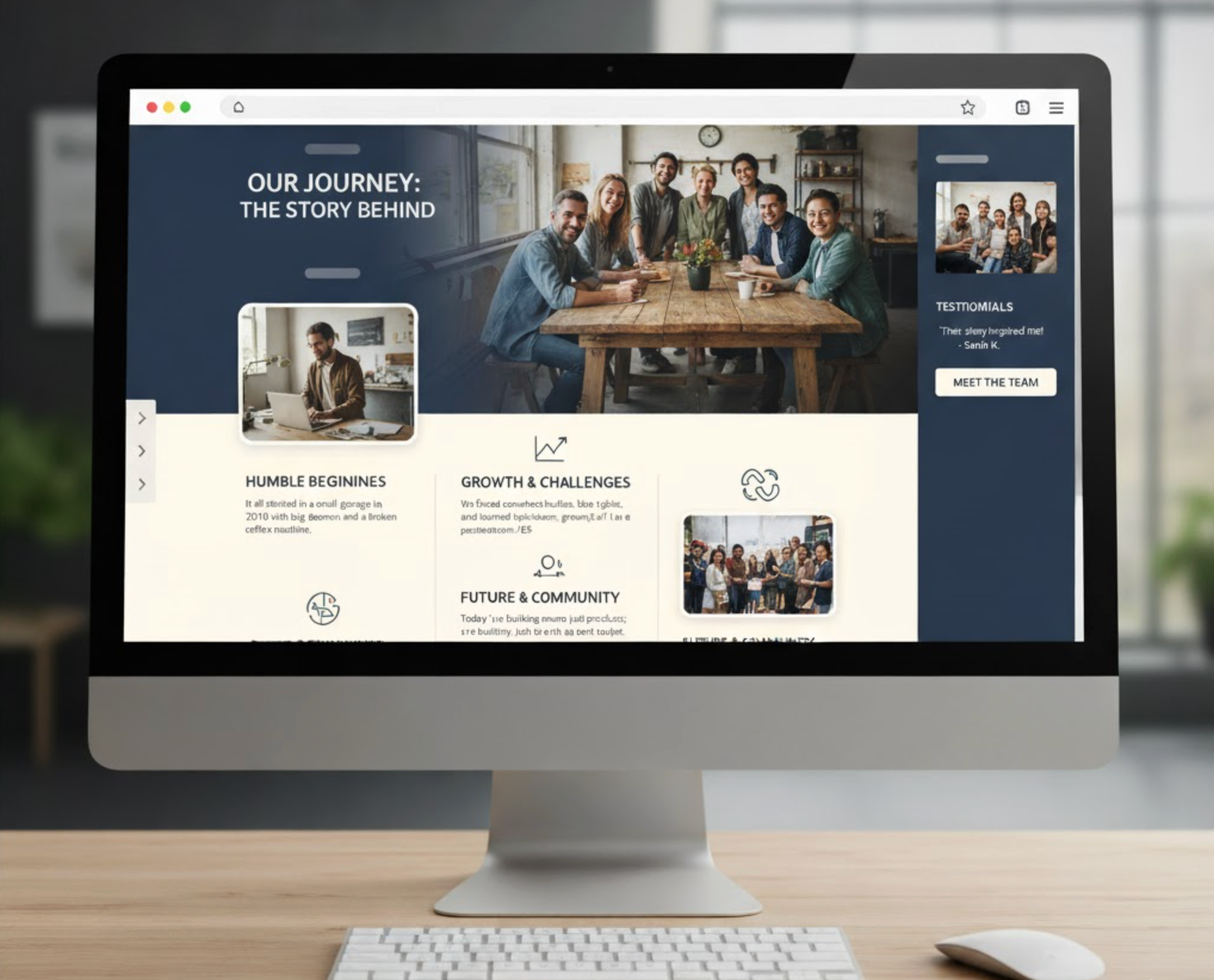
A Backstory Page is a dedicated section on your website that shares the origin, mission, and evolution of your brand. Instead of presenting corporate information, this page focuses on storytelling — allowing customers to see the human experiences, challenges, and inspirations that led to the creation of your business. By leaning into authenticity and narrative, it transforms brand information into a relatable and memorable piece of content that customers emotionally connect with.
This page usually includes elements like your origin story, personal motivations, team introductions, and defining moments in your journey. Through these elements, it helps shape customer perceptions, builds trust, and encourages shoppers to support your brand not just for its products, but for its purpose.
Customers today are selective and value-driven. They want to know the people they’re supporting and the motivations behind the products they buy. Sharing your story helps break down the barrier between business and customer, making your brand feel approachable, genuine, and trustworthy.
A backstory page also becomes a strategic asset for positioning. When customers emotionally connect with your narrative, they’re more likely to choose your brand over competitors, revisit your store, and become vocal advocates.
Tell the story of where everything began. Customers connect deeply with stories rooted in personal motivations, early challenges, and meaningful turning points. The more honest and detailed you are, the more relatable your brand becomes.
After establishing your beginnings, share the principles that guide your decisions. Showing what you stand for helps customers understand what they can expect from your brand long-term. It also gives them a reason to align with your purpose.
Introduce the people who make your brand possible. This may include founders, team members, or artisans. Personal touches, like photos and short bios, make your brand feel warm and human.
Highlight memorable breakthroughs or challenges. These moments show growth, resilience, and evolution, reinforcing that your brand is built on dedication rather than perfection.
Your story should reflect your tone, whether playful, sophisticated, warm, or bold. When personality shines through consistently, it helps customers form emotional associations with your brand.
Below is the rewritten section with your requested structure.
Using a conversational tone helps readers feel like you are personally sharing your journey with them. This makes your story approachable and easier to relate to. It sets the foundation for an emotional connection.
To support this approach, keep the following points in mind:
• Avoid corporate jargon or overly formal wording
• Write in first-person ("I" or "we") to create intimacy
• Speak as though you’re talking to a real customer
Sharing honest challenges or imperfect beginnings makes your story feel real. Customers appreciate brands that open up about their journey because vulnerability builds trust. The key is to highlight difficulties in a way that shows growth, not weakness.
You can express vulnerability through simple techniques:
• Mention obstacles you overcame in your early days
• Share small behind-the-scenes struggles
• Highlight mistakes that helped you grow
Photos and videos add emotional depth and make your narrative more engaging. Visuals help readers imagine your process, people, and environment, turning your story into something they can experience. This creates a sense of closeness.
Consider including visuals such as:
• Early product prototypes or sketches
• Founder or team portraits
• Behind-the-scenes work moments
Customers feel valued when they see how their support impacts your business. Connecting your story to their contributions builds loyalty and frames your brand as a shared experience. This reinforces a community-centered identity.
Ways to highlight customer impact include:
• Sharing customer success stories or testimonials
• Mentioning how customer feedback shaped your product
• Showing milestones made possible by customer support
A clear layout helps readers follow your journey without feeling overwhelmed. Good structure also enhances readability, making your story feel polished and intentional. This improves engagement and ensures users stay on your page longer.
To improve structure, you can try:
• Breaking your story into short sections with headings
• Using clear paragraphs and scannable formatting
• Adding timeline-style or milestone sections
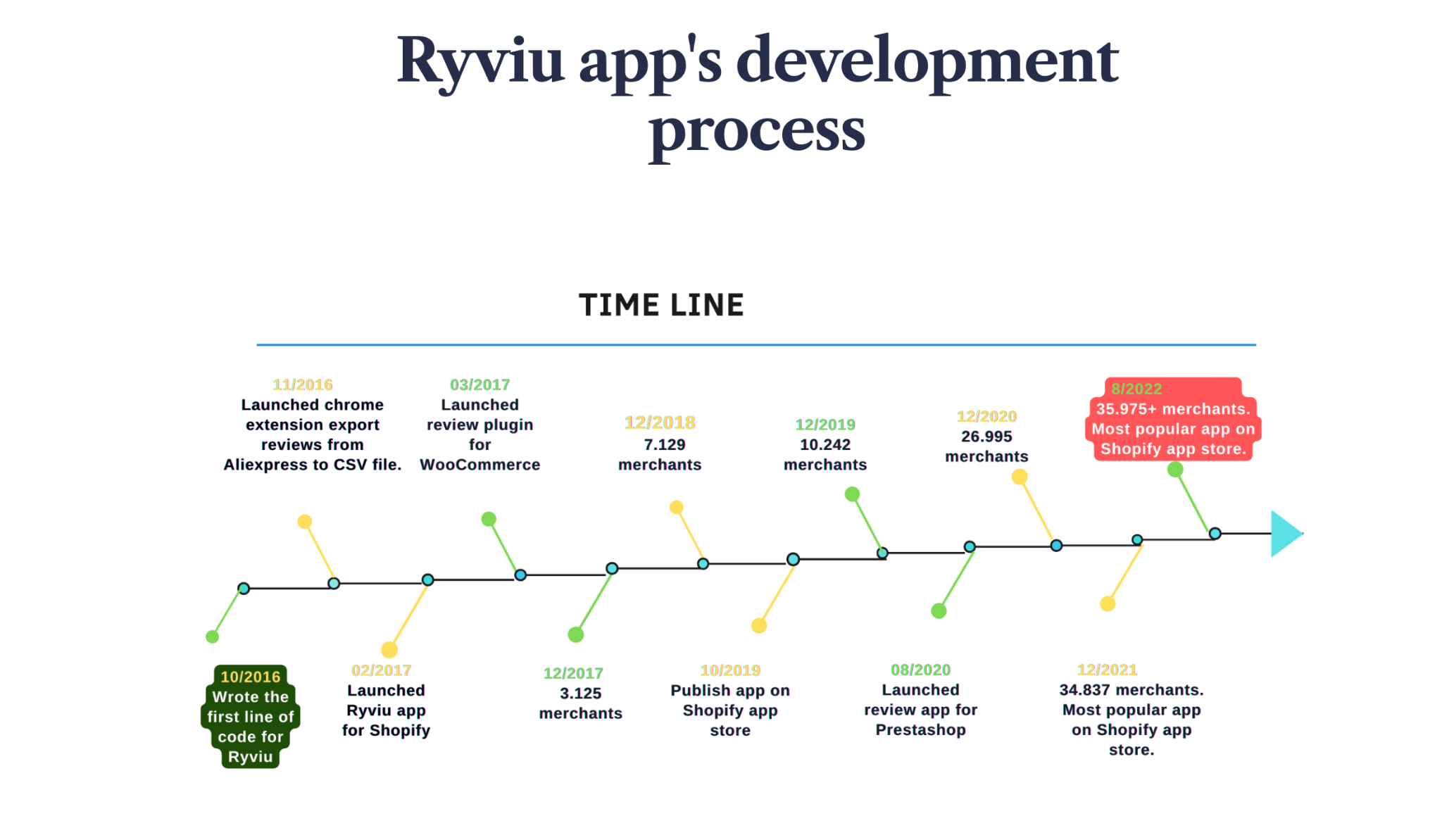
Below is the rewritten steps section following your structure.
A compelling opening grabs attention and immediately sets an emotional tone. This could be a specific moment, realization, or personal challenge that sparked your business idea. A focused beginning helps readers feel like they’re stepping into your world.
To create an engaging hook:
• Start with a vivid memory
• Share a moment that changed your perspective
• Introduce the core problem you wanted to solve
Readers stay engaged when your story flows through real experiences. Highlight key turning points that shaped your brand, from early struggles to breakthroughs. These details make your narrative feel alive and inspiring.
You can develop your story by including:
• Pivotal decisions you made early on
• Personal experiences that influenced your direction
• Challenges that pushed you to grow or innovate
Once your story is established, transition into how it relates to what you sell today. Customers want to see how your motivations influence your offerings, values, and everyday operations. This connection adds depth to your products.
To strengthen this connection:
• Explain how your values impact product design
• Share stories behind specific products
• Mention improvements inspired by your journey
Customers trust brands that show real faces and personalities. Introducing your team gives your company warmth and visibility, helping shoppers see the humans behind the work. This section reinforces authenticity.
You can introduce your team through:
• Founder bios with personal details
• Team photos or fun facts
• Stories about collaboration or culture
After sharing your journey, reinforcing it with proof helps balance emotion with professionalism. Credibility markers make your story more convincing and increase trust. This is especially important for new or growing brands.
You can build credibility by including:
• Awards or recognitions
• Customer testimonials
• Press mentions or milestones
End your backstory by inviting customers to join your mission. A heartfelt close encourages readers to stay connected, explore your store, or engage with your community. This turns storytelling into conversion.
Effective closing techniques include:
• A welcoming message to your community
• A CTA inviting them to explore your products
• A promise of what they can expect moving forward
A Backstory Page is not only a brand introduction, but it’s also an emotional bridge between you and your customers. By sharing your origins, values, challenges, and team, you show your audience that your brand is built by real people with genuine purpose. In an online world where many stores feel interchangeable, your story becomes the one thing no competitor can replicate. When crafted with authenticity and intention, it strengthens trust, deepens loyalty, and elevates your entire customer experience.