New to Shopify? Free trial, then $1/month for your first 3 months. Start free trial →
 Where is your store?
Ryviu works with both – pick yours to continue.








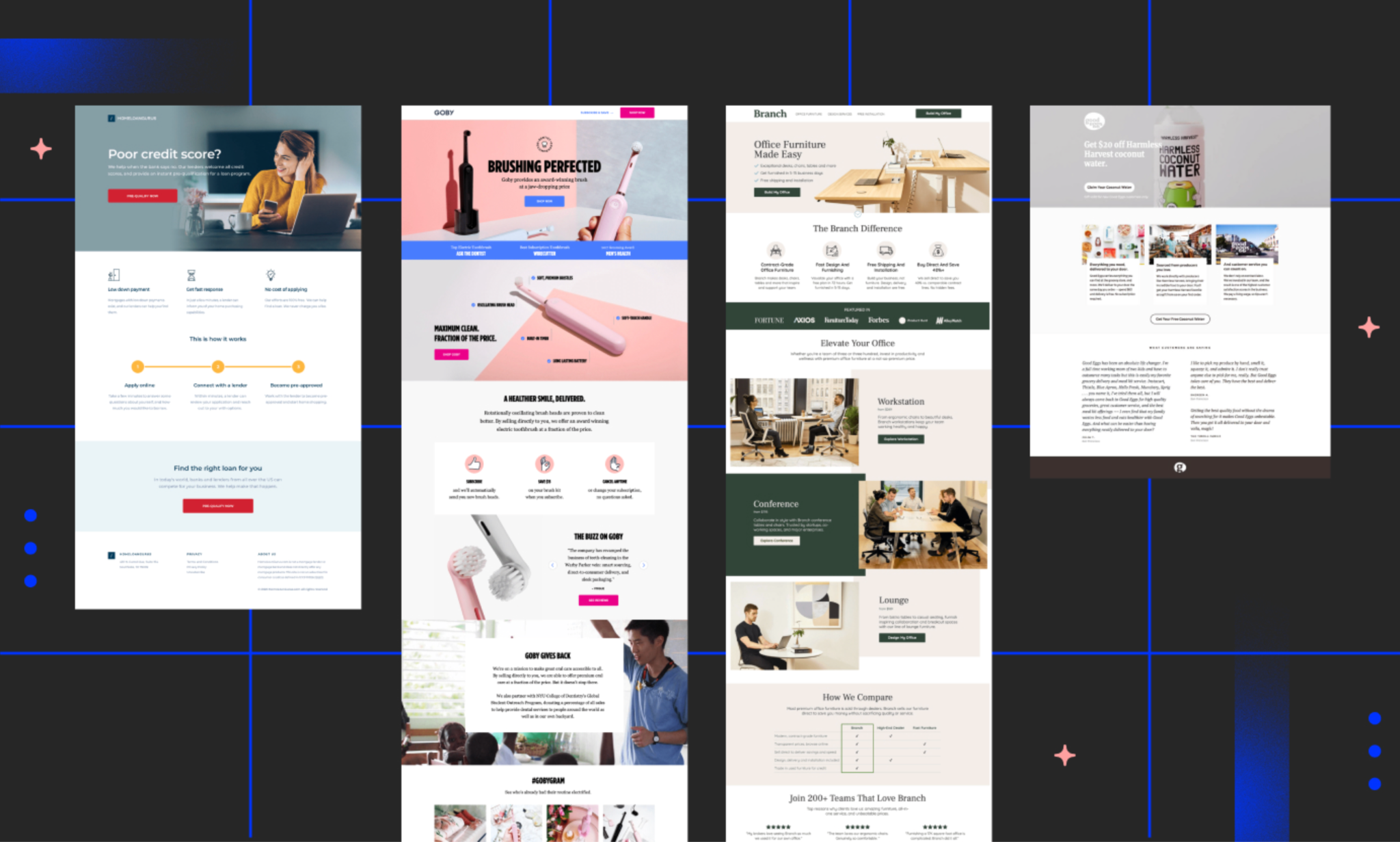
Launching a new product is an exciting milestone for any brand, but success depends heavily on how well you present it to your audience. A landing page serves as the central hub for your product launch, helping you capture attention, build trust, and convert visitors into customers. To maximize conversions, you need more than just attractive visuals, but you need a strategy that combines storytelling, design, and psychology.
In this guide, we’ll explore step-by-step strategies to create a high-converting landing page for your next product launch.
Before you dive into design and copywriting, you need to establish a clear purpose for your landing page. This goal should align with your product launch strategy, whether it’s driving pre-orders, collecting sign-ups, or generating buzz. A well-defined objective ensures your messaging stays focused and avoids confusing visitors.
The headline is the first impression your landing page makes. It should instantly communicate what your product is and why it’s worth attention. A strong headline sets the tone and motivates visitors to explore further.
Product launches are not just about features—they’re about stories. A compelling narrative helps your audience understand the problem, imagine the solution, and see themselves benefiting from your product. Storytelling adds emotional depth to your landing page.
Visuals are a powerful tool for capturing attention and communicating value. Since many visitors skim text, images and videos provide a faster way to understand what your product does. The right visuals can dramatically boost conversions.
Visitors are often hesitant to try a new product. Social proof reassures them by showing that others trust and value what you’re offering. Incorporating credibility signals is essential to turning curiosity into confidence.
A clear and persuasive CTA guides visitors toward taking the next step. Without a strong CTA, even the most beautifully designed page won’t convert effectively. Your CTA should be visible, compelling, and action-oriented.
Creating a sense of urgency motivates visitors to act quickly instead of delaying. Scarcity taps into the fear of missing out (FOMO), which can significantly boost conversions during product launches.
Good design should be clear. A clean layout directs attention to your message and makes it easier for visitors to follow your desired path. Overloading your page with too much content can overwhelm and distract.
With the majority of web traffic coming from mobile devices, your landing page must perform flawlessly across screens. A poorly optimized mobile experience can drive away even the most interested visitors.
A landing page is not a one-and-done project. Continuous optimization through testing ensures you keep improving conversion rates over time. The best-performing landing pages evolve based on data and user behavior.
A high-converting landing page is the backbone of a successful product launch. By combining clear goals, strong headlines, persuasive copy, engaging visuals, social proof, and focused design, you can turn visitors into eager customers. Optimizing for mobile, creating urgency, and continuously testing will help you refine performance and boost conversions over time.
When done right, your landing page doesn’t just promote a product, but it creates excitement, builds credibility, and drives measurable results from day one.