New to Shopify? Free trial, then $1/month for your first 3 months. Start free trial →
 Where is your store?
Ryviu works with both – pick yours to continue.








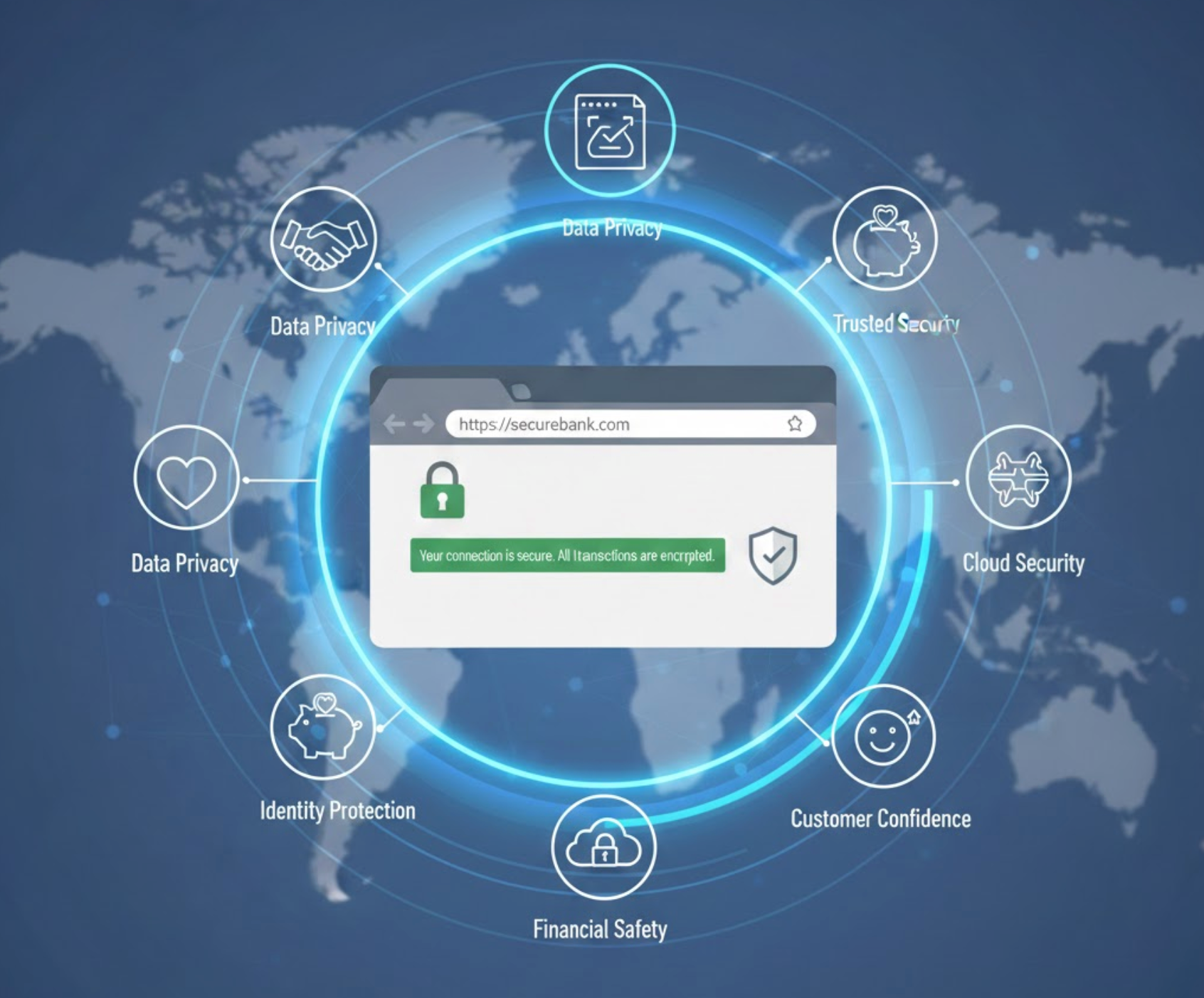
In today’s eCommerce landscape, trust is not a nice-to-have, it’s a conversion requirement. Shoppers are more cautious than ever about where they enter personal and payment information, especially as online fraud continues to rise. Even if your product, pricing, and design are excellent, a lack of visible security signals can quietly kill conversions.
SSL certificates and security messages work behind the scenes and on the surface to reassure users that your store is safe. When used correctly, they reduce anxiety, build credibility, and encourage customers to complete their purchase with confidence.
SSL (Secure Sockets Layer) is a security protocol that encrypts data transferred between a user’s browser and your website. This prevents sensitive information, such as credit card numbers, passwords, and addresses, from being intercepted by third parties.
While many shoppers may not fully understand how SSL works technically, they do recognize its visual signals. The padlock icon in the browser bar and the “https://” prefix have become universal indicators of website safety. When these signals are missing, users often hesitate or leave without consciously knowing why.
In short, SSL doesn’t just protect data, it protects buyer confidence.
Online shoppers make trust decisions in seconds. They scan for reassurance before committing to a purchase, especially on checkout and payment pages.
Security messages reduce fear by answering silent questions in the customer’s mind:
When these concerns are addressed proactively through visible security cues, shoppers feel more comfortable moving forward. This sense of safety lowers cognitive resistance and makes the buying decision feel less risky.
Not all security signals are equally effective. The most impactful ones are clear, familiar, and placed where users need reassurance most.
The browser padlock icon is often the first trust signal users notice. Its presence immediately communicates that the site is encrypted and secure. Without it, many shoppers will abandon the site before even browsing products.
Simple phrases like “Secure Checkout,” “Encrypted Payment,” or “Your information is protected” help reinforce trust at critical moments. These messages work best when placed near payment fields or call-to-action buttons.
Badges such as “SSL Secured,” “Norton Secured,” or “McAfee Secure” provide third-party validation. They reassure shoppers that your site meets recognized security standards, especially for first-time visitors.
Displaying logos from trusted payment providers like Visa, Mastercard, PayPal, or Stripe adds another layer of credibility. Shoppers feel safer when they see brands they already trust handling transactions.
Even strong security signals lose effectiveness if placed poorly. Strategic positioning ensures they support, rather than clutter, the buying journey.
Security messages perform best in high-risk moments, such as:
At these points, reassurance reduces hesitation and keeps users moving toward conversion instead of second-guessing their decision.
SSL does more than protect user data, it strengthens your store’s visibility and credibility over time. Search engines increasingly reward secure websites because they provide safer experiences for users. As a result, SSL becomes a foundational element for both discoverability and long-term brand growth.
Beyond immediate conversion gains, SSL contributes to sustainable traffic and stronger customer relationships.
Security signals are powerful, but their impact depends heavily on how they are implemented. Poor placement or overuse can confuse shoppers instead of reassuring them. Understanding these pitfalls helps ensure your trust messages support conversions rather than harm them.
Avoiding these mistakes ensures your security signals feel natural and confidence-building.
SSL and security messages play a critical role in building trust throughout the eCommerce journey. They protect sensitive data, reduce shopper anxiety, and signal professionalism at the moments that matter most.
When implemented thoughtfully, using familiar symbols, clear language, and strategic placement, security cues quietly remove barriers to purchase. The result is not just safer transactions, but higher confidence, stronger brand credibility, and better conversion rates overall.
In eCommerce, trust converts. SSL helps make that trust visible.