 New to Shopify? Free trial, then $1/month for your first 3 months. Start free trial →
 Where is your store?
Ryviu works with both – pick yours to continue.









As eCommerce stores scale, managing product variants and SKUs becomes increasingly complex. Customers expect choice, but they also expect clarity, speed, and confidence when making purchasing decisions. When variant structures are poorly designed, shoppers may feel overwhelmed, unsure, or frustrated, often leading to abandoned carts or incorrect purchases. A well-planned variant and SKU strategy helps stores grow without sacrificing user experience.
The goal is not to reduce choice, but to organize it in a way that feels intuitive and customer-friendly. Below are proven best practices to help you manage variants and SKUs efficiently while keeping the buying journey smooth and confusion-free.
One of the most common mistakes stores make is exposing too many product differences as variants. While products may differ internally in many ways, customers only care about attributes that affect how the product looks, fits, functions, or is priced. Showing irrelevant options increases cognitive load and makes decision-making harder than it needs to be. A cleaner product page leads to faster, more confident purchases.
To achieve this balance, you must clearly separate customer-facing choices from backend operational details.
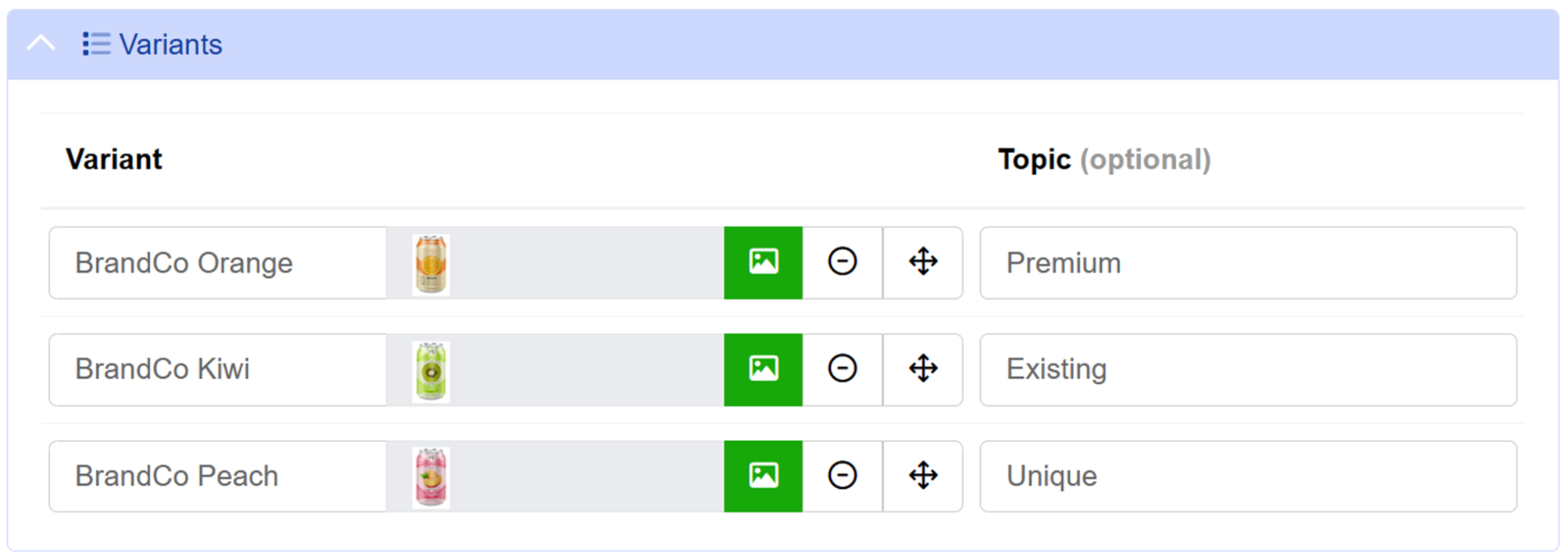
Variant naming plays a critical role in how quickly customers understand product options. Vague labels, abbreviations, or internal codes can confuse shoppers and force them to guess what each option means. Clear and descriptive names remove uncertainty and help customers feel more confident about their selection. Consistency across your entire catalog also reinforces trust and professionalism.
Once naming rules are defined, they should be applied uniformly across all products.
Dropdown menus may save space, but they often hide information and slow down decision-making. Visual variant selectors allow customers to see all available options at once, making comparison faster and more intuitive. This approach is especially important for visually driven products like apparel, accessories, or home goods. When customers can instantly understand their choices, engagement and conversions improve.
The key is matching the presentation style to the type of variant.
Few things frustrate customers more than selecting a variant only to discover it is unavailable. Out-of-stock options or invalid variant combinations can interrupt the buying flow and damage trust. Instead of showing everything, guide customers by displaying only options they can actually purchase. This creates a smoother and more reassuring experience.
Smart variant logic helps customers move forward without confusion.
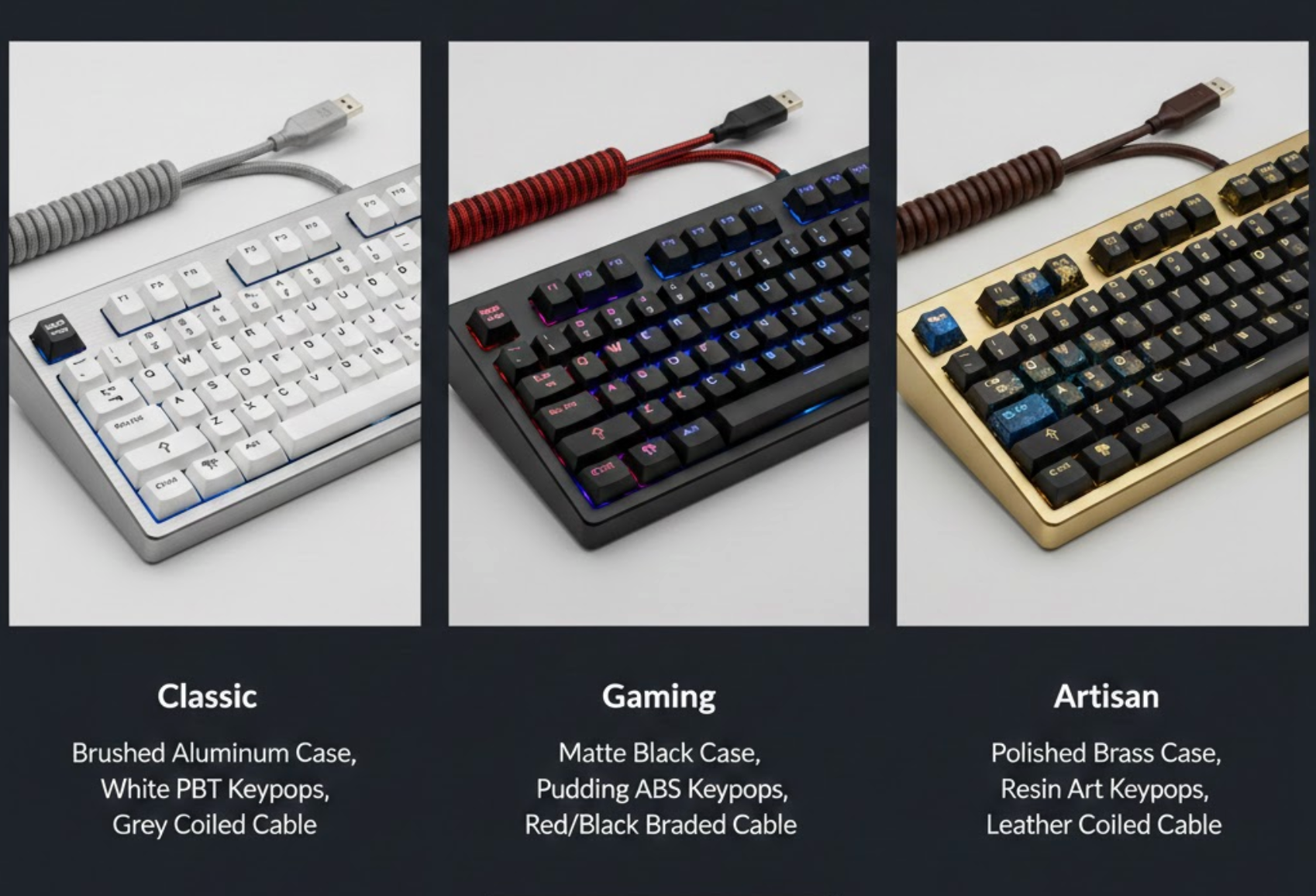
Customers rely heavily on visuals to understand product differences, especially when variants change appearance or materials. Using a single generic image for all variants can create uncertainty and hesitation. Variant-specific images ensure customers know exactly what they will receive. This clarity reduces returns and increases satisfaction.
In addition to images, supporting text can further reinforce understanding.
Price changes across variants are a common source of confusion when not communicated clearly. Customers dislike surprises, especially when the price increases after they make a selection. Transparent pricing builds trust and helps shoppers feel in control of their decision. It also makes premium options easier to justify.
Pricing should always reflect variant selection in real time.
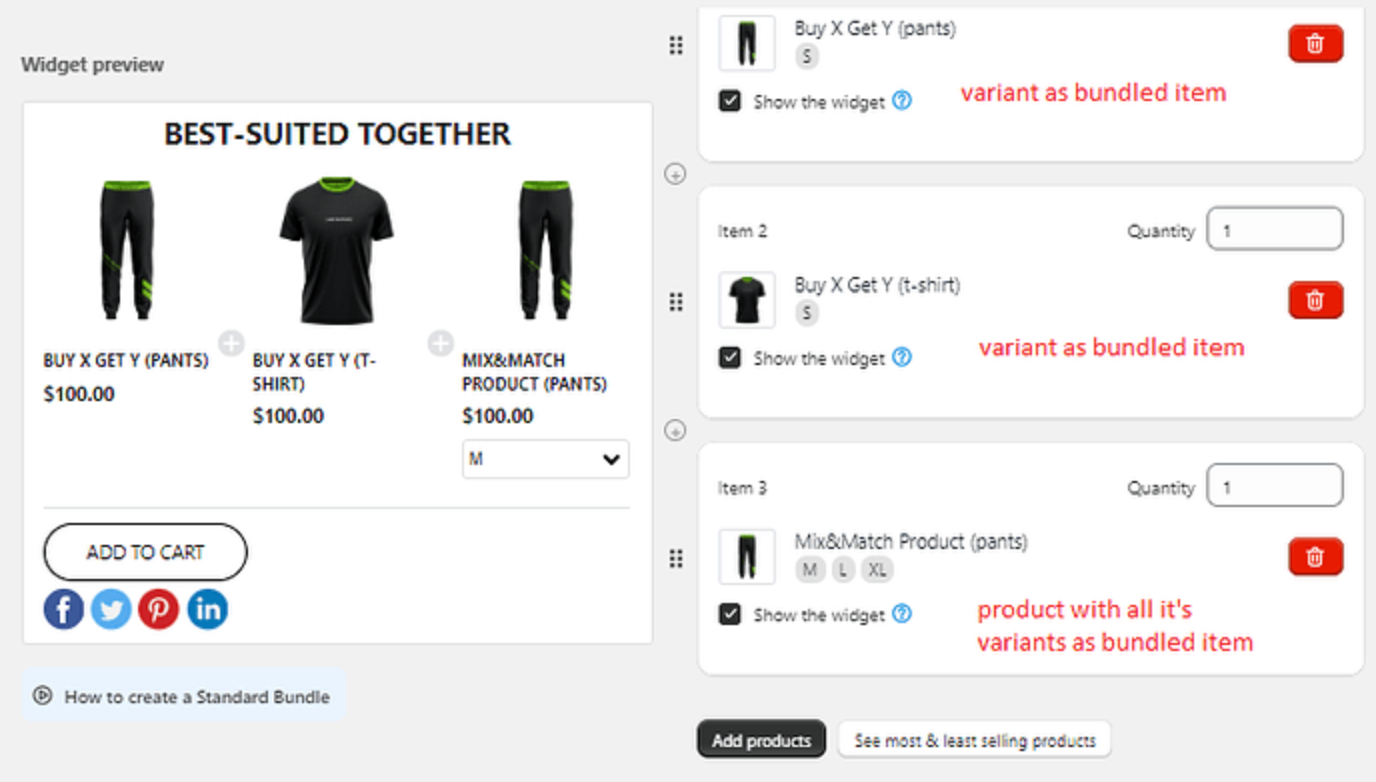
Bundles and multi-item packs often introduce unnecessary complexity when treated as regular variants. Customers may struggle to understand what is included or why the price differs. Separating bundles into dedicated product listings allows you to explain value clearly and avoid cluttering variant selectors. This keeps standard product options simple and focused.
A clean separation improves both user experience and backend management.
While customers should see simplicity, your backend must remain precise. Each sellable variant should correspond to a unique SKU to ensure accurate inventory tracking, fulfillment, and reporting. Poor alignment can lead to stock errors, delayed shipments, or incorrect orders. A strong backend structure supports a seamless frontend experience.
Good SKU discipline enables scalability without chaos.
Variant clarity does not begin or end on the product page. Collection filters and search tools help customers narrow down options before they ever see a specific product. Well-structured variants make filtering more accurate and useful. This reduces friction early in the shopping journey.
Effective filtering complements clean variant design.
Variant management is not a one-time setup. Customer behavior data often reveals hidden friction points, such as frequent variant switching or high exit rates on product pages. These signals indicate where options may be unclear or overwhelming. Regular optimization helps keep the experience aligned with customer expectations.
Small improvements can lead to meaningful conversion gains.
Managing variants and SKUs effectively is about reducing friction while preserving choice. By limiting variants to customer-relevant attributes, using clear naming, visual selectors, transparent pricing, and clean availability rules, you create a smoother and more confident buying experience. At the same time, a well-structured SKU system ensures operational efficiency behind the scenes. When both work together, customers make faster decisions, trust your store more, and convert with confidence.




