 New to Shopify? Free trial, then $1/month for your first 3 months. Start free trial →
 Where is your store?
Ryviu works with both – pick yours to continue.








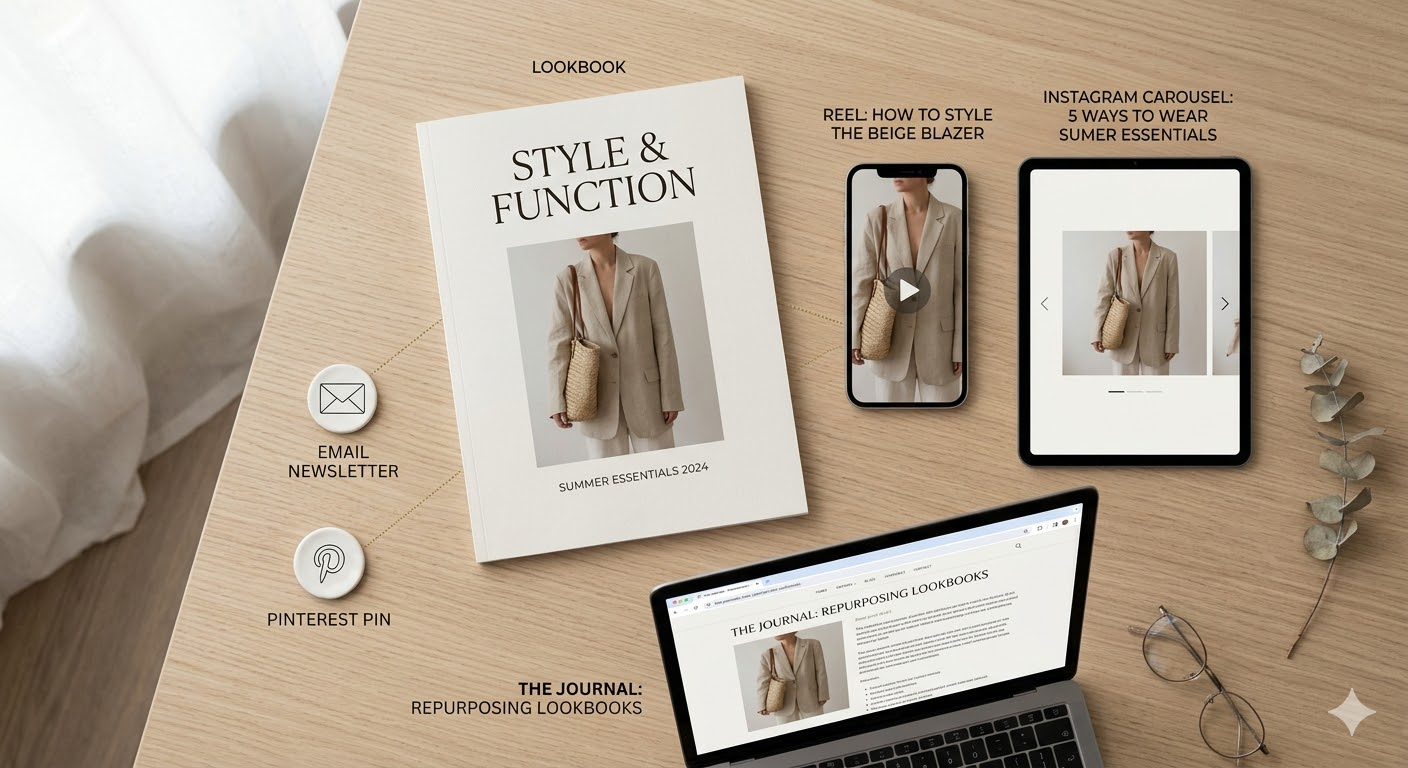
Lookbooks are often created as visually compelling showcases, but their potential extends far beyond a single use. With the right strategy, they can become a core content engine that fuels multiple marketing channels. Repurposing lookbooks allows brands to maximize ROI while maintaining visual consistency across touchpoints. To fully unlock this value, it’s important to break down lookbooks into adaptable content pieces that can serve different platforms and audiences effectively:
Lookbooks are inherently rich in visuals, making them highly adaptable for modern digital platforms. Consumers today respond more strongly to images and short-form content than long text-heavy formats. This makes lookbooks a goldmine for repurposing into engaging marketing materials Especially when transformed into interactive shopping experiences that allow customers to explore and personalize products. When you analyze their structure, lookbooks already contain storytelling elements, product highlights, and curated aesthetics that can be reused strategically:
Every lookbook tells a story, whether it's seasonal, thematic, or lifestyle-driven. These narratives can be extracted and reshaped into multiple content formats. This helps brands stay consistent while diversifying how their message is delivered. To leverage this storytelling aspect effectively, you can break the lookbook into smaller narrative-driven pieces:
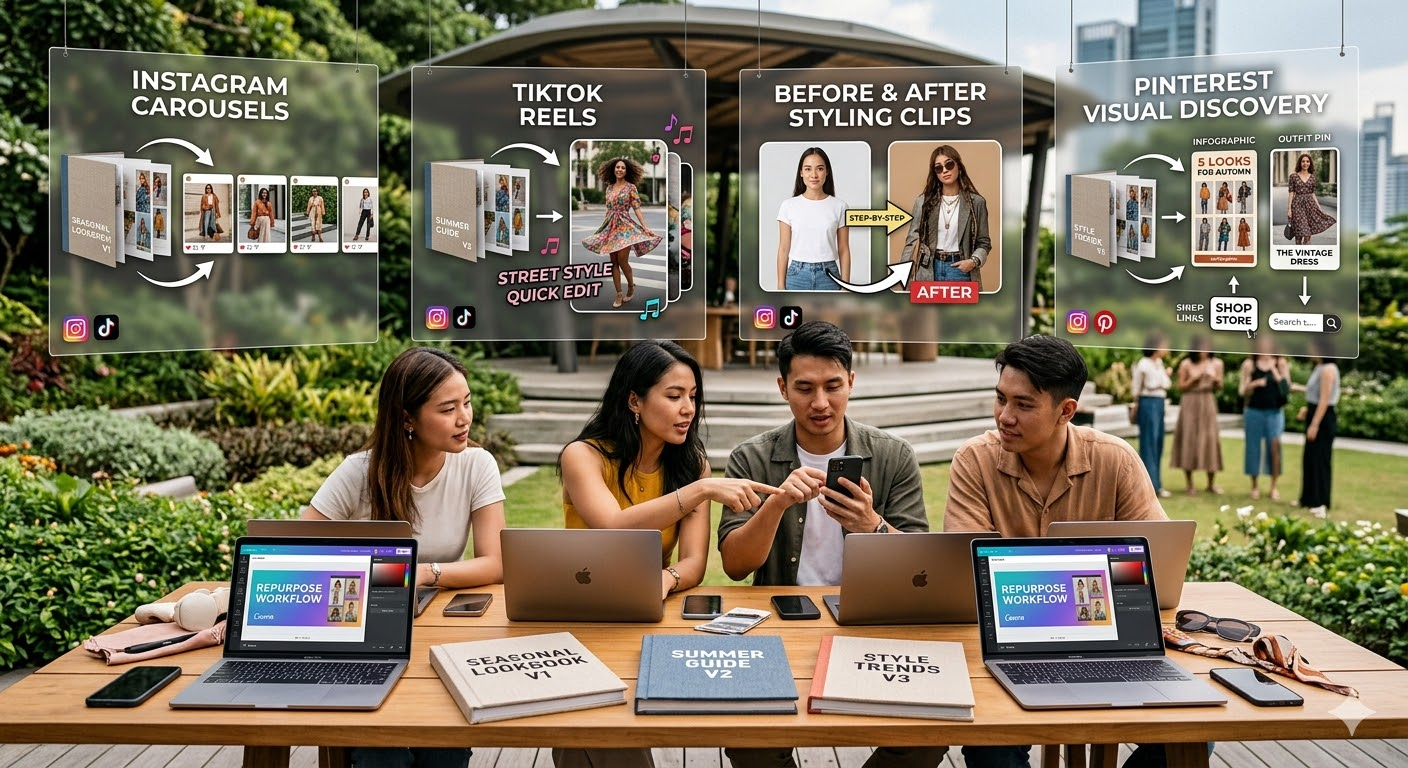
Social platforms thrive on short, visually appealing content, making them ideal for lookbook repurposing. Instead of posting the entire lookbook, brands can divide it into digestible pieces tailored for each platform. This increases engagement and keeps content flowing consistently. To adapt your lookbook for social media, consider breaking it into platform-specific formats:
Pinterest users actively search for inspiration, making it a perfect channel for lookbook content. Repurposing lookbook images into pins can drive long-term traffic and visibility. Unlike other platforms, Pinterest content has a longer lifespan and continuous discovery potential. To optimize lookbooks for Pinterest and similar platforms, you can restructure them into searchable visual assets:
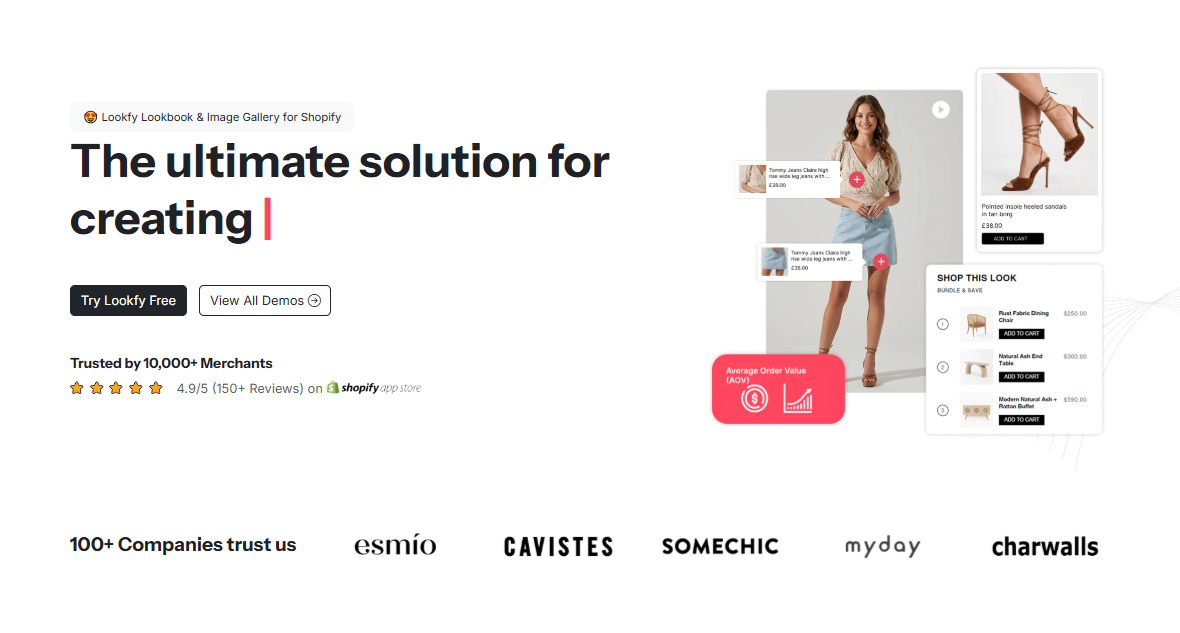
Lookbooks can enhance product pages by providing context and inspiration. Instead of showing isolated products, brands can display how items are styled in real life. This helps customers visualize usage and increases purchase confidence. To integrate lookbook content into your website effectively, consider these enhancements:
Customers often want to see how products look in real-life situations before buying. Integrating user-generated content alongside lookbook visuals creates a more authentic experience. This bridges the gap between curated branding and real customer validation. To elevate this experience, tools like Lookfy can help seamlessly display visual reviews that complement your lookbook content:
Email marketing benefits greatly from visually appealing content. Lookbooks provide ready-made material that can be transformed into eye-catching email campaigns. This helps brands maintain consistency while improving click-through rates. To adapt lookbooks into email content, focus on breaking them into themed campaigns:
Modern email marketing thrives on personalization, and lookbooks offer a flexible base for this. By segmenting your audience, you can tailor different parts of the lookbook to different customer groups. This makes your campaigns more relevant and effective. To implement personalization using lookbook content, consider:
Lookbooks can be transformed into informative blog posts that provide styling advice and inspiration. This not only adds value for readers but also improves SEO performance. By adding context and keywords, brands can attract organic traffic. To convert lookbooks into blog content, expand on their themes and visuals:
Blog content allows for deeper storytelling compared to social media. Lookbooks can be expanded into narratives that connect emotionally with readers. This strengthens brand identity and builds long-term audience loyalty. To maximize storytelling potential, consider developing:

Lookbook visuals are often professionally shot, making them ideal for advertising. Instead of creating new assets, brands can repurpose these images into ad creatives. This saves time and ensures consistency across campaigns. To optimize lookbook content for ads, adapt it into performance-driven formats:
Repurposed lookbook content provides multiple variations for testing. This allows marketers to experiment with different visuals and messaging. Over time, this leads to better-performing campaigns. To take advantage of this, you can test different elements:
Influencers can bring new life to lookbook content by reinterpreting it. This adds authenticity and expands reach to new audiences. It also allows brands to showcase versatility in styling. To integrate lookbooks into influencer campaigns, consider:
User-generated content complements lookbooks by adding authenticity. When customers and influencers share their own versions, it creates a community-driven narrative. This strengthens brand trust and engagement. To encourage UGC from lookbook inspiration, you can:
Repurposing lookbooks is only effective if performance is measured. Each channel has its own metrics that indicate success. Understanding these helps refine your strategy over time. To track performance effectively, focus on key metrics:
Repurposing is not a one-time process but an ongoing strategy. By analyzing performance, brands can identify what works best and refine their approach. This ensures long-term success and efficiency. To continuously improve your strategy, consider:
Lookbooks are far more than just seasonal catalogs—they are versatile content assets that can power an entire marketing ecosystem. By strategically repurposing them, brands can maintain consistency while expanding their reach across multiple channels. This approach not only saves time and resources but also enhances engagement and conversion.
When combined with tools that amplify visual storytelling and authentic customer experiences, such as integrating visual reviews through platforms like Lookfy, lookbooks become even more impactful. Ultimately, the key lies in breaking down your content, adapting it for each channel, and continuously optimizing for better results.




