New to Shopify? Free trial, then $1/month for your first 3 months. Start free trial →
 Where is your store?
Ryviu works with both – pick yours to continue.








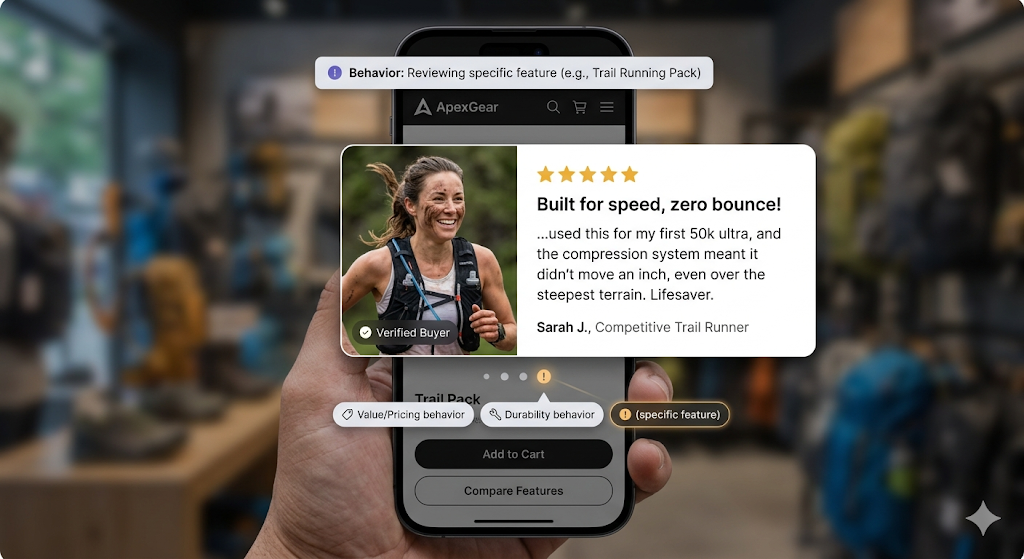
Testimonials have long been a cornerstone of trust-building in digital commerce, helping potential customers validate their decisions through the experiences of others. However, static testimonials often fail to resonate with diverse audiences who arrive with different intents, preferences, and levels of awareness. This is where dynamic testimonial rotation becomes a powerful strategy, allowing brands to tailor social proof in real time. By adapting testimonials based on user behavior, businesses can present the most relevant and persuasive content to each visitor.
This not only improves engagement but also shortens the decision-making journey by aligning messaging with user needs. Instead of showing the same reviews to everyone, dynamic systems ensure that each visitor sees what matters most to them.
To understand how to implement this effectively, it’s important to explore the key behavioral signals that can guide testimonial rotation:
Static testimonials assume that all users share the same motivations and concerns, which is rarely the case in modern eCommerce. A first-time visitor may need reassurance about quality, while a returning customer might care more about advanced features or value. Showing identical testimonials to both groups creates a disconnect that reduces effectiveness. Additionally, static testimonials can become stale over time, especially for returning visitors who have already seen them. This repetition lowers engagement and diminishes the perceived authenticity of your review system. As customer expectations evolve, your testimonial strategy must also adapt dynamically.
To better understand where static testimonials fail, consider these common issues:
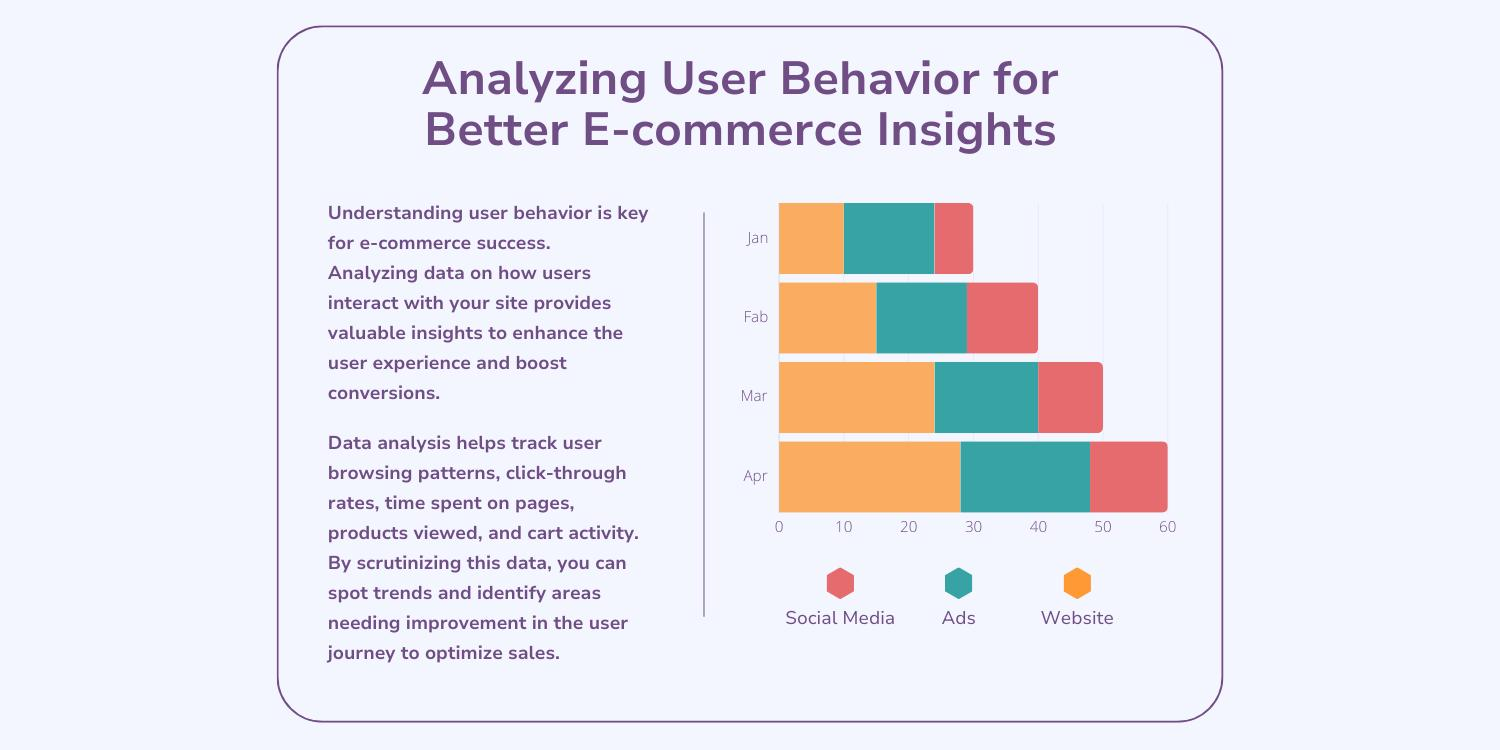
User behavior is the foundation of dynamic testimonial rotation, as it reveals what visitors are looking for and how close they are to making a decision. Every click, scroll, and interaction provides valuable signals that can guide which testimonials should be displayed. When used effectively, this data allows brands to align social proof with user expectations in real time. Behavioral segmentation helps categorize users into meaningful groups, such as new visitors, returning users, or high-intent shoppers. Each segment can then be matched with testimonials that address their specific concerns and motivations. This creates a more personalized and persuasive experience.
To leverage user behavior effectively, focus on tracking and interpreting these signals:

Not all testimonials serve the same purpose, and understanding their differences is key to dynamic rotation. Some testimonials emphasize trust and credibility, while others highlight specific product benefits or use cases. By categorizing testimonials, you can ensure the right message reaches the right audience. For example, a user exploring product details may benefit from feature-focused reviews, while someone hesitating at checkout might need reassurance through satisfaction or refund-related testimonials. This strategic alignment increases the likelihood of conversion by addressing user concerns directly.
To build an effective rotation system, consider organizing testimonials into these categories:
Personalization is the driving force behind dynamic testimonial rotation, enabling brands to deliver relevant content without manual intervention. By using behavioral data, you can automate which testimonials appear for each user segment. This ensures that every visitor encounters social proof that aligns with their journey. Modern tools make it easier to implement personalization without complex development. By integrating review platforms and analytics systems, businesses can create rules that trigger specific testimonials based on user actions. This scalability is essential for growing eCommerce brands.
To implement personalization effectively, focus on these strategies:
Different pages serve different purposes in the customer journey, and testimonial rotation should reflect this. For example, homepage visitors may need broad trust signals, while product pages require detailed and relevant reviews. Checkout pages, on the other hand, benefit from testimonials that reduce friction and reinforce confidence. By tailoring testimonial rotation to each page type, you can maximize its impact at every stage of the funnel. This approach ensures that social proof is not only present but also strategically aligned with user intent.
To optimize testimonial placement across your site, consider these page-specific strategies:
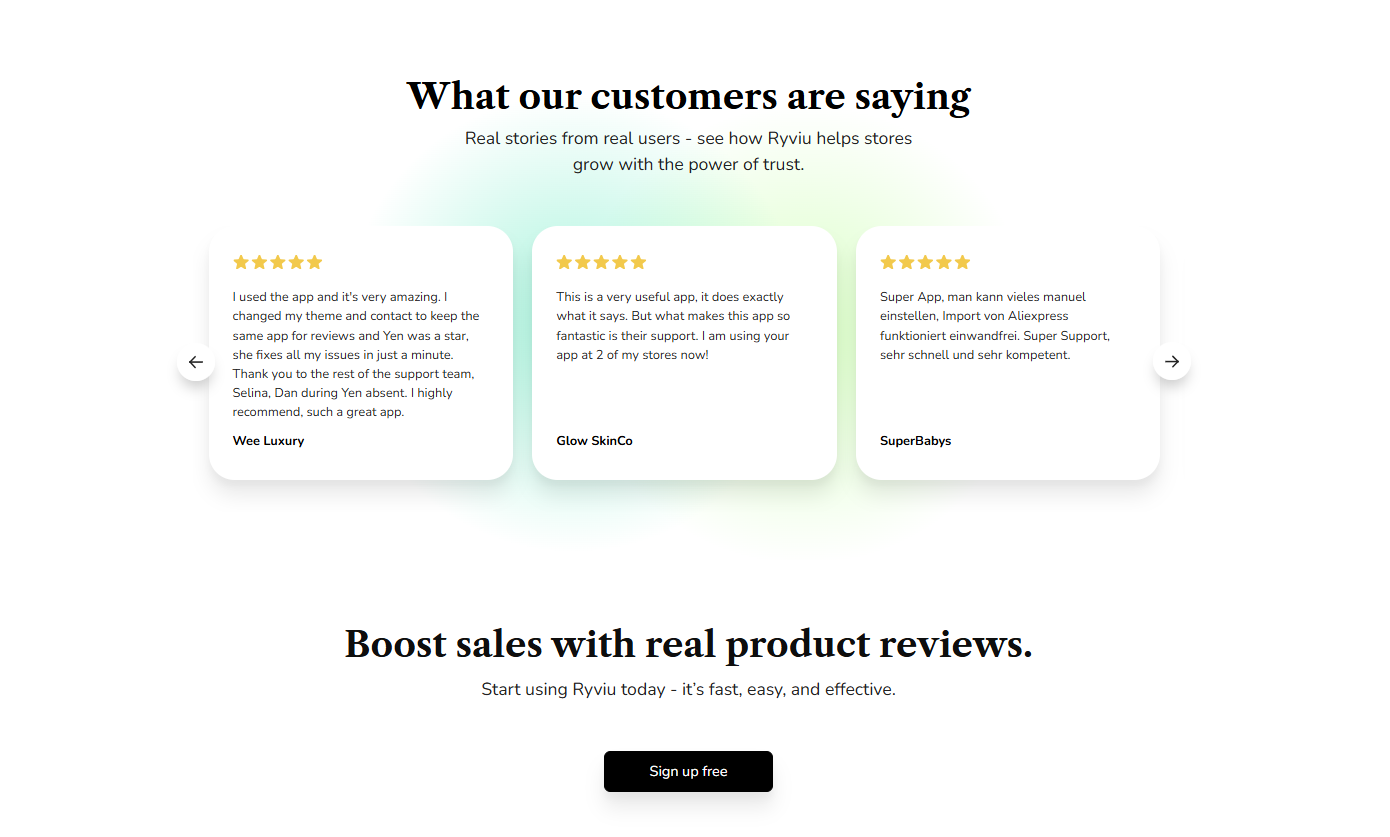
Managing dynamic testimonial rotation manually can be complex, especially as your business scales. Automation tools help streamline this process by integrating user behavior data with your review system. This allows testimonials to update in real time without constant oversight. Platforms like Ryviu make it easier to collect, manage, and display reviews in a way that supports dynamic rotation. By centralizing your testimonials and enabling flexible display options, such tools provide the foundation for personalization. This reduces technical barriers and allows marketers to focus on strategy rather than implementation.
To make the most of automation tools, prioritize these capabilities:
Dynamic testimonial rotation is not a one-time setup; it requires continuous testing and refinement. A/B testing allows you to compare different testimonial strategies and identify what resonates most with your audience. This iterative approach ensures that your system evolves alongside user behavior. Testing different combinations of testimonials, placements, and triggers can reveal valuable insights into customer preferences. Over time, these insights help optimize your rotation strategy for maximum impact.
To effectively test and optimize your testimonials, focus on these practices:
While dynamic testimonial rotation offers significant benefits, it can also be misused if not implemented carefully. Over-personalization, for example, can feel intrusive if users perceive that too much data is being tracked. Similarly, poor-quality testimonials can undermine trust regardless of how they are displayed. Another common mistake is failing to update testimonials regularly, which can lead to outdated or irrelevant content. Maintaining freshness and authenticity is essential for sustaining user trust.
To avoid these pitfalls, keep these considerations in mind:
As technology continues to evolve, testimonial rotation will become even more sophisticated. Artificial intelligence and machine learning will enable deeper insights into user behavior, allowing for more precise personalization. This will further enhance the relevance and effectiveness of social proof. In the future, testimonials may adapt not only to behavior but also to real-time context, such as weather, time of day, or trending topics. This level of personalization will create highly engaging and immersive experiences for users.
To stay ahead of the curve, businesses should focus on these emerging trends:
Dynamic testimonial rotation represents a significant evolution in how businesses use social proof to influence customer decisions. By aligning testimonials with user behavior, brands can create more relevant, engaging, and persuasive experiences. This not only improves conversion rates but also strengthens long-term customer trust. Implementing this strategy requires a combination of behavioral insights, thoughtful categorization, and the right tools. Solutions like Ryviu provide a practical way to manage and display testimonials dynamically without overwhelming complexity. When executed effectively, dynamic testimonial rotation becomes a powerful driver of growth and differentiation.
Ultimately, the key is to treat testimonials not as static content but as dynamic assets that evolve with your audience. By doing so, you can unlock their full potential and create a more personalized customer journey.