New to Shopify? Free trial, then $1/month for your first 3 months. Start free trial →
 Where is your store?
Ryviu works with both – pick yours to continue.








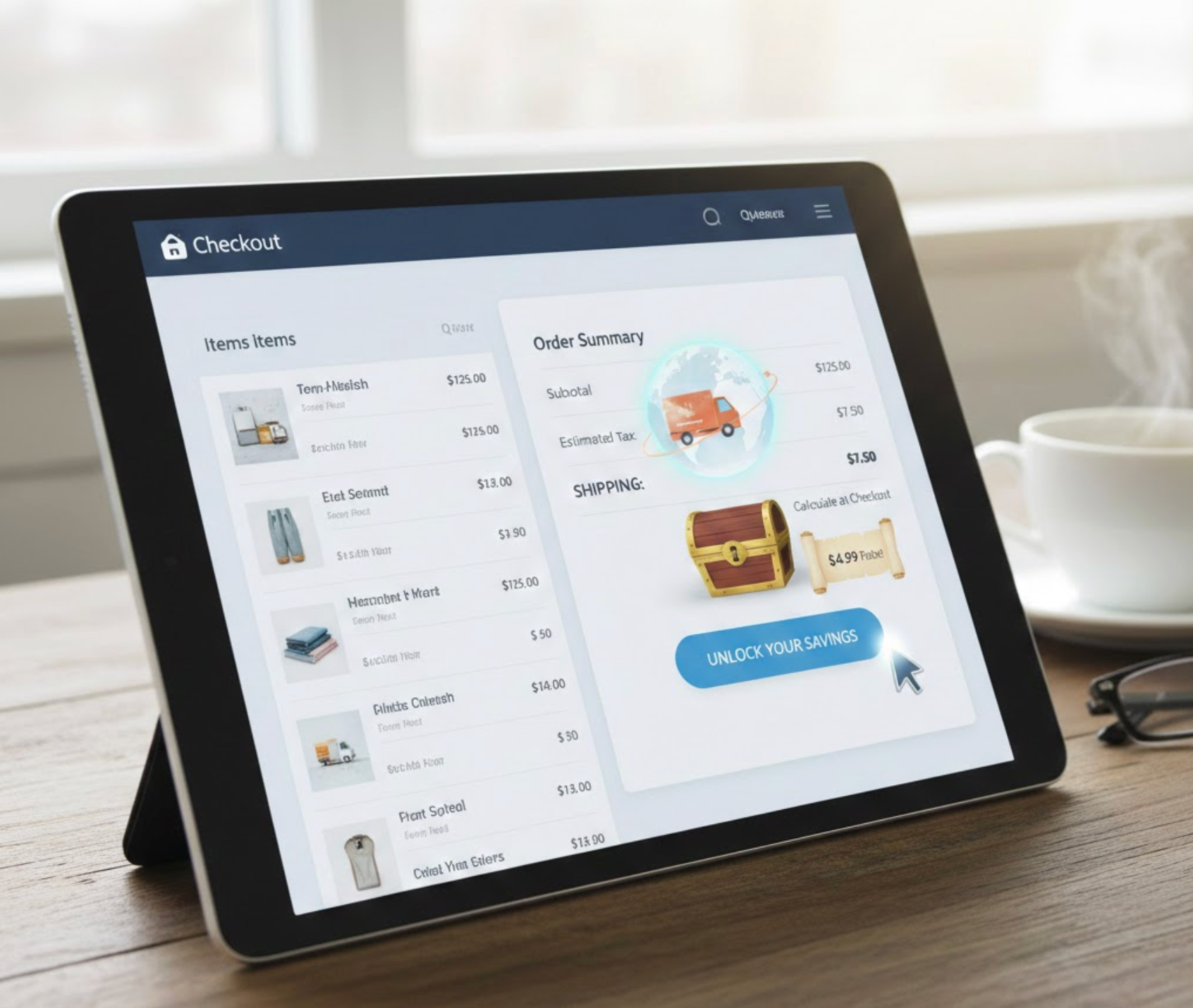
Shipping costs are one of the most delicate conversion levers in ecommerce. While pricing, imagery, and product descriptions often get the spotlight, shipping is frequently where purchase intent quietly collapses. Many shoppers arrive with strong interest, browse confidently, and even add products to their cart, only to leave once shipping fees appear.
The real challenge isn’t that customers dislike paying for shipping. Instead, they dislike unexpected, poorly explained, or unfair-feeling costs. This is why the way shipping costs are communicated matters just as much as the amount itself. When handled thoughtfully, shipping transparency can strengthen trust, reduce friction, and actually support higher conversion rates rather than undermine them.
To achieve this, ecommerce brands need to understand the psychology behind shipping resistance and apply design, copy, and timing strategies that make shipping costs feel reasonable, predictable, and worth it.
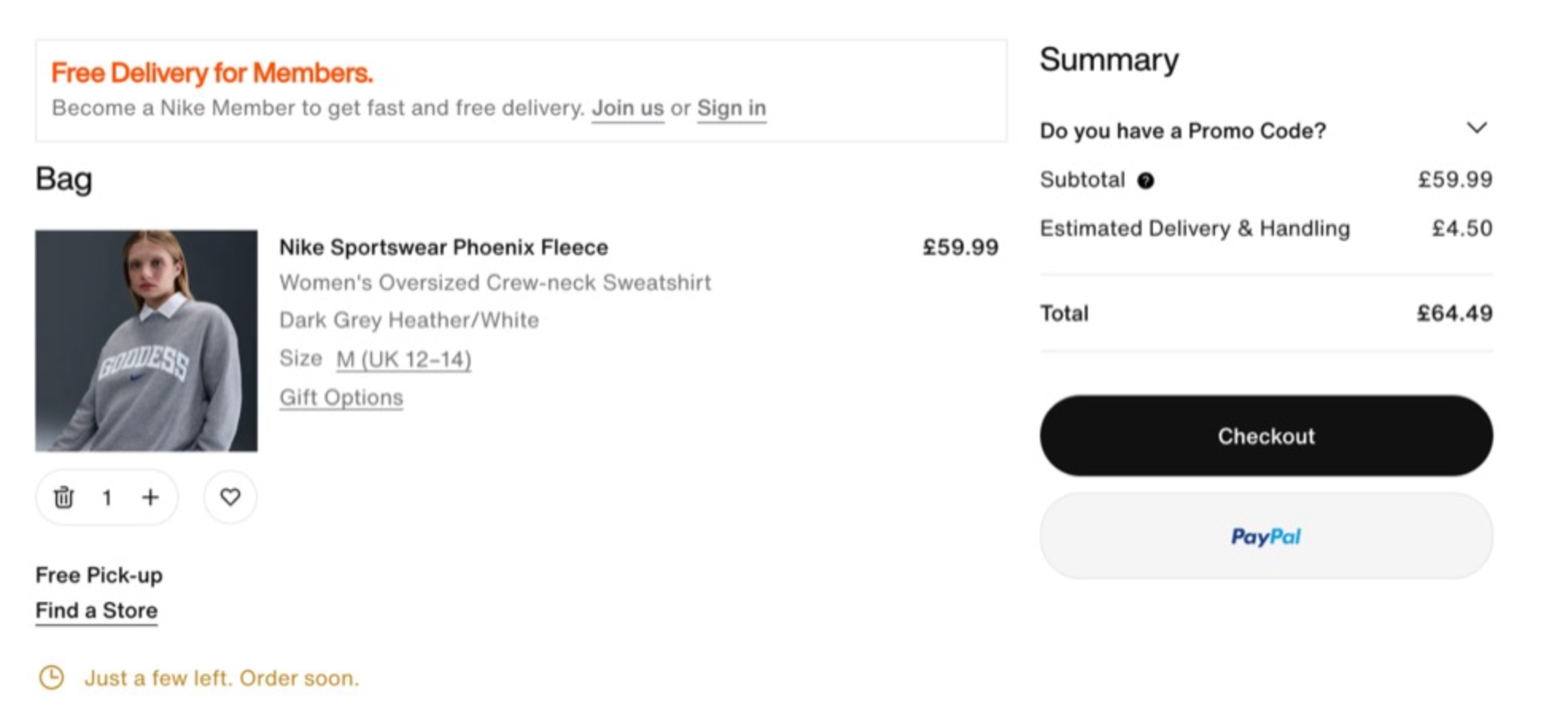
Shipping costs trigger a unique kind of psychological resistance because they don’t feel like part of the product’s value. Shoppers can rationalize a higher product price by linking it to quality, features, or brand reputation. Shipping, however, feels transactional and external, an expense that provides no tangible upgrade to the item itself.
This effect becomes even stronger when shipping costs appear late in the funnel. By the time shoppers reach checkout, they have already invested time and emotional energy into the purchase. They’ve compared options, imagined ownership, and mentally committed to buying. When an unexpected shipping fee suddenly appears, it feels less like a cost and more like a breach of trust.
As a result, shoppers often abandon the cart not because they can’t afford the shipping, but because they feel misled. Understanding this emotional response is essential before deciding where and how shipping costs should appear.
Introducing shipping costs early helps set expectations and reduces checkout shock. However, showing them too aggressively can distract shoppers before they’ve had a chance to appreciate the product’s value. The key is to introduce shipping information in a way that feels supportive, not intrusive.
Early exposure allows shoppers to mentally account for shipping while browsing, which leads to smoother decision-making later. This approach creates continuity between product discovery and checkout.
To achieve this balance, shipping information should be presented as light guidance rather than a hard barrier:
By the time shoppers reach the cart, shipping no longer feels like a sudden interruption. Instead, it becomes a familiar and expected part of the purchase. This sets the stage for reframing shipping more positively through incentives.
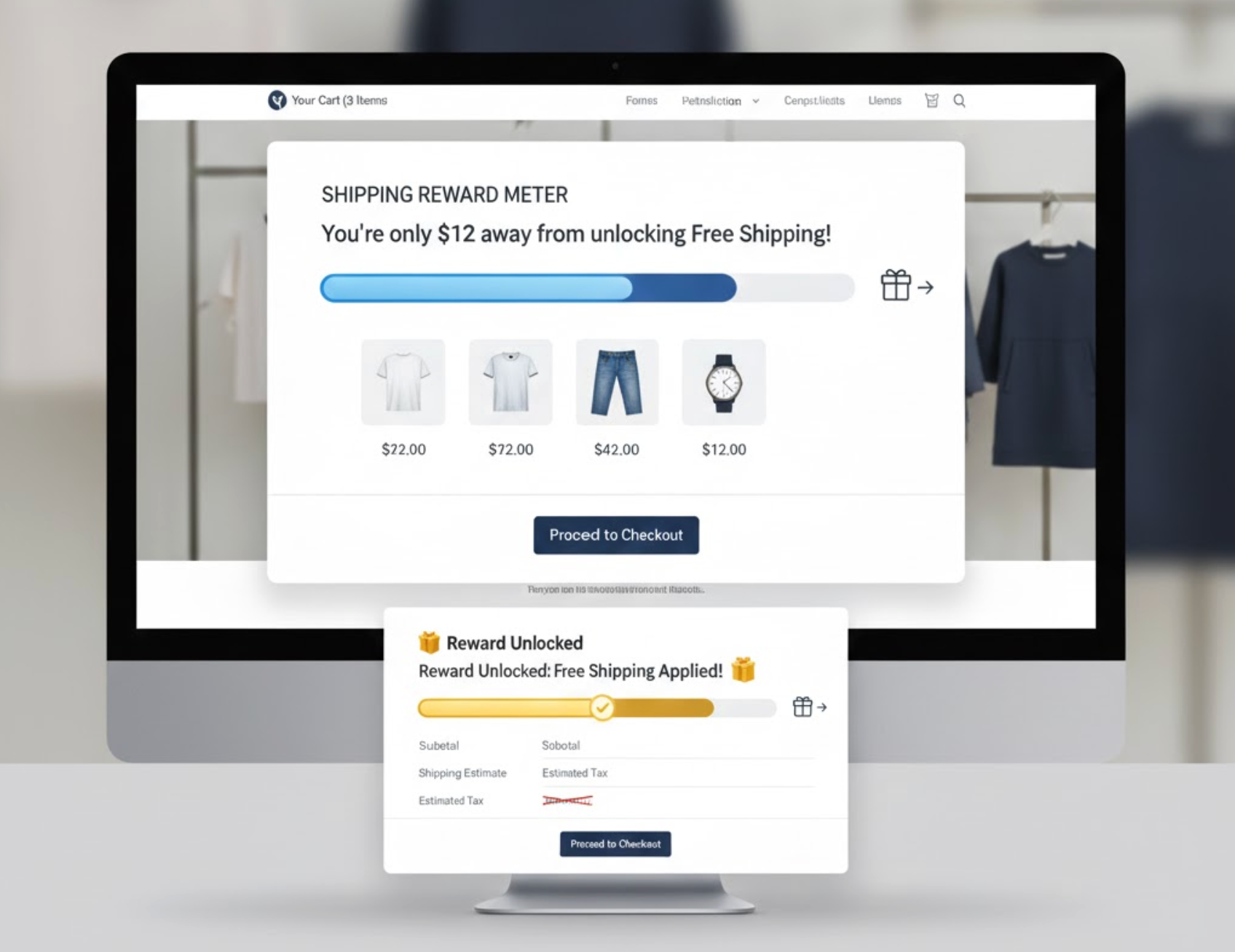
Free shipping thresholds change the emotional framing of shipping costs entirely. Instead of being perceived as a loss, shipping becomes something shoppers can actively avoid or “win.” This subtle shift has a powerful effect on motivation.
Rather than asking shoppers to accept a fee, thresholds invite them to complete a goal. This approach aligns shipping costs with positive action rather than resistance.
When implemented correctly, thresholds influence both conversion and order value:
As shoppers engage with thresholds, their focus shifts away from cost anxiety and toward completion. This creates a more proactive mindset, which makes it easier to justify shipping when it still applies. However, clarity remains essential, which leads into the importance of perceived fairness.
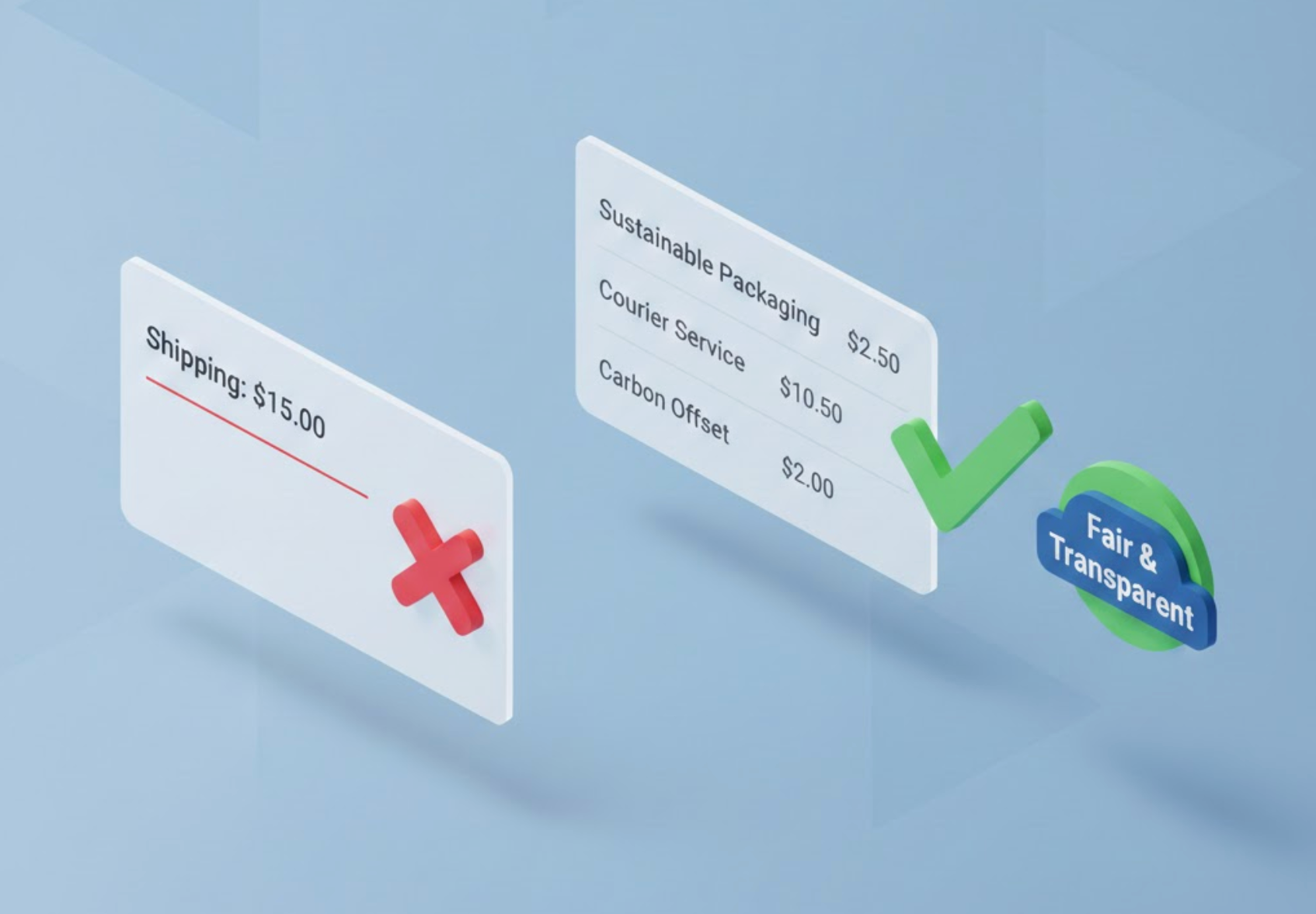
Shipping fees feel most frustrating when they appear arbitrary. A single unexplained number invites skepticism and emotional pushback. In contrast, even brief context can make a shipping fee feel logical and acceptable.
When shoppers understand what they’re paying for, resistance decreases significantly. Transparency restores a sense of fairness and legitimacy.
There are several effective ways to add context without overwhelming the user:
Once shoppers feel they have agency, shipping costs become less emotionally charged. This sense of control also makes it easier to integrate shipping into the broader product experience instead of treating it as a separate obstacle.
When shipping is isolated as a standalone fee, it draws attention to cost rather than value. Integrating shipping into product presentation helps reduce this negative focus. The goal is to evaluate total cost naturally, not dissect it.
By embedding shipping into the product narrative, shoppers assess the offer as a whole. This encourages value-based thinking rather than line-by-line scrutiny.
Effective integration strategies include:
This approach doesn’t eliminate shipping expenses, but it softens their impact. Once shipping feels like part of the offer, consistency becomes the next critical factor in maintaining trust.
Trust is fragile in ecommerce, and shipping inconsistencies can break it instantly. When messaging changes between pages, shoppers start to question what else might be hidden. Even small discrepancies can create hesitation at critical moments.
Consistency reassures shoppers that they’re seeing the full picture. It reinforces the idea that there will be no surprises later.
To maintain trust, shipping communication must remain aligned:
When shoppers trust what they see, they move through the funnel more smoothly. This trust becomes especially important on the cart page, where final decisions are made.
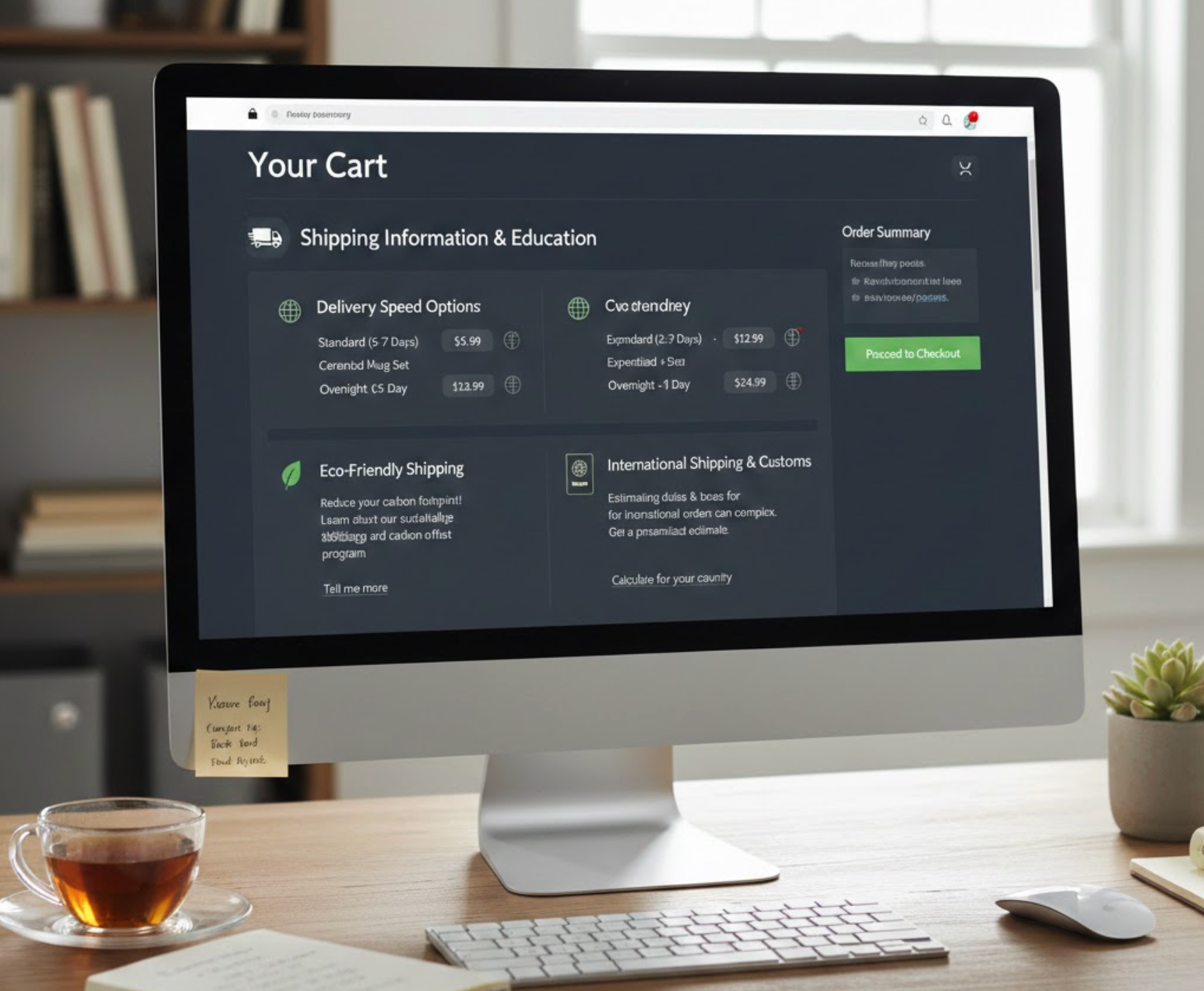
The cart page sits at a critical point between intent and commitment. Shoppers here are still evaluating, which makes it the ideal place to clarify shipping without causing panic. Used well, the cart can reduce friction rather than create it.
Instead of hiding shipping until checkout, the cart should help shoppers understand what’s coming next. This prepares them emotionally and financially.
Cart-level shipping clarity can be achieved by:
By educating rather than surprising, the cart becomes a conversion support tool. With expectations aligned, brands can then refine shipping presentation through testing and optimization.
There is no universally perfect way to show shipping costs. Customer expectations vary by product type, price range, and market norms. What works for one store may fail for another.
Continuous testing allows brands to adapt shipping communication to real behavior rather than assumptions. Even small adjustments can produce meaningful results.
Testing strategies often include:
Over time, data-driven refinement ensures shipping supports both transparency and performance. With this foundation in place, it becomes clear that shipping costs themselves aren’t the problem, communication is.
Shipping costs don’t hurt conversion rates by default; poor presentation does. When fees are hidden, delayed, or poorly explained, they damage trust and interrupt momentum. But when shipping is introduced thoughtfully, framed strategically, and reinforced consistently, it becomes far less intimidating.
The most successful ecommerce brands guide shoppers toward the full cost gradually, aligning expectations at every step. By prioritizing clarity, fairness, and timing, shipping stops being a conversion killer and becomes a manageable, predictable part of the buying experience.