New to Shopify? Free trial, then $1/month for your first 3 months. Start free trial →
 Where is your store?
Ryviu works with both – pick yours to continue.








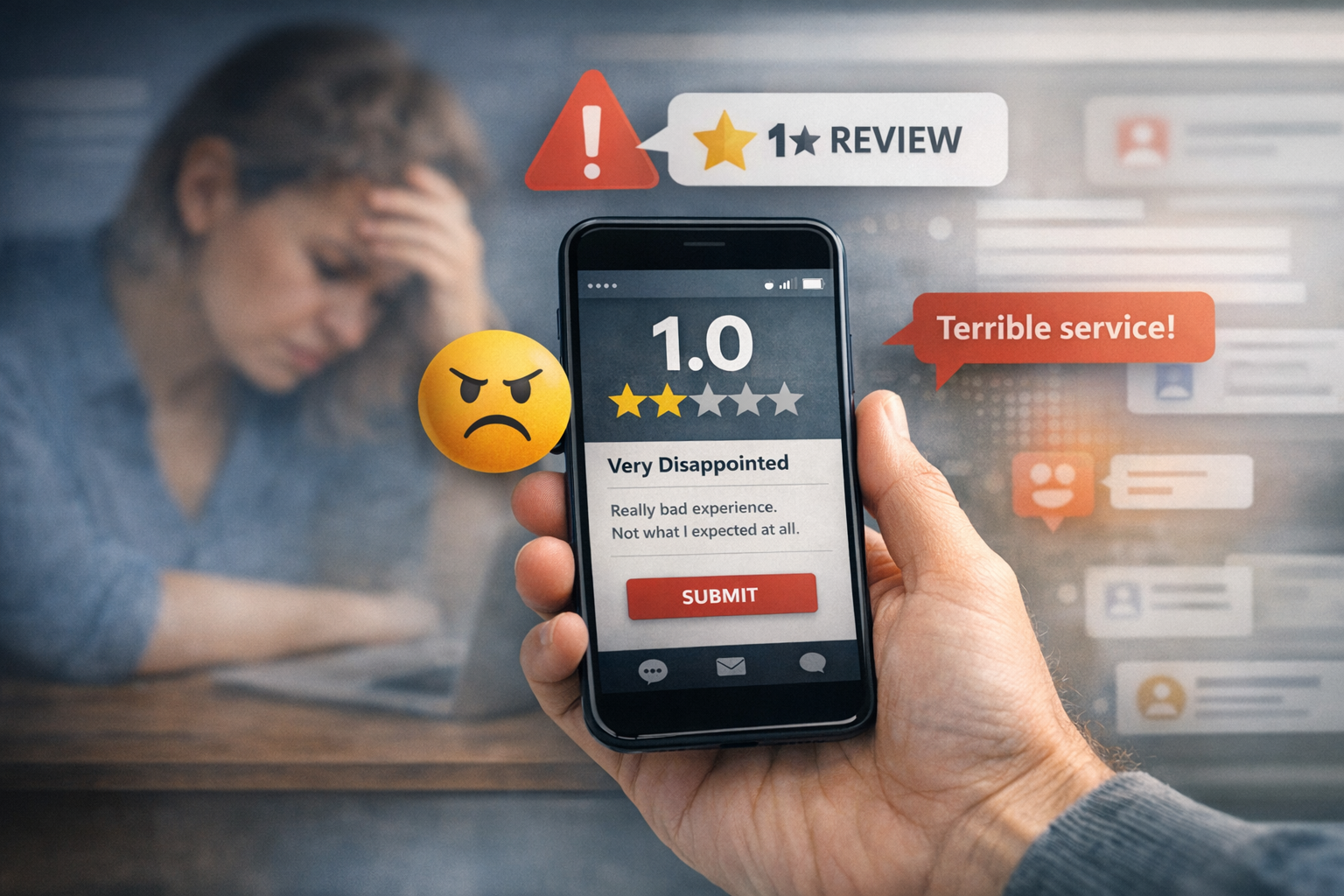
One-star reviews are often seen as damaging signals that can discourage potential customers and harm brand perception. However, they also represent one of the most valuable forms of customer feedback because they highlight real pain points and unmet expectations. Instead of avoiding or suppressing these reviews, businesses can transform them into meaningful opportunities for engagement and improvement.
When handled thoughtfully, a negative review can become the starting point of a productive dialogue. It allows brands to demonstrate accountability, empathy, and a genuine commitment to customer satisfaction. This shift from reaction to conversation is what separates reactive brands from customer-centric ones.
To effectively turn one-star reviews into ongoing conversations, businesses must adopt a structured and intentional approach:
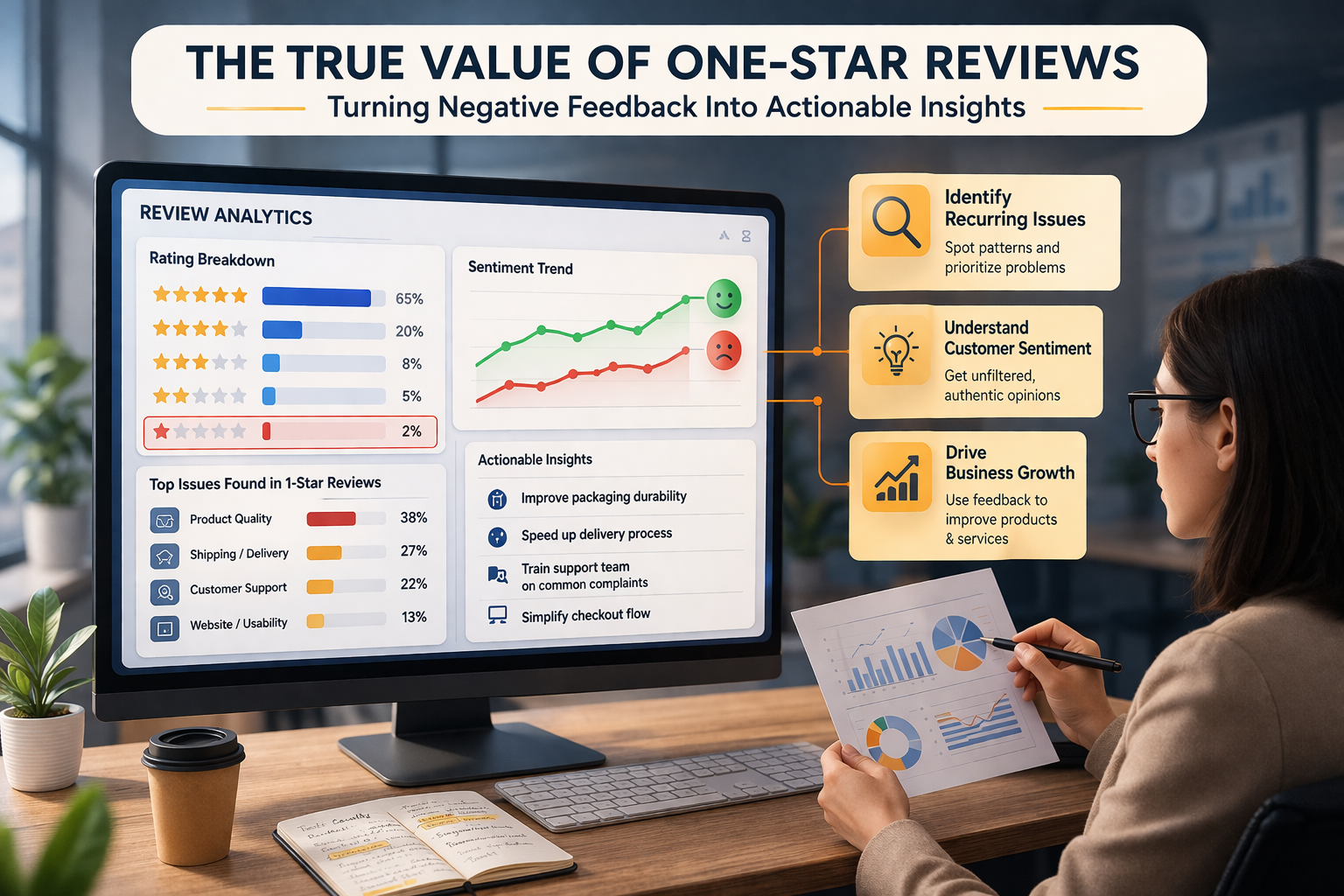
Negative reviews often reflect moments where customer expectations were not met, making them critical data points for improvement. They reveal gaps in product performance, service quality, or communication that may not surface through positive feedback alone. Ignoring them means missing out on direct insights from real user experiences. Customers who leave one-star reviews are typically highly engaged, even if their experience was poor. Their willingness to speak up indicates that they care enough to share their perspective. This creates an opportunity to rebuild trust through meaningful interaction.
To better understand the value of these reviews, consider the following perspectives:
Many businesses treat one-star reviews as threats that must be minimized or hidden. This defensive mindset often leads to generic responses or no response at all, which can further damage trust. Instead, brands should view these reviews as conversation starters. Reframing negative feedback as an invitation to engage changes how teams approach customer interactions. It encourages curiosity rather than defensiveness and prioritizes understanding over justification. This mindset is essential for building long-term relationships.
To successfully shift this perspective, businesses should:
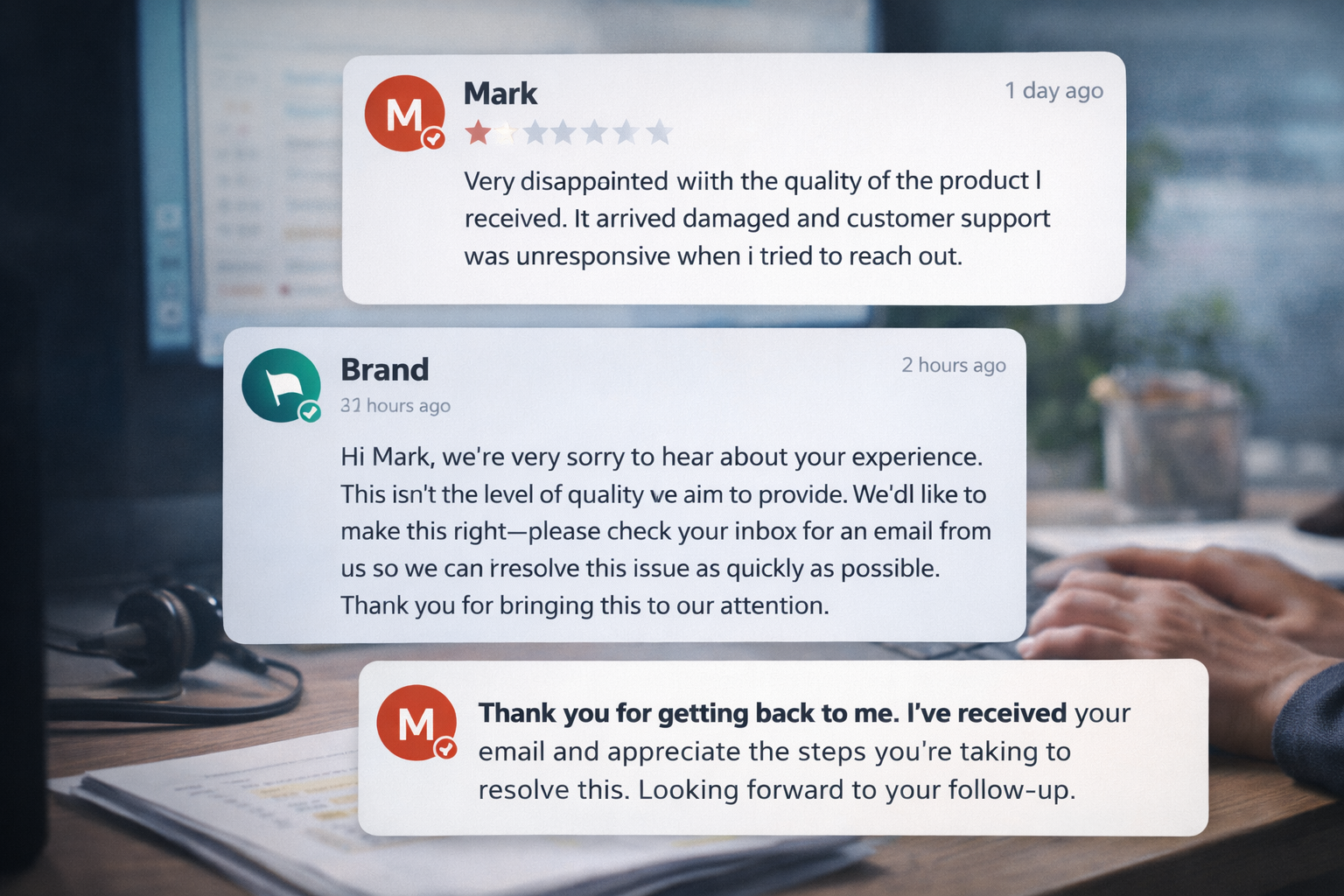
A well-crafted response can transform a negative experience into a positive interaction. It shows that the brand is listening and willing to take responsibility where necessary. Poor responses, on the other hand, can escalate frustration and reinforce negative perceptions. Effective replies are not overly scripted or robotic. They feel human, specific, and relevant to the customer’s concern. Personalization plays a key role in making customers feel heard and valued.
To create impactful responses, follow these principles:
Responding once is not enough to build a meaningful relationship. The goal should be to turn a one-time interaction into an ongoing dialogue. This requires creating opportunities for continued engagement. Customers are more likely to respond when they feel their voice has been acknowledged and respected, making it easier for businesses to collect product reviews in a natural and ongoing way. Encouraging follow-up communication helps deepen trust and shows commitment beyond surface-level responses. It also allows businesses to ensure that issues are fully resolved.
To foster ongoing conversations, consider these approaches:
As businesses grow, managing customer feedback manually becomes increasingly challenging. This is where structured review management systems become essential. They help organize, track, and respond to reviews efficiently. Platforms like the Ryviu review app enable businesses to centralize customer feedback and streamline communication. By integrating review collection and response workflows, teams can maintain consistency while scaling their efforts. This ensures that no customer voice goes unheard.
To effectively leverage such tools, businesses should:
Responding to reviews is only the first step. The real impact comes from using feedback to drive meaningful changes. Customers want to see that their input leads to tangible improvements, especially when businesses learn how to manage seasonal reviews effectively. Closing the feedback loop demonstrates accountability and reinforces trust. It shows that the business values customer input not just as feedback but as a driver of progress. This can significantly enhance brand credibility.
To turn feedback into action, businesses should:
Every response to a one-star review is visible to potential customers. This makes it an opportunity to showcase transparency and professionalism. A thoughtful reply can positively influence not just the reviewer but also future buyers. Transparency builds credibility, especially when businesses acknowledge mistakes openly. It reassures customers that the brand is honest and committed to improvement. This is particularly important in competitive markets where trust is a key differentiator.
To build trust through transparency, businesses should:
The quality of review responses often depends on the people handling them. Without proper training, responses can become inconsistent or ineffective. Investing in team development is essential for maintaining high standards. Customer-facing teams should be equipped with both communication skills and product knowledge. This enables them to respond confidently and accurately. It also ensures that customers receive meaningful and helpful replies.
To train teams effectively, focus on:
Customer reviews should not exist in isolation. They should be integrated into the broader customer experience strategy. This ensures that feedback continuously informs decision-making. When reviews are treated as strategic assets, they contribute to long-term growth. They help identify opportunities for innovation and improvement. This proactive approach transforms feedback into a competitive advantage.
To integrate reviews into your strategy, consider:
Managing and transforming one-star reviews into conversations requires consistency and organization. Tools like the Ryviu review app can support this process by providing a structured environment for collecting and responding to feedback. Rather than replacing human interaction, it enhances the ability to engage effectively at scale. Ryviu allows businesses to display user-generated content in a clear and organized way, making it easier to identify and respond to negative reviews. It also supports features that encourage follow-up interactions, helping turn isolated complaints into ongoing dialogues. This aligns perfectly with a customer-centric approach to feedback management.
To make the most of such tools, businesses can:
One-star reviews do not have to be the end of a customer relationship. When approached strategically, they can become the beginning of meaningful and ongoing conversations. This requires a shift in mindset, a structured response strategy, and the right tools to support engagement.
By embracing negative feedback and turning it into dialogue, businesses can build stronger relationships and improve continuously. Each review becomes an opportunity to learn, connect, and grow. Over time, this approach transforms customer feedback from a challenge into a powerful asset.
Ultimately, the brands that succeed are those that listen, respond, and evolve. In the end, successful brands are those that pay attention, react, and change. Converting one-star reviews into continuing discussions is a reflection of a genuinely customer-focused business philosophy, not merely a strategy.