New to Shopify? Free trial, then $1/month for your first 3 months. Start free trial →
 Where is your store?
Ryviu works with both – pick yours to continue.








Customer feedback has always been one of the most powerful sources of insight for businesses. It reveals what people truly think about your products, services, or brand, even if they don’t say it directly. However, as businesses grow, so does the volume of feedback. Reading thousands of reviews, messages, and comments manually becomes nearly impossible, and even small teams can struggle to understand overall sentiment accurately.
This is where artificial intelligence steps in. AI-powered sentiment analysis helps you automatically detect emotions in large volumes of text and turns qualitative feedback into clear, actionable insights. Instead of relying on guesswork or cherry-picking a few reviews, you can understand your customers at scale and base your decisions on real data.
In this expanded guide, we’ll explore how sentiment analysis works, why it matters, and how to implement it step by step, along with practical examples and smooth transitions to help you understand the process clearly.
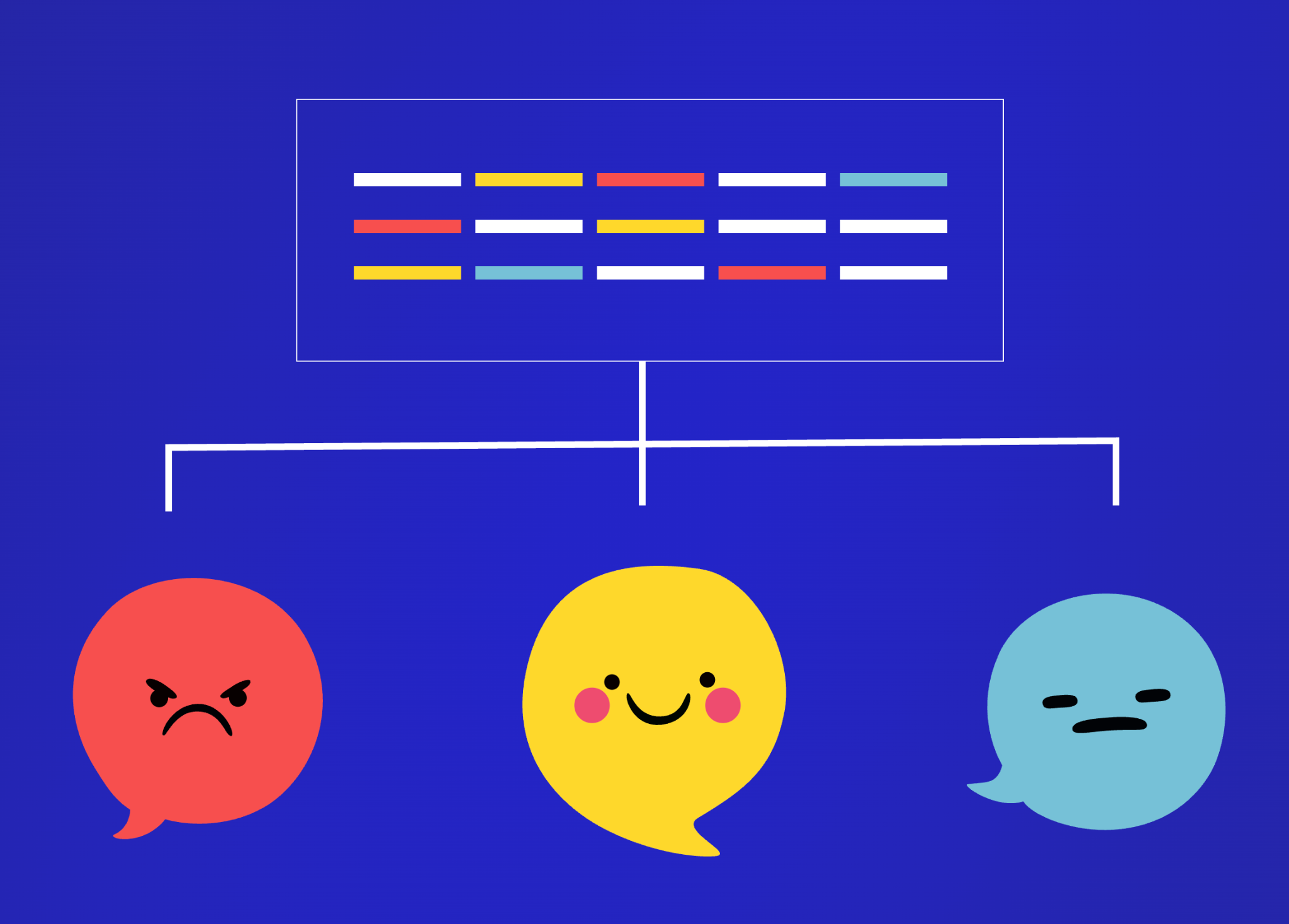
AI sentiment analysis uses Natural Language Processing (NLP) and machine learning models to evaluate the emotional tone behind text. Instead of simply analyzing keywords, modern AI understands context, tone, intention, and even subtle cues like sarcasm or mixed feelings. This allows businesses to interpret customer feedback far more accurately.
AI typically categorizes sentiment into three main categories:
More advanced systems go further by identifying granular emotions such as excitement, anger, relief, curiosity, trust, or anxiety. This nuanced analysis helps businesses understand not only what customers think but also how strongly they feel about it.
As customer expectations rise and competition intensifies, businesses need a deeper understanding of customer emotions. AI sentiment analysis provides this clarity. Below are several major reasons why companies increasingly rely on it.
In the past, businesses could review feedback manually. But today, feedback floods in from support tickets, reviews, social media, and surveys. AI can analyze thousands of lines of text in seconds and deliver a clear overview of customer mood.
This allows you to quickly answer critical questions, such as:
By viewing the big picture, teams can avoid making decisions based on isolated examples and rely on comprehensive data instead.
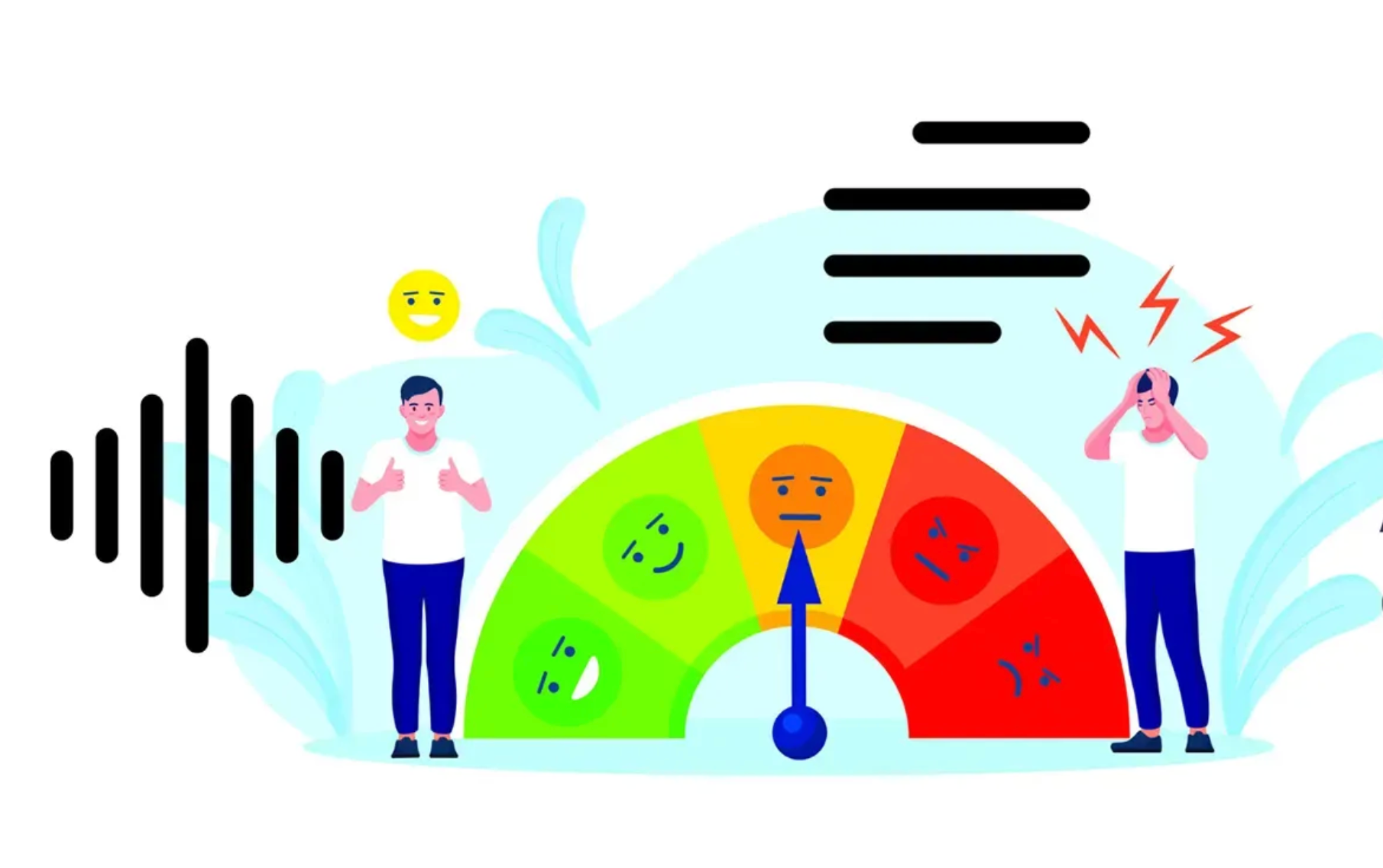
Even when customers try to be polite, their language often contains subtle frustration—something traditional review methods might miss. AI detects emotional keywords and patterns that signal deeper issues.
For example:
Without AI, these clues would blend with neutral comments. With AI, recurring negative signals become clear patterns you can fix immediately.
Because AI breaks down feedback by topic, you can understand which product attributes matter most to customers. For instance, you might discover that:
These insights help teams prioritize improvements that will create the biggest business impact.
Negative sentiment can escalate quickly, especially on social media. AI sentiment monitoring acts like an early-warning system. When emotion suddenly shifts toward negativity, the system alerts your team so you can respond before the issue spreads publicly or affects revenue.
Sentiment data feeds into product development, customer support, marketing, and growth strategies. Instead of relying on instinct, teams make decisions supported by emotional trends and real user opinions.
Now that you understand the value of sentiment analysis, let’s walk through a structured, detailed process to implement it effectively. Each step includes smooth transition sentences to help you understand how everything works together.

To get accurate sentiment insights, you first need a rich pool of customer feedback. Because modern buyers interact with brands across many touchpoints, gathering data from only one place will lead to a biased or incomplete understanding.
Collect feedback from:
By consolidating all these sources, you ensure your AI model has enough context to evaluate customer emotions accurately. Once your data pipeline is in place, you can move to selecting the right tool.
Not all AI tools are the same. Some are built for eCommerce, others for customer support, and others for general-purpose NLP. To ensure smooth integration and accurate results, choose a tool that matches your business goals.
Here are common tool categories:
When selecting your tool, consider accuracy, customization options, multilingual support, and ease of integration. Smooth adoption ensures your sentiment analysis process runs automatically with minimal maintenance.
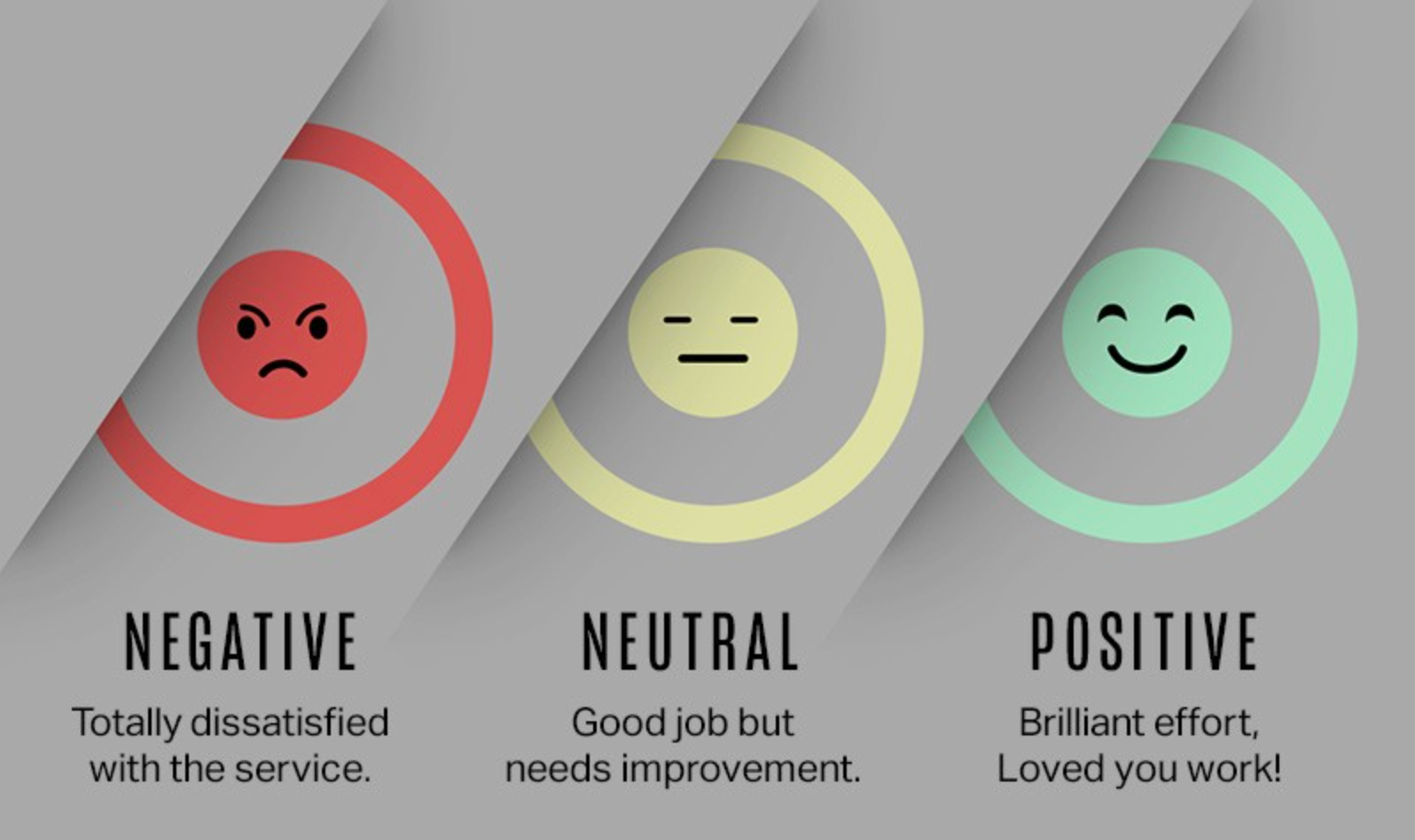
Once your AI tool is connected, it will begin analyzing incoming text and assigning sentiment categories. This step transforms raw comments into structured data you can actually use.
Most tools provide:
By viewing feedback through these lenses, you can quickly grasp trends that would be difficult to identify manually.
After understanding the overall sentiment distribution, the next step is identifying recurring themes. AI models often extract keywords, phrases, and topics from feedback and connect them with sentiment signals.
For example:
These patterns help you understand why customers feel the way they do. You’ll begin to see which product features generate the strongest emotions, which allows for better prioritization in your improvement roadmap.
Sentiment analysis isn’t a one-time operation—it’s an ongoing process. By tracking sentiment monthly or weekly, you can see shifts related to new launches, pricing adjustments, marketing campaigns, or support policy changes.
For example:
Monitoring sentiment over time helps you understand not only what customers feel now but also how their feelings evolve based on your actions.
Once you have sentiment data, the next step is using it to drive improvements across the business.
You can:
The more departments you involve, the more value you extract from sentiment insights.
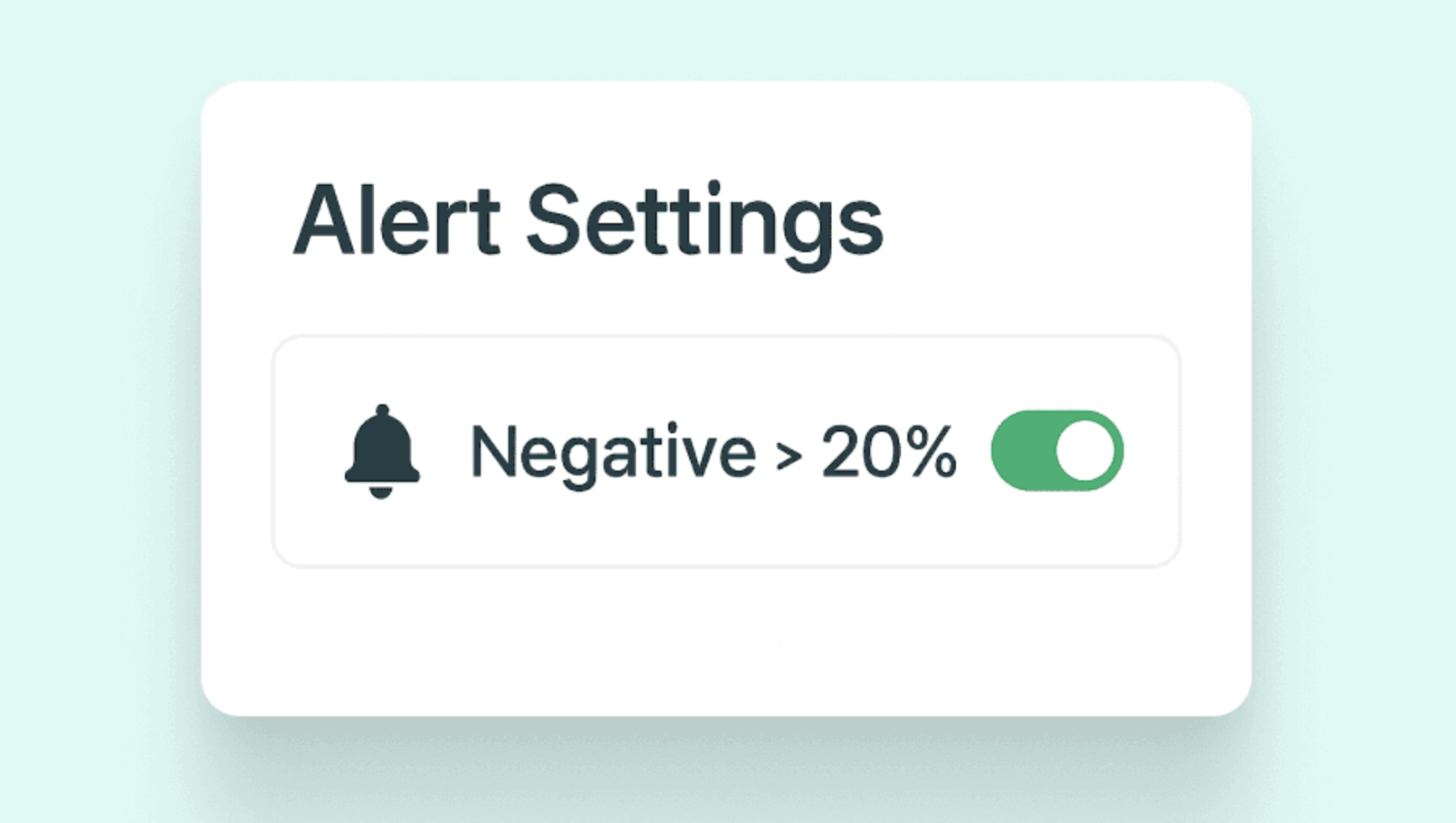
Many modern AI systems allow you to automate notifications whenever negative sentiment exceeds certain thresholds. This prevents issues from going unnoticed and ensures your team can respond quickly.
For example:
These real-time insights allow your team to act before sentiment affects reviews, brand trust, or customer churn.
To gain deeper insights, you can merge sentiment scores with other metrics such as:
This helps answer more advanced questions:
By blending emotional data with numerical data, you get a full 360-degree view of customer experience.
To ensure accuracy, consistency, and long-term success in your sentiment analysis efforts, it’s important to follow several best practices. These guidelines help you maintain clean data, improve model performance, and turn insights into meaningful business actions.
Before feeding any text into an AI system, remove spam, duplicated content, irrelevant comments, and incomplete messages. Dirty or unstructured data can confuse the model and lead to inaccurate sentiment predictions. By ensuring your dataset is clean and organized, you give the AI a strong foundation to learn from and generate reliable insights.
Every industry uses slang, jargon, and expressions that the AI may misinterpret unless properly trained. Words like “crazy,” “sick,” or “insane” can be positive in gaming or fashion communities but negative in healthcare or finance. Fine-tuning the model with domain-specific examples greatly improves accuracy and reduces misunderstanding of context.
If you serve customers worldwide, you need AI models that can accurately analyze sentiment in multiple languages. Many expressions change meaning when translated literally, so multilingual NLP engines ensure nuance and emotion are captured correctly. This prevents sentiment bias and helps you understand regional differences more precisely.
AI models are powerful, but they are not perfect, they improve through consistent evaluation. Regularly compare automated sentiment predictions with real human interpretation to confirm the model is still performing well. As your product line, service quality, or customer communication style evolves, periodic tuning ensures the AI keeps up.
Sentiment analysis only creates value when the insights lead to real changes in your operations. Use the findings to refine customer support responses, improve product quality, or adjust marketing messages. When teams actively apply the insights, sentiment analysis becomes a continuous improvement engine rather than just another report.
AI sentiment analysis is one of the most powerful ways to understand customer emotions at scale and transform qualitative feedback into actionable insights. By gathering data from multiple channels, choosing the right AI tools, analyzing patterns, tracking changes, and applying insights to improve your business, you create a more customer-centric and data-driven organization.