 New to Shopify? Free trial, then $1/month for your first 3 months. Start free trial →
 Where is your store?
Ryviu works with both – pick yours to continue.








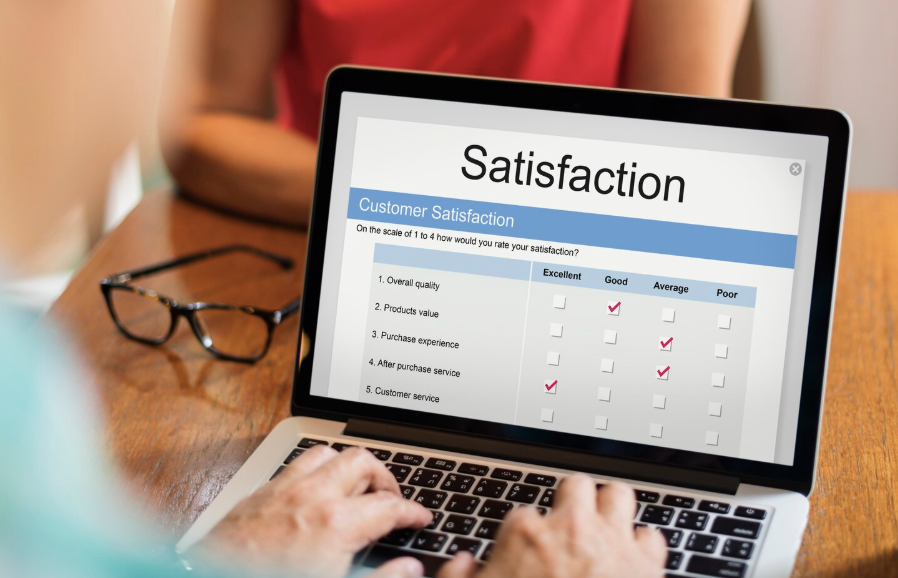
For most eCommerce brands, the sale doesn’t end when a customer checks out—it continues long after the product has arrived. The true test of a brand’s reputation begins after purchase, when customers decide whether the experience lived up to their expectations. This is where post-purchase surveys come into play. They not only help you gather insights about customer satisfaction but can also act as an intelligent gateway to request authentic product reviews at just the right moment.
Reviews are the social currency of online shopping. They influence trust, boost conversion rates, and even improve SEO visibility. However, many brands struggle to collect enough reviews or don’t know the best time to ask. When used strategically, post-purchase surveys can bridge this gap—transforming feedback collection into a seamless, personalized journey that encourages customers to share their honest experiences.
In this article, you’ll learn how to use post-purchase surveys effectively to trigger review solicitation, how timing and tone make all the difference, and how to automate the process to build stronger social proof for your eCommerce brand.
A post-purchase survey is a short questionnaire sent to customers after they’ve completed a purchase or received their product. It’s designed to capture insights about the buying experience, product satisfaction, delivery process, and overall sentiment.
But beyond data collection, these surveys can act as the first gentle step in a larger review generation funnel. When executed thoughtfully, they help you understand whether a customer’s experience was positive or negative—and guide them down different paths based on that sentiment.
For instance, a happy customer can be directed immediately to leave a product review or testimonial, while a dissatisfied one can be led to a service recovery flow where issues are resolved before they become public complaints.
In short, post-purchase surveys are not just about asking questions—they’re about building a feedback system that nurtures customers and amplifies your brand’s credibility.
The most effective review requests are sent when a customer’s emotions are at their peak—either right after they’ve had a great experience or shortly after they start using the product and feel satisfied.
Post-purchase surveys naturally fit into this emotional window. They appear as a caring gesture, asking how things went, rather than an immediate demand for a review. This makes customers more willing to engage.
When customers feel heard and valued, they are more likely to share their experiences publicly.
Instead of bombarding customers with “Please review us!” emails, a post-purchase survey takes a conversational approach. It starts by asking about their experience, then guides them to the review stage in a natural progression.
For example:
Once customers indicate satisfaction, the follow-up step can say:
“Thank you! We’d love for you to share your experience with others—would you mind leaving a quick review?”
This flow feels organic and respectful, increasing participation rates.
Post-purchase surveys also serve as an opportunity to show empathy. You’re not just collecting data—you’re demonstrating that you care about the customer’s journey. That simple act of listening builds trust, which makes review solicitation more effective and authentic.
The structure and design of your survey directly influence response rates and the quality of feedback you’ll get.
No one wants to fill out a 20-question form after buying a T-shirt or phone case. Aim for 3–5 concise questions. Focus on insights that matter most to your operations and customer satisfaction.
Good examples include:
The smartest post-purchase surveys adapt based on the customer’s responses. If someone gives a high satisfaction score, the survey should automatically lead them to the review request step.
Conversely, if someone reports an issue, it should route them to a service recovery workflow—perhaps offering customer support or a replacement before asking for a review.
This conditional logic makes the survey dynamic, personal, and customer-centric.
Your survey should feel like an extension of your brand, not a generic form. Use friendly, conversational language that matches your store’s tone. Include your logo, product visuals, and consistent design elements.
This consistency reinforces your identity and encourages customers to engage sincerely.
Timing can make or break your post-purchase strategy. Send the survey too early, and customers might not have experienced the product yet. Send it too late, and the emotional connection may have faded.
Some brands send quick surveys right after checkout to measure website satisfaction or the buying experience (ease of navigation, payment flow, etc.). This helps improve your online store but isn’t ideal for product reviews yet.
The best time for a review-triggering survey is a few days after delivery, when customers have used the product enough to form an opinion. For consumable goods, this may be 3–5 days; for apparel or gadgets, 7–10 days is often optimal.
You can also trigger surveys based on behavioral milestones—like after the customer reorders, joins your loyalty program, or shares your brand on social media. These are high-engagement moments when customers are naturally more likely to give positive feedback.
Once customers complete your survey, it’s time to use their responses intelligently to guide review requests.
A well-structured survey helps you classify customers into different categories:
This segmentation is often done using Net Promoter Score (NPS) logic, where customers rate their likelihood to recommend your brand on a scale of 0–10.
Once a customer gives a positive survey response, the system can automatically trigger a personalized email or SMS asking for a review.
For example:
“Thank you for your feedback! We’re thrilled to hear you enjoyed your experience. Would you mind sharing your thoughts on our product page? It only takes a minute, and it really helps others.”
This automation ensures you never miss a chance to collect authentic reviews while avoiding poorly timed requests from unhappy customers.
The more personalized your review solicitation, the better your results. Use the survey data to customize the review request message:
For instance:
“Hi Anna! We’re so glad you loved your new eco-friendly yoga mat. Your thoughts could really help others make the right choice—would you share a quick review?”
This kind of personalization feels sincere and strengthens emotional connection.
Modern eCommerce platforms and apps make it easy to connect post-purchase surveys with review systems.
For Shopify or WooCommerce stores, tool like Ryviu can be integrated with post-purchase survey tools such as Typeform, SurveyMonkey, or Delighted.
This integration ensures a smooth flow:
This automation keeps your feedback loop running continuously, ensuring you always gather new social proof while maintaining high review quality.
Don’t limit your review requests to email alone. Consider reaching customers via SMS, WhatsApp, or even in-app notifications. Customers respond differently across channels—some prefer short text reminders, others respond to visual prompts.
By using multiple touchpoints, you increase the chances of engagement without feeling spammy.
Incentives can help boost review rates, but they must be used carefully. Customers should never feel pressured or bribed. Instead, position incentives as a thank-you gesture for participating in your feedback loop.
Ethical incentive ideas include:
This approach rewards participation and builds goodwill, while keeping reviews honest and compliant with platform guidelines.
Not every survey will yield positive results—and that’s okay. Negative feedback is an opportunity to improve and recover customer trust.
When a customer reports dissatisfaction in the post-purchase survey, it’s essential to act fast. Send a personal follow-up from your support team to address the issue. Whether it’s a refund, replacement, or apology, your response shows commitment to customer satisfaction.
In many cases, once the issue is resolved, these same customers may become loyal advocates—and willingly update their feedback or leave a positive review later.
Handling negative feedback well transforms potential detractors into powerful promoters of your brand’s integrity.
To understand how effective your survey-to-review flow is, monitor performance using key metrics such as:
Analyzing these metrics regularly helps you refine timing, wording, and automation settings for optimal results.
Imagine a Shopify store selling eco-friendly skincare products.
The brand gains a new authentic review, the customer feels appreciated, and future shoppers benefit from trustworthy feedback—all through an automated yet personal flow.
This simple sequence shows how post-purchase surveys can become a vital trigger for review generation when paired with the right tools.
As AI and automation evolve, post-purchase feedback will become even more personalized. Smart systems can predict when customers are most likely to respond, analyze sentiment automatically, and adjust the tone of follow-up emails in real time.
Soon, post-purchase surveys won’t just be about collecting data—they’ll serve as intelligent touchpoints that strengthen relationships, improve product development, and continuously generate authentic user-generated content for your store.
In this future, customer feedback becomes an engine for growth rather than a byproduct of sales.
Post-purchase surveys are more than a feedback form—they’re a conversation between your brand and your customers. When used strategically, they create a powerful cycle of listening, learning, and leveraging insights to encourage authentic reviews.
By timing your surveys well, designing them with empathy, and automating review requests based on satisfaction levels, you can build a steady stream of social proof without annoying your customers.
Every great review starts with a great experience—and every great experience begins when a brand takes the time to ask, “How was it?” If you can master that question through well-crafted post-purchase surveys, you’ll not only collect more reviews but also earn stronger, long-term loyalty for your eCommerce brand.




