New to Shopify? Free trial, then $1/month for your first 3 months. Start free trial →
 Where is your store?
Ryviu works with both – pick yours to continue.









Social proof can quietly tip a shopper toward a purchase, or loudly push them away. When reviews feel scripted, testimonials sound too perfect, or trust signals appear forced, visitors don’t feel reassured. They feel manipulated. And once doubt creeps in, it’s hard to recover.
The truth is, social proof only works when it feels like a natural reflection of real customer behavior, not a marketing trick. This article breaks down how to use social proof in a way that feels genuine, credible, and persuasive, without ever crossing into “fake” territory.
Modern shoppers are far more perceptive than we give them credit for. They scan tone, patterns, and consistency instinctively. When every review is glowing, neatly written, and posted within the same time frame, it doesn’t inspire confidence, it raises questions.
Fake-looking social proof creates friction because it clashes with real-world experience. People know no product is perfect for everyone. When a store pretends otherwise, shoppers start wondering what’s being hidden.
Instead of aiming for flawless praise, aim for believability. Social proof should feel like something that emerged organically over time, not something engineered to convince at all costs.
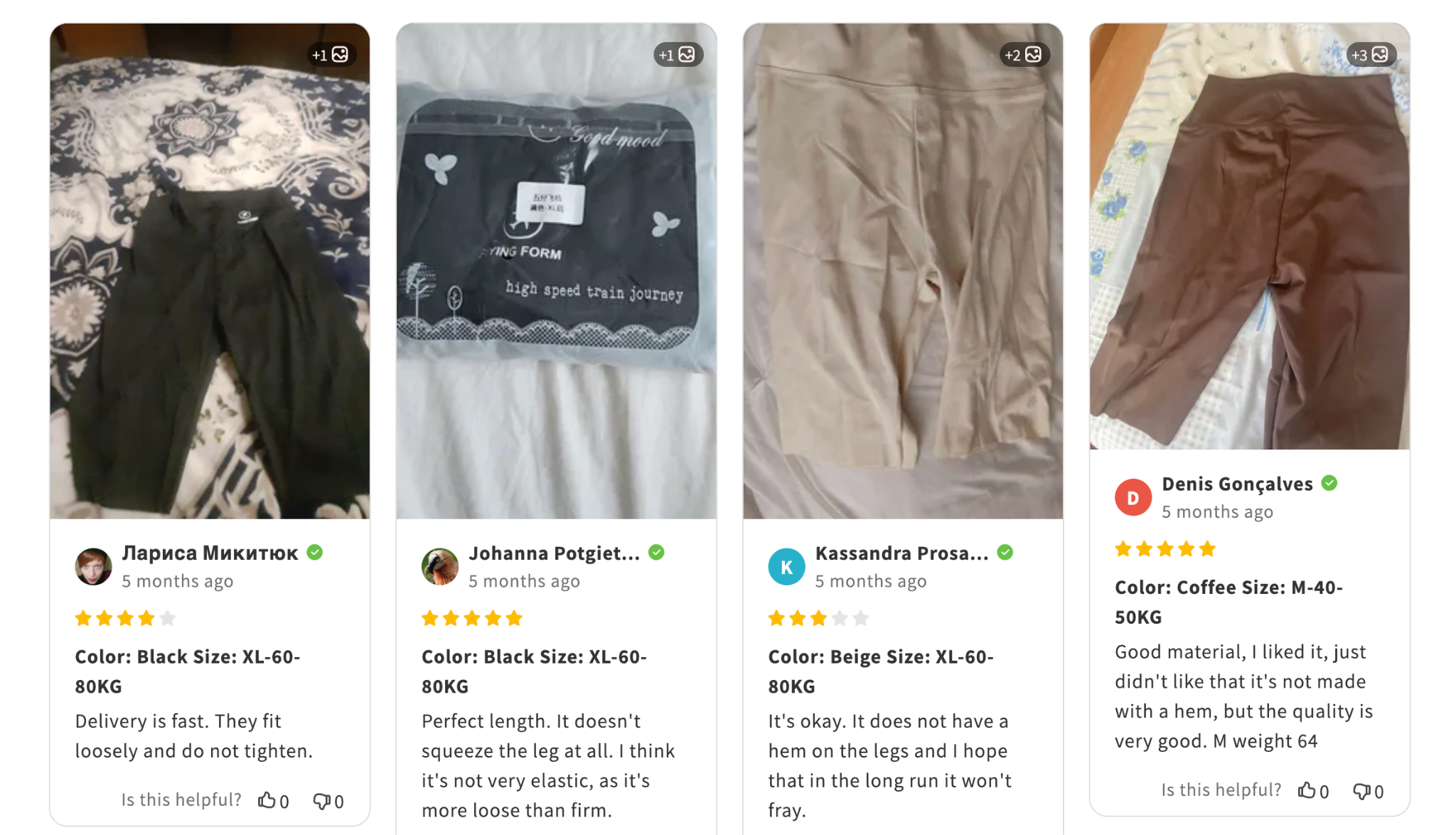
One of the simplest ways to make social proof feel authentic is to stop over-editing it. Real customers don’t write like copywriters, and that’s a good thing.
Authentic reviews often include:
A comment like “Took me a bit to figure out sizing, but once I did, it’s been great” feels far more trustworthy than a polished paragraph full of marketing buzzwords. These small imperfections signal honesty and help shoppers imagine their own experience more clearly.
When review tools allow customers to express themselves freely, rather than forcing structured, templated feedback, the result naturally feels more human.
Social proof is most effective when it appears at the exact moment a shopper is hesitating. Generic testimonials dumped on a homepage rarely move the needle on their own.
Different stages of the journey come with different doubts:
When social proof answers a specific concern, it feels helpful instead of pushy. It supports the decision the shopper is already leaning toward, rather than trying to force one.
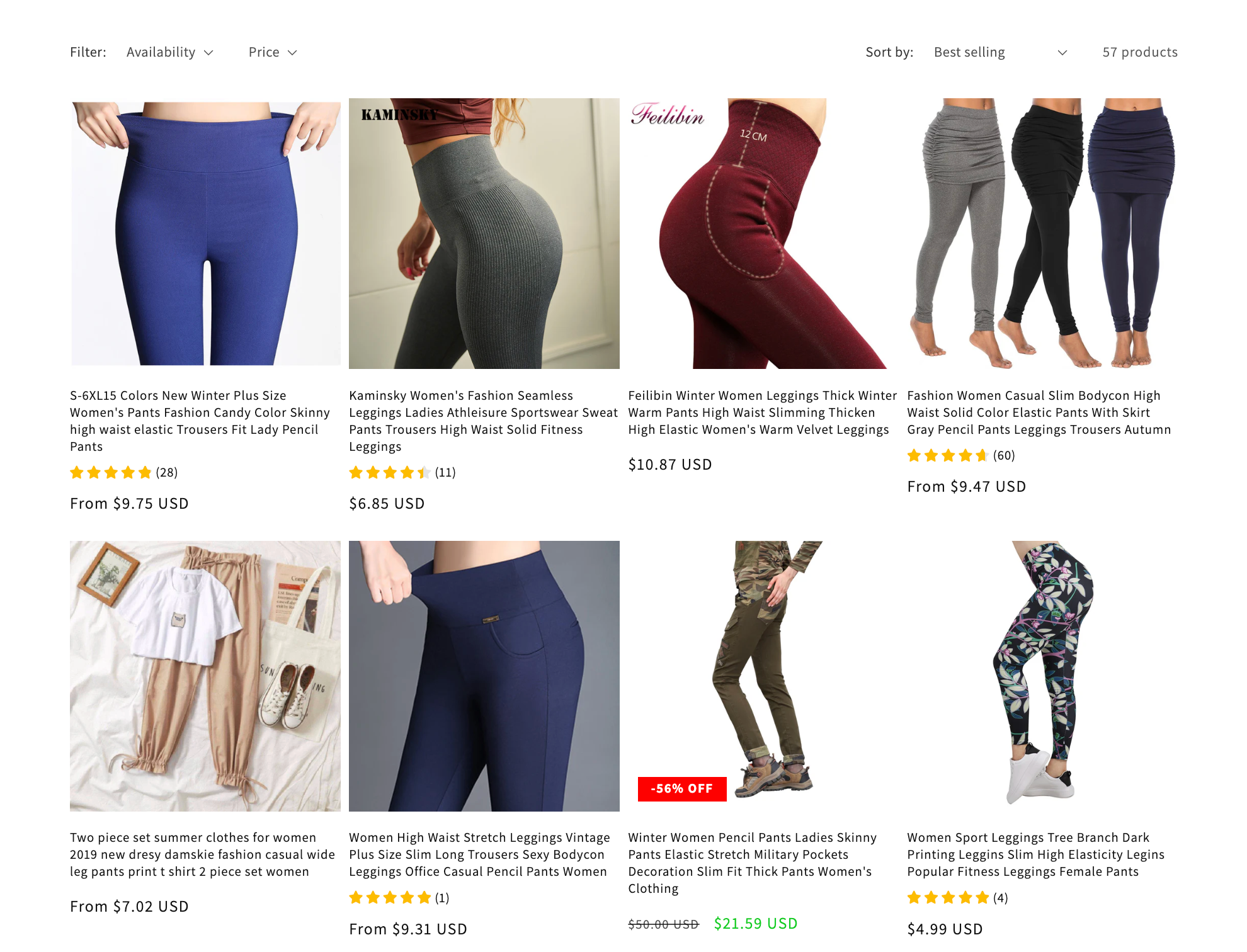
One of the fastest ways to lose trust is by exaggerating social proof too early. A brand-new store with thousands of reviews doesn’t look successful, but it looks suspicious.
Early-stage social proof can still be powerful if it feels honest:
Even a handful of genuine reviews can outperform a wall of questionable ones. What matters is consistency and realism, not scale.
Star ratings are helpful, but they rarely tell the full story. Visual proof, such as photos or short videos reviews from actual customers, adds a layer of trust that text alone can’t achieve.
User-generated visuals help shoppers:
These visuals don’t need to be polished. In fact, casual lighting, imperfect angles, and real-life settings make them more believable. When customers can see someone else using the product, the decision feels safer.
It’s tempting to put social proof everywhere, but too much of it can feel desperate. Popups, badges, counters, and testimonials competing for attention can overwhelm users rather than reassure them.
Effective social proof is:
When social proof is calm and well-placed, it sends an unspoken message: “We’re confident enough to let our customers speak for themselves.”
Transparency strengthens trust. Labels like “Verified purchase” or visible review dates help shoppers understand where feedback comes from and how recent it is.
When people don’t have to guess whether reviews are real, they’re far more likely to believe them. Clear context reduces skepticism without needing explanation, and makes your store feel more professional and credible.
The strongest social proof doesn’t feel like marketing at all. It feels like a shared experience. It grows gradually, reflects real feedback, and evolves alongside the brand.
When used this way, social proof does not only increase conversions, but it also builds long-term trust. And when shoppers trust you, they don’t just buy once. They come back.
That’s the difference between social proof that looks fake, and social proof that actually works.
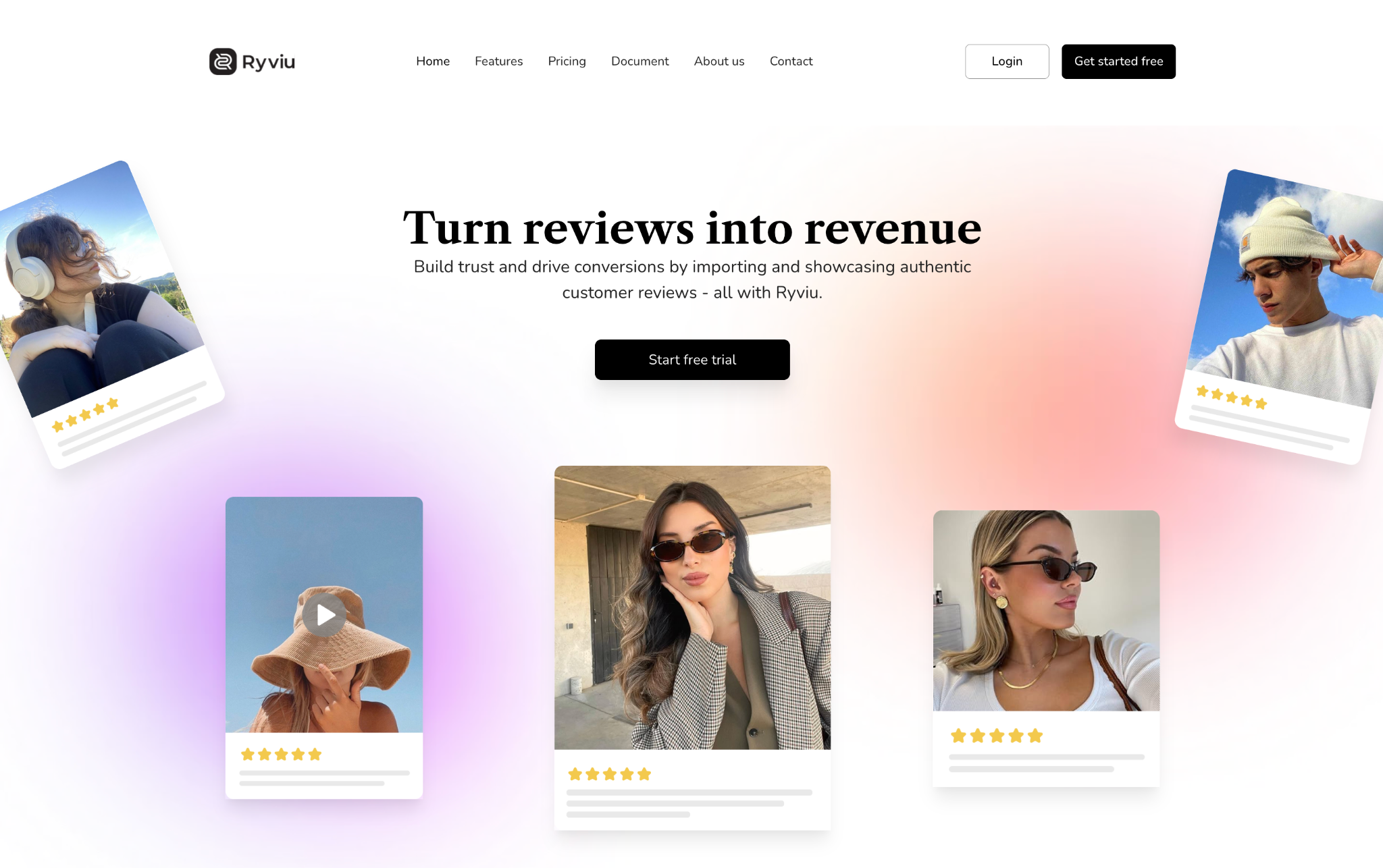
Social proof often feels fake not because reviews are fabricated, but because they are presented in ways that feel repetitive or overly polished. When every review looks identical or appears at the same time, shoppers naturally question its authenticity. What makes social proof believable is variation, context, and visible connection to real customer actions. A review system should support these signals rather than smooth them out.
This is where the way reviews are collected and displayed starts to matter more than the number of reviews themselves.
Using social proof effectively is not about creating the appearance of popularity. It is about helping shoppers feel confident that real people have already made the same decision they are considering. When reviews, photos, and testimonials reflect genuine experiences, they reduce uncertainty instead of raising suspicion.
The most convincing social proof is imperfect, contextual, and transparent. It sounds like real customers, appears where doubts naturally arise, and grows steadily over time. When brands focus on honesty rather than optimization shortcuts, social proof becomes a trust-building asset rather than a conversion trick.
Ultimately, social proof works best when it blends into the shopping experience instead of trying to stand out. When supported by thoughtful systems that respect authenticity and restraint, it quietly guides decisions and builds long-term confidence in your brand.