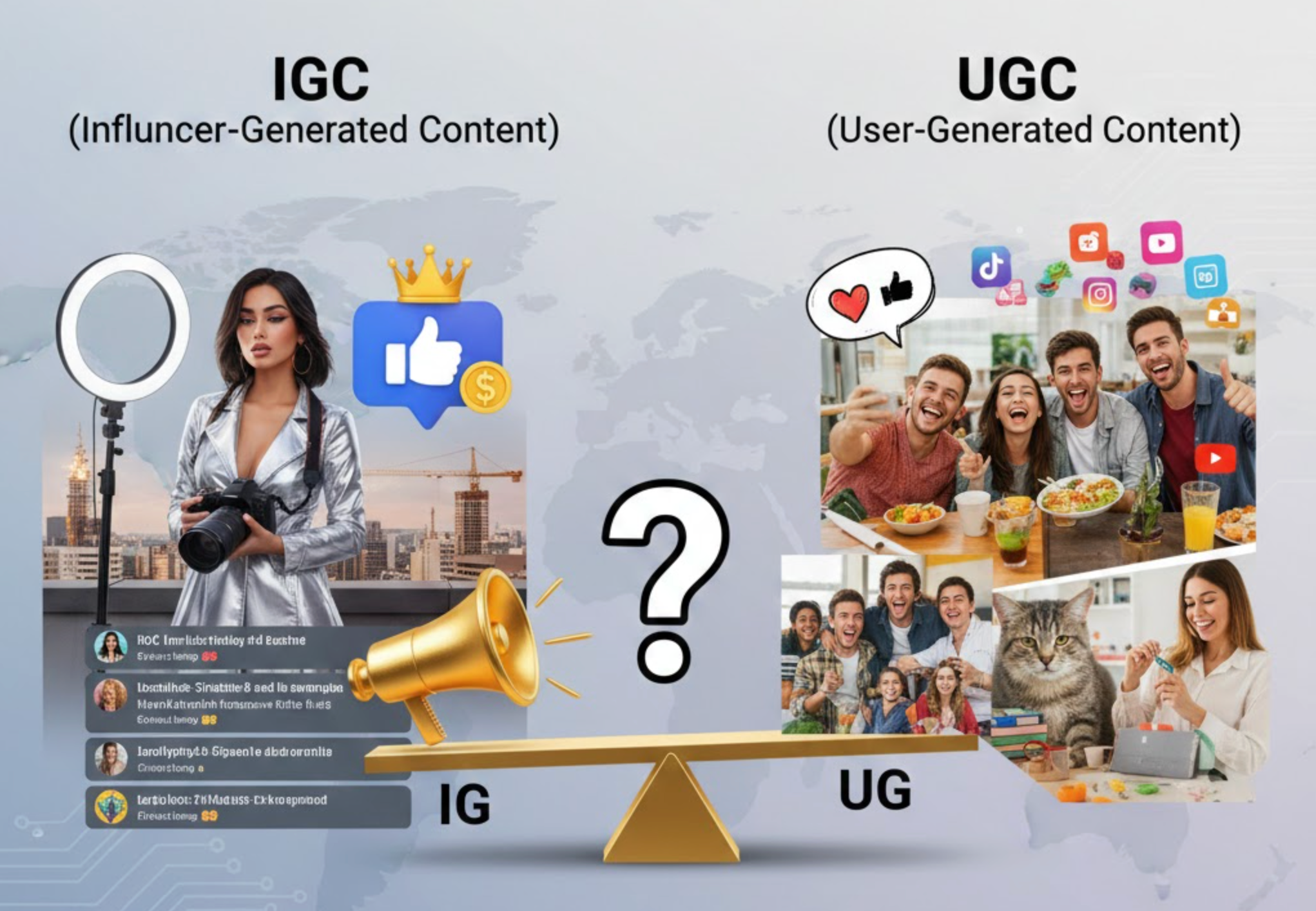
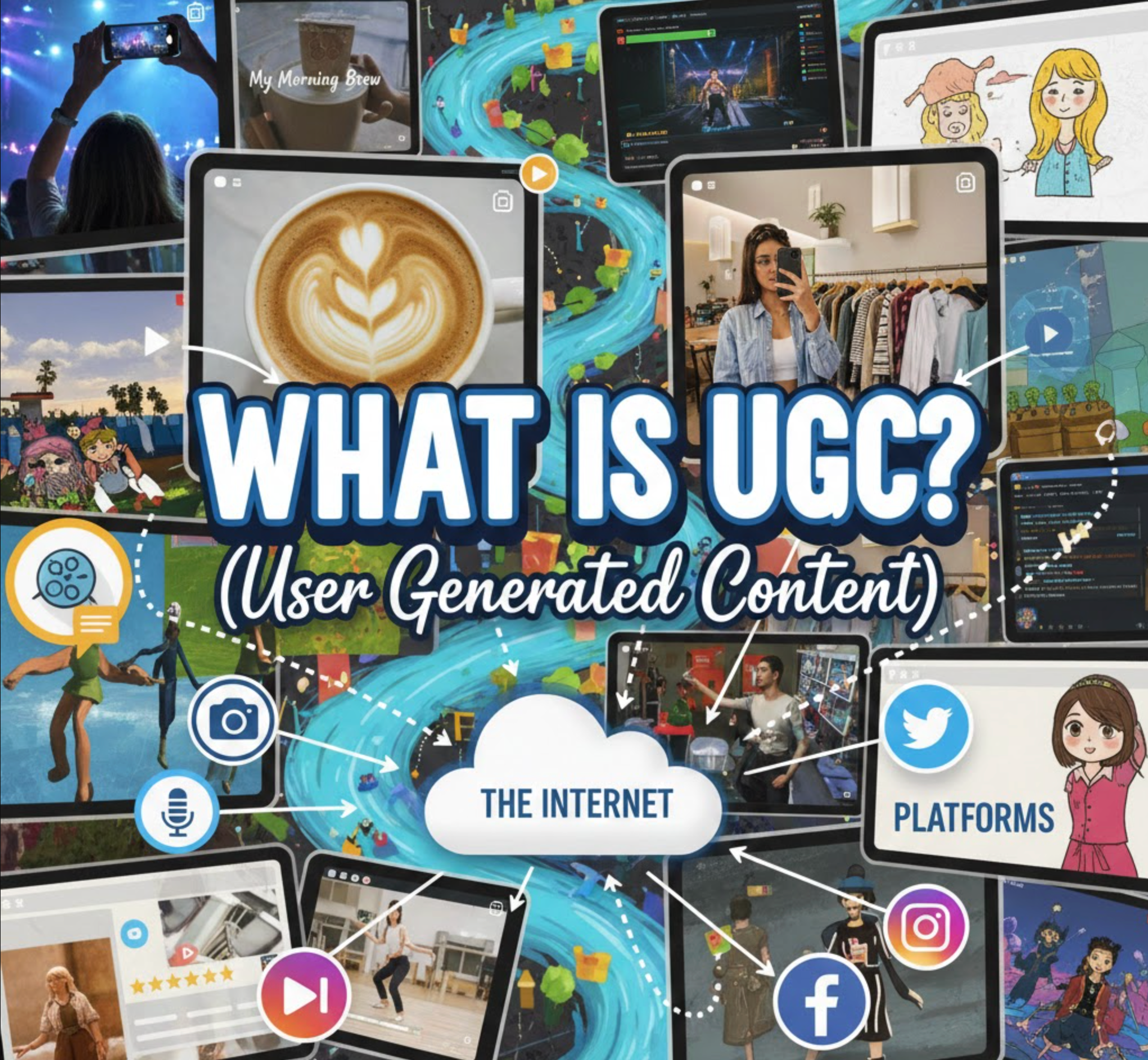
In the modern digital marketing landscape, brands are constantly searching for ways to create authentic, engaging content that resonates with their audience. Two of the most popular strategies are IGC (Influencer-Generated Content) and UGC (User-Generated Content). While both approaches leverage the power of real people creating content, they differ significantly in terms of source, reach, credibility, cost, and impact. Understanding these differences can help brands make informed decisions about which strategy, or combination of strategies, best supports their goals.
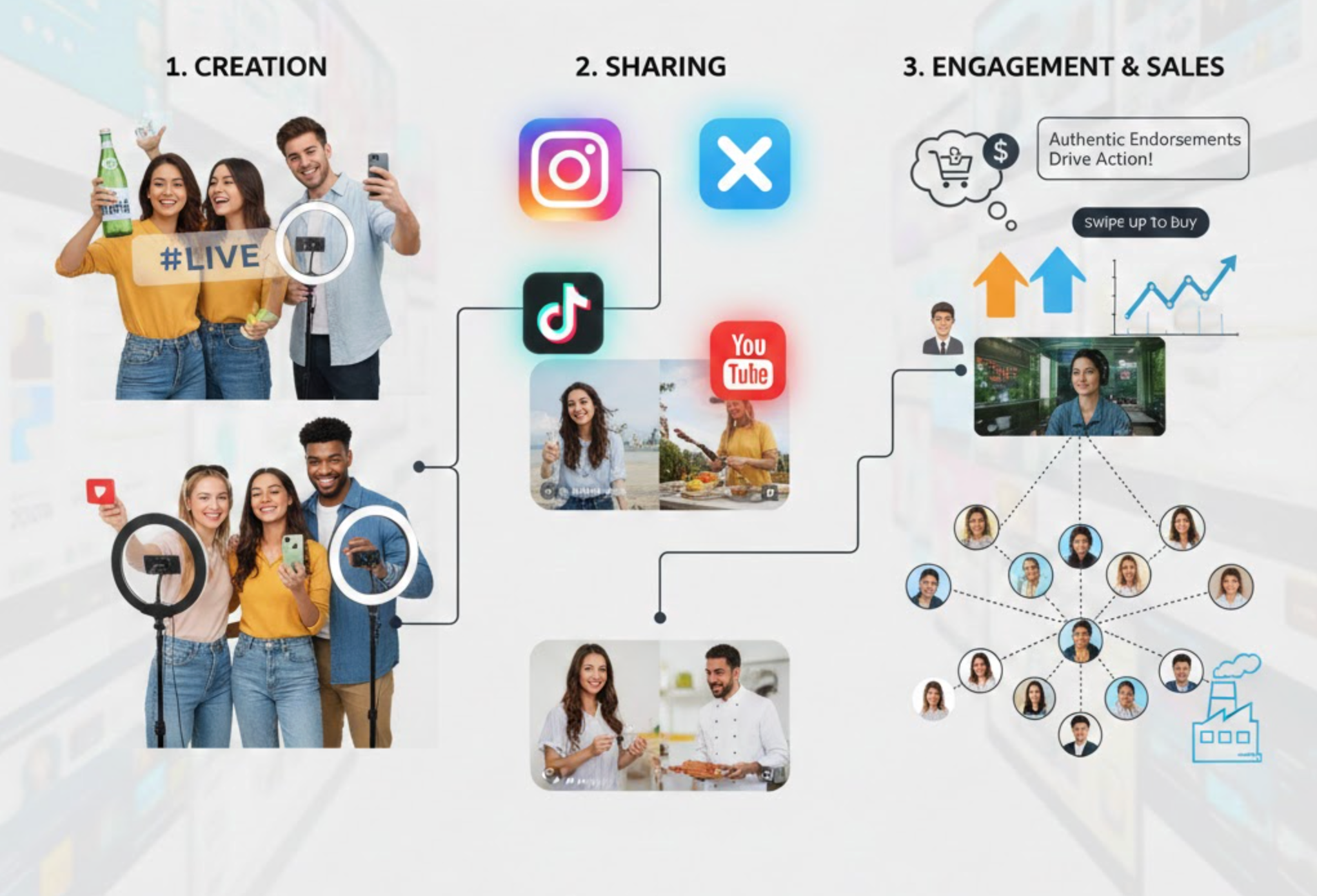
IGC vs. UGC: An Overview
What Is IGC (Influencer-Generated Content)?
Influencer-Generated Content (IGC) is any type of content created by influencers, bloggers, or industry experts on behalf of a brand. These creators often have a dedicated following that trusts their recommendations and expertise, making their content highly persuasive.
IGC can take various forms, including social media posts, video tutorials, blog articles, product reviews, or unboxing videos. Because influencers have a deep understanding of their audience, they can craft messages that feel both authentic and highly relevant.
Why it works:
Authority and credibility: Audiences tend to trust influencers because they are seen as experts or tastemakers in their niche.
Targeted reach: Influencers’ followers usually match your brand’s target demographics, making campaigns more effective.
Content quality: Influencers often have skills in photography, videography, and storytelling, creating professional-level content.
Examples:
A skincare influencer posts a step-by-step morning routine featuring your brand’s moisturizer, highlighting benefits and personal results.
A fitness trainer shares a video using your brand’s workout equipment in a home routine, explaining how it helps achieve results.
Tips to maximize IGC impact:
Choose relevant influencers: Ensure their audience aligns with your target demographic.
Allow creative freedom: The most authentic content comes when influencers are not overly restricted by brand guidelines.
Measure ROI: Track engagement, conversions, and audience growth to determine the campaign’s effectiveness.
What Is UGC (User-Generated Content)?
User-Generated Content (UGC) is content created voluntarily by your customers, fans, or community members. Unlike IGC, which is often paid, UGC is typically organic and reflects real users’ experiences with your brand. This can include social media posts, customer photos, video reviews, testimonials, or blog posts.
UGC works because it offers social proof, potential customers see people like them enjoying your product, which builds trust and confidence. UGC often feels more authentic than branded content, which can resonate more strongly with audiences seeking honest recommendations.
Why it works:
Authenticity: Customers are more likely to trust other customers than polished marketing campaigns.
Engagement: UGC encourages community participation and can lead to more shares and organic reach.
Cost-effectiveness: UGC is usually free and can be repurposed across multiple marketing channels.
Examples:
Customers post photos on Instagram showing how they style your clothing or use your products in daily life.
A customer records an honest video review explaining why they love your product and how it solved their problem.
Tips to maximize UGC impact:
Encourage sharing: Use hashtags, contests, or incentives to motivate customers to share content.
Showcase content: Feature UGC on your website, product pages, emails, and social media to reinforce authenticity.
Give credit: Tag or mention the original creator to build goodwill and encourage further participation.
IGC vs. UGC: Key Differences (Detailed)
Understanding the distinctions between IGC and UGC is essential for building a content strategy that leverages both effectively. Below is a detailed breakdown of each key aspect:
1. Creator
IGC: Created by influencers or industry experts who are skilled in content creation and have a dedicated following. These individuals are paid or incentivized to produce content aligned with your brand messaging.
UGC: Created by everyday customers or community members who voluntarily share their experiences. UGC reflects authentic interactions with your product but is often less polished.
2. Reach
IGC: Typically has a larger, targeted reach because influencers already have a pre-established audience. Campaigns can rapidly increase brand visibility and awareness.
UGC: Generally reaches smaller, organic networks, mainly friends, followers, or peers of the original poster. While smaller in scale, this reach often carries higher trust.
3. Cost
IGC: Usually involves monetary investment, whether through payment for content creation, free products, or affiliate partnerships. Costs can vary based on the influencer’s following and niche.
UGC: Often free, as content is voluntarily shared by customers. Brands may offer incentives like contests or discounts, but overall cost is lower.
4. Trust Level
IGC: Highly trusted within the influencer’s audience because followers value their expertise and recommendations. Trust is tied to the influencer’s reputation.
UGC: Extremely high trust, as people tend to believe real customer experiences more than any paid promotion. UGC can feel more relatable because it comes from “people like me.”
5. Content Quality
IGC: Professional and polished. Influencers often have strong visual and storytelling skills, making content aesthetically appealing and highly engaging.
UGC: Less polished but highly authentic. The raw, unedited nature of UGC makes it relatable and trustworthy, even if it lacks professional production quality.
6. Content Control
IGC: Moderate control. Brands can guide messaging, but too much restriction can make content feel inauthentic. Finding a balance is key.
UGC: Low control. Brands cannot dictate what customers post. The authenticity comes from allowing customers to share their genuine experiences without interference.
Which Strategy Should You Choose?
Both IGC and UGC offer unique benefits, and the most effective approach often combines them for maximum impact.
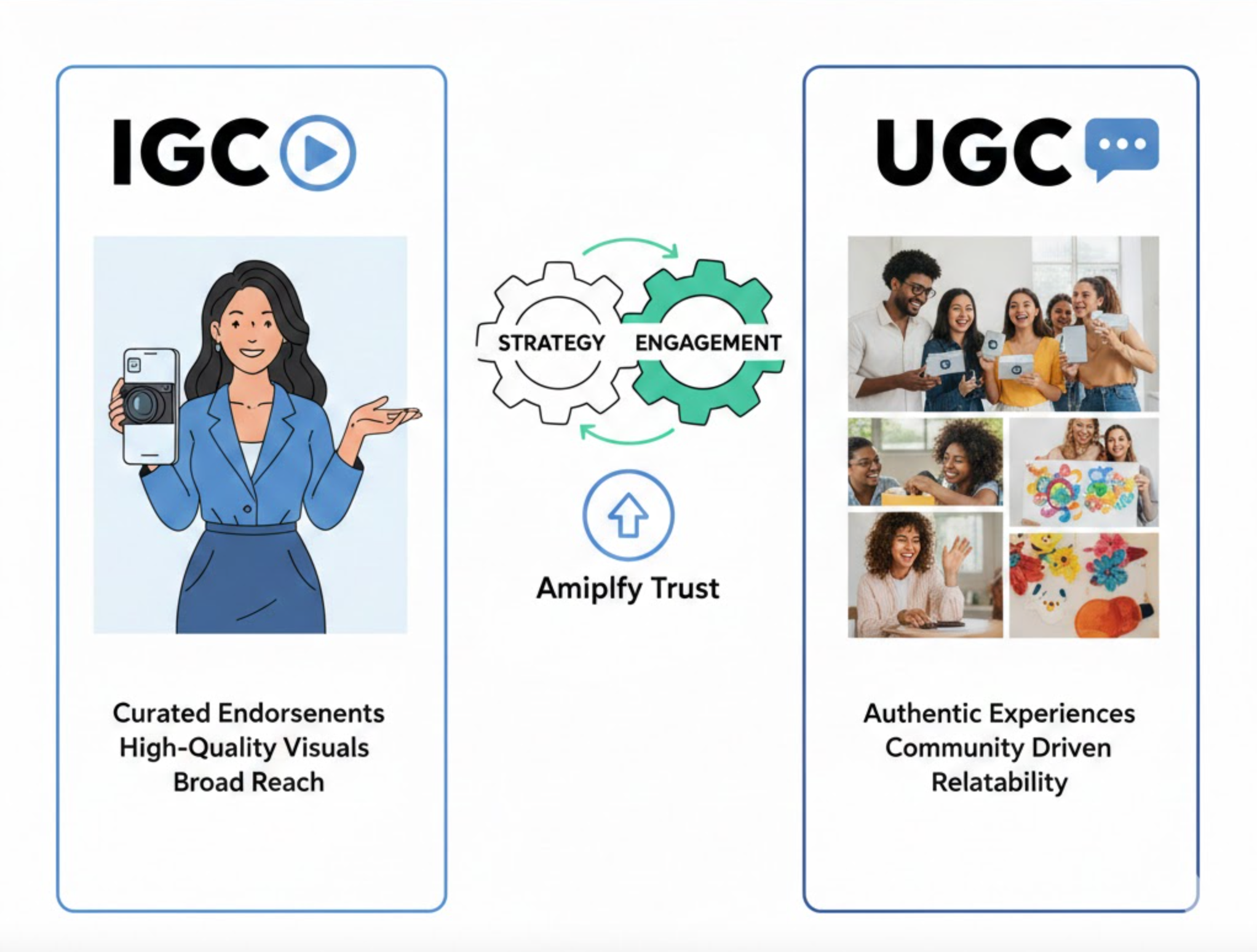
IGC to create awareness: Influencers can introduce your product to a larger, highly targeted audience while lending credibility and authority. Their followers trust their recommendations, which helps your brand gain visibility and attract potential customers quickly.
UGC to build trust: Customers amplify authenticity by sharing real-life experiences, reviews, and photos that provide social proof. This content feels relatable and genuine, helping potential buyers feel confident in their decision to choose your product.
By blending both strategies, brands can maximize reach, engagement, and conversions while fostering a loyal community. Combining influencer reach with authentic customer experiences creates a powerful marketing ecosystem where awareness leads to trust, and trust drives long-term loyalty and stronger brand connections.
How to Combine IGC and UGC Effectively?
Combining influencer-generated content (IGC) and user-generated content (UGC) allows brands to tap into both authority and authenticity. Influencers can introduce your products to a wider, highly targeted audience, while customers provide social proof that builds trust and relatability. Together, these two types of content create a dynamic content loop that drives engagement, strengthens your brand image, and ultimately increases conversions.
To make the most of this strategy, follow these actionable steps:
Start with influencers: Partner with credible influencers who align with your target audience to generate high-quality, persuasive content. Influencers bring authority and storytelling skills that make your product more appealing, and multi-format content, such as videos, tutorials, and social media posts, can be repurposed across multiple channels.
Encourage UGC: Inspire your audience to create content inspired by influencer campaigns. Use branded hashtags, contests, or creative prompts to make participation easy and engaging. To make this process more easy, you can use Ryviu which can simplify the collection and display of UGC, including reviews, photos, and videos, helping you showcase authentic experiences on your website and social media.
Repurpose content: Maximize the impact of both IGC and UGC by sharing them strategically across social media, email campaigns, and product pages. Highlighting influencer content alongside authentic customer posts reinforces credibility and encourages more engagement.
Track and optimize: Monitor metrics such as engagement, conversions, and audience growth to understand what works best. Analyze top-performing content and influencers, and continuously refine your strategy to improve ROI while keeping your content authentic and impactful.
Conclusion
Choosing between IGC and UGC doesn’t have to be an either/or decision. IGC provides reach and credibility, while UGC delivers authenticity and social proof. By combining these strategies thoughtfully, brands can boost engagement, conversions, and loyalty in a way that neither approach could achieve alone. In the evolving world of digital marketing, leveraging both gives your brand the best chance to thrive.