New to Shopify? Free trial, then $1/month for your first 3 months. Start free trial →
 Where is your store?
Ryviu works with both – pick yours to continue.








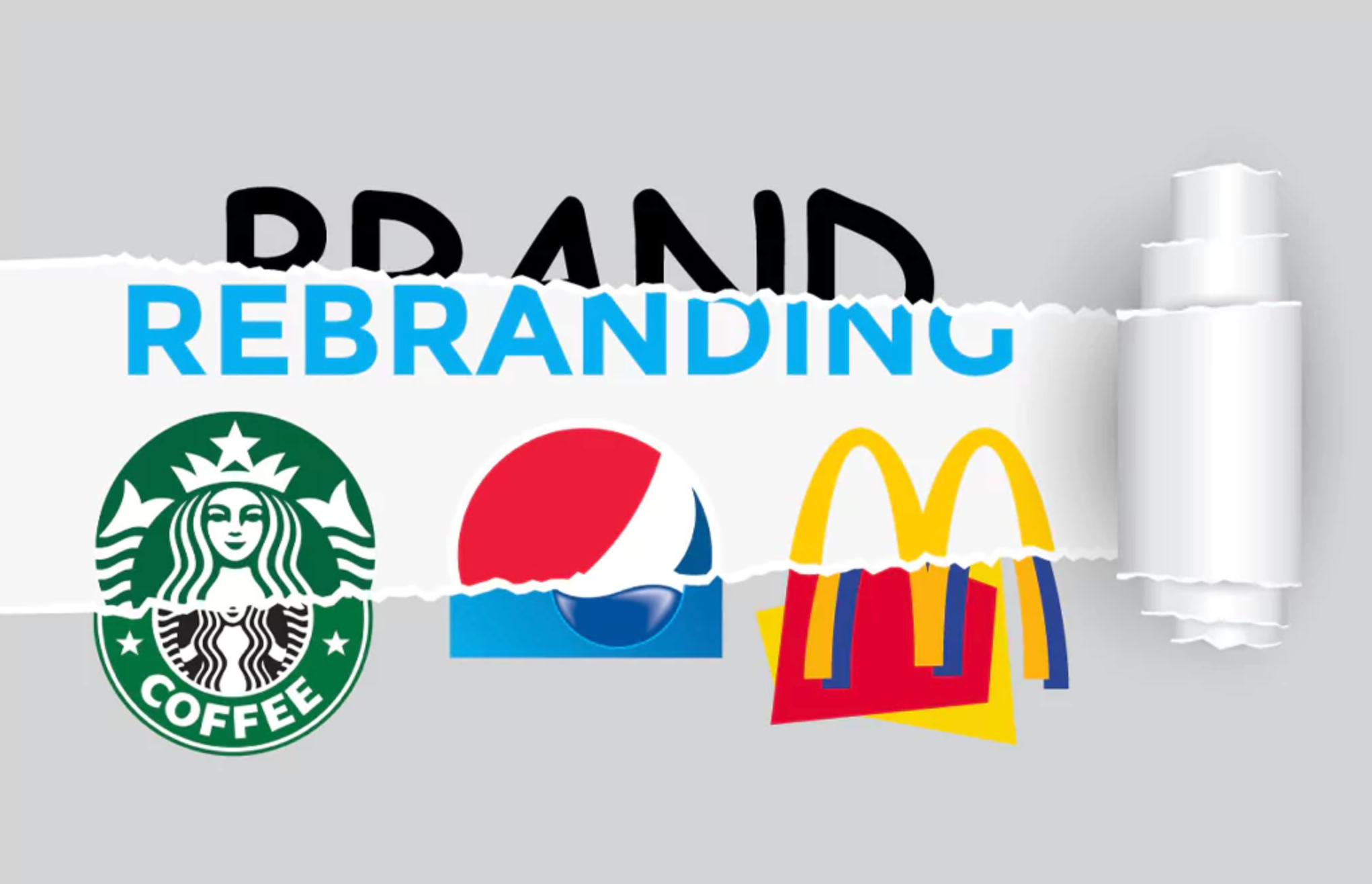
A logo is more than a graphic mark. It is the face of your brand, the first impression customers remember, and a powerful storytelling tool. But even the strongest logos eventually need a refresh as markets evolve, customer expectations shift, and brands outgrow their old identities. Logo rebranding can strengthen your positioning, modernize your presence, and reconnect you with your audience, but only when done strategically.
This guide explains when you should consider rebranding your logo and how to execute the process smoothly without confusing customers or weakening brand recognition.
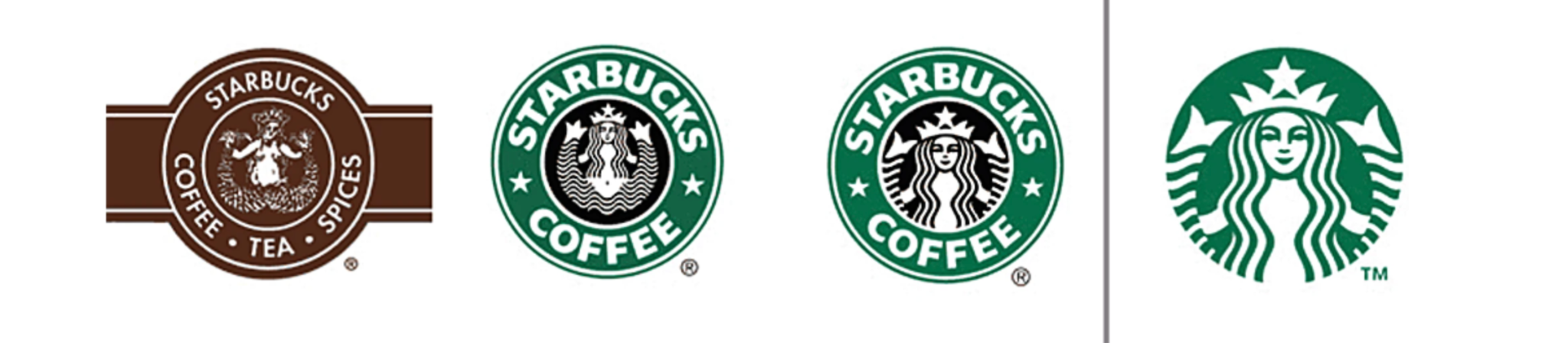
Logo rebranding is the process of updating, redesigning, or completely replacing an existing logo to better align with your current brand identity, audience, or business direction. It goes beyond just changing visuals, effective rebranding communicates a renewed purpose, personality, and market positioning.
This may involve:
Many brands eventually find that their logo no longer matches modern design expectations. As trends shift, older styles can unintentionally make your brand feel less current and less competitive. Customers may even assume your products or services haven’t kept up.
To guide your decision, look for signs like:
As your company grows, your original logo may no longer reflect who you are now. Changes in products, audience, or mission can create a mismatch between your identity and your visuals. This gap weakens brand recognition and clarity.
Consider rebranding if you notice:
Digital platforms demand logos that scale cleanly and stay clear across sizes. Many older logos weren’t built for mobile screens, social icons, or dark-mode interfaces. If your logo looks distorted online, it harms your brand credibility.
Here are some common digital issues you may get:
If your competitors have refreshed their identities, your brand may appear older by comparison. A dated logo can make you seem less innovative even if your products are excellent. Updating your visual identity helps maintain competitive relevance.
Evaluate your position by checking for:
When major changes happen inside your company, your logo must reflect the transition. A new mission, merger, or market expansion often requires a visual identity that communicates growth. Updating your logo signals this shift clearly to customers.
Key shifts that justify rebranding include:
A strong logo needs to work consistently across all formats and sizes. If your current one loses clarity or becomes awkward in certain placements, it may be limiting your branding. Flexible logos create smoother, more consistent brand experiences.
Below are the signs of limited flexibility include:
A successful rebrand begins with a solid understanding of why the change is necessary. Without clarity, the redesign risks becoming directionless or inconsistent with your brand identity. Defining the purpose ensures the outcome stays meaningful and strategic.
To keep your goals aligned, think through the following:
Insight-driven rebranding leads to smarter, more effective design decisions. By understanding your audience, competitors, and industry, you create a visual identity that resonates and differentiates. Research gives clarity on design direction, tone, and style.
To gather insights effectively, evaluate:
Your logo is simply one expression of your brand, not the whole identity. That means you need a strong foundation of values, personality, and messaging before creating the visuals. Refining identity ensures your new logo aligns with who you truly are.
To strengthen this foundation, define:
Not all logo changes require a complete overhaul. Some brands benefit more from a refresh, while others need a full reconstruction of their visual identity. Choosing the right approach helps avoid unnecessary disruption and retains customer familiarity where possible.
The three main approaches include:
Modern branding requires a full logo ecosystem rather than a single, static design. Your logo must adjust to various sizes, placements, and backgrounds while maintaining consistency. This ensures your identity looks strong across every touchpoint.
A complete logo system should include:
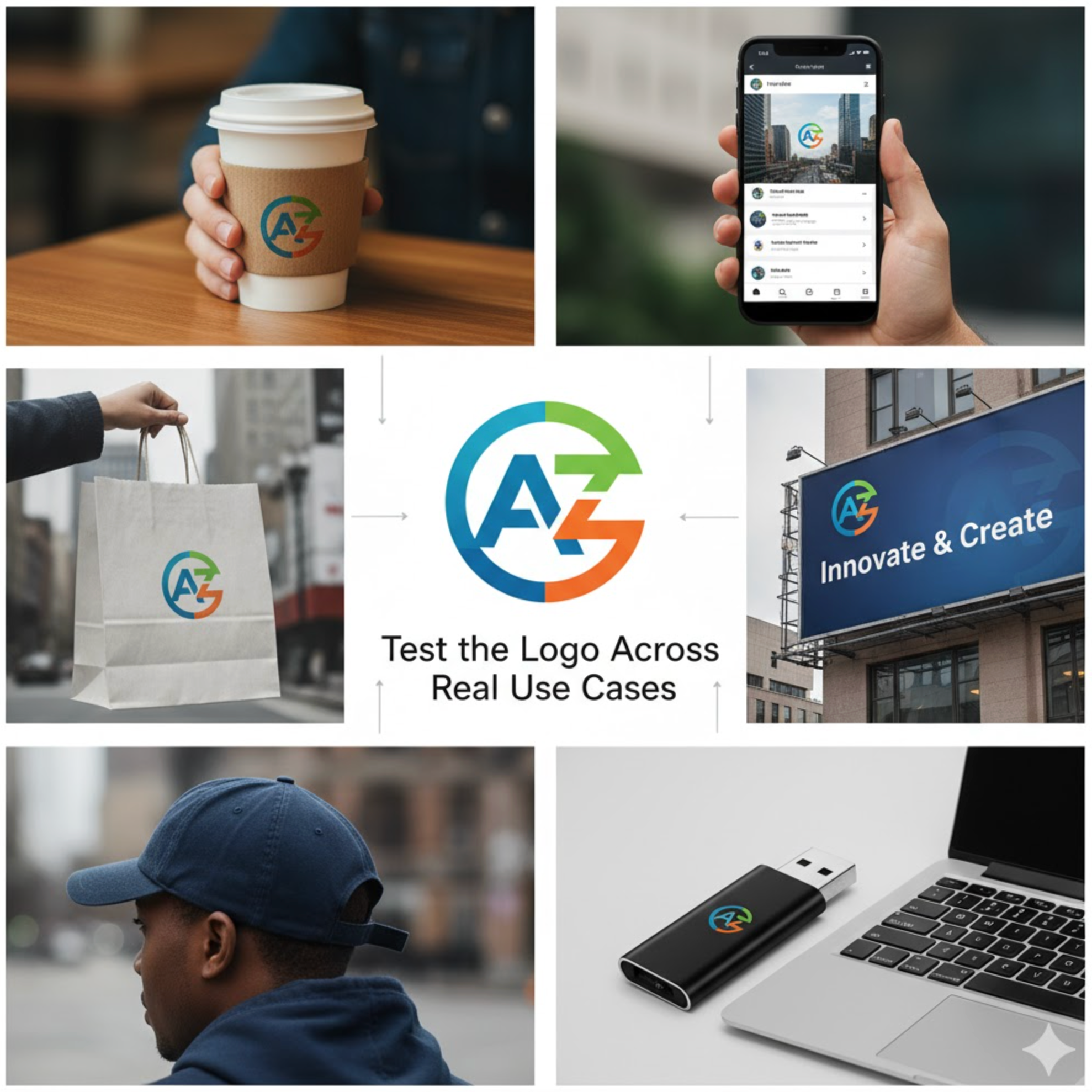
Testing ensures your logo works well in the real world and not just in a design tool. A redesign may look perfect on-screen but fail when applied to packaging, mobile apps, or signage. This step prevents costly mistakes after launch.
To evaluate performance effectively, test your logo on:
Feedback provides a valuable perspective on how people perceive your new identity. By listening to customers, employees, and design professionals, you refine your logo into its strongest version. Iteration helps you avoid blind spots and improve clarity.
For structured feedback, you should gather input from:
Brand guidelines ensure everyone uses your new logo correctly and consistently. Without clear rules, inconsistencies quickly weaken your brand identity. Strong documentation leads to cohesive branding across all platforms.
Your guidelines should include:
A thoughtful launch helps customers understand and embrace your new identity. Revealing the logo intentionally creates excitement and eliminates confusion. Storytelling plays a key role in helping audiences connect emotionally with the change.
For a strong rollout, consider:
Rebranding a logo can transform your brand, but mistakes during the process can weaken recognition and confuse your audience. Avoiding common pitfalls ensures that your redesign strengthens your identity rather than undermining it. Here are key mistakes to watch for and how to avoid them.
Redesigning a logo simply because it “feels old” or because your team is bored can be a costly mistake. A logo is a cornerstone of brand recognition, and unnecessary changes risk losing the equity you’ve built over time. Every update should have a clear strategic reason tied to your brand evolution, market needs, or audience expectations.
Tips to avoid this mistake:
Suddenly replacing your logo with a completely new design without communicating the reason can confuse customers and erode trust. A logo carries emotional value, and abrupt changes may make your audience feel disconnected from the brand they know. Transparency and storytelling help customers understand the “why” behind the update.
Tips to avoid this mistake:
If your logo has strong equity, completely discarding recognizable elements like color, shapes, or icons can weaken your brand. Customers often form lasting associations with certain visual cues, and removing them can disrupt recognition and loyalty. Maintaining a balance between refresh and familiarity ensures a smoother transition.
Follow the tips below to avoid this mistake:
A logo that looks great on a design file may fail in practical usage across devices, sizes, and media. Without testing, your logo may appear distorted, unreadable, or unprofessional in real-world applications. Testing ensures your redesign performs as intended wherever it appears.
Tips to avoid this mistake:
Logo rebranding is one of the most impactful ways to signal growth, modernity, and renewed energy to your audience, but it must be done thoughtfully. A well-planned redesign strengthens your brand identity, maintains or enhances recognition, and communicates evolution clearly. When executed strategically, it not only refreshes your visual presence but also reinforces your position in the market, builds trust with your audience, and inspires confidence in your products or services.