New to Shopify? Free trial, then $1/month for your first 3 months. Start free trial →
 Where is your store?
Ryviu works with both – pick yours to continue.








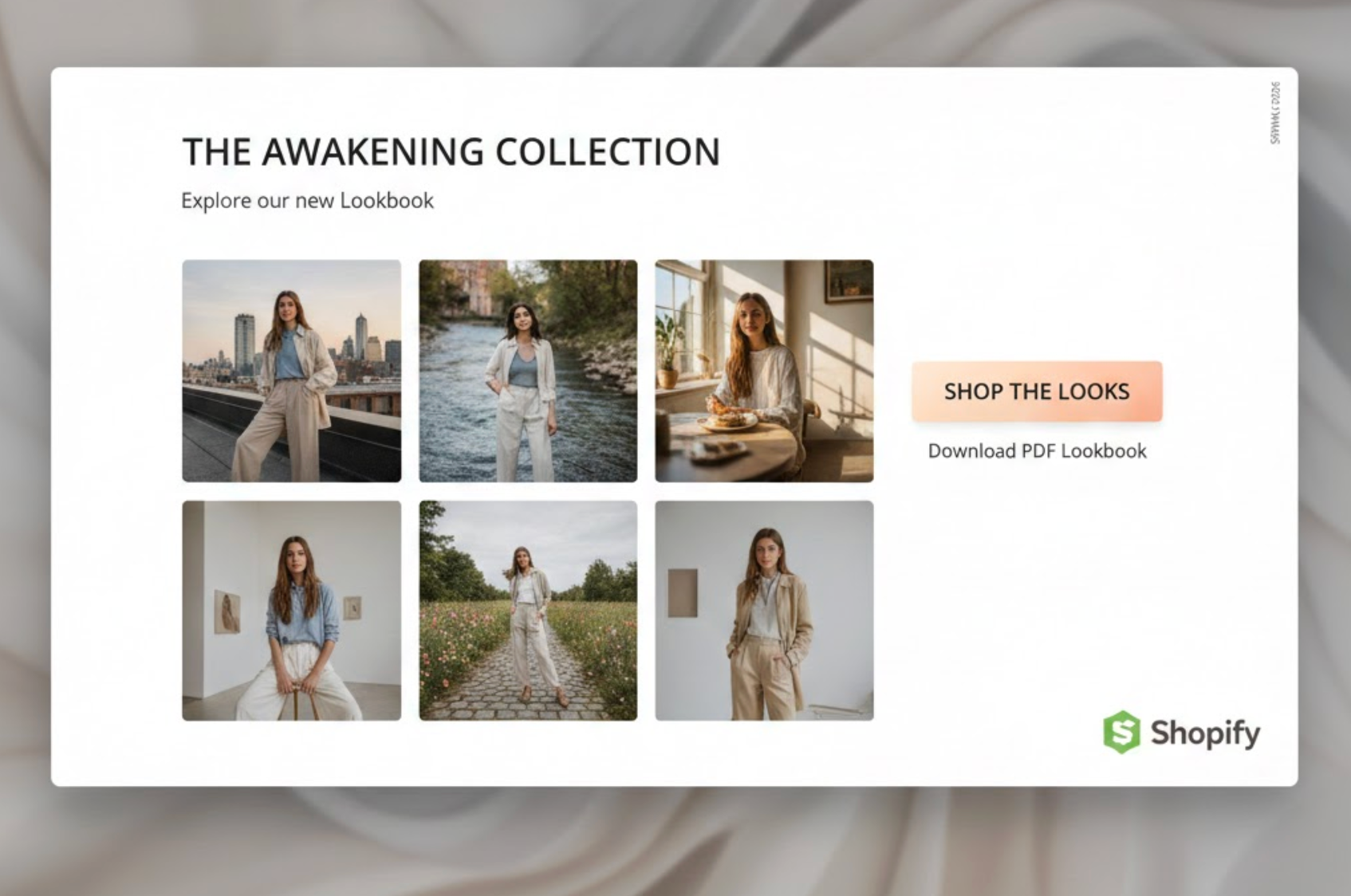
As eCommerce continues to evolve, shoppers expect more than static product listings and basic descriptions. They want ideas, inspiration, and visual guidance that help them understand how products fit into their lifestyle. Lookbook marketing meets this expectation by transforming product discovery into a curated, story-driven experience.
Rather than presenting items in isolation, lookbooks showcase complete looks that feel intentional and aspirational. This approach shifts the focus from simply selling products to helping customers imagine possibilities, an essential advantage in a crowded online marketplace.
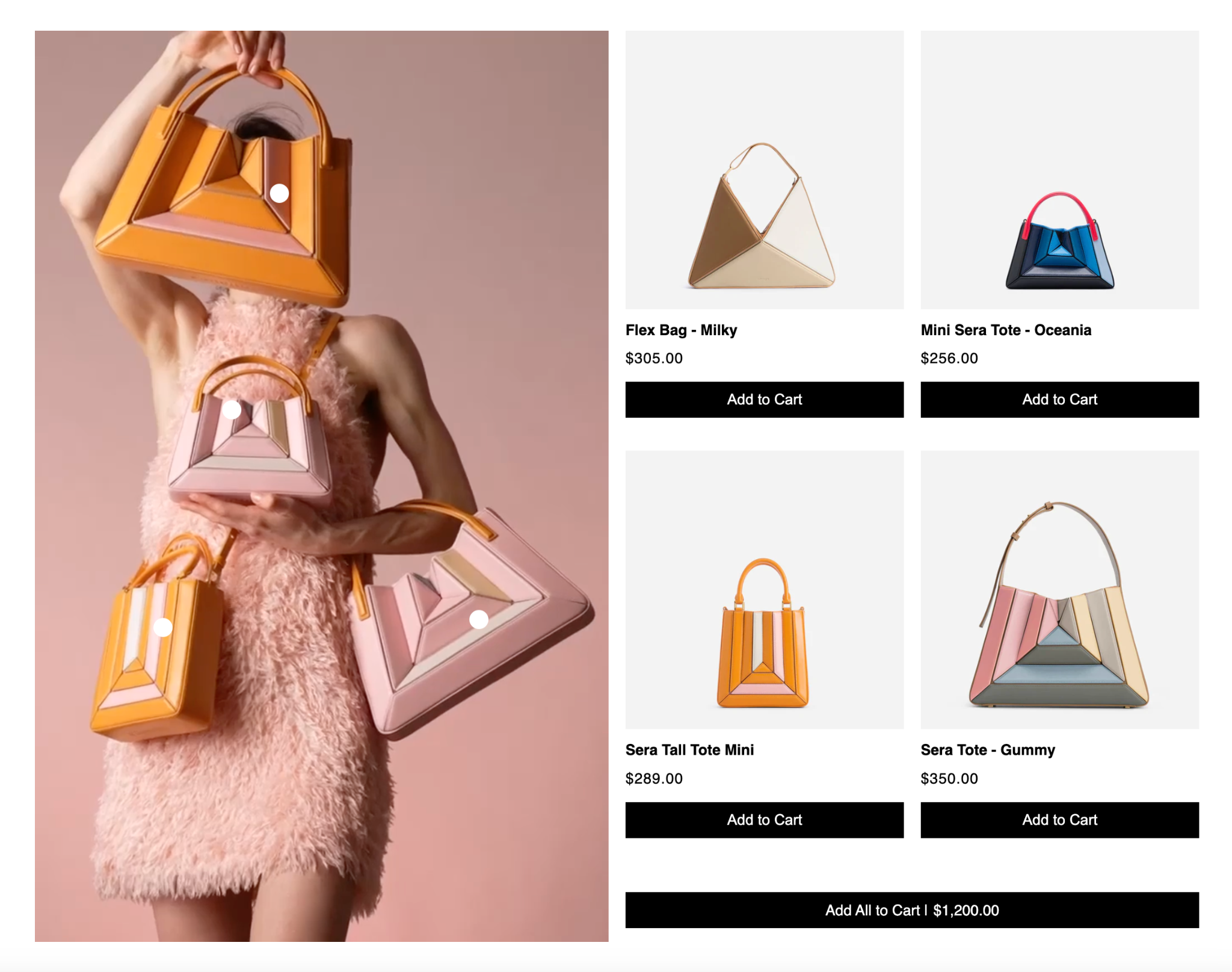
At its core, lookbook marketing uses curated visuals to show how multiple products come together within a single, cohesive concept.
Instead of displaying products one by one, lookbooks group complementary items within a shared theme or real-life context. This visual guidance removes guesswork for shoppers and makes purchasing decisions feel easier and more confident. As eCommerce technology has advanced, lookbooks have evolved into interactive experiences that connect inspiration directly to action.
You’ll usually see lookbook marketing expressed through:
Together, these elements help turn casual browsing into a guided shopping journey.
Rather than pushing customers toward a purchase, lookbook marketing subtly influences decisions by shaping how products are perceived and understood.
When shoppers see complete looks, they no longer need to imagine how items fit together—the work has already been done for them. This reduces hesitation while aspirational visuals make products feel more relevant and desirable. Over time, this approach also builds trust by positioning the brand as a helpful guide rather than a salesperson.
Lookbook marketing is effective because it:
These advantages naturally lead customers to spend more time exploring.
A well-designed lookbook feels effortless to browse, even though many details are carefully planned behind the scenes.
Strong visuals may attract attention first, but usability determines whether shoppers stay engaged. When presentation and functionality work together, customers can focus on inspiration instead of navigation.
Most high-performing lookbooks share a few essential characteristics:
These components ensure the lookbook feels polished rather than overwhelming.
From a strategic standpoint, lookbook marketing follows a clear flow that gently moves shoppers from interest to action.
Brands begin by selecting products that complement each other and support a specific goal, such as promoting a seasonal collection or increasing average order value. Visual presentation then captures attention, while interactive elements guide shoppers toward product details without disrupting the browsing experience.
Many eCommerce brands use dedicated lookbook tools to streamline this process. For example, Lookfy allows merchants to create shoppable lookbooks by tagging products directly within images, making it easier for customers to explore complete looks and add items to their cart without friction.
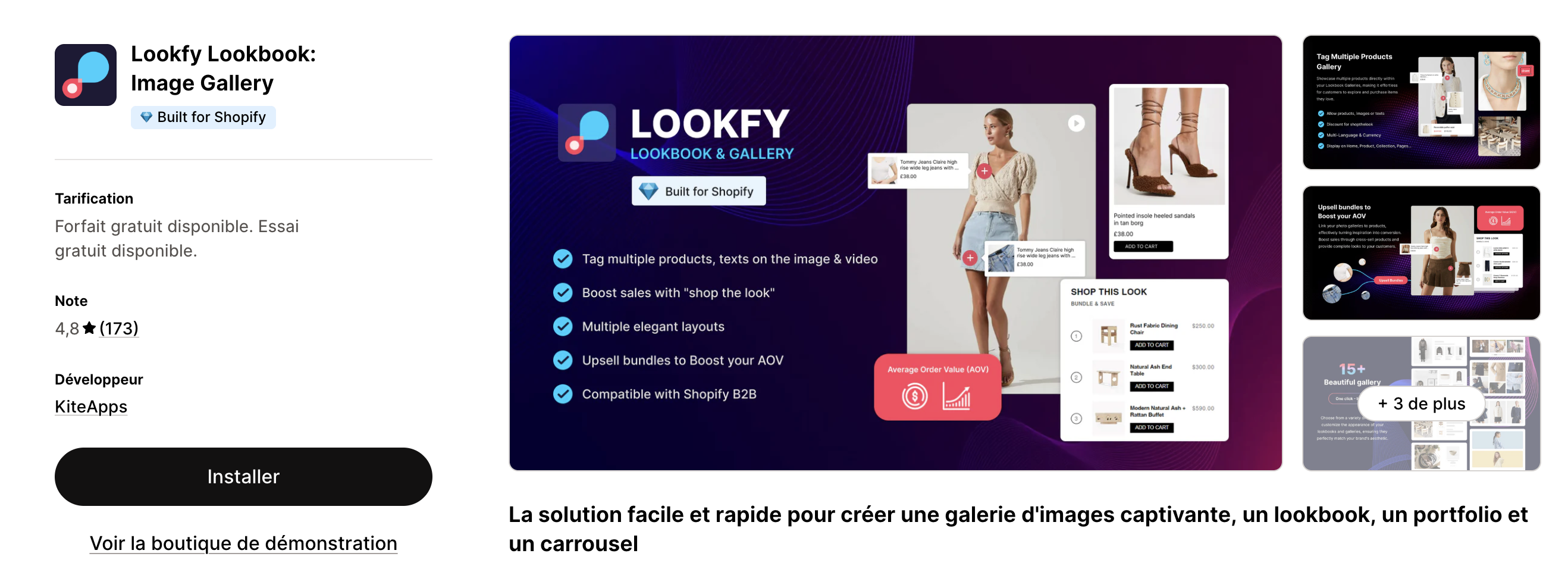
In most cases, the lookbook process includes:
This structure keeps the journey intuitive while minimizing friction.
When used intentionally, lookbook marketing supports both customer experience and revenue growth.
By visually grouping products, lookbooks encourage shoppers to think in terms of complete solutions rather than individual items. At the same time, the guided experience increases confidence, which plays a key role in conversion.
eCommerce brands often see benefits such as:
These outcomes make lookbooks a valuable long-term investment.
Although lookbooks originated in fashion, their structure makes them effective wherever visual context matters.
Any industry that sells products meant to be combined, styled, or used together can benefit from this approach.
Lookbook marketing is especially effective for:
In each case, lookbooks help customers visualize results, not just features.
To keep lookbooks engaging and effective, brands need to balance creativity with clarity.
Overly complex or cluttered lookbooks can confuse shoppers, while well-structured ones feel helpful and inspiring. Following practical best practices helps maintain that balance.
Successful lookbook strategies often involve:
These practices help ensure lookbooks remain relevant over time.
Lookbook marketing combines visual inspiration with practical shopping functionality, making it a powerful tool for modern eCommerce brands. By presenting products in curated, lifestyle-focused collections, brands help customers visualize value and make confident decisions.
More importantly, lookbooks transform passive browsing into an engaging journey. They simplify choices, strengthen brand identity, and naturally drive higher conversions.
In a competitive eCommerce landscape, lookbook marketing stands out not by selling harder—but by guiding better.