New to Shopify? Free trial, then $1/month for your first 3 months. Start free trial →
 Where is your store?
Ryviu works with both – pick yours to continue.








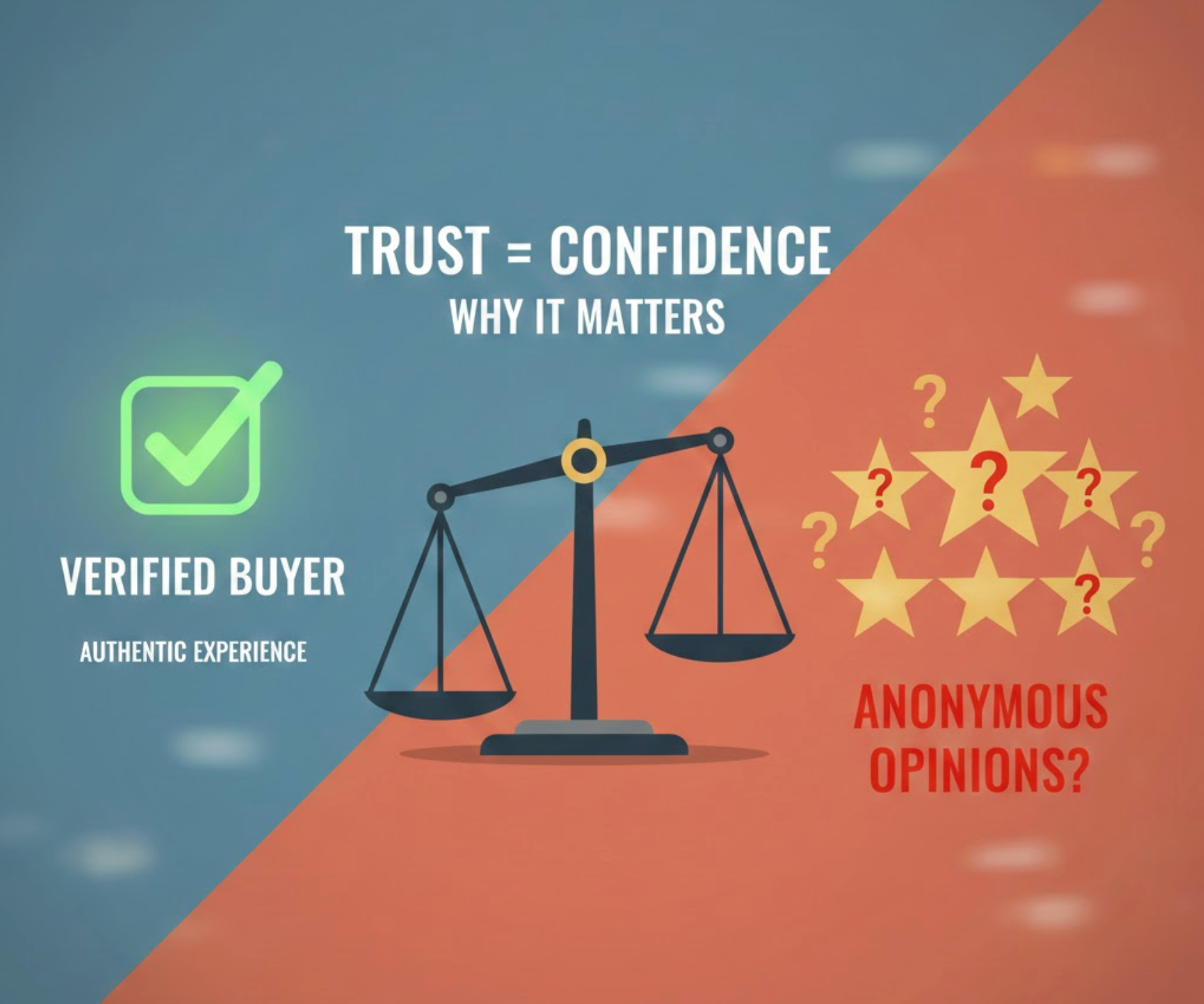
Star ratings have long been the fastest way for shoppers to judge products. A high average score creates a quick impression of quality and helps customers compare items efficiently. However, as ecommerce matures, buyers are becoming more cautious. Many now question whether ratings truly reflect genuine experiences or simply marketing influence.
This growing skepticism has shifted attention toward authenticity signals, especially verified buyer labels. Instead of only showing how satisfied people seem to be, verified badges confirm that feedback comes from real customers who completed actual purchases. As trust becomes a key driver of conversion, brands must go beyond numbers and provide stronger proof of credibility.
To understand why verified labels are gaining influence, it’s helpful to first look at the limitations of traditional star ratings.
Star ratings summarize complex experiences into a single number. While useful for quick scanning, they rarely explain why customers liked or disliked a product.
Fake or incentivized reviews have reduced confidence in rating systems. Even when platforms monitor reviews, customers remain aware that scores can be artificially inflated.
Many products receive similar high ratings, making it difficult for shoppers to identify truly exceptional options. A 4.6-star product may not be significantly different from a 4.8-star one.
Because ratings lack detail, customers often need to dig deeper into written reviews anyway. As a result, star ratings function more as a starting point than a reliable final decision tool.
These limitations encourage shoppers to seek stronger credibility signals, leading to the growing importance of verified buyer labels.
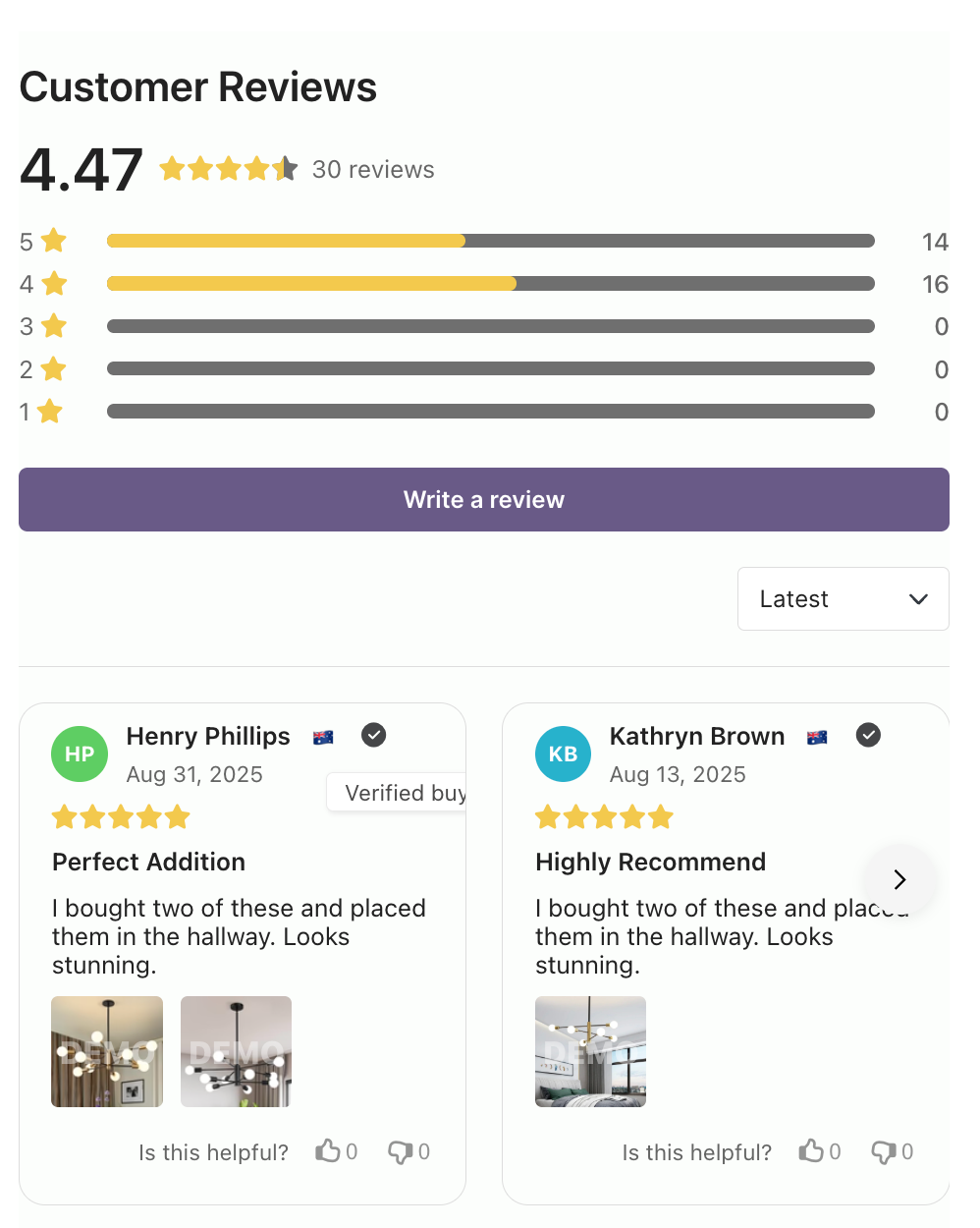
Verified buyer labels confirm that a review comes from someone who actually purchased the product. Ecommerce platforms typically assign these badges automatically when reviews are connected to real transactions.
Unlike anonymous feedback, verified reviews offer reassurance that opinions come from genuine users. They often include additional context such as purchase details, product variations, or usage insights, making them more informative and relatable.
Because verification connects real purchases with real experiences, shoppers view these reviews as more trustworthy than unverified comments or star scores alone.
Verified badges provide immediate confirmation that feedback is genuine. This reduces suspicion and increases confidence in the review content.
Online purchases involve uncertainty. Seeing real customers share authentic experiences reassures shoppers and helps them feel more secure in their decisions.
Brands that display verified feedback demonstrate openness. A mix of positive and constructive verified reviews signals honesty rather than curated perfection.
Detailed stories from verified users create relatable experiences. Customers connect more deeply with authentic narratives than with abstract rating numbers.
As trust increases, verified reviews begin to shape how customers engage with products and make purchasing decisions.
With these behavioral effects in mind, the differences between verified labels and star ratings become clearer through direct comparison.
Star ratings and verified buyer labels both contribute to social proof, but they influence decision-making in very different ways. Understanding their differences helps brands design review systems that maximize both efficiency and trust.
Star ratings excel at speed. A numerical score allows customers to scan multiple products quickly and form instant impressions. This is particularly useful when browsing large catalogs or comparing many options.
Verified buyer labels, however, provide depth. They encourage customers to explore detailed written feedback from real users. Instead of simply knowing that a product has a high rating, shoppers learn how it performs in real-life situations. This deeper insight leads to more confident and informed purchasing decisions.
Ratings alone can feel abstract because they lack clear proof of authenticity. Customers may question whether high scores come from genuine buyers or promotional activity.
Verified labels directly address this concern. By linking feedback to actual purchases, they create a visible credibility signal. Shoppers interpret verified reviews as more honest and reliable, which significantly increases trust.
Star ratings are easier to manipulate through fake accounts or incentivized reviews. Even a small number of artificial ratings can noticeably impact averages.
Verified buyer systems reduce this risk because reviews must be tied to confirmed transactions. While not completely immune to manipulation, verification creates a higher barrier that discourages fraudulent behavior.
Star ratings communicate satisfaction levels but lack emotional detail. They do not explain how a product solved problems or improved daily life.
Verified reviews often include personal stories, practical tips, and real-world results. These narratives create stronger emotional connections and help shoppers visualize themselves using the product.
Ratings help customers narrow options quickly, but they rarely provide enough information to finalize decisions. Many shoppers still seek written reviews before completing purchases.
Verified feedback bridges this gap by offering credible experiences that reduce uncertainty. Customers feel more confident because they are basing decisions on authentic user insights rather than generalized scores.
Brands relying heavily on star averages may appear less transparent, especially if ratings seem unusually perfect. Over time, customers may become skeptical.
In contrast, verified review systems promote honesty. Showing real experiences, including balanced feedback, strengthens long-term trust and brand reputation.
Overall, star ratings function best as quick discovery tools, while verified buyer labels provide the credibility and depth needed to convert interest into confident purchases.
People trust other consumers more than marketing claims. Verified badges reinforce this trust by confirming that reviewers are genuine buyers.
Because customers know ratings can be manipulated, they rely more on authenticity signals. Verification helps counter doubts and makes feedback feel more legitimate.
A mix of positive and critical verified reviews creates realism. Shoppers feel they are seeing honest opinions rather than curated promotion.
Understanding these psychological factors helps explain why verified labels often outperform star ratings in building trust.
Star ratings remain valuable for quick comparisons and early product discovery. They help customers scan options efficiently and identify general quality trends. Many shoppers still use ratings as a starting point before exploring detailed reviews.
Rather than eliminating star ratings, brands should strengthen them with authenticity signals like verified badges.
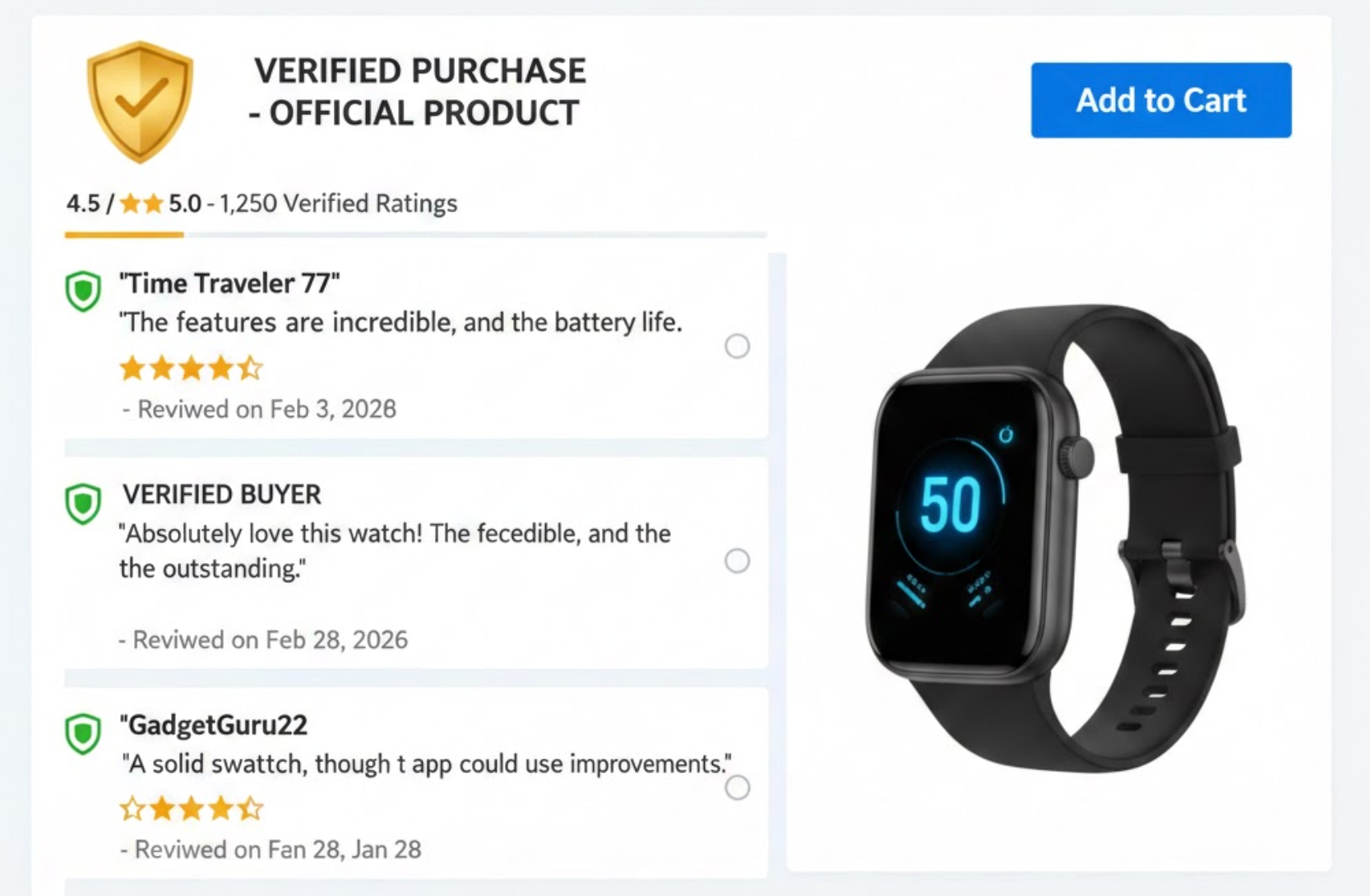
The strongest review systems integrate both elements:
This balanced approach allows shoppers to move smoothly from discovery to confident purchase decisions.
Star ratings remain useful for fast comparisons, but they no longer provide enough credibility on their own. As customers become more aware of fake reviews and rating inflation, authenticity has become the primary driver of trust.
Verified buyer labels address this need by confirming that feedback comes from real customers with genuine experiences. They build stronger credibility, reduce risk, and encourage deeper engagement with product reviews.
Brands that combine verified feedback with traditional rating systems create a more trustworthy shopping environment—one that not only improves conversions but also strengthens long-term customer relationships.